

Outdoors & Fitness
The Best Satellite Messengers: 4 Compared (and One to Skip)
We compared four handheld satellite communicators with SOS on two-way messaging, SOS monitoring, subscription terms, battery claims, phone pairing, and the coverage each maker actually states.
The short version
Our top pick is the Garmin inReach Mini 3. It has its own color touchscreen, on-device typing, and Garmin states a 24/7-staffed SOS coordination center. The value pick is the Garmin inReach Messenger, a lighter phone-first unit with a stated battery of up to 28 days at 10-minute tracking. The ZOLEO is the one that depends: it is a strong phone-first messenger with plan terms that are easy to read, but its lower plan caps satellite messages and it asks for a three-month minimum term. We would skip the SPOT Gen4, because its own page does not describe two-way messaging and states SOS coverage only in the areas shown on its map. Every device here needs an active paid subscription to do its job, so budget for the plan, not just the unit. Best for: the Mini 3 for people who want a screen and standalone use, the Messenger for light phone-first carry, and the ZOLEO for people who want plain plan terms.
Our picks at a glance
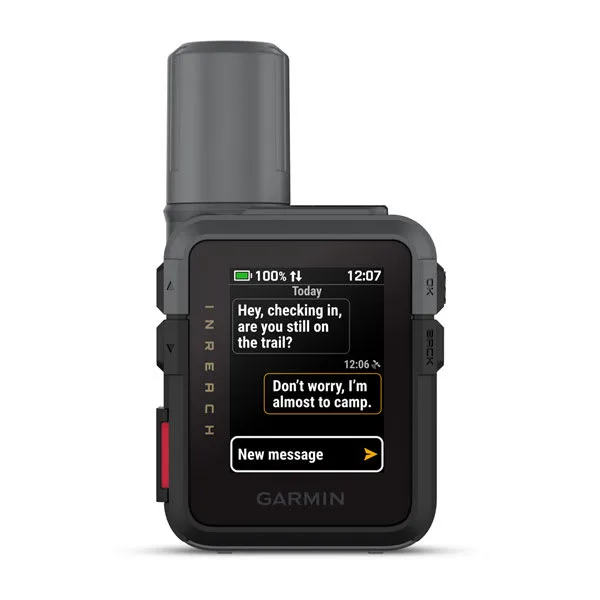
- Garmin inReach Mini 3 - Buy. A compact satellite communicator with a color touchscreen, on-device typing, and Garmin's interactive SOS.
- Garmin inReach Messenger - Buy. A light, phone-first satellite messenger with Garmin's SOS service and a long stated battery life.
- ZOLEO Satellite Communicator - It depends. A phone-first satellite messenger that switches between cellular, Wi-Fi, and Iridium satellite.
- SPOT Gen4 - Skip. A button-based SPOT satellite GPS messenger whose maker page does not describe two-way messaging.
The verdict in 30 seconds
What mattered most
- Two-way messaging (per maker page)
- SOS monitoring (per maker page)
- Subscription
- Battery claim
- Weight
- Water and dust rating
A satellite messenger is the device you carry for the day your phone has no bars and someone needs to know where you are. The hardware matters less than people expect. What decides the purchase is the monthly service attached to it, how the SOS alert is monitored, and whether you can read and answer a reply. We read the maker pages for four currently sold units from Garmin, ZOLEO, and SPOT, and only state what those pages say. Two earn a buy, one suits a specific buyer, and one is hard to recommend next to the others.
A compact satellite communicator with a color touchscreen, on-device typing, and Garmin's interactive SOS.
Best for: Hikers and travelers who want a standalone screen and the option to pair a phone.
- Garmin lists a 1.9-inch sunlight-readable color touchscreen with an on-screen keyboard, so you can read and write messages without a phone.
- The maker states up to 350 hours of battery life with 10-minute inReach tracking.
- Interactive SOS goes to Garmin Response, which Garmin describes as a 24/7-staffed international coordination center.
- Messaging and SOS require an active satellite subscription, and Garmin sells that plan separately from the device.
- The 350-hour battery figure is for 10-minute tracking, so heavy messaging will drain it faster.
- It carries a premium price tier compared with the other units here.
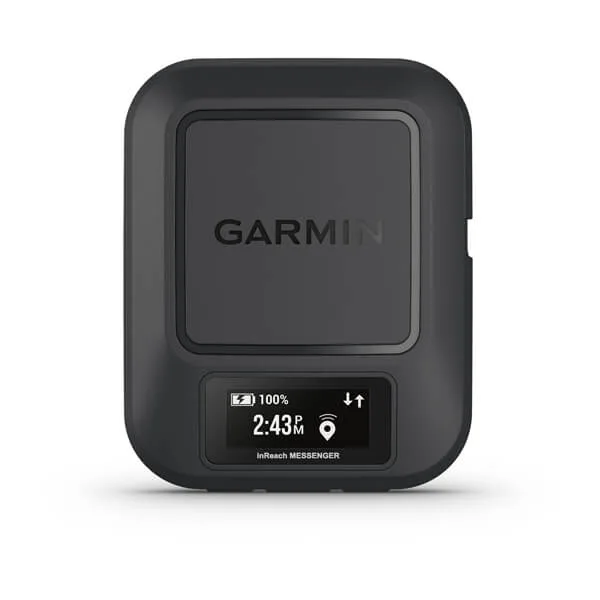
A light, phone-first satellite messenger with Garmin's SOS service and a long stated battery life.
Best for: Backpackers who carry a phone and want the lightest Garmin SOS option.
- Garmin states up to 28 days of battery with a message or location sent every 10 minutes under full sky view.
- It weighs 4 oz (113.9 g) on Garmin's spec table and is water-rated to IPX7.
- Garmin says its SOS goes to a 24/7-staffed coordination center, and the unit can charge a phone as a backup.
- It is built around the Garmin Messenger app, and its small monochrome display is meant for confirming messages, not long reading.
- An active inReach subscription is required for messaging, and the SOS alert depends on the same service.
- The battery figure drops to up to 14 days under moderate tree cover on Garmin's own table.
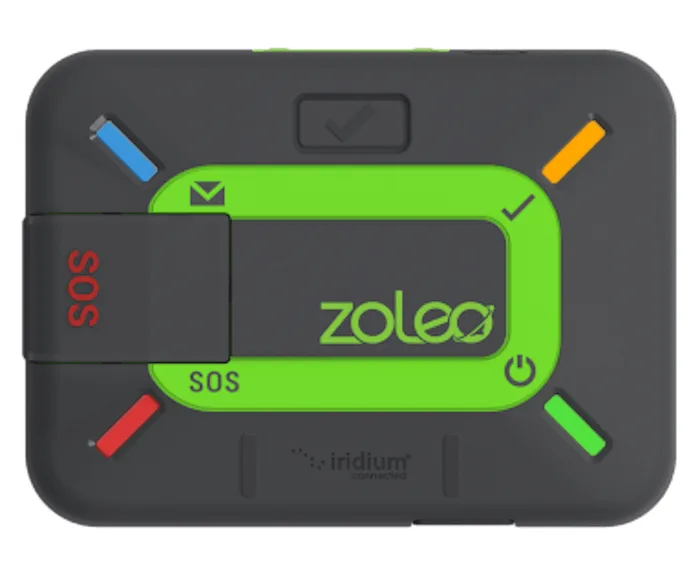
A phone-first satellite messenger that switches between cellular, Wi-Fi, and Iridium satellite.
Best for: Phone-first travelers who want clear plan terms and automatic network switching.
- ZOLEO publishes two monthly plans and both include satellite SOS with a 24/7 SOS monitoring service.
- Messages move across cellular, Wi-Fi, and satellite when paired with the ZOLEO app, and the device has its own SMS number and email.
- The maker lists IP68, 150 g (5.3 oz), and over 200 hours of battery life.
- The lower plan includes 50 satellite messages a month, and extra messages are billed individually.
- Both plans carry a three-month minimum term, which suits a seasonal buyer less well.
- The device lists LEDs for status and no display, so reading replies happens on your phone.
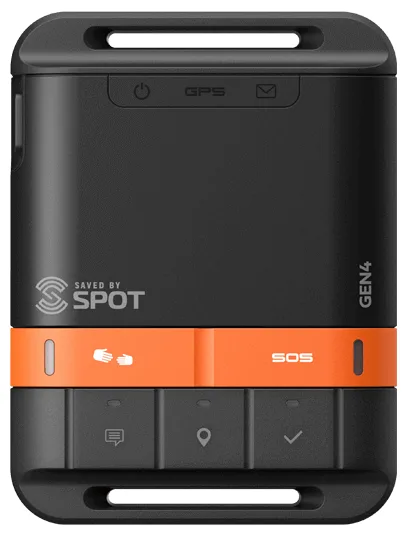
A button-based SPOT satellite GPS messenger whose maker page does not describe two-way messaging.
Best for: Someone who only needs one-way check-ins and SOS inside SPOT's mapped coverage areas.
- SPOT states 1,250 Check In and Custom Messages on one set of lithium AAA batteries.
- The unit is listed at 5 oz (142 g) and IP68 dust and water resistant.
- SPOT names FocusPoint International as the provider of emergency rescue coordination and monitoring.
- The Gen4 page does not label it two-way, while SPOT's own page labels the SPOT X as a 2-way satellite messenger.
- SPOT states SOS coverage only applies to the areas shown on its map, with primary and fringe zones.
- It requires an active service subscription, and the page lists no phone pairing or screen.
- It runs on AAA batteries, which is a different kind of upkeep than a rechargeable unit.
| Criteria | Garmin inReach Mini 3 Top pick | Garmin inReach Messenger | ZOLEO Satellite Communicator | SPOT Gen4 |
|---|---|---|---|---|
| Verdict | Buy it | Buy it | It depends | Skip it |
| Best for | Hikers and travelers who want a standalone screen and the option to pair a phone. | Backpackers who carry a phone and want the lightest Garmin SOS option. | Phone-first travelers who want clear plan terms and automatic network switching. | Someone who only needs one-way check-ins and SOS inside SPOT's mapped coverage areas. |
| Price tier | $$$ · premium | $$ · mid-range | $$ · mid-range | $ · budget |
| Two-way messaging (per maker page) | Yes, on-device keyboard or via Garmin Messenger app | Yes, via Garmin Messenger app | Yes, via ZOLEO app on your phone | Not stated on the Gen4 page |
| SOS monitoring (per maker page) | Garmin Response, 24/7-staffed | Garmin Response, 24/7-staffed | Global Rescue, 24/7/365 monitored | FocusPoint International, coordination and monitoring |
| Subscription | Active plan required | Active inReach subscription required | Plan required, two tiers, 3-month minimum | Active service subscription required |
| Battery claim | Up to 350 hours, 10-minute tracking | Up to 28 days, message or location every 10 minutes, full sky | Over 200 hours, mode not stated | 1,250 messages on one lithium AAA set |
| Weight | 4.31 oz (122.2 g) | 4 oz (113.9 g) | 5.3 oz (150 g) | 5 oz (142 g) with lithium batteries |
| Water and dust rating | IP67 | IPX7 | IP68 | IP68 |
| Phone pairing | Bluetooth LE | Bluetooth and ANT+ | Bluetooth LE, up to 50 m | None listed on the page |
| Coverage statement | Global via Iridium, per Garmin | 100% global Iridium, per Garmin | Iridium, global per ZOLEO; clear sky needed | SOS only in mapped areas, primary and fringe zones |
Which one is right for you?
- Hikers and travelers who want a standalone screen and the option to pair a phone. Buy it Garmin inReach Mini 3
- Backpackers who carry a phone and want the lightest Garmin SOS option. Buy it Garmin inReach Messenger
- Phone-first travelers who want clear plan terms and automatic network switching. It depends ZOLEO Satellite Communicator
- Someone who only needs one-way check-ins and SOS inside SPOT's mapped coverage areas. Skip it SPOT Gen4
How we judged the field
Five things matter in this category. First is the SOS path: who receives the alert, whether the maker says it is monitored around the clock, and whether you can talk back to the responder. Second is the subscription, because every device here needs an active plan and the plan decides how many messages you get. Third is two-way messaging, meaning whether you can read a reply and answer it. Fourth is battery life, read with the mode attached to the number. Fifth is how the device connects to your phone and what coverage the maker actually states, since a global claim and a map-limited claim are very different things.
The field splits into screen-equipped communicators, phone-first messengers, and button-based devices. We picked the Mini 3 from the first group, the Messenger and ZOLEO from the second, and a SPOT Gen4 from the third. We read each maker page and report only what it states. We left out Somewear, Bivy, and Motorola because we could not load a current maker page for them in this pass. Other safety gear matters on the same trip, so see our guides to bear spray and first aid kits, and note that a GPS running watch records your position but does not send it anywhere without cell service.
The Garmin inReach Mini 3 is the one we would pick if you want a satellite messenger that works on its own. Garmin lists a 1.9-inch sunlight-readable color touchscreen, an on-screen keyboard, and Bluetooth LE for pairing with the Garmin Messenger and Explore apps. It weighs 4.31 oz (122.2 g) and is water-rated to IP67. Garmin states up to 350 hours of battery with 10-minute inReach tracking, and an interactive SOS that reaches Garmin Response, described as a 24/7-staffed international coordination center. Messaging needs an active satellite subscription. The trade-offs are plain. It sits in the premium tier, the battery figure assumes tracking rather than constant messaging, and the plan is a recurring cost on top of the unit. Garmin also sells a Mini 3 Plus with photo and voice messaging, which we did not review. If you hike alone, travel remote, or want to type a reply without a phone, this is the safest default.
The Garmin inReach Messenger is the value pick because it strips the device down to what most people use. Garmin lists a weight of 4 oz (113.9 g), IPX7 water rating, Bluetooth, and a small monochrome display that confirms a message was sent. The messaging flow runs through the Garmin Messenger app on your phone, and Garmin says the unit can also charge a dead phone. The battery claim is up to 28 days with a message or location every 10 minutes under full sky view, falling to up to 14 days under moderate tree cover. Interactive SOS goes to the same Garmin Response center as the Mini 3, and messaging needs an active inReach subscription. The cost is that you lean on your phone for anything beyond a glance, so a lost or dead phone changes how you use it. It is a good fit for backpackers who want a light SOS-first device.
The ZOLEO is a good device for a specific kind of buyer. It pairs to a phone or tablet over Bluetooth LE with a stated range of up to 50 m, and the ZOLEO app moves messages across cellular, Wi-Fi, and Iridium satellite. The maker lists IP68, 150 g (5.3 oz), and over 200 hours of battery without naming a mode. Its plan page is easy to read: two plans, both with satellite SOS and 24/7 SOS monitoring, and a three-month minimum term. The lower plan includes 50 satellite messages a month with extra messages billed individually, while the higher plan lists unlimited satellite messages. SOS alerts go to Global Rescue. The device uses LEDs instead of a display, so replies are read in the app. It suits phone-first travelers who want clear terms. It suits seasonal users less, because of the minimum term.
The SPOT Gen4 is the one we would skip, and the reasons come from SPOT’s own page. The Gen4 page describes SOS, Check In, Custom Message, and Help features but does not label the device as two-way, whereas SPOT’s page for the SPOT X calls that model a 2-way satellite messenger with Bluetooth. SPOT states that SOS coverage only applies to the areas shown on its map, split into primary and fringe zones, rather than claiming coverage everywhere. A subscription is required, the unit runs on AAA batteries, and no phone pairing is listed. It is light at 5 oz (142 g), rated IP68, and SPOT states 1,250 Check In and Custom Messages on one lithium set. That is respectable for one-way check-ins inside mapped areas. For most people, a two-way unit costs a little more per month and answers the one question that matters: did they get my message and can they reply?
Garmin inReach Mini 3 vs Garmin inReach Messenger: which should you buy?
The Mini 3 and the Messenger share the same SOS service and the same plan system, so the choice is about the device in your hand. The Mini 3 has a color touchscreen, an on-screen keyboard, and a 350-hour tracking claim, so it works without a phone. The Messenger is lighter at 4 oz and states up to 28 days of battery in its tracking mode, but it relies on your phone for most messaging.
Pick the Mini 3 if you will be alone, you want maps and navigation features through the Explore app, or you do not want a dead phone to end a conversation. Pick the Messenger if you already carry a phone, you are counting grams, and you mostly want SOS plus occasional check-ins. Both need an active subscription, so compare plan terms as carefully as the hardware.
What to look for
- SOS routing: Find out who receives the alert and whether the maker says it is monitored 24/7. Garmin, ZOLEO, and SPOT each name a coordination partner on their pages.
- Plan terms: Every unit here needs an active subscription. Check the minimum term and how many satellite messages the cheaper plan includes.
- Two-way messaging: A device that only sends cannot confirm that help is coming. Look for the words two-way on the maker page for that exact model.
- Battery with a mode attached: A number without a tracking interval or sky condition means little. Garmin states its figures per interval, and tree cover shortens them.
- Phone dependence: Some units have a screen and keyboard, others rely on an app. Ask what happens if your phone dies.
- Coverage language: Read whether the maker says global or lists mapped areas, and note ZOLEO’s reminder that satellite communication needs a clear view of the sky.
Our final take
Buy the Garmin inReach Mini 3 if you want the most self-contained device and are comfortable with a premium price and a recurring plan. Buy the inReach Messenger if you want Garmin’s SOS in a lighter phone-first body. The ZOLEO is the right call for a phone-first buyer who values clear plan terms and can live with the three-month minimum and a message cap on the lower plan. Skip the SPOT Gen4 unless one-way check-ins inside mapped coverage truly cover your needs. Whatever you choose, confirm local rules for carrying satellite devices, activate the plan before you leave, and send a test message from open sky.
Questions, answered
Do satellite messengers work without a subscription?
Not in any way we can recommend. The Garmin pages say messaging works with an active subscription, ZOLEO publishes monthly plans that bundle SOS monitoring, and SPOT states its devices require an active service subscription to properly perform. Treat the plan as part of the price of the device. Read the minimum term before you buy, because ZOLEO lists three months on both plans.
Who answers the SOS button?
It depends on the brand. Garmin routes interactive SOS to Garmin Response, which it describes as a 24/7-staffed international coordination center. ZOLEO routes alerts to Global Rescue, and its SOS page describes 24/7/365 monitored coordination. SPOT names FocusPoint International for rescue coordination and monitoring on the Gen4 page. In each case the coordination center contacts authorities, so it is not a guarantee of a specific response time.
Do I need my phone to use one?
For the Mini 3, no: Garmin lists an on-screen keyboard for typing on the device. The Messenger and ZOLEO are built around a phone app for composing and reading messages, though both have SOS controls on the device itself. ZOLEO says the SOS and check-in buttons work even if your smartphone is damaged or out of battery. Pairing is by Bluetooth in each case, and the range ZOLEO states is up to 50 m.
Is the battery life number realistic?
Treat it as a ceiling that depends on a mode. Garmin states its numbers for 10-minute tracking or messaging intervals under full sky view, and its own Messenger table drops to a shorter figure under moderate tree cover. ZOLEO states over 200 hours without naming the mode. More frequent location updates and more messages will shorten any of these, and cold weather can too.
Can I use one in any country?
Check first. Garmin's product pages carry a notice that some jurisdictions regulate or prohibit satellite communication devices, and ZOLEO says the same about carrying one abroad. Coverage statements also differ: Garmin and ZOLEO describe Iridium-based global coverage, and ZOLEO adds that satellite communication needs a clear view of the sky and is not guaranteed. SPOT's Gen4 page limits SOS coverage to the areas on its map.
Deciding between the top two? See our head-to-head: Garmin inReach Mini 3 vs Garmin inReach Messenger.
More Outdoors & Fitness reviews
 The Best Sit Pads: 4 Compared (and One to Skip)
  The Best Ski and Snowboard Roof Racks: 4 Compared (and One to Skip)
  The Best Ski Mittens and Glove Liners: 4 Compared (and One to Skip)
  The Best Ski Touring Backpacks: 4 Compared (and One to Skip)
  The Best Backpacking Sleeping Bags: 4 Compared (and One to Skip)
  The Best Backpacking Sleeping Pads: 4 Compared (and One to Skip)