

Outdoors & Fitness
The Best Backpacking Sleeping Bags: 4 Compared (and One to Skip)
We compared four current 3-season backpacking bags on warmth, fill, weight, and packability across down and synthetic.
The short version
For a 3-season backpacking bag, down still wins on warmth-to-weight and packability, and the Feathered Friends Swallow YF 20 is the standout: 900+ fill down, a water-resistant Pertex YFuse shell, and the lowest weight here, at a flagship price. The NEMO Disco 15 Endless Promise is the comfort pick, using a spoon shape and water-resistant down to sleep far roomier than a mummy for side sleepers who accept the extra weight. The Kelty Cosmic Down 20 is the value play in real down, provided you treat it as closer to a 30-degree bag than the 20 on its label. The Marmot Trestles Elite Eco 20 insulates when wet and costs the least, but its weight and bulk make it a car-camping bag more than a backpacking one. Best for: matching the bag to your sleep style, budget, and how wet and how far you hike.
Our picks at a glance
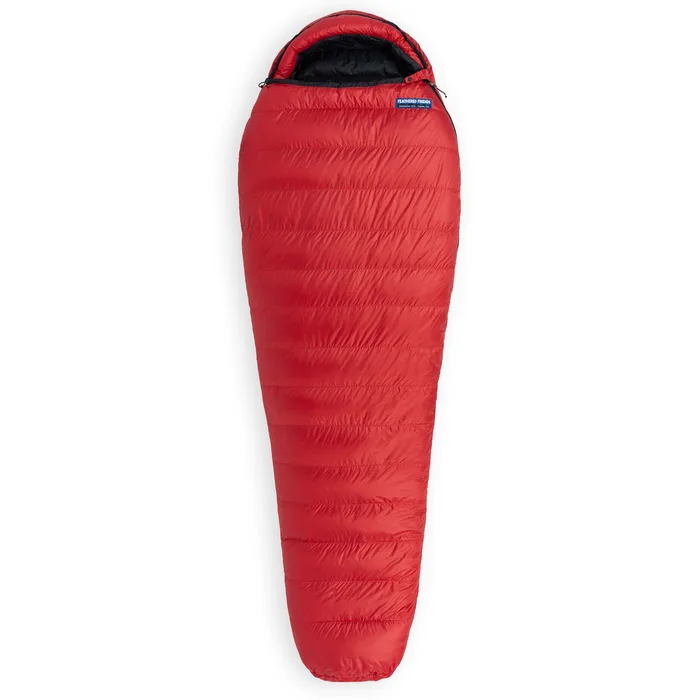
- Feathered Friends Swallow YF 20 - Buy. The warmth-to-weight benchmark: a 20°F rating at a stated 1 lb 13.2 oz average weight.
- NEMO Disco 15 Endless Promise - Buy. A spoon-shaped down bag that trades a little weight for the roomiest, most comfortable side-sleeping on trail.
- Kelty Cosmic Down 20 - It depends. The perennial value pick in real down, as long as you judge it by the comfort number rather than the name on the tag.
- Marmot Trestles Elite Eco 20 - Skip. A capable, damp-proof synthetic bag whose weight and bulk make it a tough sell for carrying any real distance.
The verdict in 30 seconds
What mattered most
- Insulation & fill
- Comfort temp rating
- Trail weight (regular)
- Packed size
- Fit & shape
- Wet-weather resilience
A 3-season backpacking bag rated for the low 20s to low 30s Fahrenheit is the do-everything choice for most nights on trail, but the gap between a warm, feathery ultralight quilt and a heavy, damp-proof synthetic slab is enormous. We compared maker specifications and long-term owner reports for four current models spanning premium down, mid-range down, budget down, and recycled synthetic. Two earn a clear buy, one depends on how you camp, and one is hard to justify carrying on your back.
The warmth-to-weight benchmark: a 20°F rating at a stated 1 lb 13.2 oz average weight.
Best for: Weight-counting backpackers and thru-hikers who want the lightest, most compressible real 20-degree bag and will pay for it.
- 900+ fill-power goose or Muscovy down gives class-leading warmth for the weight
- Pertex YFuse shell, a 20-denier water-resistant Pertex Quantum fabric that Feathered Friends says improves downproofing and water beading
- Lightest bag here at a stated 1 lb 13.2 oz average weight (regular), with a 9 L packed size
- Made in Seattle, USA, of imported materials
- Flagship pricing that is hard to swallow for occasional trips
- A mummy cut, 59 inches at the shoulder, that Feathered Friends places between its narrower Hummingbird and roomier Swift, so side sleepers and larger bodies may feel confined
- Premium down loses loft if it gets soaked and is slow to dry
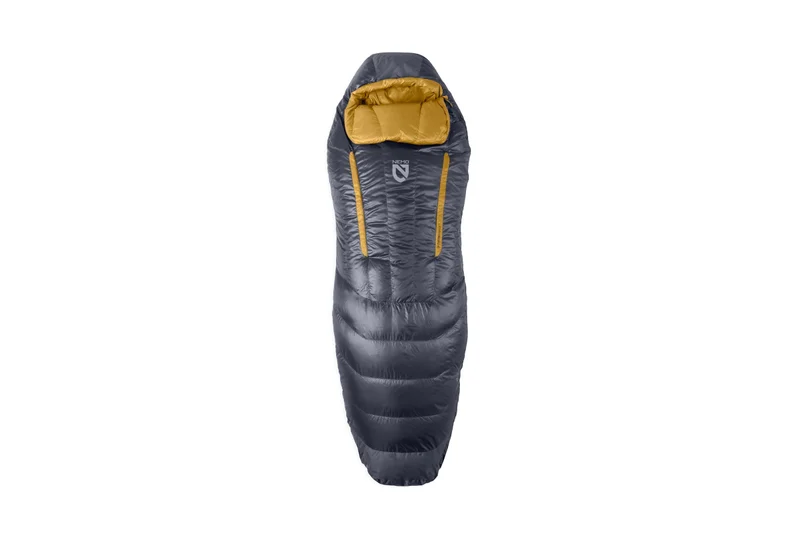
A spoon-shaped down bag that trades a little weight for the roomiest, most comfortable side-sleeping on trail.
Best for: Side sleepers and comfort-first backpackers who value a good night's sleep over shaving every ounce.
- Classic Spoon shape is cut generously at the elbows and knees for side sleepers
- Thermo Gill vents let you dump heat without unzipping, extending its useful range into warmer nights
- 650 fill-power water-resistant down plus a waterproof-reinforced hood and footbox handle tent condensation well
- Endless Promise design is 100% recyclable at end of life through NEMO
- Heavier than a comparably rated mummy such as the Swallow
- 650 fill power is less compressible than premium 850-plus down
- The 15 in the name is close to its 16°F ISO limit; NEMO states a 27°F ISO comfort rating
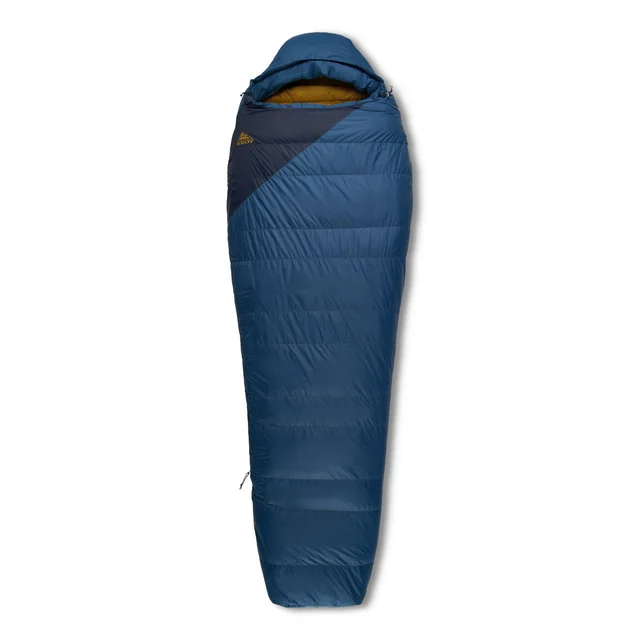
The perennial value pick in real down, as long as you judge it by the comfort number rather than the name on the tag.
Best for: Budget-minded weekend backpackers and new hikers who want down without a flagship price and camp in the 30s rather than the low 20s.
- Real down warmth at a price close to many synthetics
- Roomy semi-rectangular cut with a full draft tube and draft collar
- Includes a stuff sack (8 x 13 in for the regular)
- Low 550 fill power means more weight and bulk than pricier down for the same warmth
- Kelty lists a 20°F rating without saying whether it is an ISO comfort or limit figure; owner reports suggest treating it as a 30-degree bag
- Heavier than dedicated ultralight options
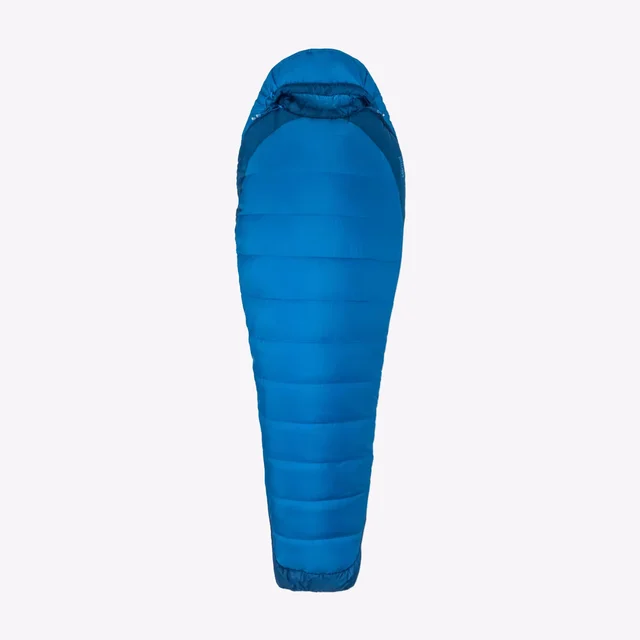
A capable, damp-proof synthetic bag whose weight and bulk make it a tough sell for carrying any real distance.
Best for: Car campers, budget buyers, and anyone hiking in persistently wet conditions where down is risky and pack weight is not the priority.
- Recycled synthetic fill keeps insulating when damp and shrugs off tent condensation
- Recycled fabrics, plus a two-way zipper and stash pocket
- Lowest entry price of the group
- Synthetic fill is heavier than the down bags here for similar warmth
- Bulky packed size eats scarce pack volume
- Warmth-to-weight ratio makes it a poor backpacking choice
| Criteria | Feathered Friends Swallow YF 20 Top pick | NEMO Disco 15 Endless Promise | Kelty Cosmic Down 20 | Marmot Trestles Elite Eco 20 |
|---|---|---|---|---|
| Verdict | Buy it | Buy it | It depends | Skip it |
| Best for | Weight-counting backpackers and thru-hikers who want the lightest, most compressible real 20-degree bag and will pay for it. | Side sleepers and comfort-first backpackers who value a good night's sleep over shaving every ounce. | Budget-minded weekend backpackers and new hikers who want down without a flagship price and camp in the 30s rather than the low 20s. | Car campers, budget buyers, and anyone hiking in persistently wet conditions where down is risky and pack weight is not the priority. |
| Price tier | $$$$ · flagship | $$$ · premium | $$ · mid-range | $ · budget |
| Insulation & fill | 900+ fill-power goose or Muscovy down | 650 fill-power water-resistant down | 550 fill-power down | Recycled synthetic |
| Comfort temp rating | 20°F (Feathered Friends) | ISO comfort 27°F, limit 16°F | 20°F (Kelty; ISO type not stated) | Not verified |
| Trail weight (regular) | Lightest, 1 lb 13.2 oz average | 2 lb 11 oz minimum, 2 lb 14 oz packed | 2 lb 7 oz | Heaviest (synthetic) |
| Packed size | 9 L stated | 6.7 L compressed | 8 x 13 in stuff sack | Bulky, poor for backpacking |
| Fit & shape | Medium-width mummy, 59 in shoulder | Roomy spoon shape for side sleepers | Roomy semi-rectangular | Standard mummy with dual zips |
| Wet-weather resilience | Water-resistant shell, but down at risk if soaked | Water-resistant down, waterproof-reinforced footbox | No down treatment listed, vulnerable when wet | Best; synthetic insulates when damp |
| Price tier | $$$$ · flagship | $$$ · premium | $$ · mid-range | $ · budget |
Which one is right for you?
- Weight-counting backpackers and thru-hikers who want the lightest, most compressible real 20-degree bag and will pay for it. Buy it Feathered Friends Swallow YF 20
- Side sleepers and comfort-first backpackers who value a good night's sleep over shaving every ounce. Buy it NEMO Disco 15 Endless Promise
- Budget-minded weekend backpackers and new hikers who want down without a flagship price and camp in the 30s rather than the low 20s. It depends Kelty Cosmic Down 20
- Car campers, budget buyers, and anyone hiking in persistently wet conditions where down is risky and pack weight is not the priority. Skip it Marmot Trestles Elite Eco 20
How we judged the field
We do not run our own cold chamber. Instead, we synthesize published independent testing, standardized ISO/EN comfort ratings, and aggregated long-term owner reports to see where each bag actually lands in the real world. For a 3-season backpacking bag, the criteria that matter most are honest warmth (the comfort rating, not the name on the tag), warmth-to-weight ratio, packed size, fit and sleep comfort, and how the insulation copes with moisture. We also weigh price against durability, because a bag that holds its loft for a decade is a different value proposition from one bought for a single season.
Feathered Friends Swallow YF 20
Buy itThis is the bag the others are measured against. Its 900-plus fill-power goose or Muscovy down carries a 20°F rating at a stated average weight of 1 lb 13.2 oz for the regular, the lightest here, and Feathered Friends states a 9 L packed size. The YF version uses a Pertex YFuse shell, a 20-denier water-resistant Pertex Quantum fabric whose Y-shaped filaments Feathered Friends says improve downproofing and water beading, over a recycled nylon lining, and it is made in Seattle of imported materials. The catch is the flagship price and the fit: it is a mummy, 59 inches at the shoulder, which Feathered Friends places between its narrower Hummingbird and roomier Swift, so side sleepers and larger hikers may find it confining. If you count ounces and hike real miles, it is worth the money; if you camp a handful of nights a year, it is more bag than you need.
NEMO Disco 15 Endless Promise
Buy itThe Disco solves a problem premium mummies ignore: most people sleep on their side. Its Classic Spoon shape is cut generously at the elbows and knees so you can bend and roll without fighting the bag. Thermo Gill vents let you shed heat on warmer nights without fully unzipping, and the 650 fill-power water-resistant down plus a waterproof-reinforced hood and footbox handle tent condensation gracefully. NEMO states a 27°F ISO comfort and a 16°F ISO limit, so the 15 in the name is a limit-side figure. The trade-offs are real: at 2 lb 14 oz packed it is over a pound heavier than the Swallow, and 650 down is less compressible than premium fill, though NEMO’s 6.7 L compressed figure is smaller than the Swallow’s stated 9 L. For comfort-first backpackers who will carry a bit more to sleep better, it is an easy recommendation and our runner-up.
Kelty Cosmic Down 20
It dependsThe Cosmic Down has been the default answer to “cheapest real down bag” for years, and it still earns that reputation. You get a roomy semi-rectangular cut, trapezoidal baffles, a full draft tube and collar, and true down warmth at a price that undercuts most rivals. The reason it lands at depends rather than buy is the fine print: its 550 fill power means more weight and bulk than pricier down for the same warmth, and Kelty lists the 20°F rating without saying whether it is an ISO comfort or limit figure; owner reports suggest treating it as closer to a 30-degree bag. Judged as an affordable 30-degree down bag for shoulder-season weekends, it is a genuine bargain. Judged against its label on a cold night, it will disappoint.
Marmot Trestles Elite Eco 20
Skip itThere is a lot to like about the Trestles Elite Eco on paper: recycled synthetic insulation that keeps working when damp, recycled fabrics, a two-way zipper, and the lowest price in this group. The problem is that it is a backpacking bag mainly in name. Synthetic fill is heavier and bulkier than down for the same warmth, which makes it a tough sell for carrying any distance. As a car-camping bag, a budget first bag, or a choice for genuinely wet trips where down is risky, it makes sense. As a bag to carry up a mountain, it is the one to skip.
Feathered Friends Swallow YF 20 vs NEMO Disco 15: which should you buy?
This is a choice between weight and comfort. The Swallow YF 20 wins decisively on weight: it is over a pound lighter and uses far higher fill-power down, which is exactly what you want when miles and pack space are the constraint. The Disco 15 answers a different question. Its spoon shape and venting make it the bag you will actually sleep well in, especially as a side sleeper, and its water-resistant down and waterproof-reinforced footbox are more forgiving of a damp tent. Choose the Swallow if your priority is carrying the least for the most warmth and you are comfortable in a trim mummy. Choose the Disco if a roomy, restful night outranks the last pound on your back, and you do not mind paying a premium for comfort rather than for weight savings.
What to look for
- Comfort rating over label number: trust the ISO/EN comfort rating, and give yourself a margin for the coldest night you expect.
- Fill power: higher fill power means less weight and bulk for the same warmth, at a higher price.
- Down vs synthetic: down for warmth-to-weight and packability, synthetic for wet conditions and tight budgets.
- Weight and packed size together: a light bag that will not compress still eats pack volume.
- Fit and shape: side sleepers and larger bodies should favor roomier or spoon-shaped cuts.
- Shell and treatment: a water-resistant shell and hydrophobic down buy real margin against condensation.
- Care and durability: loose storage and dry-sack discipline decide whether a bag lasts one season or ten.
Our final take
Down remains the right default for 3-season backpacking, and the Feathered Friends Swallow YF 20 is the clearest expression of why: the least weight and bulk for honest low-20s warmth, with a water-resistant Pertex YFuse shell, if you can absorb the flagship cost. The NEMO Disco 15 Endless Promise is the bag most people will be happiest sleeping in, trading some weight for room and comfort. The Kelty Cosmic Down 20 is a legitimate budget entry into real down as long as you respect its true temperature range, and the Marmot Trestles Elite Eco 20 is best left in the trunk for car camping rather than carried up the trail. Match the bag to how you sleep, how far you hike, and how wet it gets, and any of the first three will serve you well.
Questions, answered
What temperature rating do I actually need for 3-season backpacking?
For spring through fall in most temperate mountains, a bag with a comfort rating in the low 20s to low 30s Fahrenheit covers the majority of nights. Pay attention to the ISO/EN comfort rating rather than the marketing number on the label: the comfort rating estimates the temperature at which an average cold sleeper stays warm, while the number in the product name is often closer to a lower-limit survival figure. When in doubt, size down a few degrees and vent when it is warm.
Down or synthetic for backpacking?
Down offers a markedly better warmth-to-weight ratio and packs far smaller, which is why every lighter bag in this comparison uses it. Synthetic keeps insulating when damp and costs less, but it is heavier and bulkier. Choose synthetic mainly for persistently wet trips, boat-based or budget use; choose down for most backpacking, and protect it with a dry sack and a water-resistant shell.
What does fill power mean, and does higher always win?
Fill power measures how much loft an ounce of down produces, so higher fill power delivers the same warmth for less weight and bulk. A 900-fill bag like the Swallow packs smaller and lighter than a 550-fill bag of equal warmth. Higher fill power costs more, though, so a 650 or 550 bag can be the sensible choice if budget matters more than saving a few ounces.
How should I care for a down bag so it lasts?
Store it loosely in a large cotton or mesh sack rather than compressed, keep it dry on trail inside a waterproof stuff sack, and wash it only occasionally with a down-specific cleaner. Drying on low heat with a couple of clean tennis balls helps restore loft. A well-cared-for down bag can hold its warmth for many years, whereas repeated long-term compression is the fastest way to kill loft.
Do these ratings apply the same to everyone?
No. Temperature ratings are standardized estimates, but real-world warmth varies with your metabolism, what you wear, your sleeping pad's insulation, humidity, and whether you are well fed and hydrated. Women and colder sleepers often sleep several degrees colder than a bag's rating suggests. This is general product information to help you compare, not a guarantee of warmth in any given condition, so build in a margin for the coldest night you expect.
Deciding between the top two? See our head-to-head: Feathered Friends Swallow YF 20 vs NEMO Disco 15 Endless Promise.
More Outdoors & Fitness reviews
 The Best Backpacking Sleeping Pads: 4 Compared (and One to Skip)
  The Best Snorkel Sets: 4 Compared (and One to Skip)
  The Best Snow Boots: 4 Compared (and One to Skip)
  The Best Snow Sleds: 4 Compared (and One to Skip)
  The Best Solar Chargers: 4 Compared (and One to Skip)
  The Best Sun Hats for Hiking, Fishing and Travel: 4 Compared (and One to Skip)