

Outdoors & Fitness
The Best Snow Boots: 4 Compared (and One to Skip)
We compared four women's snow boots on temperature rating, liner, insulation, waterproofing, outsole, weight, sizing and returns.
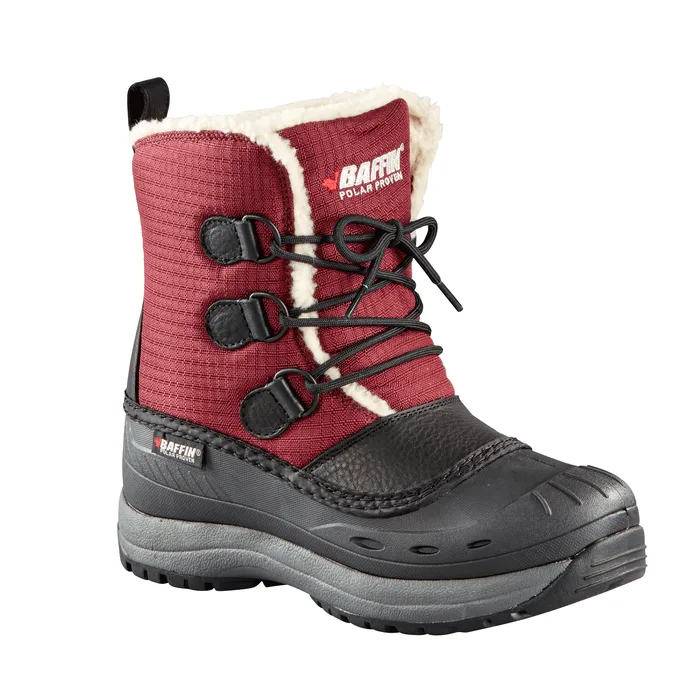
The short version
The Baffin Tessa is the pick: a removable multi-layer inner boot you can dry overnight, Baffin's cold-flexible Arctic Rubber shell and Polar Rubber outsole, a Tundra rating for active use down to -22°F, and published height and weight, though Baffin says it runs small, so go a full size up. The Muck Arctic Sport II Mid is the easy pull-on buy, a 5mm neoprene bootie with a fleece lining, a published comfort range of -40°F to 40°F, an odour-control footbed and free 30-day returns. The KEEN Revel III suits winter hikers, with 200g of insulation, a KEEN.DRY waterproof breathable membrane and a cold-flexible dual-compound outsole, but it publishes no temperature rating. Skip the Kamik Snovalley 6: it is final sale with no returns or exchanges, and its liner is fixed, so it cannot be removed to dry. Best for: snowy commutes, school runs, winter walks and shovelling.
Our picks at a glance
- Baffin Tessa - Buy. A women's winter boot with a removable inner boot and rubber built to stay flexible in the cold.
- Muck Women's Arctic Sport II Mid Boot - Buy. A pull-on neoprene and rubber boot with a wide comfort range and free returns.
- KEEN Women's Revel III Waterproof Winter Boot - It depends. A lace-up winter hiking boot with a breathable membrane and a cold-flexible outsole.
- Kamik Snovalley 6 Winter Boots - Skip. A leather and rubber boot rated to -40°C, sold as final sale with a fixed liner.
The verdict in 30 seconds
What mattered most
- Temperature rating
- Liner
- Upper
- Waterproofing
- Outsole
- Closure
Snow boots are rated for cold, but those ratings mean different things from brand to brand, and a -40° boot is not always warmer than a -22° one in real use. Beyond the rating, the liner decides whether you can dry the boot overnight, the rubber decides whether the sole stays grippy when frozen, and sizing decides whether your toes have room for warm socks. We compared four popular women's boots.
A women's winter boot with a removable inner boot and rubber built to stay flexible in the cold.
Best for: Active winter walkers who want a warm boot they can dry out every night.
- Removable Comfort-Fit multi-layer inner boot that can be taken out to dry.
- Arctic Rubber shell for cold flexibility, an EVA midsole and a Polar Rubber outsole for grip.
- Tundra rated, which Baffin defines as comfort in moderate to high activity from 14°F to -22°F.
- Baffin says it runs small and recommends going one full size up.
- Heavy at a published 4.33 lb a pair for a women's 7.
- The rating assumes moderate to high activity, not standing still.
- A 9.5-inch height is lower than a tall snow boot.
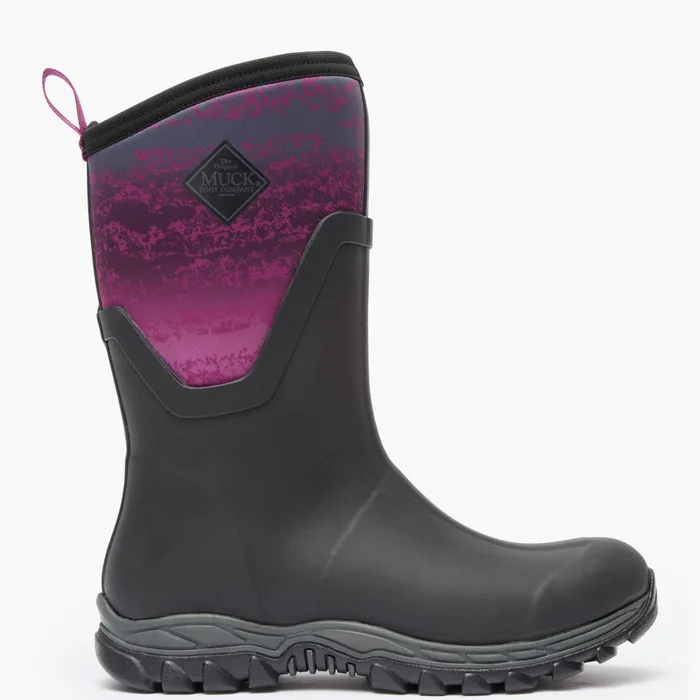
A pull-on neoprene and rubber boot with a wide comfort range and free returns.
Best for: People who want a warm, fully waterproof boot they can slip on for dog walks and chores.
- 5mm neoprene bootie with extended rubber coverage, 100% waterproof.
- Published comfort range of -40°F to 40°F and a soft fleece lining.
- bioDEWIX footbed topcover with NZYM for odour control, an EVA midsole and free 30-day returns.
- The liner is not described as removable.
- Pull-on fit with no laces, so it is less secure on steep ground.
- Warranty is 1 year.
- Final sale items are excluded from free returns.
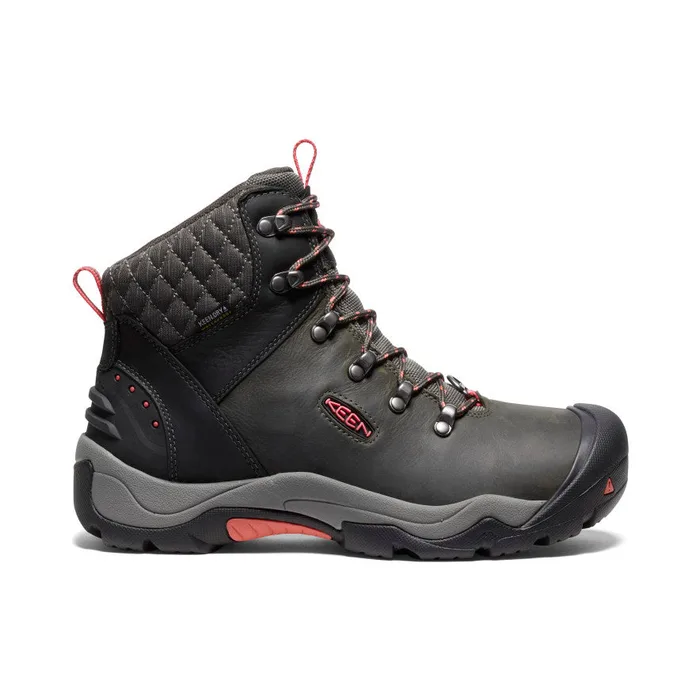
A lace-up winter hiking boot with a breathable membrane and a cold-flexible outsole.
Best for: Winter hikers who want a boot that walks like a hiking boot.
- 200g of recycled PET insulation plus three heat-trapping layers underfoot.
- KEEN.DRY waterproof, breathable membrane with PFAS-free water repellency.
- Dual-compound rubber outsole that KEEN says stays flexible in the cold, and 30-day returns.
- No temperature rating is published.
- A hiking-boot height, lower than a snow boot for deep drifts.
- No liner details are published.
- Weight is not published on the product page.
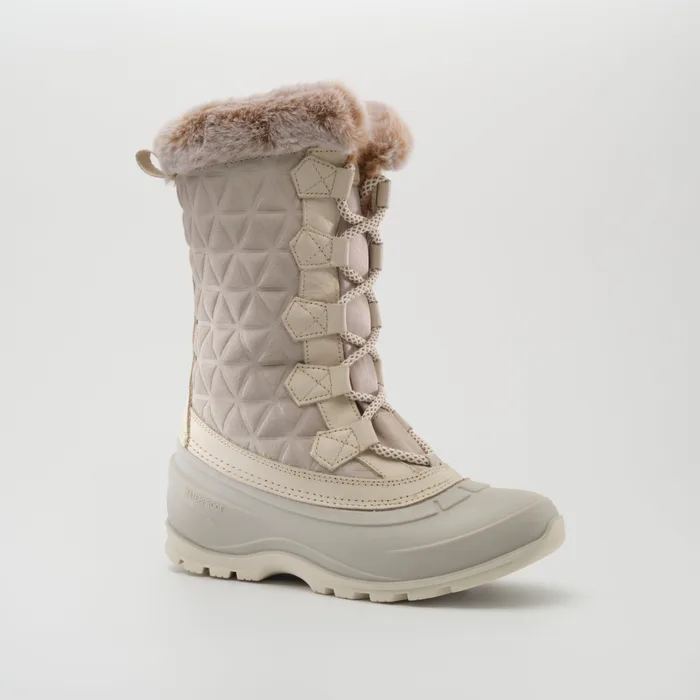
A leather and rubber boot rated to -40°C, sold as final sale with a fixed liner.
Best for: Buyers who already know their Kamik size and want a leather snow boot.
- Premium suede and full-grain leather over a synthetic rubber base, seam-sealed waterproof.
- Rated to -40°F / -40°C, with 145g HeatMX insulation and a faux fur lining.
- Made in Canada, true to size, with a 1-year warranty.
- Kamik marks it final sale: it cannot be returned or exchanged.
- The liner is fixed, so it cannot be removed to dry overnight.
- At 2.61 lb for a single women's 7 sample, it is not light.
- The -40° rating is not tied to an activity level.
| Criteria | Tessa Top pick | Women's Arctic Sport II Mid Boot | Women's Revel III Waterproof Winter Boot | Snovalley 6 Winter Boots |
|---|---|---|---|---|
| Verdict | Buy it | Buy it | It depends | Skip it |
| Best for | Active winter walkers who want a warm boot they can dry out every night. | People who want a warm, fully waterproof boot they can slip on for dog walks and chores. | Winter hikers who want a boot that walks like a hiking boot. | Buyers who already know their Kamik size and want a leather snow boot. |
| Price tier | $$$ · premium | $$ · mid-range | $$$ · premium | $$ · mid-range |
| Temperature rating | 14°F to -22°F (active) | -40°F to 40°F comfort | Not published | -40°F / -40°C |
| Liner | Removable multi-layer inner boot | Fleece lining, 5mm neoprene | No liner details published | Fixed, 145g HeatMX |
| Upper | Arctic Rubber shell + textile | Neoprene + rubber | Not detailed on page | Suede and full-grain leather |
| Waterproofing | Waterproof base | 100% waterproof | KEEN.DRY membrane | Seam-sealed |
| Outsole | Polar Rubber | Rugged rubber | Dual-compound rubber | Rubber |
| Closure | Laces + pull loop | Pull-on | Laces | Laces |
| Sizing | Runs small, size up | See size guide | See size guide | True to size |
| Returns | See policy | Free 30 days | 30 days | Final sale, no returns |
Which one is right for you?
- Active winter walkers who want a warm boot they can dry out every night. Buy it Baffin Tessa
- People who want a warm, fully waterproof boot they can slip on for dog walks and chores. Buy it Muck Women's Arctic Sport II Mid Boot
- Winter hikers who want a boot that walks like a hiking boot. It depends KEEN Women's Revel III Waterproof Winter Boot
- Buyers who already know their Kamik size and want a leather snow boot. Skip it Kamik Snovalley 6 Winter Boots
How we judged the field
Five things decide whether a snow boot is right for you. The temperature rating matters, but only if you know what activity it assumes. The liner decides warmth and drying, and removable liners are easier to live with. Waterproofing and the upper decide how the boot copes with slush and wet snow. The outsole rubber decides grip, since cold makes some rubber hard and slippery. And sizing and returns matter, because snow boots are bought for thick socks and fit is hard to judge online.
The field splits into lace-up winter boots with removable liners, pull-on neoprene boots, winter hiking boots and fashion-leaning leather boots. We picked four popular women’s boots across those styles and held each to its own product page.
The Baffin Tessa is the pick because it gets the practical details right. Its removable Comfort-Fit multi-layer inner boot comes out to dry overnight, which keeps it warm day after day, and Baffin says the layers form to your foot with wear. The shell is Baffin’s Arctic Rubber, designed to stay flexible in the cold, over an EVA midsole and a Polar Rubber outsole for grip. Baffin gives it a Tundra rating, which it defines as comfort during moderate to high activity from 14°F to -22°F, a more honest description than a single number. It laces up with a pull loop at the back, stands 9.5 inches tall, and weighs a published 4.33 lb a pair for a women’s 7. The cautions are fit and weight: Baffin says it runs small and recommends a full size up, and it is heavy. For active winter days, it is the boot to buy.
The Muck Women’s Arctic Sport II Mid is the easy boot for everyday winter chores. It is a 5mm neoprene bootie with extended rubber coverage, 100% waterproof, with a soft fleece lining and a pull tab for easy on and off. Muck publishes a comfort range of -40°F to 40°F, which makes it useful from slushy autumn days to deep winter. Inside, a bioDEWIX footbed topcover with NZYM is designed for odour control and moisture management, over a lightweight EVA midsole and a rugged rubber outsole. Muck offers free 30-day returns, excluding final sale items, and a 1-year warranty. The trade-offs are that the liner is not described as removable, and a pull-on boot is less secure on steep or icy ground than a laced one. For dog walks, school runs and shovelling, it is the better buy.
The KEEN Revel III is a winter hiking boot, which is why it is our depends. It uses 200g of recycled PET insulation plus three heat-trapping layers underfoot, a KEEN.DRY waterproof, breathable membrane and PFAS-free water repellency. The dual-compound rubber outsole is designed to stay flexible in cold conditions for better grip, and KEEN offers 30-day returns. It laces like a hiking boot and walks like one, which is the point. What it does not publish is a temperature rating, a weight or any liner details. It is also lower than a snow boot, so deep drifts can get in. If you hike or walk long distances on snowy trails, it is a strong choice; for standing around in deep snow, a taller, rated boot is warmer.
The Kamik Snovalley 6 has a lot going for it, and we would still skip it. It is premium suede and full-grain leather over a synthetic rubber base, seam-sealed for waterproofing, with 145g of HeatMX insulation and a brushed nylon and faux fur lining. Kamik rates it to -40°F / -40°C, makes it in Canada, lists it as true to size and gives it a 1-year warranty. The problem, as with Kamik’s rain boots, is on the product page: it is marked final sale and cannot be returned or exchanged, which is a big risk for a winter boot bought for thick socks. The liner is fixed, so it cannot be removed to dry overnight, and the -40° rating is not tied to an activity level. At 2.61 lb for a single women’s 7, it is not light. Unless you already know your Kamik size, buy a boot you can return.
Baffin Tessa vs Muck Women’s Arctic Sport II Mid Boot: which should you buy?
The Baffin Tessa and the Muck Arctic Sport II Mid take different approaches to warmth. The Baffin uses a removable multi-layer inner boot, cold-flexible rubber and laces, with an activity-based rating down to -22°F, so it suits active days and dries overnight. The Muck is a pull-on neoprene boot with a fleece lining and a published comfort range to -40°F, with an odour-control footbed and free returns.
Choose the Baffin if you walk a lot in snow, want to dry the liner every night and can size up. Choose the Muck if you want a fully waterproof boot to slip on for chores, slush and short outings. Both are better buys than a final sale boot you cannot return.
What to look for
- Rating and activity: Look for what activity a temperature rating assumes; standing still feels much colder.
- Removable liner: A liner you can take out dries overnight and can be replaced.
- Cold-flexible rubber: Soft outsoles grip better in freezing temperatures.
- Waterproofing: A seam-sealed or membrane-lined boot keeps slush out.
- Sizing advice: Leave room for thick socks; follow the brand’s advice on sizing up.
- Returns policy: Avoid final sale boots unless you know your size.
Our final take
For most people, the Baffin Tessa is the snow boot to buy. A removable inner boot, cold-flexible rubber and a clear activity-based rating make it warm and practical, as long as you size up. If you want an easy pull-on boot, the Muck Arctic Sport II Mid is waterproof, warm and comes with free returns. The KEEN Revel III is the choice for winter hiking. Skip the Kamik Snovalley 6: it is final sale with a fixed liner, so a wrong fit is a costly mistake.
Questions, answered
What do snow boot temperature ratings mean?
They are the brand's own guide, not an industry standard, so compare them carefully. Baffin says its Tundra rating covers moderate to high activity from 14°F to -22°F, which is more specific than most. Muck gives a comfort range of -40°F to 40°F, and Kamik rates the Snovalley 6 to -40°. Standing still in the cold feels much colder than walking, so treat any rating as a best case.
Why does a removable liner matter?
Feet sweat, and a damp liner feels cold the next morning. A removable liner, like Baffin's multi-layer inner boot, can be taken out and dried overnight, and it can often be replaced when it wears out. A fixed liner has to dry inside the boot, which takes longer. For daily winter use, a removable liner is a real advantage.
Should snow boots be a size bigger?
Often, yes, to leave room for thick socks and air, which insulates. Baffin says the Tessa runs small and recommends one full size up. Kamik lists the Snovalley 6 as true to size. Tight boots restrict circulation and feel colder, so always try them with the socks you will wear.
What makes a snow boot grip on ice?
Rubber that stays soft in the cold and a deep tread. Baffin uses its Polar Rubber outsole and KEEN uses a dual-compound rubber designed to stay flexible in low temperatures. Hard, frozen rubber slides on ice. For sheet ice, pull-on traction cleats add far more grip than any sole.
Neoprene or leather snow boots?
Neoprene boots, like the Muck, are fully waterproof, easy to pull on and flexible, and they suit wet snow, slush and chores. Leather boots, like the Kamik, look more like everyday footwear and can be warm, but they need care to stay waterproof. Textile and rubber boots, like the Baffin, balance weight and warmth. Choose by how wet your winters are.
Deciding between the top two? See our head-to-head: Baffin Tessa vs Muck Women's Arctic Sport II Mid Boot.
More Outdoors & Fitness reviews
 The Best Solar Chargers: 4 Compared (and One to Skip)
  The Best Spoke Wrenches: 4 Compared (and One to Skip)
  The Best Squat Racks: 4 Compared (and One to Skip)
  The Best Suspension Seatposts: 4 Compared (and One to Skip)
  The Best Tennis Rackets for Beginners and Intermediates: 4 Compared (and One to Skip)
  The Best Tent Footprints: 4 Compared (and One to Skip)