

Office & WFH
The Best Photo Printers for Home: 4 Compared (and One to Skip)
We compared four home photo printers - inkjet, dye-sub, instant film, and ZINK - on print quality, running costs, and durability.
The short version
For serious photo printing at home, the Epson EcoTank Photo ET-8550 is the one to beat - independent testing consistently puts its six-color tank system near lab quality, it prints up to borderless 13x19, and refillable bottles keep per-print costs remarkably low. If your ambitions stop at 4x6, the Canon SELPHY CP1500's dye-sub prints come out laminated and water-resistant with a fixed, predictable cost per photo. The Fujifilm Instax Mini Link 3 is the fun pick: it puts your phone photos on real instant film, but the per-shot cost is steep and prints are tiny, so it depends on whether you want keepsakes or actual photo prints. Skip the Canon IVY 2 - ZINK zero-ink output is consistently the weakest of any technology reviewers test, with washed-out color and owner-reported fading. Best for: enthusiasts and family archivists should get the ET-8550; snapshot printers the SELPHY CP1500; party hosts and scrapbookers the Instax Mini Link 3.
Our picks at a glance
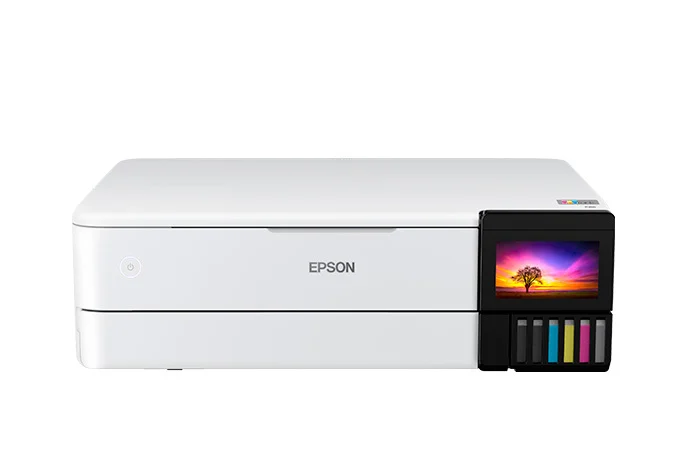
- Epson EcoTank Photo ET-8550 - Buy. The closest thing to a photo lab on your desk, with refillable tanks that make big, gorgeous prints feel almost free per sheet.
- Canon SELPHY CP1500 - Buy. The consensus best 4x6 snapshot printer: dye-sub prints that come out laminated, water-resistant, and built to outlive most albums.
- Fujifilm Instax Mini Link 3 - It depends. A pocket party machine that prints your phone photos onto real Instax film - charming keepsakes, but a costly way to print photos.
- Canon IVY 2 Mini Photo Printer - Skip. Pocketable and cheap, but ZINK zero-ink prints are the weakest photo output you can buy - washed-out now, faded later.
The verdict in 30 seconds
What mattered most
- Print technology
- Max print size
- Print quality (synthesized verdict)
- Durability of prints
- Running cost per print
- Connectivity
Printing photos at home splits into two very different worlds: serious dedicated photo printers that rival lab prints, and pocketable instant printers built for fun. We synthesized independent testing and thousands of owner reports across both camps to find what actually earns its desk space in 2026. The short version: one refillable-tank inkjet and one dye-sub compact are easy recommendations, one instant-film printer depends entirely on what you want from it, and one popular pocket printer is a genuine skip.
The closest thing to a photo lab on your desk, with refillable tanks that make big, gorgeous prints feel almost free per sheet.
Best for: Photography enthusiasts and family archivists who want gallery-worthy enlargements and lots of them
- Six-color refillable ink system delivers rich, smooth gradations that independent testing consistently ranks near the top for home photo printers
- Prints everything from 4x6 snapshots to borderless 13x19 enlargements, and handles documents too
- Per-print running costs are dramatically lower than cartridge printers or instant film once the bottles are in
- Significant upfront cost and a large footprint for a home device
- Overkill if you only ever print occasional 4x6 snapshots
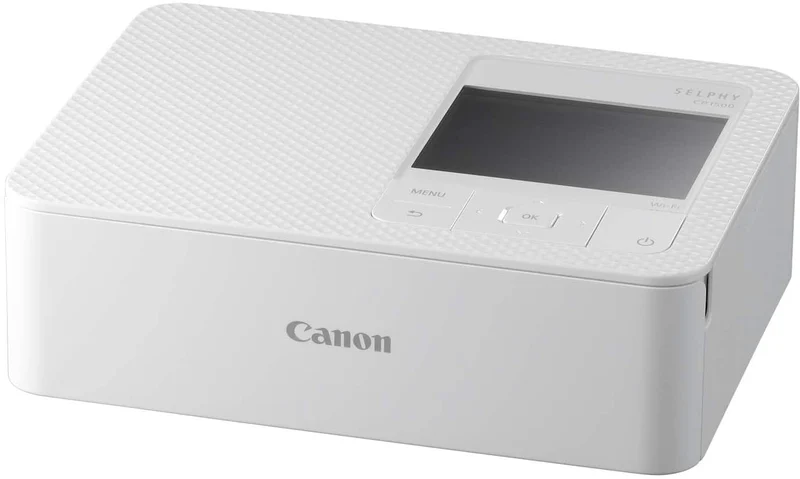
The consensus best 4x6 snapshot printer: dye-sub prints that come out laminated, water-resistant, and built to outlive most albums.
Best for: Anyone who mostly wants durable, true-color 4x6 prints of family photos without fuss
- Dye-sublimation prints get a protective overcoat, so owners report they shrug off fingerprints, splashes, and years in an album
- Fixed cost per print - every ink-and-paper pack yields exactly the number of photos on the box
- Compact and easy to use via Wi-Fi, app, SD card, or USB, with a clear built-in screen
- Maxes out at postcard size, so no enlargements
- Needs mains power out of the box - the battery is a separate add-on
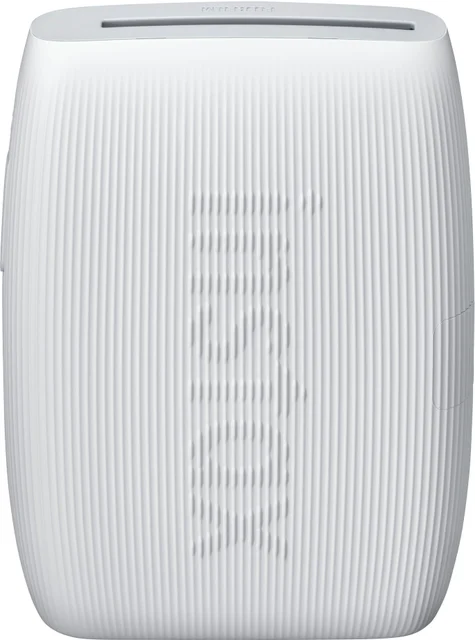
A pocket party machine that prints your phone photos onto real Instax film - charming keepsakes, but a costly way to print photos.
Best for: Party hosts, scrapbookers, and gift-givers who want the instant-film look without buying an instant camera
- Prints onto genuine Instax Mini instant film, with the soft, dreamy look owners love for scrapbooks and gifts
- Truly portable with a built-in battery, and the app's collage, AR, and frame features make it a hit at gatherings
- Turns existing phone photos into instant-film keepsakes - something no inkjet or dye-sub can replicate
- Film is the most expensive per shot of anything here, and prints are credit-card sized
- The instant-film aesthetic means muted color accuracy - reviewers note it is a vibe, not a faithful photo print
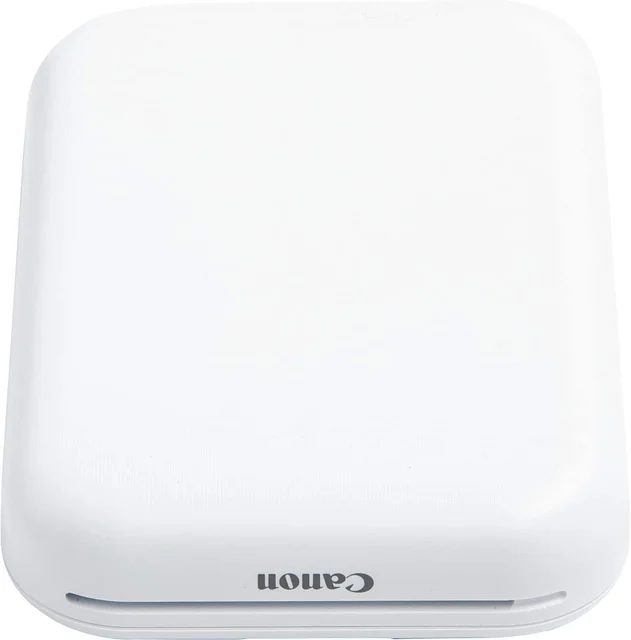
Pocketable and cheap, but ZINK zero-ink prints are the weakest photo output you can buy - washed-out now, faded later.
Best for: Few people - sticker fans on a strict budget; almost everyone else is better served by the SELPHY or an Instax
- Genuinely tiny and light, with a rechargeable battery and simple Bluetooth printing
- Sticky-backed 2x3 prints are fun for stickers, labels, and journals
- Independent testing of ZINK printers consistently finds soft detail, washed-out or skewed colors, and visible banding
- Owner reports note ZINK prints can fade and shift color over time - the worst longevity of any technology here
- Per-print paper cost is not much cheaper than a dye-sub 4x6 that looks far better
| Criteria | Epson EcoTank Photo ET-8550 Top pick Buy it Buy | Canon SELPHY CP1500 Buy it Buy | Fujifilm Instax Mini Link 3 It depends Buy | Canon IVY 2 Mini Photo Printer Skip it Buy |
|---|---|---|---|---|
| Best for | Photography enthusiasts and family archivists who want gallery-worthy enlargements and lots of them | Anyone who mostly wants durable, true-color 4x6 prints of family photos without fuss | Party hosts, scrapbookers, and gift-givers who want the instant-film look without buying an instant camera | Few people - sticker fans on a strict budget; almost everyone else is better served by the SELPHY or an Instax |
| Price tier | $$$ · premium | $$ · mid-range | $ · budget | $ · budget |
| Print technology | 6-color refillable inkjet | Dye-sublimation with overcoat | Instax instant film | ZINK zero-ink thermal |
| Max print size | Borderless 13x19 | 4x6 postcard | Credit-card Instax Mini film | 2x3 sticky-backed |
| Print quality (synthesized verdict) | Outstanding, near lab-grade | Excellent for 4x6 | Charming but soft film look | Weak - washed-out, banding |
| Durability of prints | Excellent on quality photo paper | Excellent - laminated, water-resistant | Good if kept out of direct sun | Poor - fading reported by owners |
| Running cost per print | Very low with ink bottles | Low and fixed per pack | High - priciest per shot here | Moderate for the quality you get |
| Connectivity | Wi-Fi, USB, SD card, Ethernet | Wi-Fi, app, USB, SD card | Bluetooth app only | Bluetooth app only |
| Also prints documents | Yes | No | No | No |
| Price tier | $$$ · premium | $$ · mid-range | $ · budget | $ · budget |
Which one is right for you?
- Photography enthusiasts and family archivists who want gallery-worthy enlargements and lots of them Buy it Epson EcoTank Photo ET-8550
- Anyone who mostly wants durable, true-color 4x6 prints of family photos without fuss Buy it Canon SELPHY CP1500
- Party hosts, scrapbookers, and gift-givers who want the instant-film look without buying an instant camera It depends Fujifilm Instax Mini Link 3
- Few people - sticker fans on a strict budget; almost everyone else is better served by the SELPHY or an Instax Skip it Canon IVY 2 Mini Photo Printer
How we judged the field
We don’t run a lab. Instead, we synthesized independent testing of print quality, speed, and running costs with large volumes of owner reports - the people living with these printers months and years in. Four criteria mattered most: how good the prints actually look, what each print costs over time, how long prints last in albums and on fridges, and how painless the printing experience is from a phone or computer. We limited the field to dedicated photo and instant photo printers you can readily buy in 2026 - general home printers, laser printers, and instant cameras get their own guides.
Epson EcoTank Photo ET-8550
Buy itThe ET-8550 has spent years at or near the top of independent photo-printer rankings. Its six-color Claria ET Premium ink system, which adds a photo black and a gray to the usual four, produces prints reviewers describe as vivid with deep blacks and remarkably smooth tonal transitions, from 4x6 snapshots all the way to borderless 13x19 enlargements. The refillable tank design is the economic story: after the upfront outlay, per-photo costs drop to a fraction of cartridge printing, and owners printing in volume say the bottles seem to last forever. It scans and prints documents perfectly well, too, so it can be the only printer in the house. The honest caveats: it’s a substantial machine, the upfront cost is real, and if you print a handful of 4x6s a year, this much printer is wasted on you. For everyone who prints often or big, it’s the definitive choice.
Canon SELPHY CP1500
Buy itThe SELPHY CP1500 is the consensus pick for one specific job: durable, accurate 4x6 prints with zero drama. Its dye-sublimation process lays down color in passes and finishes with a clear protective laminate, so prints emerge dry, water-resistant, and fingerprint-proof - owner reports consistently praise how well they hold up in albums. Because ink and paper come as matched packs, cost per print is fixed and predictable - no half-empty cartridge anxiety. It’s compact, quick enough in practice, and flexible about sources: Wi-Fi, a polished app, SD cards, or USB. Its limits are honest ones: 4x6 postcard size is the ceiling, and the battery that makes it truly portable is sold separately. If snapshots are your whole use case, this is the better buy over the Epson.
Fujifilm Instax Mini Link 3
It dependsThe Mini Link 3 prints photos from your phone onto genuine Instax Mini film, and that sentence tells you whether you want it. The output is real instant film - soft, warm, slightly dreamy - which owners adore for guest books, scrapbooks, lockers, and gifts, and which nobody should mistake for accurate photo printing. The printer itself is genuinely pocketable with a built-in battery, and the app’s collage modes, frames, and AR effects make it a crowd-pleaser at parties. The reasons to hesitate are structural: Instax Mini film is the most expensive per-shot medium in this comparison, prints are credit-card sized, and connectivity is app-and-Bluetooth only. If you want the instant-film experience with the control of choosing your best shots, it’s a lovely buy. If you want photo prints in any conventional sense, put the money toward a SELPHY.
Canon IVY 2 Mini Photo Printer
Skip itThe IVY 2 is small, cheap, and easy to like on paper - which is exactly why it needs a clear-eyed verdict. It uses ZINK zero-ink paper, and independent testing of ZINK printers has been consistent for years: soft detail, washed-out or skewed color, and visible banding compared to every other technology here. Owner reports add the longevity problem - ZINK prints are prone to fading and color shift over time, making them the least archival option in this comparison. The sticky-backed 2x3 prints are genuinely fun as stickers, but per sheet the paper isn’t meaningfully cheaper than SELPHY dye-sub prints that look dramatically better, and the Instax Mini Link 3 delivers far more charm at the same tier. Unless removable sticker prints are your entire use case, your money is better spent on either.
Epson EcoTank Photo ET-8550 vs Canon SELPHY CP1500: which should you buy?
This comes down to ambition. The ET-8550 is the printer for people who think in enlargements: it covers everything from wallet prints to 13x19 wall art, produces the best image quality in this comparison, and rewards volume with the lowest per-print costs - but it costs several times as much upfront and occupies serious desk space. The SELPHY CP1500 is the printer for people who think in snapshots: it only makes postcard-size prints, but they’re laminated, water-resistant, and effectively immune to the smudging and fading that plague cheaper prints, at a fixed cost per photo that never surprises you. Print often, print big, or want one machine for photos and documents? Epson. Print family 4x6s for albums, frames, and grandparents? The SELPHY does that job with less money, less space, and zero learning curve.
What to look for
- Match the technology to the job: refillable-tank inkjet for quality and volume, dye-sub for durable snapshots, instant film for keepsakes - and be wary of ZINK if image quality matters at all.
- Price the prints, not the printer: a cheap printer with expensive media costs more within a year of regular use than a pricier printer with cheap refills.
- Check the max print size you’ll actually use: paying for 13x19 capability makes no sense if you never print past 4x6 - and vice versa.
- Look at print longevity: laminated dye-sub and pigment-friendly inkjet papers survive albums and sunlight far better than ZINK output.
- Consider connectivity: app-only Bluetooth printers are fine for phones, but Wi-Fi, SD, and USB matter if you shoot on a real camera or print from a computer.
Our final take
Home photo printing in 2026 rewards picking your lane. The Epson EcoTank Photo ET-8550 is the definitive all-in for people who love printed photographs - near-lab quality, every size that matters, and running costs that encourage you to print more, not less. The Canon SELPHY CP1500 is the smarter buy for the majority who just want great 4x6s that survive years of handling. The Fujifilm Instax Mini Link 3 earns its spot as a joy machine - buy it for the film-frame keepsakes, not for photo accuracy. And the Canon IVY 2, like the ZINK category it represents, is the one to skip: the only technology here where independent testing and owner reports agree the prints disappoint on day one and fade from there.
Questions, answered
What's the difference between a dedicated photo printer and a regular home printer?
Regular all-in-one printers are tuned for documents first and photos second, usually with four inks. Dedicated photo printers add extra ink colors (or use entirely different processes like dye-sublimation) for smoother gradients, better skin tones, and deeper blacks, and they support proper photo papers and sizes. If you already own a document printer, a dedicated photo printer is about making prints you would actually frame - we cover general home printers and laser printers in separate guides.
Dye-sublimation vs inkjet vs ZINK vs Instax - which prints last longest?
Dye-sublimation prints (like the SELPHY CP1500's) get a clear protective laminate as the final pass, so they resist water, fingerprints, and fading, and owner reports back long album life. Quality inkjet prints on good photo paper also last decades. Instax film holds up well if kept out of direct sunlight. ZINK is the weak link: independent testing and owner reports both flag color shift and fading over time.
Which type of photo printer is cheapest to run?
Per print, a refillable-tank inkjet like the ET-8550 is the cheapest by a wide margin once you've bought it - the bottles yield a huge number of photos. Dye-sub packs like the SELPHY's are a predictable, low fixed cost per print since ink and paper come matched. ZINK paper sits in the middle but delivers the worst quality per sheet. Instax film is by far the most expensive per photo, which is fine for occasional keepsakes but painful for bulk printing.
Is printing photos at home cheaper than using a photo lab?
For 4x6 snapshots, home printing is about convenience and control more than savings - labs remain competitive per print. Home printing pulls ahead in two cases: high volume on a tank printer, where per-print costs drop very low, and enlargements, where a 13x19 from the ET-8550 costs far less than the equivalent lab print. Instant printers are a different economics entirely - you're paying a premium for the physical, in-the-moment format.
Do I need a photo printer if I already have an instant camera?
They solve different problems. An instant camera captures one unrepeatable frame on film; a printer like the Instax Mini Link 3 lets you pick the best shot from your phone, edit it, and print it on the same film - or reprint it as many times as you like. If you mostly shoot on your phone, a printer gives more keepers per pack of film. We compare instant cameras themselves in a separate guide.
Deciding between the top two? See our head-to-head: Epson EcoTank Photo ET-8550 vs Canon SELPHY CP1500.
More in Office & WFH
Photo Printers, Explained Plain-English guide → Epson EcoTank Photo ET-8550 vs Canon SELPHY CP1500 Head-to-head →  The Best 2027 Planners: 4 Compared (and One to Skip)
  The Best Ring Lights: 4 Compared (and One to Skip)
  The Best Sling Bags: 4 Compared (and One to Skip)
  The Best Space Heaters: 4 Compared (and One to Skip)