

Office & WFH
The Best Space Heaters: 4 Compared (and One to Skip)
We compared four current ceramic and radiant space heaters on warm-up speed, whole-room coverage, noise, safety, and portability for home offices and bedrooms.
The short version
For even, reliable whole-room heat that you set once and forget, the Vornado VH200 is our overall pick - quiet, simple, and warrantied for five years. If you'd rather have fast, quiet, precisely controlled heat aimed at your desk or bed, the Dreo Solaris Slim H3 wins on features. Choose the De'Longhi Dragon Digital oil-filled radiator only if silent, gentle, all-night warmth matters more than speed or portability. Skip the Lasko 751320: it's cheap and capable on paper, but too many owners report a burning-plastic smell and a cord that runs hot. Best for: most home offices and bedrooms, the Vornado VH200 (or the Dreo Solaris Slim H3 for targeted, feature-rich heat).
Our picks at a glance
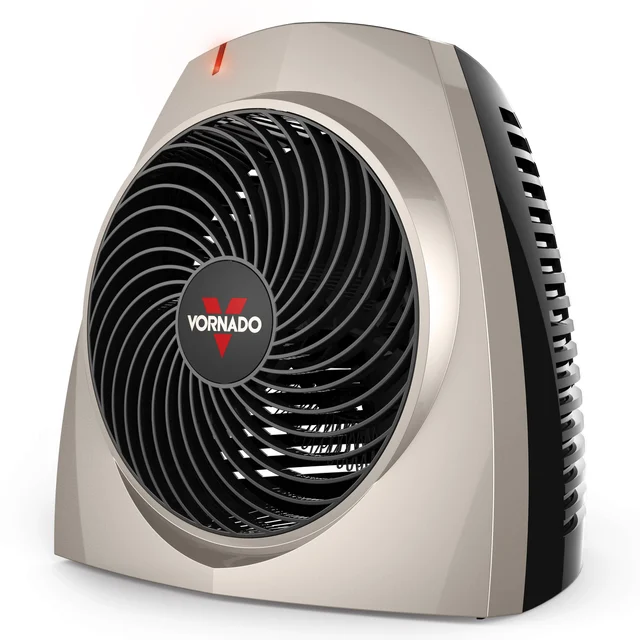
- Vornado VH200 Whole Room Vortex Heater - Buy. The most even, comfortable whole-room warmth of anything here, backed by an unusually long warranty.
- Dreo Solaris Slim H3 Oscillating Ceramic Heater - Buy. A quiet, feature-loaded ceramic tower that throws targeted heat fast and looks good doing it.
- De'Longhi Dragon Digital Oil-Filled Radiator TRD40615E - It depends. Silent, gentle radiant warmth, if you can live with its slow start and heft.
- Lasko 751320 Ceramic Tower Heater - Skip. A cheap, competent tower that too many owners report developing a burning-plastic smell and a hot cord.
The verdict in 30 seconds
What mattered most
- Heating style
- Room coverage
- Warm-up speed
- Noise
- Safety design
- Portability
A space heater lives or dies on three things: how fast it warms you, how evenly it heats the room, and how quiet and safe it is while doing it. We synthesized independent testing and owner reports across four 2026 models - two fan-driven ceramics, one whole-room vortex unit, and one silent oil-filled radiator. Two are easy recommendations, one is a great fit only for a specific job, and one is a pass.
The most even, comfortable whole-room warmth of anything here, backed by an unusually long warranty.
Best for: Anyone who wants set-and-forget, even heat for a home office or bedroom and values reliability over gadgets.
- Vortex circulation heats a whole room evenly instead of a single hot spot
- Quiet, steady output that owners keep running for years
- 5-year warranty, the longest here
- Compact and light enough to move room to room
- Mechanical dial, no digital readout, timer, or remote
- Better at maintaining warmth than blasting a cold room fast
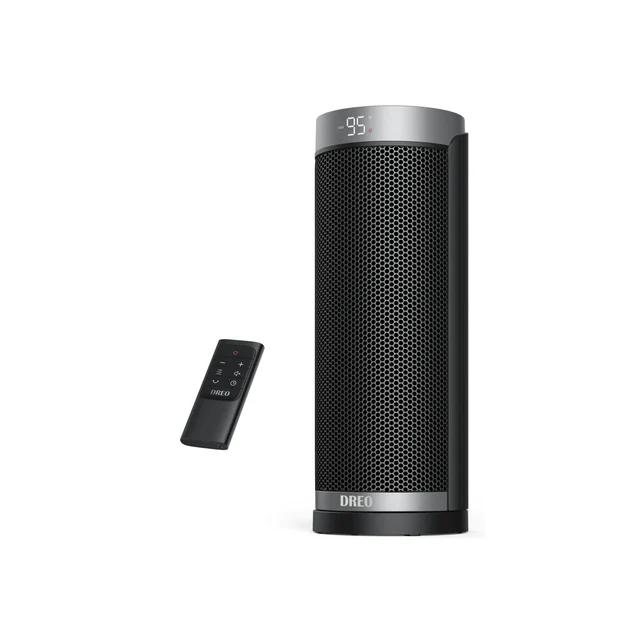
A quiet, feature-loaded ceramic tower that throws targeted heat fast and looks good doing it.
Best for: Desk workers and small bedrooms that want fast, quiet, well-controlled heat with modern conveniences.
- Fast PTC ceramic warm-up with 70-degree oscillation for spot coverage
- Among the quietest fan heaters reviewers measured
- Precise 1-degree thermostat, ECO mode, 12-hour timer, and remote
- Slim, light, and easy to tuck beside a desk
- Fan-forced heat cools quickly once it switches off
- Better for warming a person or zone than saturating a large room
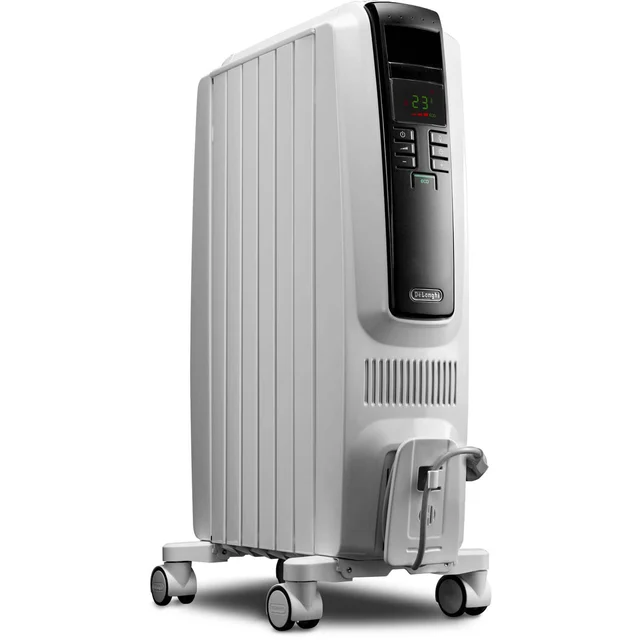
Silent, gentle radiant warmth, if you can live with its slow start and heft.
Best for: Bedrooms and quiet spaces where silent, gentle, all-night warmth matters more than instant heat or portability.
- Completely silent - no fan, ideal for light sleepers
- Large radiant surface spreads gentle heat instead of a single hot spot
- Holds warmth after cycling off and won't dry the air
- Digital control panel, 24-hour timer, ECO mode, and child lock
- Heavy and slow to bring a cold room up to temperature
- Priciest option here, and heats by convection rather than aiming warmth at you
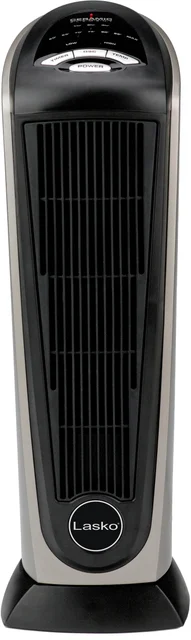
A cheap, competent tower that too many owners report developing a burning-plastic smell and a hot cord.
Best for: Bargain hunters who need occasional supplemental heat and will monitor the unit closely in use.
- Inexpensive and widely available
- Oscillates, with a thermostat, timer, and remote
- Tall footprint pushes warm air out over a wide arc
- Recurring owner reports of a strong burning-plastic odor and a cord that runs hot
- Louder than the ceramic and vortex picks
- Plasticky build
| Criteria | Vornado VH200 Whole Room Vortex Heater Top pick Buy it Buy | Dreo Solaris Slim H3 Oscillating Ceramic Heater Buy it Buy | De'Longhi Dragon Digital Oil-Filled Radiator TRD40615E It depends Buy | Lasko 751320 Ceramic Tower Heater Skip it Buy |
|---|---|---|---|---|
| Best for | Anyone who wants set-and-forget, even heat for a home office or bedroom and values reliability over gadgets. | Desk workers and small bedrooms that want fast, quiet, well-controlled heat with modern conveniences. | Bedrooms and quiet spaces where silent, gentle, all-night warmth matters more than instant heat or portability. | Bargain hunters who need occasional supplemental heat and will monitor the unit closely in use. |
| Price tier | $$ · mid-range | $$ · mid-range | $$$ · premium | $ · budget |
| Heating style | Fan-forced vortex circulation | Fan-forced PTC ceramic | Silent oil-filled radiant/convection | Fan-forced ceramic |
| Room coverage | Whole small-to-medium room, very even | Zone / person plus small room | Whole room, gradual and even | Medium room, wide oscillation |
| Warm-up speed | Fast, steady | Very fast | Slow | Fast |
| Noise | Low | Very low | Silent | Moderate |
| Safety design | Tip-over + overheat, cool-touch housing | Tip-over + overheat protection | Tip-over switch + thermal cut-off, child lock | Overheat protection, no tip-over switch listed; odor/hot-cord reports |
| Portability | Light, compact | Light, slim | Heavy, on casters | Light tower |
| Warranty | 5 years | 1 year | 2-3 years (maker page lists both) | 3 years |
| Price tier | $$ · mid-range | $$ · mid-range | $$$ · premium | $ · budget |
Which one is right for you?
- Anyone who wants set-and-forget, even heat for a home office or bedroom and values reliability over gadgets. Buy it Vornado VH200 Whole Room Vortex Heater
- Desk workers and small bedrooms that want fast, quiet, well-controlled heat with modern conveniences. Buy it Dreo Solaris Slim H3 Oscillating Ceramic Heater
- Bedrooms and quiet spaces where silent, gentle, all-night warmth matters more than instant heat or portability. It depends De'Longhi Dragon Digital Oil-Filled Radiator TRD40615E
- Bargain hunters who need occasional supplemental heat and will monitor the unit closely in use. Skip it Lasko 751320 Ceramic Tower Heater
How we judged the field
We don’t run our own heating lab. Instead, we synthesized independent testing and aggregated owner reports to see how these four heaters actually behave over a season of daily use. Four things mattered most. First, how you get warm: fan-forced ceramics warm you within seconds but cool off fast, while oil-filled radiators are silent and gentle but slow. Second, coverage - whether a unit truly circulates heat around a room or just warms the air in front of it. Third, noise, because most of these end up in bedrooms and home offices. And fourth, safety and build, including tip-over and overheat protection, surface temperature, cord behavior, and warranty length. We deliberately weighted recurring owner complaints heavily; a heater that tests well but that many owners report smelling or running hot is a different product in real homes.
Vornado VH200 Whole Room Vortex Heater
Buy itThe VH200 is the one most people should buy. Its signature vortex circulation pushes warm air in a continuous loop around the room, and independent testing and owner reports agree it produces the most even, comfortable whole-room warmth of anything here - no scorching hot spot in front and cold corners behind. It warms up quickly, runs quietly enough for a bedroom, and stays cool to the touch on the housing. It’s also compact and light. The trade-offs are deliberate simplicity: a mechanical thermostat dial with no digital display, timer, or remote. What tips it to a clear recommendation is the 5-year warranty, the longest of the four, which signals real confidence in longevity - echoed by owners who report years of trouble-free use.
Dreo Solaris Slim H3 Oscillating Ceramic Heater
Buy itIf you want the room warm now and like having controls, the Solaris Slim H3 is the pick. Its PTC ceramic element throws heat within seconds, and 70-degree oscillation spreads it across a desk or small bedroom. Reviewers consistently rate it among the quietest fan heaters they’ve measured, thanks to Dreo’s airflow-shaping design. You also get the things the Vornado leaves out: a precise 1-degree digital thermostat, an ECO mode, a 12-hour timer, and a remote. It’s slim, light, and looks the part in a modern office. As with any fan heater, the warmth dissipates soon after it cycles off, so it’s best understood as a fast zone heater rather than a whole-room solution.
De’Longhi Dragon Digital Oil-Filled Radiator TRD40615E
It dependsThis one is excellent at exactly one thing and mediocre at the rest, so it’s a conditional recommendation. The Dragon is completely silent - no fan - and delivers the gentle, even radiant warmth that oil-filled radiators are prized for, with a large radiant surface and heat that lingers after the unit cycles off. It won’t dry the air or stir up dust, and it has a digital control panel, a 24-hour timer, an ECO mode, and a child lock. But it is heavy, it’s slow to bring a cold room up to temperature, and it’s the most expensive option here. If silent, all-night bedroom warmth is your priority, it’s worth it. If you want speed or plan to carry it around, look elsewhere.
Lasko 751320 Ceramic Tower Heater
Skip itOn paper the 751320 is a lot of heater for the money: a tall oscillating ceramic tower with a thermostat, timer, and remote at a budget price. The problem is what shows up in owner reports. A recurring theme is a strong burning-plastic or chemical smell in use, and more worryingly, multiple owners describe the cord and plug running hot - the kind of complaint you can’t ignore in an appliance that runs unattended for hours. It’s also louder than our ceramic and vortex picks, and its maker page lists overheat protection but no tip-over switch. Plenty of units work fine, but when similarly priced and better-warrantied alternatives exist without that pattern of feedback, there’s no reason to take the chance.
Vornado VH200 vs Dreo Solaris Slim H3: which should you buy?
These are the two heaters most readers will choose between, and the decision comes down to how you want to be warm. The Vornado VH200 is a whole-room heater: its vortex circulation warms the entire space evenly, so it’s the better choice if you want to set a temperature and have the whole office or bedroom feel comfortable, corner to corner. It’s dead simple, quiet, and the 5-year warranty makes it the safer long-term buy. The Dreo Solaris Slim H3 is a zone heater with brains: it warms you and your immediate area faster, oscillates to widen that zone, and gives you a digital thermostat, ECO mode, timer, and remote for fine control - and it’s slightly quieter still. Choose the Vornado for even, low-fuss, whole-room warmth and maximum reliability. Choose the Dreo if you sit in one spot, want fast heat on demand, and like precise controls.
What to look for
- Match the heat type to the job. Ceramic fan heaters for fast, targeted warmth and portability; oil-filled radiators for silent, gentle, longer-lasting room heat.
- Safety mechanisms are non-negotiable. Insist on both tip-over protection and overheat shut-off, and favor cool-touch designs around kids and pets.
- Noise matters more than you think in a bedroom or on video calls - the quietest options here are the oil-filled De’Longhi and the ceramic Dreo.
- Look at the warranty. A longer warranty (the Vornado’s 5 years stands out) is a real signal of expected durability.
- Weigh the controls you’ll actually use. A digital thermostat and timer help efficiency; a remote is a genuine convenience for a heater across the room.
- Take owner feedback about smells and hot cords seriously - it’s the clearest early warning of a unit to avoid.
Our final take
For most people warming a home office or bedroom, the Vornado VH200 is the heater to buy: even whole-room warmth, quiet operation, and a 5-year warranty that outlasts the field. If you’d rather aim fast, precisely controlled heat at your desk or bed, the Dreo Solaris Slim H3 is the smarter fit and nearly as quiet. Reserve the De’Longhi Dragon Digital for the specific case where silent, gentle, all-night radiant warmth beats speed and portability. And skip the Lasko 751320 - it’s cheap and capable on paper, but the pattern of burning-smell and hot-cord reports isn’t worth the savings when better options cost only a little more.
Questions, answered
Ceramic or oil-filled radiant - which should I get?
Ceramic fan heaters (the Vornado, Dreo, and Lasko here) warm you quickly and are light and portable, but the heat fades fast once they cycle off and they make some fan noise. Oil-filled radiant radiators like the De'Longhi are silent and give gentle, longer-lasting warmth, but they're heavy and slow to heat a cold room. Pick ceramic for fast, targeted heat and portability; pick oil-filled for quiet, steady bedroom warmth.
Are these space heaters safe to leave running?
All four list overheat protection that shuts the unit off if internal temperatures climb, and the Vornado, Dreo, and De'Longhi also list a tip-over switch that cuts power if the unit falls; the Lasko 751320's maker page does not list one. Regardless of model, keep at least three feet of clearance on all sides, plug the heater directly into a wall outlet (never a power strip or extension cord), place it on a hard, level surface, and don't leave any heater unattended while you sleep or leave home. If a unit ever smells like burning plastic or the cord or plug feels hot, unplug it and stop using it. This is general product information, not a substitute for the manufacturer's safety instructions.
Will one of these heat my whole room?
The Vornado VH200 is designed for whole-room circulation and does the best job of evenly warming a small-to-medium room. The De'Longhi radiator also warms a full room but slowly and by gentle convection. The Dreo and Lasko are better thought of as zone heaters that warm you and the immediate area rather than saturating a large space. None of these are meant to be a primary furnace for a large or drafty room.
Which is the quietest for a bedroom?
The De'Longhi Dragon Digital is silent because it has no fan, making it the top choice for the lightest sleepers. Among the fan heaters, the Dreo Solaris Slim H3 is the quietest by a clear margin, with the Vornado close behind. The Lasko is the loudest of the group.
Do space heaters use a lot of electricity?
Each of these draws up to 1500 watts on high, which is the standard maximum for a plug-in heater, so running costs are similar across all four. To use less, run the lower heat setting or ECO mode, rely on the thermostat so the heater cycles off once the room is warm, and heat only the room you're in rather than the whole home. The Dreo and De'Longhi both have ECO modes that modulate power to trim consumption.
Deciding between the top two? See our head-to-head: Vornado VH200 Whole Room Vortex Heater vs Dreo Solaris Slim H3 Oscillating Ceramic Heater.
More in Office & WFH
Space Heaters, Explained Plain-English guide → Vornado VH200 Whole Room Vortex Heater vs Dreo Solaris Slim H3 Oscillating Ceramic Heater Head-to-head →  The Best Standing Desk Converters: 4 Compared (and One to Skip)
  The Best Trackball Mice: 4 Compared (and One to Skip)
  The Best Under-Desk Ellipticals: 4 Compared (and One to Skip)
  The Best Under-Desk Footrests: 4 Compared (and One to Skip)