

Health & Wellness
The Best OTC Hearing Aids: 4 Compared (and One to Skip)
We compared four buyable 2026 OTC hearing aids on fit, speech-in-noise, streaming, battery, and support for adults with perceived mild-to-moderate loss.
The short version
For most adults with perceived mild-to-moderate hearing loss, the Jabra Enhance Select M3 is the best over-the-counter pick: Auto Focus speech tracking, full Bluetooth streaming, an IP68 rating and 3 years of audiology services from a licensed team. The ELEHEAR Beyond is the smart-value alternative, keeping streaming and adjustable noise reduction for far less. Choose the Sony CRE-C20 only if near-invisibility matters more than streaming, since it has no Bluetooth. We would skip the Audien Atom Pro 2: it is comfortable and cheap, but its basic noise handling and lack of app-based tuning make a step up worthwhile. Best for: adults 18+ who want a self-service path to better hearing and are matching the device to how and where they actually listen.
Our picks at a glance
- Jabra Enhance Select M3 - Buy. The closest an OTC device gets to the clinic experience, with 3 years of audiology services built in.
- ELEHEAR Beyond - Buy. Surprisingly capable tech at a fraction of the flagship price.
- Sony CRE-C20 - It depends. Nearly invisible and long-lasting, but you give up Bluetooth to get there.
- Audien Atom Pro 2 - Skip. Cheap and comfortable, but too basic to recommend over stronger value picks.
The verdict in 30 seconds
What mattered most
- Fitting method
- Speech in noise
- Bluetooth streaming
- Form factor / discretion
- Battery per charge
- Water/dust resistance
Over-the-counter hearing aids have gotten genuinely good, but the gap between the best and the worst is wide. We synthesized maker specifications and owner reports across four current, buyable-in-2026 devices for adults with perceived mild-to-moderate hearing loss. Two are easy recommendations, one is a discretion-first pick that only suits certain buyers, and one is a budget device we think most people should pass on.
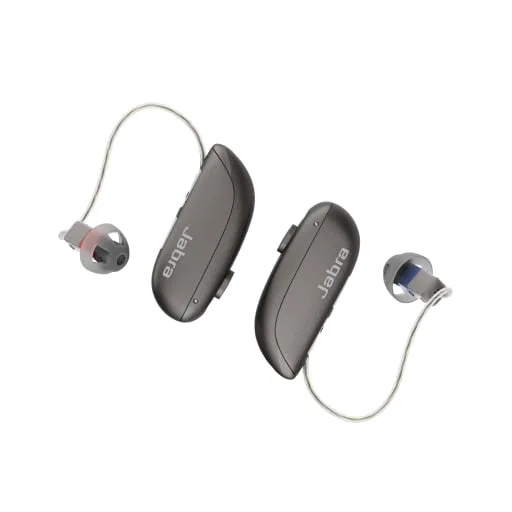
The closest an OTC device gets to the clinic experience, with 3 years of audiology services built in.
Best for: Buyers who want the best all-round performance and the reassurance of professional support after purchase.
- FDA-cleared self-fitting OTC aid, which Jabra Enhance positions as its best for speech clarity in noise, with Auto Focus speech tracking
- Purchase includes 3 years of audiology services, with a licensed Audiology Team adjusting settings over video appointments
- Bluetooth streaming and hands-free calls on iOS and Android, plus TapControl and Bluetooth LE Audio and Auracast
- Rated IP68, stated at 1.03 inches long and 2.12 grams, with a 3-year warranty and a 100-day trial
- Among the most expensive OTC options, closer to entry prescription pricing
- A receiver-in-ear design, so less discreet than the deepest in-canal devices
Own the Jabra Enhance Select M3? Tell us how it held up.
Thanks. Counted, and shown once enough owners have weighed in.
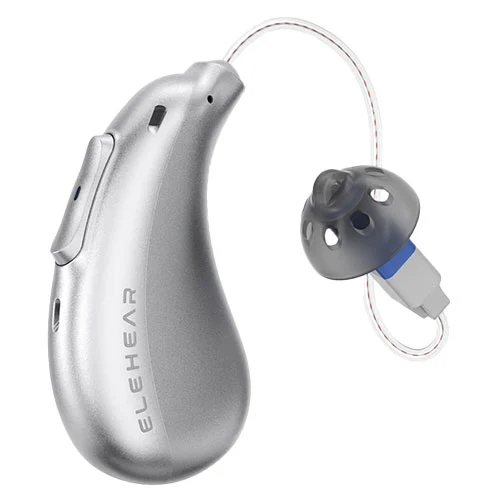
Surprisingly capable tech at a fraction of the flagship price.
Best for: Value-focused first-time buyers who still want streaming and adjustable noise handling.
- AI noise reduction and multiple listening modes at a mid-range price
- Always-on Bluetooth streaming for calls and music on iPhone and Android
- App-guided self-fitting that owners describe as easy to set up
- Strong value versus premium online-care models
- Self-fit tuning is less precise than professionally supported devices
- The quoted 20-hour runtime is a best case, so expect less with heavy streaming
Own the ELEHEAR Beyond? Tell us how it held up.
Thanks. Counted, and shown once enough owners have weighed in.
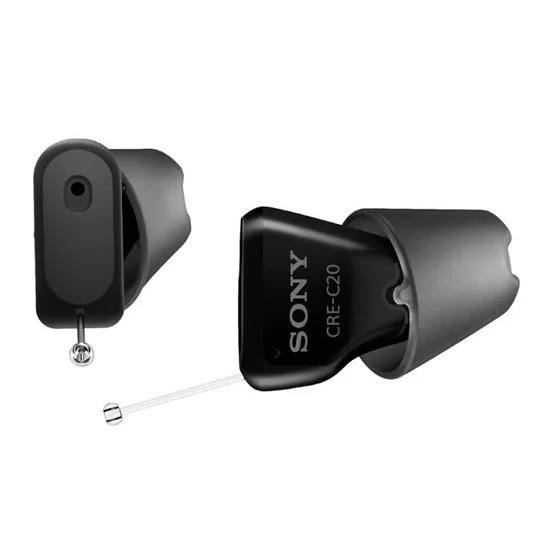
Nearly invisible and long-lasting, but you give up Bluetooth to get there.
Best for: People whose top priority is invisibility and who do not need streaming.
- One of the most discreet OTC designs, sitting deep in the canal and virtually invisible
- Owners report a long single-charge runtime that eases travel and long days
- App-based self-fitting with presets drawn from many real-world hearing profiles
- Owners report it is easy to forget once in the ear
- No Bluetooth audio or call streaming, a dealbreaker for phone-heavy users
- In-canal fit and controls can be fiddly for some owners
Amazon had no buyable listing for this when we last checked. The link still works if it returns.
Find it on Amazon Read our detailed assessmentOwn the Sony CRE-C20? Tell us how it held up.
Thanks. Counted, and shown once enough owners have weighed in.
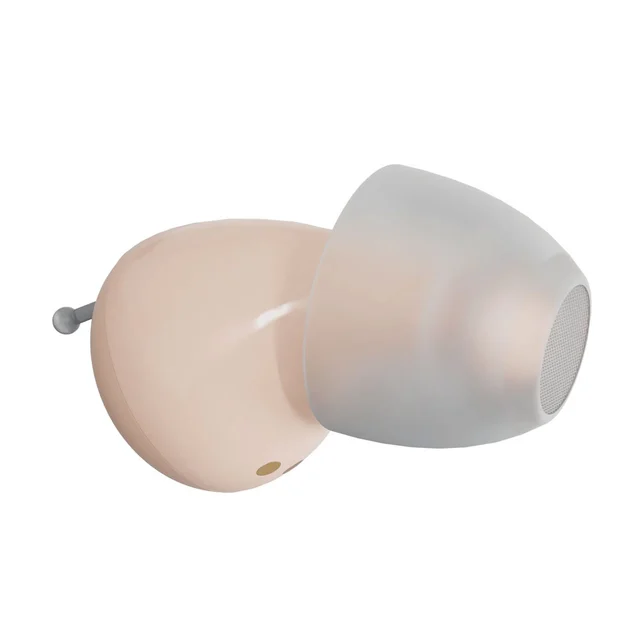
Cheap and comfortable, but too basic to recommend over stronger value picks.
Best for: Quiet-home users on the tightest budget who understand its limits, though we suggest spending a little more.
- Very low entry price and a generous trial window
- Comfortable, tiny design that owners say they forget they are wearing
- Effective feedback control, so minimal whistling in daily wear
- Its noise handling is basic compared with the stronger picks here
- Preset-based, with no app-based fitting described by the maker
- No Bluetooth streaming mentioned and no published IP rating for water or dust
Own the Audien Atom Pro 2? Tell us how it held up.
Thanks. Counted, and shown once enough owners have weighed in.
| Criteria | Jabra Enhance Select M3 Top pick Buy it Buy | ELEHEAR Beyond Buy it Buy | Sony CRE-C20 It depends | Audien Atom Pro 2 Skip it Buy |
|---|---|---|---|---|
| Best for | Buyers who want the best all-round performance and the reassurance of professional support after purchase. | Value-focused first-time buyers who still want streaming and adjustable noise handling. | People whose top priority is invisibility and who do not need streaming. | Quiet-home users on the tightest budget who understand its limits, though we suggest spending a little more. |
| Price tier | $$$$ · flagship | $$ · mid-range | $$$ · premium | $ · budget |
| Fitting method | Self-fit app + 3 years of remote audiology | App self-fit (AI-assisted) | App self-fit (preset-based) | Preset-based, four listening modes |
| Speech in noise | Strong, with Auto Focus speech tracking | Good for the price | Fair | Basic |
| Bluetooth streaming | Yes (iOS + Android) | Yes (iOS + Android) | No streaming | No streaming |
| Form factor / discretion | Receiver-in-ear, 1.03 in, 2.12 g | Small, lightweight | In-canal, nearly invisible | Tiny in-canal |
| Battery per charge | All-day; case adds up to 96h | Up to 20h per charge | Not verified | Not published |
| Water/dust resistance | IP68 | Not published | Not verified | No published rating |
| Post-purchase support | 3 years of audiology services | App + free remote audiologist consultation | App + brand support | Complimentary 30-minute Sound Check |
| Price tier | $$$$ · flagship | $$ · mid-range | $$$ · premium | $ · budget |
Which one is right for you?
- Buyers who want the best all-round performance and the reassurance of professional support after purchase. Buy it Jabra Enhance Select M3
- Value-focused first-time buyers who still want streaming and adjustable noise handling. Buy it ELEHEAR Beyond
- People whose top priority is invisibility and who do not need streaming. It depends Sony CRE-C20
- Quiet-home users on the tightest budget who understand its limits, though we suggest spending a little more. Skip it Audien Atom Pro 2
How we judged the field
We do not run our own audiology lab. Instead, we synthesize maker specifications and owner reports into a single practical verdict. For OTC hearing aids aimed at adults with perceived mild-to-moderate hearing loss, a few things mattered most: how clearly the device handles speech in background noise, how it is fitted (a real self-fit hearing check versus fixed presets), whether it streams calls and media over Bluetooth, battery life, discretion, durability, and the quality of support after you buy. We also weighted honest value, because in this category the cheapest option is often a false economy. Note that this is general product information, not medical advice.
Jabra Enhance Select M3
Buy itThis is the device we would point most people to first. It is the top model in Jabra Enhance’s current M series, and the maker classes it as an FDA-cleared, self-fitting OTC hearing aid. Jabra Enhance positions it as its best for speech clarity in noise, with Auto Focus speech tracking, and speech in noise is exactly where cheaper devices tend to fall apart. It streams calls and media over Bluetooth on iOS and Android, adds TapControl and Bluetooth LE Audio and Auracast, is rated IP68, and is stated at 1.03 inches long and 2.12 grams. The feature that really separates it, though, is support: the purchase includes 3 years of audiology services, with a licensed Audiology Team adjusting your settings over video, so you are not left alone with a self-fit app. Jabra Enhance also lists a 3-year warranty and a 100-day trial when bought direct. The trade-off is price, which sits at the top of the OTC range, closer to entry-level prescription devices.
ELEHEAR Beyond
Buy itThe ELEHEAR Beyond is the value story of this group. It packs surprisingly advanced tech for the money, including app-based self-fitting, adjustable noise reduction with multiple listening modes, and always-on Bluetooth streaming. Owners describe setup as straightforward. It is not as precisely tuned as a professionally supported device, and heavy streaming eats into battery life, but for a first-time buyer who still wants modern features, it delivers most of the experience for a fraction of the flagship price.
Sony CRE-C20
It dependsThe Sony CRE-C20 is built around one idea: near-invisibility. It sits deep in the canal, owners report a long single-charge runtime, and its self-fitting app draws presets from a library of real-world hearing profiles. The catch is a big one for some buyers: there is no Bluetooth streaming at all. If you take a lot of calls or listen to media through your ears, that is a dealbreaker. If discretion is your single highest priority and streaming is not, it earns its place.
Audien Atom Pro 2
Skip itThe Audien Atom Pro 2 is comfortable, tiny, and very cheap, and it controls feedback well so there is little whistling. But its noise handling is basic, and the maker describes four preset listening modes rather than an app-based fitting to match your specific loss. There is no Bluetooth mentioned and no published IP rating. None of that is disqualifying at the price, but a modest step up to something like the ELEHEAR Beyond buys real personalization and streaming, which is why we would skip it for most people.
Sources
Specs in this review come from these pages.
Jabra Enhance Select M3 vs ELEHEAR Beyond: which should you buy?
These two are our top recommendations, and the decision comes down to budget and support. Both stream over Bluetooth and both are aimed squarely at mild-to-moderate loss. The Jabra Enhance Select M3 includes remote adjustments from hearing professionals, so it behaves more like guided care than a DIY gadget. The ELEHEAR Beyond gives up that hands-on support and some fine-tuning precision, but it costs dramatically less while keeping streaming and adjustable noise reduction. Buy the Jabra if you want the best result and value professional follow-up; buy the ELEHEAR if you want strong everyday performance without the flagship price.
What to look for
- Match the device to your loss: OTC aids are for adults 18+ with perceived mild-to-moderate loss; get a professional evaluation if you are unsure.
- Fitting method: a real app-based hearing check (or professional support) personalizes sound far better than fixed presets.
- Speech in noise: this is where budget devices struggle most; prioritize it if you are often in restaurants or groups.
- Streaming: decide up front whether you need Bluetooth calls and media, because some discreet models omit it entirely.
- Battery and charging: rechargeable models simplify life, but check real-world runtime, especially if you stream a lot.
- Durability and trial: look for an IP rating and always confirm the return window and warranty before buying.
Our final take
OTC hearing aids are now a legitimate path to better hearing for many adults, but the range in quality is real. The Jabra Enhance Select M3 is our top pick because it combines strong performance with professional support you usually only get from prescription channels. The ELEHEAR Beyond is the value choice that most people will be happy with. The Sony CRE-C20 is a specialist pick for discretion-first buyers who can live without streaming, and the Audien Atom Pro 2 is the one we would pass on. Whichever you choose, remember this is general product information, not medical advice: if your hearing needs are unclear or more than mild-to-moderate, start with a hearing professional or audiologist.
Questions, answered
Are OTC hearing aids right for my hearing loss?
This is general product information, not medical advice. OTC hearing aids are FDA-regulated for adults 18 and older with perceived mild-to-moderate hearing loss. If you are unsure of your level of loss, or you have ear pain, drainage, sudden or one-sided loss, or ringing, see a hearing professional or audiologist for an evaluation. OTC devices are not intended for children or for severe hearing loss, which should be handled by a professional.
What is the difference between self-fitting and preset OTC hearing aids?
Self-fitting devices use an app-based hearing check to shape amplification to your profile, and some, like the Jabra Enhance Select M3, add remote adjustments from hearing professionals. Preset devices such as the Audien Atom Pro 2 rely on fixed programs, which is simpler but generally a coarser match to your hearing.
Do I need Bluetooth streaming in a hearing aid?
It depends on how you listen. If you take a lot of calls or stream media, a Bluetooth model like the Jabra Enhance Select M3 or ELEHEAR Beyond is worth prioritizing. If you mainly want help hearing conversation and value invisibility, a non-streaming in-canal device like the Sony CRE-C20 can still be a good fit.
How much should I expect to spend on a decent OTC hearing aid?
Prices span a wide range. Budget models sit at the low end, capable mid-range options like the ELEHEAR Beyond in the middle, and premium or professionally supported devices like the Sony CRE-C20 and Jabra Enhance Select M3 at the top. In this category, spending a little more usually buys meaningfully better performance in noise and better support, so the cheapest option is rarely the best value.
Can I try OTC hearing aids risk-free?
Most reputable OTC brands offer a trial period and a return window, and owners frequently mention using it. Always confirm the current trial length, return policy, and warranty with the retailer before buying, since terms vary by brand and seller.
Deciding between the top two? See our head-to-head: Jabra Enhance Select M3 vs ELEHEAR Beyond.
More in Health & Wellness
OTC Hearing Aids, Explained Plain-English guide → Jabra Enhance Select M3 vs ELEHEAR Beyond Head-to-head →  The Best Pill Organizers: 4 Compared (and One to Skip)
  The Best Bed Pillows: 4 Compared (and One to Skip)
  The Best Posture Correctors: 4 Compared (and One to Skip)
  The Best Pulse Oximeters: 4 Compared (and One to Skip)