

Home & Kitchen
The Best Knife Sharpeners: 4 Compared (and One to Skip)
We compared two electric sharpeners, a Japanese whetstone, and a rolling sharpener on edge quality, ease of use, and metal removal.
The short version
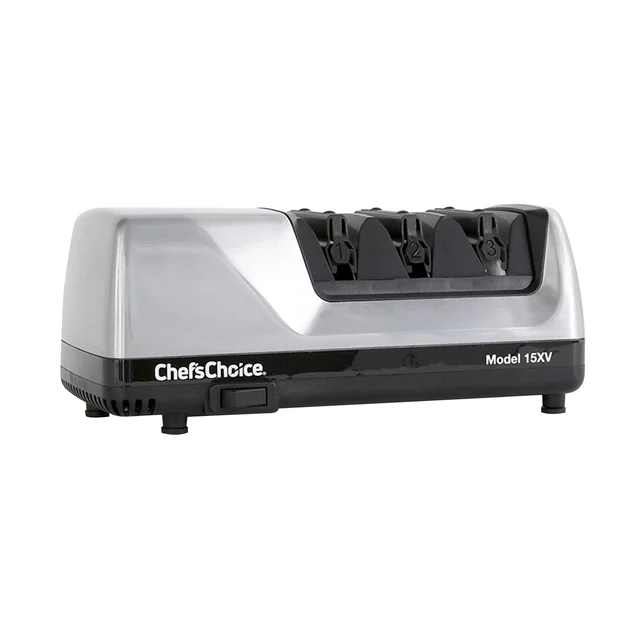
The Chef'sChoice Trizor XV is the easiest path to a reliably sharp edge and the best pick for busy kitchens, converting dull factory edges to a keener 15-degree bevel in about a minute. The Tojiro 1000/3000 whetstone costs a fraction as much and delivers the finest, longest-lasting edge while barely touching the steel, provided you invest time in technique. The Work Sharp Culinary E5 is a strong but pricey electric alternative that suits hands-on cooks who want speed with some control. The Horl 2 is well made and beginner-friendly, but it costs more than the electrics while doing little a cheap stone cannot. Best for: most people, the Chef'sChoice Trizor XV; for enthusiasts and anyone with quality knives, the Tojiro whetstone.
Our picks at a glance
- Chef'sChoice Trizor XV (Model 15XV) - Buy. The most foolproof way to get a consistently sharp, durable edge in about a minute.
- Work Sharp Culinary E5 - It depends. Fast, flexible belt sharpening that follows the blade, but it rewards a steady hand and asks a premium price.
- Tojiro Combination Whetstone #1000/#3000 - Buy. The best edge quality for the money, if you are willing to learn to use it.
- Horl 2 Rolling Knife Sharpener - Skip. Beautiful, beginner-friendly, and wildly overpriced for what it actually does.
The verdict in 30 seconds
What mattered most
- Sharpening method
- Ease of use
- Angle control
- Edge quality potential
- Metal removed
- Best knife types
A dull knife is more dangerous and more frustrating than a sharp one, but the right way to fix it depends on how much control you want and how much you enjoy the process. We synthesized independent testing and owner reports across four current 2026 options: two push-button electric sharpeners, a classic Japanese waterstone, and a design-forward rolling sharpener. Two earn a clear buy, one is a genuine it-depends, and one is hard to justify for most kitchens.
The most foolproof way to get a consistently sharp, durable edge in about a minute.
Best for: Busy households that want reliably sharp knives without learning a technique.
- Three-stage diamond system delivers a repeatable edge with almost no skill required
- Spring guides hold the angle from heel to tip, so results are consistent pass to pass
- Converts thicker factory edges to a keener 15-degree edge that owners report cuts noticeably better
- Handles both Western and many Japanese-style blades
- Motorized abrasives remove more metal than a stone, shortening blade life over many years
- Bulky on the counter and not silent in use
- Fixed angle offers no control for enthusiasts who want a custom bevel
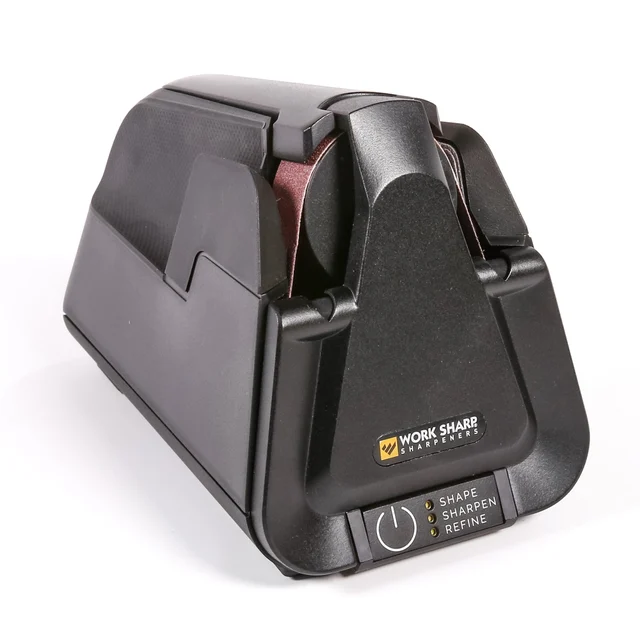
Fast, flexible belt sharpening that follows the blade, but it rewards a steady hand and asks a premium price.
Best for: Hands-on cooks who want electric speed but still care about controlling the finish.
- Flexible abrasive belts conform to the edge and produce a keen finish in under 90 seconds
- Three modes let you shape, sharpen, or hone depending on how dull the knife is
- Optional guides add 15- and 20-degree angle control for both East and West edges
- Built-in debris management keeps the counter clean
- Belt system is more aggressive and less forgiving than a stone if you rush a pass
- Consumable belts add ongoing cost over the years
- Priced at the top of the electric bracket without the angle precision of a manual system
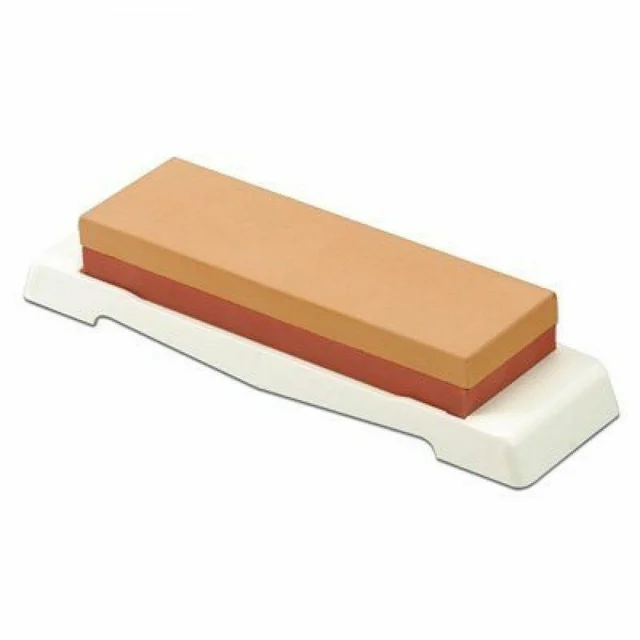
The best edge quality for the money, if you are willing to learn to use it.
Best for: Anyone who owns good knives and enjoys the craft of maintaining them.
- Produces the keenest, longest-lasting edge of anything here in skilled hands
- 1000-grit side reprofiles and sharpens; 3000-grit side refines and polishes
- Removes far less metal than powered systems, so knives last for decades
- Non-slip base is stable and safe, and the stone itself costs a fraction of the electrics
- Real learning curve; early results are worse than an electric until technique develops
- Requires soaking, occasional flattening, and a few minutes of patience per knife
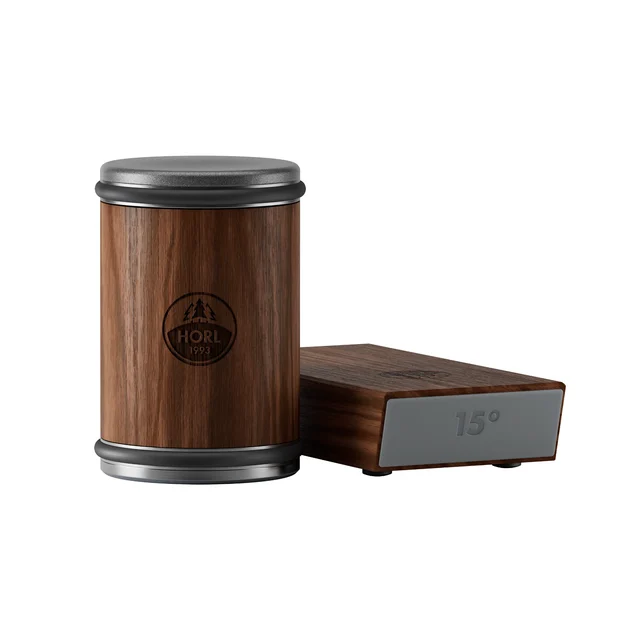
Beautiful, beginner-friendly, and wildly overpriced for what it actually does.
Best for: Buyers who value looks and simplicity over value and will not use a whetstone.
- Magnetic angle support makes it easy for beginners to hold a consistent 15- or 20-degree bevel
- Solid-wood build looks and feels premium on the counter
- Removes nicks and restores a sharp edge more effectively than pull-through sharpeners
- Costs more than the electrics while offering only two fixed angles and two discs
- Owners report it struggles with long blades that flex and narrow blades that ride too low on the magnet
- You pay a large premium mostly for design, not for a better edge than a cheap stone delivers
| Criteria | Chef'sChoice Trizor XV (Model 15XV) Top pick Buy it Buy | Work Sharp Culinary E5 It depends Buy | Tojiro Combination Whetstone #1000/#3000 Buy it Buy | Horl 2 Rolling Knife Sharpener Skip it Buy |
|---|---|---|---|---|
| Best for | Busy households that want reliably sharp knives without learning a technique. | Hands-on cooks who want electric speed but still care about controlling the finish. | Anyone who owns good knives and enjoys the craft of maintaining them. | Buyers who value looks and simplicity over value and will not use a whetstone. |
| Price tier | $$$ · premium | $$$ · premium | $ · budget | $$$$ · flagship |
| Sharpening method | Motorized 3-stage diamond abrasives | Motorized flexible abrasive belts | Manual double-sided waterstone | Manual magnet-guided rolling discs |
| Ease of use | Very easy, push-button | Easy, but rewards a steady pull | Steep learning curve | Easy for a manual tool |
| Angle control | Fixed 15-degree, guided | Guided 15/20-degree with kit | Fully manual, any angle | Fixed 15 or 20 degrees |
| Edge quality potential | Very good and consistent | Very good | Excellent in skilled hands | Good |
| Metal removed | Moderate to high | Moderate to high | Low | Low to moderate |
| Best knife types | Most Western and Japanese | Most Western and Japanese | Quality Japanese and Western | Standard-length blades |
| Upkeep | Minimal | Replaceable belts | Soak and flatten | Replaceable discs |
| Price tier | $$$ · premium | $$$ · premium | $ · budget | $$$$ · flagship |
Which one is right for you?
- Busy households that want reliably sharp knives without learning a technique. Buy it Chef'sChoice Trizor XV (Model 15XV)
- Anyone who owns good knives and enjoys the craft of maintaining them. Buy it Tojiro Combination Whetstone #1000/#3000
- Hands-on cooks who want electric speed but still care about controlling the finish. It depends Work Sharp Culinary E5
- Buyers who value looks and simplicity over value and will not use a whetstone. Skip it Horl 2 Rolling Knife Sharpener
How we judged the field
We do not run our own sharpening lab. Instead we synthesized independent testing, expert write-ups, and aggregated owner reports for each tool, then weighed them against the criteria that actually matter in a home kitchen. The biggest ones were edge quality and consistency (how sharp the result is, and whether you can repeat it), ease of use (how much skill and patience it demands), and how much metal the tool removes, since aggressive sharpening shortens a knife’s life. We also looked at angle control, the range of knives each tool handles, upkeep, and whether the price is justified by the result. The field spans two philosophies: push-button electrics that trade some metal and control for speed, and manual tools that reward technique with a finer, longer-lasting edge.
Chef’sChoice Trizor XV (Model 15XV)
Buy itThis is the sharpener to buy if you just want sharp knives with zero fuss. Its three-stage system uses diamond abrasives to shape and sharpen, then a flexible stage to strop and polish, and spring-loaded guides hold the angle for you from heel to tip. Independent testing repeatedly ranks it at or near the top of electric sharpeners, and owners note it takes roughly a minute per knife and reliably converts dull, thick factory edges into a keener 15-degree edge that bites into tomatoes and onions cleanly. The honest trade-offs: it is bulky, it is not quiet, and like any motorized sharpener it removes more metal than a stone. But for consistency-per-effort, nothing else here competes.
Work Sharp Culinary E5
It dependsThe E5 takes a different approach to electric sharpening, running flexible abrasive belts that conform to the edge in a way rigid wheels cannot. It is fast, offers shape, sharpen, and hone modes, and with the guide kit adds 15- and 20-degree angle control for both Eastern and Western edges. Reviewers describe results that rival or beat a manual block for many users. Why the qualified verdict? It sits at the very top of the electric price bracket, the belts are a consumable you will replace over time, and the belt action is a little more aggressive and less forgiving than a stone if you hurry a pass. It is an excellent tool for the cook who wants electric speed but still likes to feel involved; it is overkill for someone who simply wants to press a button.
Tojiro Combination Whetstone #1000/#3000
Buy itDollar for dollar, this is the best edge here. The 1000-grit side reprofiles and sharpens while the 3000-grit side refines and polishes to a fine finish, and the non-slip base keeps everything stable and safe. Owner reports are full of people describing knives sharper than they have ever been, and because a stone shaves off only a whisker of steel, your knives can last for decades of regular sharpening. The catch is honest and unavoidable: there is a real learning curve. Your first edges will be worse than an electric would give you, and the stone needs soaking and occasional flattening. Push through a few sessions, though, and you will out-sharpen every powered tool on this list for a fraction of the price.
Horl 2 Rolling Knife Sharpener
Skip itThe Horl 2 is genuinely lovely: solid wood, a clever magnetic angle support that makes holding 15 or 20 degrees easy for beginners, and it does remove nicks and restore a working edge far better than pull-through gadgets. The problem is value. It costs more than either electric sharpener while giving you only two fixed angles and two discs, and owners report it fumbles with long blades that flex and narrow blades that sit too low on the magnet. You are paying a large premium mostly for design. If you will genuinely never touch a whetstone and want something beautiful on the counter, it is defensible, but for almost everyone the money is better spent elsewhere.
Chef’sChoice Trizor XV vs Tojiro whetstone: which should you buy?
These are the two we would actually recommend, and the choice comes down to temperament. The Chef’sChoice Trizor XV wins on speed and certainty: press, pull, done, with a consistent edge every time and no skill required. It is the right answer for a busy household, a shared kitchen, or anyone who views sharpening as a chore to be finished. The Tojiro whetstone wins on the two things enthusiasts care about most, ultimate edge quality and blade longevity, and it does so for a fraction of the price, asking only your time and patience in return. If you want the job done in a minute, buy the Chef’sChoice. If you own knives worth caring for and are willing to learn, the Tojiro will make them sharper than any machine and outlive several electrics.
What to look for
- Match the tool to your patience. Electrics reward convenience; stones reward practice. Be honest about which you are.
- Mind the angle. Look for a tool that suits your knives, roughly 20 degrees for most Western blades and 15 for many Japanese ones.
- Consider metal removal. The more aggressive the tool, the faster your knives wear; a stone is gentlest.
- Factor in consumables. Belts and discs add ongoing cost that a stone does not.
- Do not overpay for looks. A great edge does not require a premium price tag.
Our final take
Buy the Chef’sChoice Trizor XV if you want reliably sharp knives with no learning curve; it is the best all-around pick for most kitchens. Buy the Tojiro whetstone if you own good knives and enjoy the craft, because it delivers the finest edge here for the least money while barely wearing your blades. Consider the Work Sharp E5 only if you specifically want electric speed with some hands-on control and do not mind paying for it. And skip the Horl 2 unless its design alone sells you, because it costs more than the electrics without out-sharpening a simple stone.
Questions, answered
Do electric sharpeners ruin your knives?
They do not ruin knives, but powered diamond or belt sharpeners remove more metal than a stone with each use. Over many years that shortens a blade's life. Reviewers and owners consider models like the Chef'sChoice Trizor XV safe for everyday knives; enthusiasts with expensive blades often prefer a whetstone precisely because it removes so little steel.
Is a whetstone worth the learning curve?
For anyone who owns good knives and sharpens regularly, yes. Independent testing and owner reports consistently find that a waterstone produces the keenest, longest-lasting edge and preserves the blade best. The trade-off is that your first few attempts will be worse than an electric sharpener until your technique develops over a handful of sessions.
What angle should I sharpen my kitchen knives at?
Most Western knives are ground around 20 degrees per side and many Japanese knives around 15 degrees, which is why guided tools offer those two settings. A lower angle like 15 degrees cuts more keenly but is slightly more delicate. The Chef'sChoice Trizor XV standardizes most knives to a durable 15-degree edge, while a whetstone lets you match whatever angle a blade was designed for.
Can these sharpen serrated or Japanese single-bevel knives?
Most of these tools are built for standard double-bevel straight edges. Serrated bread knives generally need a dedicated tapered rod or professional service, and traditional single-bevel Japanese knives are best done on a stone by someone experienced. Check each manufacturer's guidance before sharpening specialty blades.
Is the Horl 2 better than a cheap whetstone?
Not in terms of the edge it produces. Owner reports credit the Horl 2 for making consistent results easy for beginners, but it costs far more than a quality stone while offering only two fixed angles. If your goal is the sharpest possible edge for the money, a whetstone wins; the Horl's appeal is its looks and its guided simplicity.
Deciding between the top two? See our head-to-head: Chef'sChoice Trizor XV (Model 15XV) vs Tojiro Combination Whetstone #1000/#3000.
More in Home & Kitchen
Knife Sharpeners, Explained Plain-English guide → Chef'sChoice Trizor XV (Model 15XV) vs Tojiro Combination Whetstone #1000/#3000 Head-to-head →  The Best Linen Sheets: 4 Compared (and One to Skip)
  The Best Mandoline Slicers: 4 Compared (and One to Skip)
  The Best Mattresses in a Box: 4 Compared (and One to Skip)
  The Best Electric Meat Grinders for Home Use: 4 Compared (and One to Skip)