

Gaming
The Best Handheld Gaming Consoles: 4 Compared (and One to Skip)
We compared four current handheld gaming devices on library, performance, battery, screen, and comfort to find the best all-rounder.
The short version
Across independent testing and owner reports, the Steam Deck OLED is the best handheld for most people: it has the best-value price, the smoothest software, a stunning OLED screen, and the most comfortable body. The ASUS ROG Ally X is the upgrade pick for raw performance, longer AAA battery life, and native Game Pass through Windows. The Lenovo Legion Go is a big-screen wildcard that rewards a specific buyer but is heavy and battery-limited. The Nintendo Switch 2 is an excellent console, but its closed store means it cannot replace a PC handheld and is easy to skip if that is your goal. Best for: players who want their existing PC library in their hands with the least fuss.
Our picks at a glance
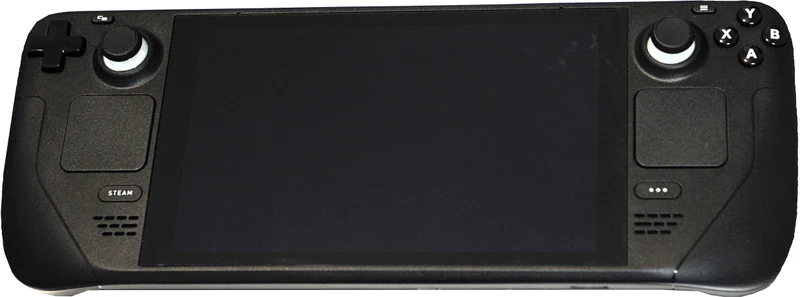
- Valve Steam Deck OLED - Buy. The most polished, best-value way into PC handheld gaming, full stop.
- ASUS ROG Ally X - Buy. The pick when you want raw Windows power and Game Pass on the go.
- Lenovo Legion Go - It depends. A big-screen showpiece with detachable controllers that asks for compromises.
- Nintendo Switch 2 - Skip. A superb console that cannot touch your PC library, so skip it for this job.
The verdict in 30 seconds
What mattered most
- Game library / ecosystem
- Performance for 1080p
- Battery life
- Screen
- Comfort / portability
- Ease of setup
Handhelds now split cleanly into two camps: open PC handhelds that run your existing library, and closed consoles built around one polished ecosystem. We weighed independent testing and owner reports across game library, real-world performance, battery life, screen quality, and comfort. Two devices earn a clear buy, one is a maybe depending on how you play, and one is a great machine that is simply the wrong tool for a PC-gaming shopper.
The most polished, best-value way into PC handheld gaming, full stop.
Best for: Anyone who wants a large Steam library in their hands with the least friction.
- SteamOS is the most console-like, hassle-free handheld PC experience owners report
- Vivid HDR OLED screen with up to 90Hz refresh and excellent contrast
- Lighter than the ROG Ally X and Legion Go, and comfortable in extended sessions per owner reports
- Strong battery life on the many games that do not need maximum power
- Native 800p resolution and modest power mean AAA titles need settings turned down
- Not every Windows launcher or anti-cheat game runs without tinkering
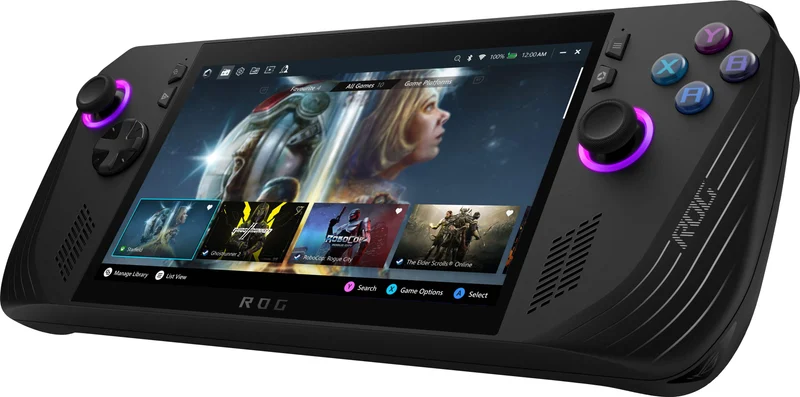
The pick when you want raw Windows power and Game Pass on the go.
Best for: Performance-focused players who want maximum frame rates and full launcher freedom.
- Reviewers report the strongest sustained performance for 1080p targets in this group
- Large 80Wh battery gives it the best endurance under heavy AAA loads per owner reports
- Runs Windows, so Game Pass, Epic, and every PC launcher work natively
- Comfortable grips and a bright 120Hz 1080p display
- Windows handheld UI is fiddlier than SteamOS and needs more setup
- Priced well above the Steam Deck for comparable storage
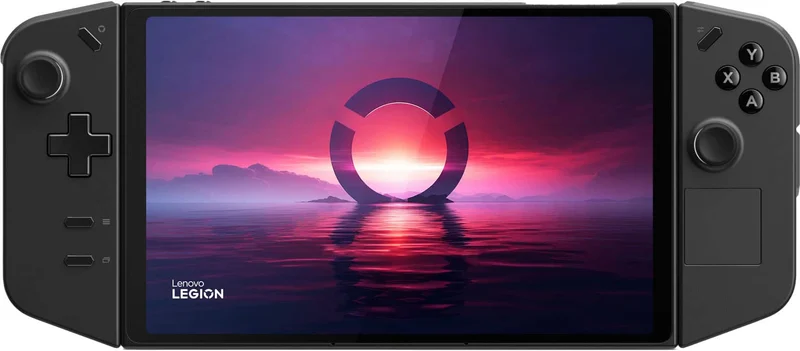
A big-screen showpiece with detachable controllers that asks for compromises.
Best for: Players who value screen size and controller versatility over portability and comfort.
- Large 8.8-inch high-refresh display is the most immersive screen in the group
- Detachable controllers and a built-in kickstand add genuine flexibility
- Frequently discounted, which sharpens its value against pricier rivals
- Heavy enough that owners note fatigue and often prop it on a table
- Battery drains quickly at high performance settings
- Windows handheld software still feels rough compared with SteamOS
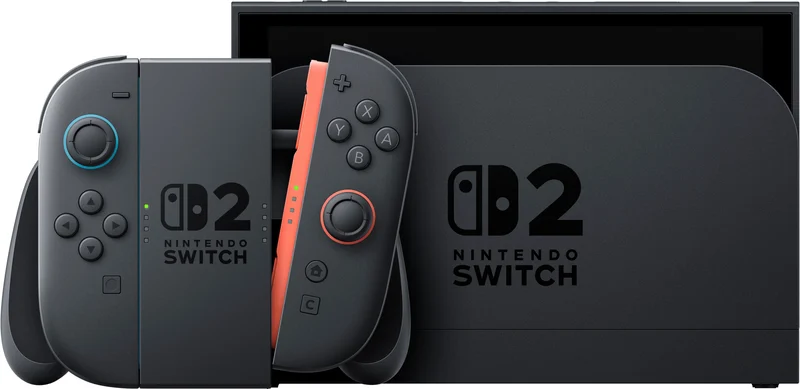
A superb console that cannot touch your PC library, so skip it for this job.
Best for: Nintendo fans who want exclusives, not shoppers cross-shopping PC handhelds.
- Best-in-class first-party Nintendo exclusives you cannot play anywhere else
- Sharp 1080p handheld screen with a bigger panel than the original Switch
- Effortless plug-and-play experience with strong build quality and TV docking
- Closed ecosystem cannot run your Steam, Epic, or Game Pass libraries
- Games are bought at fixed retail prices with far fewer sales than PC storefronts
- Not a substitute if the goal is versatile PC gaming in your hand
| Criteria | Steam Deck OLED Top pick Buy it Buy | ASUS ROG Ally X Buy it Buy | Lenovo Legion Go It depends Buy | Nintendo Switch 2 Skip it Buy |
|---|---|---|---|---|
| Best for | Anyone who wants a large Steam library in their hands with the least friction. | Performance-focused players who want maximum frame rates and full launcher freedom. | Players who value screen size and controller versatility over portability and comfort. | Nintendo fans who want exclusives, not shoppers cross-shopping PC handhelds. |
| Price tier | $$ · mid-range | $$$ · premium | $$ · mid-range | $ · budget |
| Game library / ecosystem | Open: full Steam library via SteamOS | Open: any Windows launcher, incl. Game Pass | Open: any Windows launcher | Closed: Nintendo store only |
| Performance for 1080p | Modest; best at native 800p | Strongest in group | Strong but battery-hungry | Optimized per-game, not PC-flexible |
| Battery life | Long on lighter games | Best under heavy AAA loads | Short at high settings | Solid and consistent |
| Screen | 7.4" HDR OLED, 90Hz | 7" LCD, 1080p, 120Hz | 8.8" LCD, high refresh rate | Larger LCD, 1080p |
| Comfort / portability | Lightest PC handheld, comfortable | Comfortable, slightly heavier | Heavy; best on a table | Light and well balanced |
| Ease of setup | Most console-like, least tinkering | Windows needs configuration | Windows needs configuration | Plug and play |
| Price tier | $$ · mid-range | $$$ · premium | $$ · mid-range | $ · budget |
Which one is right for you?
- Anyone who wants a large Steam library in their hands with the least friction. Buy it Valve Steam Deck OLED
- Performance-focused players who want maximum frame rates and full launcher freedom. Buy it ASUS ROG Ally X
- Players who value screen size and controller versatility over portability and comfort. It depends Lenovo Legion Go
- Nintendo fans who want exclusives, not shoppers cross-shopping PC handhelds. Skip it Nintendo Switch 2
How we judged the field
We do not run our own lab. Instead we synthesize independent testing, expert reviews, and aggregated owner and customer reports into one verdict. For handhelds, five things decide whether a device earns its place in your bag: the game library and ecosystem it unlocks, real-world performance at sensible settings, battery life under the games you actually play, screen quality, and comfort over a long session. We also weighed how much fiddling each device demands before it feels good to use, because a powerful handheld you have to babysit is a worse buy than a slightly slower one that just works.
The most important split is open versus closed. Three of these devices are PC handhelds that run games you already own; one is a closed console with its own store. That difference shapes every recommendation below.
Steam Deck OLED
Buy itThe Steam Deck OLED is the device we would hand to the most people. SteamOS is the closest a PC handheld gets to a console: you wake it, pick a game, and play, with far less of the driver-and-launcher wrangling owners report on Windows rivals. The OLED panel is a real upgrade, with deep blacks, HDR pop, and up to 90Hz refresh, and the body is lighter than the Ally X and Legion Go and comfortable for long sessions. It is not the most powerful device here, and its native 800p screen means the heaviest AAA games need settings dialed back. But for the vast majority of PC games, and for the way most people actually use a handheld, it delivers the best balance of price, polish, and pleasure.
ASUS ROG Ally X
Buy itThe ROG Ally X is the enthusiast’s pick. Owner reports point to the strongest sustained performance in this group and, thanks to its large 80Wh battery, the best endurance when you push demanding titles. Because it runs Windows, nothing is off-limits: Game Pass, the Epic Games Store, and every PC launcher work natively, which the closed Switch and the SteamOS-first Deck cannot all match. The trade-offs are a fiddlier interface that rewards some setup time and a price that sits well above the Steam Deck. If you want maximum frame rates and total launcher freedom and do not mind tinkering, this is the one.
Lenovo Legion Go
It dependsThe Legion Go is the most distinctive device here. Its 8.8-inch high-refresh screen is the most immersive in the group, the detachable controllers and kickstand add real flexibility, and frequent discounts keep it competitive. The catch is physical: owners repeatedly note it is heavy enough to cause fatigue and is happiest propped on a table, and its battery drains fast at high performance settings. Its Windows software also carries the same rough edges as the Ally. For a player who prioritizes screen size and controller versatility over portability, it is a genuine contender; for everyone else, the top two are easier to live with.
Nintendo Switch 2
Skip itTo be clear, the Switch 2 is an excellent machine. It has a sharp, larger screen, best-in-class Nintendo exclusives and the effortless plug-and-play experience Nintendo is known for. The reason it earns a skip here is scope: it is a closed console tied to Nintendo’s own store, so it cannot run your Steam, Epic, or Game Pass libraries, and its games are sold at fixed prices with far fewer sales than PC storefronts. If you want Mario and Zelda, buy it happily. If you are shopping for a versatile PC handheld, it is the wrong tool for the job.
Steam Deck OLED vs ROG Ally X: which should you buy?
This is the real decision for most PC-handheld shoppers. The Steam Deck OLED wins on value, screen quality, comfort, and ease of use; it is the device you reach for when you want to play, not configure. The ROG Ally X wins on raw performance, AAA battery life, and unrestricted access to Windows launchers including Game Pass. If your library is mostly on Steam and you want the smoothest experience for the money, take the Deck. If you chase high frame rates, live in Game Pass, or want to run every storefront without compromise, pay the premium for the Ally X. Neither is a wrong answer; they simply reward different priorities.
What to look for
- Open vs closed ecosystem: decide first whether you want your existing PC library (Deck, Ally X, Legion Go) or a curated console store (Switch 2).
- Software polish vs power: SteamOS is the least fussy; Windows handhelds give more power and launcher freedom but need setup.
- Screen: OLED contrast versus higher-resolution or larger LCD panels changes how games feel more than spec sheets suggest.
- Battery under load: lighter games last a long time everywhere; AAA endurance separates the field, and the Ally X leads.
- Weight and comfort: the single biggest factor in whether you keep using a handheld after the first week.
- Long-term game costs: PC storefront sales tend to lower the total you spend over time.
Our final take
Most people should buy the Steam Deck OLED: it is the best-value, best-rounded, most comfortable way to carry a large game library in your hands. Step up to the ASUS ROG Ally X if you want the extra power, the longer AAA battery life, and native Game Pass and Windows launchers, and you accept a higher price and more setup. Consider the Lenovo Legion Go only if its big screen and detachable controllers speak to you more loudly than its weight warns against. And enjoy the Nintendo Switch 2 for what it is, a first-class console, while recognizing it cannot fill the role of a PC handheld. Match the device to how you actually play and any of these can be the right buy, but the Steam Deck OLED is the one we recommend first.
Questions, answered
Which handheld should most people buy?
For most players the Steam Deck OLED is the best choice. It offers the strongest mix of value, a vivid OLED screen, comfortable ergonomics, and the most console-like software, so owners spend more time playing and less time troubleshooting.
When is the ROG Ally X worth the extra money?
Choose the ROG Ally X if you want the highest frame rates, the best battery life in demanding AAA games, and native access to Game Pass, the Epic Games Store, and any Windows launcher. You pay more and tolerate a fiddlier interface in exchange for power and flexibility.
Can the Nintendo Switch 2 play PC games like the others?
No. The Switch 2 is a closed console that only runs games from Nintendo's own store, so it cannot access your Steam, Epic, or Game Pass libraries. It is outstanding for Nintendo exclusives, but it is not a substitute if your goal is versatile PC gaming on the go.
Why is the Lenovo Legion Go only a 'maybe'?
Its large 8.8-inch screen and detachable controllers are genuinely appealing, but owners consistently flag its weight and short battery life at high settings. It suits players who prize screen size and controller versatility over portability, which is a narrower audience than the top two picks.
Do these handhelds get regular game discounts?
The three PC handhelds tap into PC storefronts such as Steam, which run frequent, deep sales, so your long-term game costs tend to be lower. The Switch 2 relies on Nintendo's store, where discounts are rarer and titles hold their price longer. This is general product information to help you compare options, not a guarantee of any specific pricing.
Deciding between the top two? See our head-to-head: Valve Steam Deck OLED vs ASUS ROG Ally X.
More in Gaming
Handheld Gaming Consoles, Explained Plain-English guide → Valve Steam Deck OLED vs ASUS ROG Ally X Head-to-head →  The Best Prebuilt Gaming PCs: 4 Compared (and One to Skip)
  The Best Stream Decks: 4 Compared (and One to Skip)
  The Best VR Headsets: 4 Compared (and One to Skip)
  The Best OLED Gaming Monitors: 4 Compared (and One to Skip)