

Outdoors & Fitness
The Best Camping Quilts: 4 Compared (and One to Skip)
We compared four backpacking quilts on real-world warmth, draft control, pad attachment, weight, and price to find the honest picks.
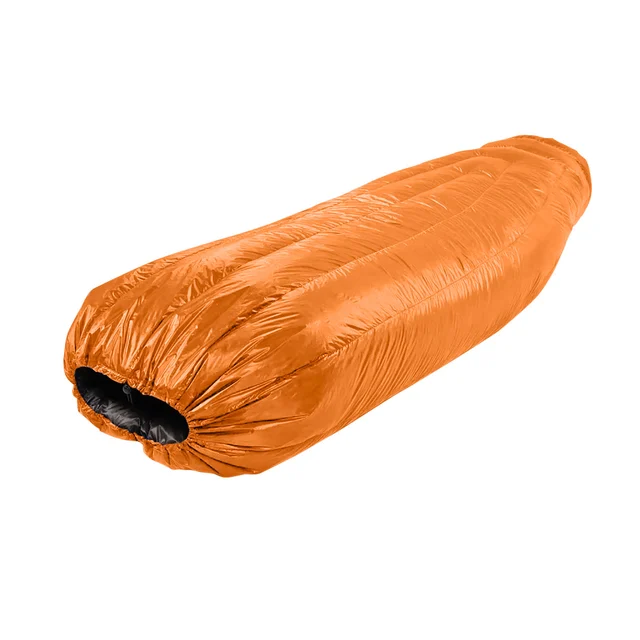
The short version
A quilt saves weight by dropping the insulation you'd flatten under you and letting your sleeping pad do that half of the job, which means pad R-value (aim for about 4-plus on freezing nights) matters as much as the quilt itself. The Enlightened Equipment Revelation is our top pick: made-to-order, class-leading warmth-to-weight, and drama-free once you add a draft collar and size the rating down. The Hammock Gear Economy Burrow is the value buy, delivering the real cottage-quilt experience in duck down for less. The Sea to Summit Ember is a warm, well-supported big-brand option that depends on whether you'll accept premium pricing and a little less weight savings. Skip the Paria Thermodown 30 for cold trips: no draft collar and an optimistic rating make it a summer-only piece. Remember temperature ratings are limit numbers, not comfort numbers, so buy colder than the nights you expect. Best for: calm sleepers who want a lighter, smaller-packing sleep system than a sleeping bag.
Our picks at a glance
- Enlightened Equipment Revelation - Buy. The customizable thru-hiker default: dial in temperature, width, and fill, then trust it for years.
- Hammock Gear Economy Burrow 20° - Buy. Nearly the whole boutique-quilt experience for a lot less, using duck down instead of goose.
- Sea to Summit Ember Down Quilt - It depends. A polished, warm quilt from a big brand, but you pay premium money and hand back some of the weight savings.
- Paria Outdoor Products Thermodown 30 Quilt - Skip. A cheap way into down quilts, but the missing draft collar and optimistic rating leave cold sleepers shivering.
The verdict in 30 seconds
What mattered most
- Insulation & fill
- Real-world warmth vs rating
- Draft control (collar + footbox)
- Pad attachment
- Weight & packed size
- Customization & fit
A quilt ditches the insulation you'd otherwise crush flat under your body and leans on your sleeping pad instead, which saves real weight and pack space. The tradeoff is drafts if you toss and turn, so the details that matter are the draft collar, the footbox, and the pad-attachment straps. We lined up four current quilts: two we'd buy, one that depends on what you value, and one we'd skip for anyone facing genuinely cold nights.
The customizable thru-hiker default: dial in temperature, width, and fill, then trust it for years.
Best for: Weight-focused backpackers who sleep fairly still and want one quilt tuned exactly to their body and climate.
- Built to order: choose temperature rating, length, width, and 850 or 950 fill power so it fits your body and your coldest trips
- Class-leading warmth-to-weight; the 20°F version is genuinely light for how warm it is
- Continuous vertical baffles let you shift down where you need it, and the footbox zips fully open as a summer blanket
- Reviewers note it can draft for restless side-sleepers unless you add the optional draft collar and keep the pad straps cinched
- The published temperature is a limit, not a comfort number, so order it 10–20°F below your real overnight lows
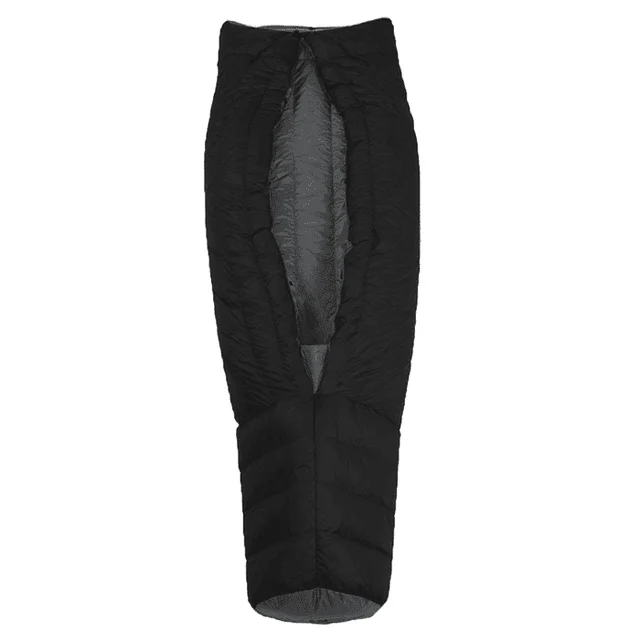
Nearly the whole boutique-quilt experience for a lot less, using duck down instead of goose.
Best for: First-time quilt buyers who want the real cottage-quilt feature set without the premium goose-down price.
- Full-featured cottage quilt (snap-and-cinch neck, sewn or zippered footbox, pad straps) at the lowest price in this group
- Independent testing and owner reports rate it warm and packable for genuine three-season use
- Still customizable for length, width, and footbox style without paying goose-down money
- Uses 850-fill duck down, so it packs slightly bigger and heavier than goose-down rivals at the same rating
- Like most quilts, the 20°F rating runs optimistic; treat it as a warm-side-of-three-season number
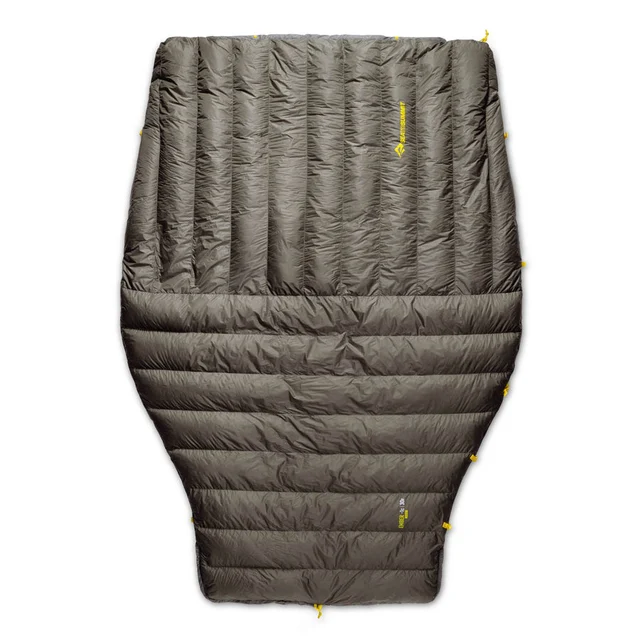
A polished, warm quilt from a big brand, but you pay premium money and hand back some of the weight savings.
Best for: Buyers who value a mainstream brand, retail support, and warmth over squeezing out every last gram.
- High-quality 850+ goose down and clean construction from a widely stocked brand with easy returns
- Attached pad straps plus a QuiltLock system that zips it onto a matching bag for colder trips
- Warm and packable if you want quilt comfort without buying from a small cottage maker
- Costs more than similarly rated quilts, and some owners note the large baffle chambers let down migrate toward the edges
- The generous cut and closed footbox add coverage but trim the weight advantage that makes a quilt worth choosing
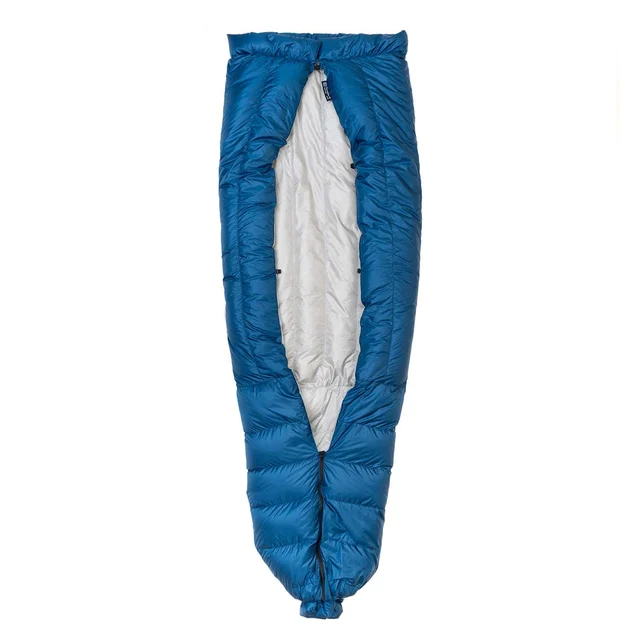
A cheap way into down quilts, but the missing draft collar and optimistic rating leave cold sleepers shivering.
Best for: Budget summer campers who stay well above freezing, not anyone chasing a true freezing-night quilt.
- Genuinely inexpensive entry into down quilts, with a snap neck closure and an included pad strap
- Perfectly fine for mild, dry summer nights that stay well above freezing
- No draft collar, so cold air sneaks in at the neck once temperatures drop toward the rating
- Lower-fill-power down means more weight and bulk for the same warmth
- The 30°F number reads as a survival limit; owners report needing extra layers well before it
| Criteria | Enlightened Equipment Revelation Top pick | Hammock Gear Economy Burrow 20° | Sea to Summit Ember Down Quilt | Paria Outdoor Products Thermodown 30 Quilt |
|---|---|---|---|---|
| Verdict | Buy it | Buy it | It depends | Skip it |
| Best for | Weight-focused backpackers who sleep fairly still and want one quilt tuned exactly to their body and climate. | First-time quilt buyers who want the real cottage-quilt feature set without the premium goose-down price. | Buyers who value a mainstream brand, retail support, and warmth over squeezing out every last gram. | Budget summer campers who stay well above freezing, not anyone chasing a true freezing-night quilt. |
| Price tier | $$$ · premium | $$ · mid-range | $$$ · premium | $ · budget |
| Insulation & fill | 850 or 950-fill goose down (your choice) | 850-fill duck down | 850+ goose down | Lower-fill-power down |
| Real-world warmth vs rating | Strong for its weight; size the rating down 10–20°F | Warm and fair for the price; rating slightly optimistic | Warm and consistent | Optimistic; colder than the number suggests |
| Draft control (collar + footbox) | Cinch neck and closable footbox; draft collar optional | Snap-and-cinch neck; sewn or zip footbox; no collar | Drawcord footbox and QuiltLock; no dedicated collar | No draft collar; drafts at the neck |
| Pad attachment | Adjustable pad straps | Pad straps included | Attached pad straps | Single pad strap (plus a spare) |
| Weight & packed size | Excellent; among the lightest here | Good; a touch heavier due to duck down | Good, but heavier than cottage rivals | Middling; bulkier for its warmth |
| Customization & fit | Fully made-to-order (temp, length, width, fill) | Length, width, and footbox options | Fixed sizes and temperature ratings | Fixed size options |
| Price tier | $$$ · premium | $$ · mid-range | $$$ · premium | $ · budget |
Which one is right for you?
- Weight-focused backpackers who sleep fairly still and want one quilt tuned exactly to their body and climate. Buy it Enlightened Equipment Revelation
- First-time quilt buyers who want the real cottage-quilt feature set without the premium goose-down price. Buy it Hammock Gear Economy Burrow 20°
- Buyers who value a mainstream brand, retail support, and warmth over squeezing out every last gram. It depends Sea to Summit Ember Down Quilt
- Budget summer campers who stay well above freezing, not anyone chasing a true freezing-night quilt. Skip it Paria Outdoor Products Thermodown 30 Quilt
How we judged the field
We don’t run our own cold chamber. Instead, we synthesize independent testing, long-term owner reports, and the manufacturers’ own specs, then weigh them against the way people actually use a quilt in the backcountry. For a backless top-quilt, a few things decide whether you sleep warm or spend the night chasing drafts: the insulation type and fill power, how honest the temperature rating is once you’re in the field, the draft-management details (a neck collar and a footbox that actually closes), and the pad-attachment system that seals the quilt to your sleeping pad. We also looked hard at weight and packed size, because saving those is the whole reason to choose a quilt over a bag, and at how much you can customize the fit. One theme runs through everything below: a published temperature is a limit number, not a comfort number, and your sleeping pad does half the insulating job, so pad R-value (about 4-plus for freezing) matters as much as the quilt you buy.
The Revelation has become the default quilt on long trails for a reason: you build it to order. You pick the temperature rating, the length and width, and whether you want 850 or 950 fill power, so it fits your body and your climate instead of a one-size compromise. Independent testing and years of owner reports consistently put it at the top of its class for warmth-to-weight, and the continuous vertical baffles let you push down toward whichever side is cold. The footbox zips fully open so the same quilt works as a summer blanket. The honest caveats: reviewers note it can draft if you’re a restless side-sleeper, which is why we’d add the optional draft collar and keep the pad straps snug, and the rating is a limit, so order it 10–20°F below your real overnight lows. For a still sleeper who wants one quilt dialed to their exact needs, it’s the pick.
The Economy Burrow is how you get almost the entire cottage-quilt experience without the premium price. You still get the snap-and-cinch neck, a choice of sewn or zippered footbox, pad straps, and customization for length and width; the money-saving move is 850-fill duck down instead of goose. Independent testing rated it warm and packable for genuine three-season use, and reviewers were struck by how close it comes to quilts costing noticeably more. The trade is real but modest: duck down doesn’t loft quite as efficiently as goose, so it packs a little bigger and weighs a little more at the same rating, and like nearly every quilt the 20°F number runs optimistic. If you’re buying your first quilt and don’t want to overspend to find out whether you like the format, this is the smart entry.
The Ember is the polished, mainstream option: high-quality 850-plus goose down, clean construction, and the backing of a big brand you can buy and return almost anywhere. It has attached pad straps and a QuiltLock system that lets you zip it onto a matching sleeping bag for a cold-weather boost, and owners find it warm and packable. Whether it’s right for you comes down to two things. First, it costs more than similarly rated quilts from smaller makers, so you’re partly paying for the brand and the retail convenience. Second, some owners report the large baffle chambers let down migrate toward the edges, and the generous cut plus closed footbox add coverage while trimming the weight savings that make a quilt worth choosing in the first place. If mainstream support and warmth matter more to you than shaving grams, it’s a fine buy; if you’re optimizing weight or price, the picks above make more sense.
The Thermodown 30 is the cheapest route into a down quilt here, and for mild summer nights well above freezing it does the job with a snap neck closure and an included pad strap. The problem is what’s missing when the temperature actually drops. There’s no draft collar, so cold air sneaks in around your neck exactly when you need the seal, and the lower-fill-power down means you carry more weight and bulk for the same warmth. Owner reports treat the 30°F rating as a survival limit and describe adding layers well before it. None of that makes it junk for warm-weather budget camping, but most people shopping for a quilt want one that can handle a genuinely cold night, and this one can’t without help. For that job, skip it and spend up to the Economy Burrow.
Enlightened Equipment Revelation vs Hammock Gear Economy Burrow: which should you buy?
These are the two we’d actually put in a pack, and the decision is refreshingly simple. Both are true cottage-industry top-quilts with the features that matter: a cinchable neck, a closable footbox, pad straps, and made-to-order sizing. The Revelation edges ahead on materials and weight, because goose down (and the option of 950 fill) lofts more efficiently and packs smaller, and it offers the widest customization including an optional draft collar we’d add for cold trips. The Economy Burrow closes most of that gap by using 850-fill duck down, which costs far less while still delivering warmth and packability that owners rate highly; the penalty is a slightly larger, slightly heavier package at the same rating. So: if you’re chasing the lightest, most tunable quilt and will keep it for years, buy the Revelation. If you want the same feature set and are happy to trade a few ounces and cubic inches for a much friendlier price, the Economy Burrow is the better value, full stop.
What to look for
- Rate it colder than you think. Temperature ratings are limit or survival numbers, not comfort numbers. Buy a quilt rated 10–20°F below your expected overnight low.
- Mind your pad, not just the quilt. A quilt has no insulation underneath you, so pad R-value does half the work. Aim for roughly R-4 or higher for freezing nights.
- Demand real draft control. Look for a draft collar (or the option to add one) and a footbox that fully closes. These are what separate a warm quilt from a drafty one.
- Check the pad-attachment system. Adjustable straps that seal the quilt to your pad are essential; without them a quilt drafts along your sides whenever you move.
- Match fill to your trips. Down wins on warmth-to-weight and pack size in dry conditions; synthetic is cheaper and copes better with damp, at a weight penalty.
- Size for your body. A quilt that’s too narrow can’t tuck under you. Width and length options are worth more than they look, especially for restless sleepers.
Our final take
A quilt is the right call when you sleep fairly still and want a lighter, smaller sleep system than a bag, and the winners here reward that choice. The Enlightened Equipment Revelation is our top pick because you build it around your own body, climate, and weight budget, and it delivers the best warmth-to-weight of the group once you add a draft collar and size the rating down. The Hammock Gear Economy Burrow is the value play, handing you almost the same experience in duck down for meaningfully less. The Sea to Summit Ember is a warm, well-supported big-brand option that makes sense if convenience outweighs grams and dollars. The Paria Thermodown 30 is fine for warm summer nights but the wrong tool for a genuinely cold one, so we’d skip it there. Whichever you choose, remember the two rules that decide a comfortable night: buy colder than the forecast, and put a properly insulated pad underneath you.
Questions, answered
Is a quilt actually warm enough for freezing nights?
It can be, if you match it to the conditions honestly. Temperature ratings are usually survival or limit numbers rather than comfort numbers, so for real freezing nights choose a quilt rated 10–20°F below your expected low. Just as important, a quilt has no insulation underneath you, so pair it with an insulated pad (roughly R-4 or higher for freezing) and keep the pad straps cinched to block drafts.
Quilt or sleeping bag, which should I get?
A quilt trades the crushed-flat insulation on the underside of a bag for reliance on your sleeping pad, saving real weight and pack volume. That makes quilts great for calm sleepers, and less ideal if you toss and turn, because gaps can open along your sides and let in drafts. If you sleep fairly still and want a lighter, smaller kit, a quilt wins; if you thrash around or want zero fuss, a bag is more forgiving.
What sleeping pad R-value do I need with a quilt?
Because a quilt provides essentially no insulation between you and the ground, the pad does half the work. For summer and mild three-season use an R-value around 2–3 is usually fine, and for nights near or below freezing aim for roughly R-4 or higher. If you're cold on the ground, no amount of quilt on top fully fixes it, so upgrade the pad first.
Down or synthetic quilt?
Down gives the best warmth-to-weight and packs smallest, which is why most backpacking quilts use it; higher fill power (say 850 or 950) means more warmth for less weight. Synthetic is cheaper and keeps more of its warmth when damp, at the cost of extra weight and bulk. For dry-climate weight-counters, down is the usual choice; for wet, humid trips or a tighter budget, synthetic is a reasonable trade.
How do I stop a quilt from drafting?
Start with the pad-attachment straps: run them so the quilt edges seal against your pad, which closes the side gaps that cause most drafts. A draft collar around the neck and a closable footbox make a big difference on cold nights, so favor quilts that have or offer them. Sizing matters too, since a quilt that's too narrow won't tuck under you, and wearing a light insulated hoody can stand in for a missing collar.
Deciding between the top two? See our head-to-head: Enlightened Equipment Revelation vs Hammock Gear Economy Burrow 20°.
More Outdoors & Fitness reviews
 The Best Camping Stoves: 4 Compared (and One to Skip)
  The Best Camping Tables: 4 Compared (and One to Skip)
  The Best Carry-On Luggage: 4 Compared (and One to Skip)
  The Best Chain Breakers: 4 Compared (and One to Skip)
  The Best Chain Checkers: 4 Compared (and One to Skip)
  The Best Chain Lubes: 4 Compared (and One to Skip)