

Baby & Family
The Best Baby Swaddles: 4 Compared (and One to Skip)
Four newborn swaddles and sleep sacks compared on hip room, arms-out options, closure strength, fabric weight and safe sleep fit.
The short version
Buy the HALO SleepSack Swaddle 100% Cotton first. Its wearable-blanket bottom keeps hips free without any wrapping skill, its arms-out mode carries you through the transition, and it sits in the budget tier. Buy the Love to Dream Swaddle Up Original instead if your baby fights having their arms pinned, accepting that you will size up and buy the Transition Bag later. The ergoPouch Cocoon Swaddle Sack is a fair pick for clear TOG labelling and three wear modes in one garment, but it costs more and the cocoon fit cannot be tuned. Skip the Nested Bean Zen Swaddle Classic: it is well made, but its weighted chest pad is exactly the feature safe sleep authorities advise against for infants. Whatever you buy, stop swaddling the arms at the first sign of rolling and keep the baby on their back on a firm flat bare surface. Best for: parents of newborns who want a swaddle that keeps hips free, transitions cleanly, and adds nothing weighted.
Our picks at a glance
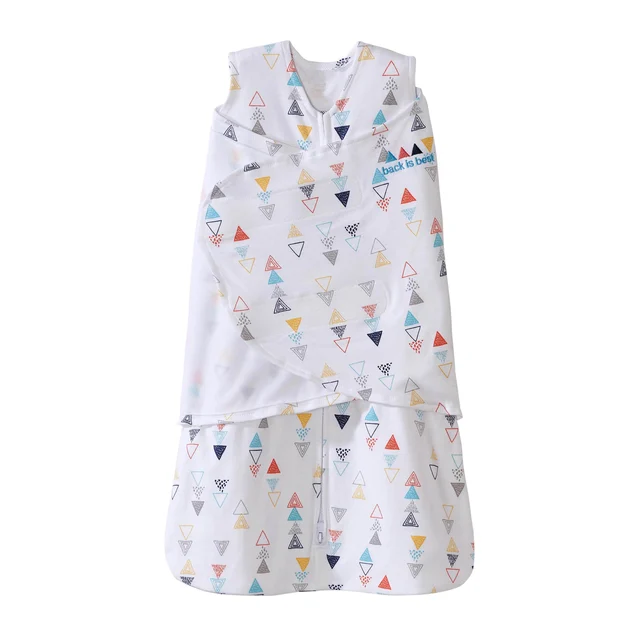
- HALO SleepSack Swaddle 100% Cotton - Buy. The forgiving default: a roomy sack bottom, adjustable wings, and an arms-out mode that carries you into the transition.
- Love to Dream Swaddle Up Original - Buy. For the baby who fights an arms-down wrap: hands stay near the face while the startle reflex is still damped.
- ergoPouch Cocoon Swaddle Sack - It depends. One garment with arms-in, hands-up and arms-out modes and the clearest fabric-weight labelling here, at a premium price and a fit you cannot tune.
- Nested Bean Zen Swaddle Classic - Skip. Well made, but the weighted chest pad that defines it is the feature safe sleep authorities advise against.
The verdict in 30 seconds
What mattered most
- Swaddle style
- Arms options
- Hip room
- Transition path
- Ease at 3am
- Fabric weight guidance
Swaddling is one of the few newborn purchases where the safety rules matter more than the features. A swaddle has to keep the hips free to bend and spread, it has to come off the arms the moment a baby shows any sign of rolling, and it never replaces back sleeping on a firm flat bare surface. Judged that way the field thins out fast: two of these four are easy recommendations, one suits a narrower set of parents, and one is built around a feature that safe sleep authorities advise against.
The forgiving default: a roomy sack bottom, adjustable wings, and an arms-out mode that carries you into the transition.
Best for: First-time parents who want a swaddle that is hard to fasten wrong, and anyone who does not yet know whether their baby prefers arms in or arms up.
- Wearable-blanket lower half keeps hips bent and spread with no wrapping technique required
- Three modes (arms in, hands to face, arms out) so it stays useful once rolling starts
- Double zipper opens from the bottom for diaper changes without unwrapping the baby
- Budget tier of the four, so a second one is easy to justify
- Sized in stages, so most parents buy at least twice
- Strong babies may eventually work an arm free from the wings
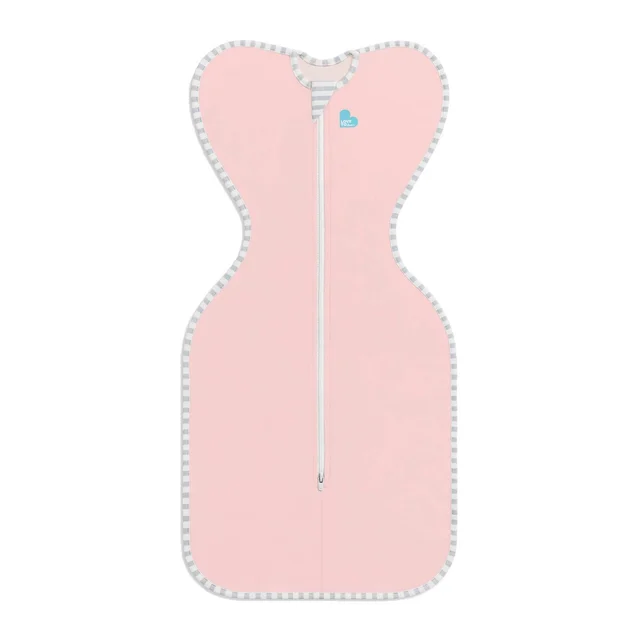
For the baby who fights an arms-down wrap: hands stay near the face while the startle reflex is still damped.
Best for: Babies who wriggle a hand up to their face and wake screaming from a conventional arms-down swaddle.
- Arms-up wings let babies self-soothe with hands to face instead of fighting a pinned wrap
- Zip-up pouch bottom gives generous room for legs to bend and spread
- No wrapping technique, so the fit is identical however tired the person applying it is
- Two-way zip for bottom access at changes
- Sized by weight, so you will size up and a too-large bag loses its calming snugness
- Transitioning off it cleanly means buying the wing-removable Transition Bag separately
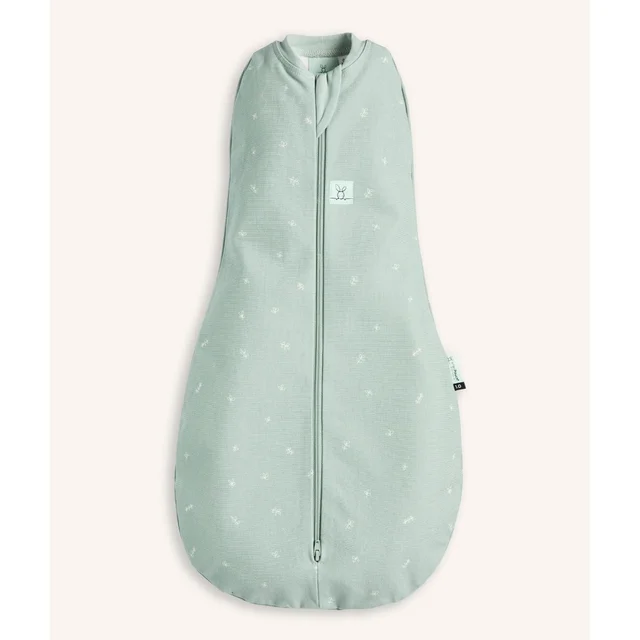
One garment with arms-in, hands-up and arms-out modes and the clearest fabric-weight labelling here, at a premium price and a fit you cannot tune.
Best for: Parents who want clear TOG labelling and one garment across several stages, and are comfortable with a fixed cocoon fit.
- One swaddle, three ways to wear: arms in, hands up, or arms out
- Sold in labelled TOG weights from 0.2 to 3.5
- Roomy lower half that leaves hips free to move
- Arms-out mode keeps it useful past the arms-in stage
- Stretch cocoon fit cannot be tightened or loosened the way adjustable wings can
- Some owners find the arms-in fit loose on smaller newborns
- Priced in a higher tier than either of our picks
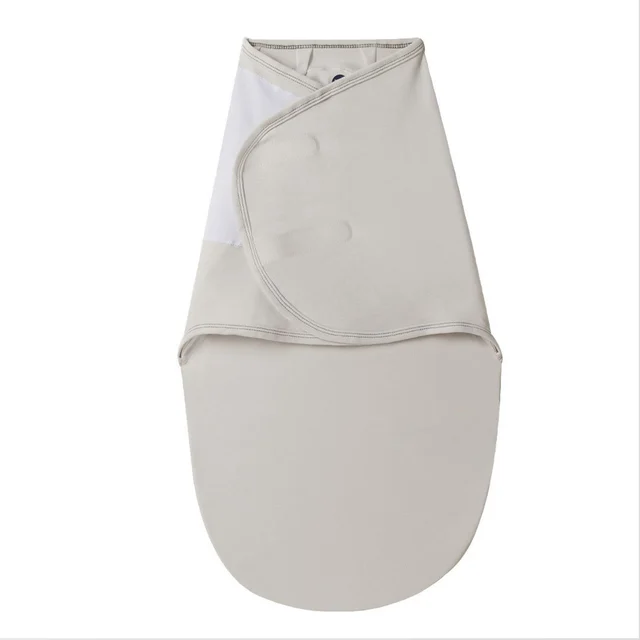
Well made, but the weighted chest pad that defines it is the feature safe sleep authorities advise against.
Best for: Nobody by default. Only consider it if your own pediatrician specifically recommends a weighted swaddle for your baby.
- Solid construction with genuine arms-in and arms-out flexibility
- Adjustable leg pouch gives adequate hip room and grows with the baby
- Many owners report it settled a baby who would not settle otherwise
- Built around a lightly weighted chest pad, and weighted infant sleepwear is advised against in US pediatric safe sleep guidance
- The claimed benefit is soothing, not safety, so the tradeoff is optional
- Unweighted swaddles achieve the same calming effect through fit alone
| Criteria | HALO SleepSack Swaddle 100% Cotton Top pick | Love to Dream Swaddle Up Original | ergoPouch Cocoon Swaddle Sack | Nested Bean Zen Swaddle Classic |
|---|---|---|---|---|
| Verdict | Buy it | Buy it | It depends | Skip it |
| Best for | First-time parents who want a swaddle that is hard to fasten wrong, and anyone who does not yet know whether their baby prefers arms in or arms up. | Babies who wriggle a hand up to their face and wake screaming from a conventional arms-down swaddle. | Parents who want clear TOG labelling and one garment across several stages, and are comfortable with a fixed cocoon fit. | Nobody by default. Only consider it if your own pediatrician specifically recommends a weighted swaddle for your baby. |
| Price tier | $ · budget | $ · mid-range | $$ · premium | $ · mid-range |
| Swaddle style | Adjustable wings over a wearable-blanket sack | Arms-up zip pouch | Stretch cocoon sack | Wrap wings with a weighted chest pad |
| Arms options | Arms in, hands to face, or arms out | Arms up only (Transition Bag adds arms out) | Arms in, hands up, or arms out | Arms in or arms out |
| Hip room | Roomy sack bottom, legs free to bend and spread | Roomy zip pouch, legs free to bend and spread | Roomy cocoon, legs free to bend and spread | Adjustable leg pouch, adequate room |
| Transition path | Built in, wings fold back for arms out | Requires the separate Transition Bag | Built in, arms-out mode | Arms out mode, then a separate sack |
| Ease at 3am | Very easy, hard to fasten wrong | Easiest, just zip it | Easy, just zip it | Moderate, wings must be positioned correctly |
| Fabric weight guidance | TOG 1.5 stated on the cotton version | TOG stated on each version | Clear TOG labelling across the range | Fabric type and TOG stated |
| Weighted? | No | No | No | Yes, and that is why we skip it |
| Price tier | $ · budget | $ · mid-range | $$ · premium | $ · mid-range |
Which one is right for you?
- First-time parents who want a swaddle that is hard to fasten wrong, and anyone who does not yet know whether their baby prefers arms in or arms up. Buy it HALO SleepSack Swaddle 100% Cotton
- Babies who wriggle a hand up to their face and wake screaming from a conventional arms-down swaddle. Buy it Love to Dream Swaddle Up Original
- Parents who want clear TOG labelling and one garment across several stages, and are comfortable with a fixed cocoon fit. It depends ergoPouch Cocoon Swaddle Sack
- Nobody by default. Only consider it if your own pediatrician specifically recommends a weighted swaddle for your baby. Skip it Nested Bean Zen Swaddle Classic
How we judged the field
We do not run a sleep lab. What we do is read across independent testing, brand safety documentation, and large volumes of owner reports, then weigh the points where those sources agree and flag the points where they do not.
Safety framing comes first, because with swaddles it is not optional. Three rules sit above every product on this page. First, swaddling with the arms wrapped must stop as soon as a baby shows any sign of rolling, which for many babies is somewhere around two to four months and for some is much earlier. Second, a swaddle needs to leave the hips free to bend up and spread out, because tight straight-leg wrapping is associated with hip dysplasia. Third, no product on this list replaces safe sleep basics: a baby on the back, on a firm flat surface, in a bare crib or bassinet, with nothing loose in it.
With that fixed, the criteria that actually separated these four were: how much hip room the lower half gives once the wrap is snug, whether the design offers a real arms-out or transition mode instead of forcing you to buy a second product, how well the closure holds against a strong newborn kick, how easy the thing is to fasten correctly at three in the morning, and whether the fabric weight is documented clearly enough (TOG or fabric spec) that you can dress the baby underneath without guessing.
The brand says it is used in 1,800 hospitals, and the reason is boring in the best way: it is hard to get wrong. The lower half is a wearable-blanket sack rather than a wrapped tube, so the legs stay in a bent, spread, frog-like position without any technique on your part. The upper half is two adjustable wings that let you swaddle arms in, hands to face, or out for the transition, and the double zipper opens from the bottom for diaper changes without unwrapping the whole baby.
Owner reports converge on two things. It is genuinely simple, and its wings hold reasonably well but not indefinitely: strong or determined babies do work an arm loose eventually, which is a signal to move to arms-out rather than a defect. The cotton version is listed at TOG 1.5.
The limitations are real but minor. Sizing runs in stages, so you will buy at least twice if you use it from newborn through the transition. And the wing-and-zip system, while forgiving, is bulkier than a stretch pouch. Against that, it sits in the budget tier of the four and the brand lists it as machine washable.
Some babies fight an arms-down swaddle from the first night. They want their hands near their face, and every attempt to pin the arms produces a screaming match rather than sleep. The Swaddle Up exists for those babies. The wings hold the arms up in a natural bent position at the shoulders, so the startle reflex is still damped but the hands can reach the face for self-soothing.
The lower half is a roomy zip-up pouch, which is the part parents underrate. Because there is no wrapping technique involved, the legs get to bend and spread freely, and the fit stays consistent whether it is applied by a confident parent or an exhausted one. The two-way zip gives you bottom access for changes.
Two things to plan for. It is sized by weight rather than one-size, so you will size up at least once, and getting the size right matters more here than with a wrapped swaddle, since a bag that is too large loses its calming snugness. And the arms-up shape means the transition off swaddling looks different: the brand sells a Transition Bag with zip-off wings, which is a clean path but is a separate purchase. If your baby sleeps better with hands accessible, this is worth the mid-range spend and the extra buy at transition time.
The pitch here is one garment that covers two phases. The brand describes it as one swaddle with three ways to wear: arms in, hands up, or arms out. The arms-out mode keeps it useful after arms-in swaddling has to stop, and it is the clearest fabric-weight story in this group: the range is sold in labelled TOG values from 0.2 TOG for warm rooms up to 3.5 TOG for cold ones. If you have ever stood over a crib wondering whether a onesie is enough, that labelling is worth something.
Where it gets conditional. The arms-in mode is a stretch-fabric cocoon rather than adjustable wings, so it is less tunable than the HALO for babies who need a firmer or looser wrap, and some owners report the arms-in fit feels loose on smaller newborns. It is priced above the two picks. And its sizes are set by weight and age bracket, so you will likely buy more than one.
Buy it if you want documented TOG guidance and a single garment across several stages, and you are comfortable with a fixed cocoon fit. Skip it if your baby needs an adjustable wrap tension or you want a budget entry point.
This is a well-made swaddle in every respect except the one that defines it. The Zen Swaddle carries a lightly padded, bead-filled Cuddle Pad on the chest, marketed as mimicking a parent’s resting hand, and plenty of owners report it settled a baby who would not settle otherwise. The construction is good, the arms-in or arms-out flexibility is genuine, and the leg pouch gives adequate hip room.
The problem is the weight. Weighted infant sleepwear is contested by safe sleep authorities. US pediatric safe sleep guidance advises against weighted swaddles, weighted blankets, and weighted objects placed on or within an infant’s sleep clothing, on the grounds that added chest weight is not established as safe for a sleeping newborn and could affect breathing effort. Weighted infant sleep products have also drawn criticism from consumer advocates.
We are not saying the product has been shown to cause harm. We are saying the category is disputed by the bodies that write safe sleep guidance, the claimed benefit is a soothing effect rather than a safety benefit, and there are unweighted swaddles on this very page that do the calming job through fit alone. When a benefit is optional and the safety position is unsettled, the sensible move is the unweighted one. If your pediatrician specifically recommends it for your baby, follow them over us.
HALO SleepSack Swaddle vs Love to Dream Swaddle Up: which should you buy?
This choice is decided by your baby, not by the product spec sheet, and you will usually know within a week.
Buy the HALO if your baby settles with arms wrapped down, or you do not know yet. It is the cheaper, more forgiving option, and its three modes (arms in, hands to face, arms out) mean it can carry you through the transition without a second product. It is also the easier one to hand to a partner, a grandparent, or a night nurse and trust that they will fasten it correctly.
Buy the Love to Dream if your baby fights having their arms pinned, keeps wriggling a hand up to their face, or wakes screaming from a wrapped swaddle that a calmer baby would sleep through. Arms-up is not a gimmick for those babies, it is the thing that works. Accept in advance that you will size up and that a clean transition means buying the wing-removable version later.
If you want to hedge, the cheap hedge is to start with the HALO, because the cost of finding out it is wrong is low.
What to look for
- Hip room above all. The lower half should let the legs bend up and spread out. A snug top with a loose, roomy bottom is the shape you want. Straight-leg tight wrapping is the thing to avoid.
- A stated stop rule. Swaddling with arms in ends at the first sign of rolling, not at a fixed birthday. Buy a design that has an arms-out or transition mode so that day does not leave you with nothing.
- Closure strength you can adjust. Velcro-style wings can be tuned to your baby; stretch pouches cannot. Both work, but adjustability suits unpredictable newborns better.
- Fabric weight you can reason about. A published TOG rating or a plain fabric description beats marketing adjectives, because you dress the baby underneath based on it.
- Bottom-opening access. Two-way zips or bottom-opening designs let you change a diaper without fully unwrapping and rewaking the baby.
- Correct size, not aspirational size. A swaddle that is too big loses its snugness and adds loose fabric near the face. Buy the size that fits now.
- Nothing weighted. Skip weighted pads, weighted blankets, and weighted sleep sacks for infants.
- Wash reality. You will wash it constantly. Machine washable, tumble dry, and cheap enough to own two.
Our final take
The HALO SleepSack Swaddle 100% Cotton wins on the least glamorous grounds available: it is inexpensive, the hip-friendly sack bottom removes the main way parents get swaddling wrong, and its arms-out mode means it stays useful through the transition. That combination is hard to beat as a first purchase.
The Love to Dream Swaddle Up Original earns its place because a meaningful share of newborns simply will not sleep with their arms pinned down, and for those babies the arms-up design is not a preference but the difference between sleeping and not. Budget for one size-up and for the transition version.
The ergoPouch Cocoon Swaddle Sack is a good product with a narrower fit: clear TOG labelling and three wear modes in one garment, at a premium price and with a fixed cocoon fit you cannot tighten.
The Nested Bean Zen Swaddle Classic is the one to skip, not because it is poorly made but because the weighted pad is the whole point of it and weighted infant sleepwear is exactly the feature safe sleep authorities advise against. Choose the calming that comes from fit.
Whichever you pick, the product is the small part. Back sleeping, a firm flat bare surface, and stopping the arms-in wrap at the first sign of rolling are the parts that matter, and they are free.
Questions, answered
When do I have to stop swaddling?
As soon as your baby shows any sign of rolling, even an attempt. For many babies that arrives somewhere around two to four months, but it can be much earlier, so watch the baby rather than the calendar. Once that day comes, switch to an arms-out mode or a sleeveless sleep sack. A swaddled baby who rolls onto their front cannot push up or reposition, which is why the stop rule is not negotiable. This article is general product information, not medical advice. Follow your pediatrician and your country's national safe sleep guidance over anything you read here.
What makes a swaddle hip-healthy?
Room in the lower half. Hips develop properly when the legs can bend up at the hip and spread apart, the position a baby naturally holds. Wrapping the legs straight and tight is associated with hip dysplasia. That is why every product we recommend uses a roomy sack, pouch or cocoon bottom rather than a tight leg wrap: the snugness should be around the chest and arms, never around the hips and legs. If you swaddle with a plain blanket, keep the bottom loose and never straighten the legs to tighten the wrap.
Are weighted swaddles and weighted sleep sacks safe?
They are contested, and we would not use one. US pediatric safe sleep guidance advises against weighted swaddles, weighted blankets, and weighted objects placed on or within an infant's sleep clothing, because added chest weight has not been established as safe for a sleeping newborn. The category has also drawn criticism from consumer advocates. The claimed benefit is soothing rather than safety, and unweighted swaddles calm babies through fit alone, so the tradeoff is not one you need to take. If your own pediatrician recommends one for your specific baby, follow them.
Does a swaddle replace any part of safe sleep guidance?
No. A swaddle is a garment, not a safety device. The baby still goes on their back for every sleep, on a firm flat surface in a crib or bassinet that meets current safety standards, with no loose blankets, pillows, bumpers, or positioners in it. Room sharing without bed sharing is recommended for the early months. Keep the room at a comfortable temperature and avoid overdressing under the swaddle, since overheating is its own risk. A swaddle can make those conditions easier to maintain, because it replaces the loose blanket you would otherwise be tempted to use.
Arms in or arms up: which should I choose?
Try arms in first, because it is cheaper to find out you were wrong. Arms-in wrapping damps the startle reflex that jerks newborns awake, and most babies settle with it. But a real subset of babies fight it hard, keep working a hand up toward their face, and sleep worse wrapped than unwrapped. Those babies do better in an arms-up design, where the startle reflex is still cushioned but the hands can reach the face for self-soothing. You will usually know which camp your baby is in within a few nights.
Deciding between the top two? See our head-to-head: HALO SleepSack Swaddle 100% Cotton vs Love to Dream Swaddle Up Original.
More Baby & Family reviews
 The Best Baby Swings: 4 Compared (and One to Skip)
  The Best Baby Thermometers: 4 Compared (and One to Skip)
  The Best Baby Walkers: 4 Compared (and One to Skip)
  The Best Balance Bikes: 4 Compared (and One to Skip)
  The Best Bassinets: 4 Compared (and One to Skip)
  The Best Book Nook Kits: 4 Compared (and One to Skip)