

Baby & Family
The Best Balance Bikes: 4 Compared (and One to Skip)
We compared the Strider 12 Sport, the premium woom GO 1, the budget Retrospec Cub and a 2-in-1 tricycle convertibles, on weight, fit range and real learning curve.
The short version
The Strider 12 Sport is the pick: 6.7 pounds, a fit from 18 months to preschool and flat-free tires - the bike that defined the category. The woom GO 1 is the premium it-depends: kid-specific geometry and a real hand brake for $249. Retrospec's Cub 12 is the value buy at $70. Skip the Chillafish Bunzi: the trike-to-balance conversion is a gimmick that delivers a wobbly trike and a poor balance bike. Best for: kids 18 months to 4 years learning to ride.
Our picks at a glance
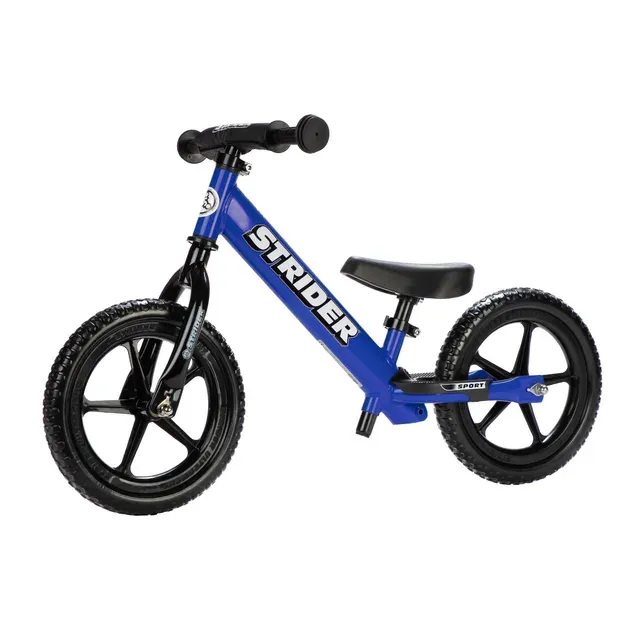
- Strider 12 Sport - Buy. The bike that defined the category: ultralight steel, tool-free adjustments and a fit that covers 18 months to preschool.
- woom GO 1 - It depends. The premium kid-specific design: aluminum frame, real hand brake and geometry built for toddlers, at roughly $250.
- Retrospec Cub 12 - Buy. A proper steel balance bike at seventy dollars: step-through frame, 11-inch minimum seat, real geometry.
- Chillafish Bunzi 2-in-1 Tricycle/Balance Bike - Skip. An ABS tricycle that narrows its rear wheels into a pseudo balance bike - a conversion that does both jobs poorly.
The verdict in 30 seconds
What mattered most
- Frame / wheels
- Weight
- Fit range
- Hand brake
- Price class
- Learning curve
A balance bike is the gift that actually teaches a child to ride: no training wheels, no pedals, just gliding until balance clicks. The spec that matters most is weight relative to the child - a bike a two-year-old cannot lift is a bike they will not ride. We compared the category's original, the premium light option, the budget steel frame and a tricycle-convertible gimmick.
The bike that defined the category: ultralight steel, tool-free adjustments and a fit that covers 18 months to preschool.
Best for: Most families' first balance bike - the default buy for kids 18 months to 4 years and the bike that gets handed down.
- About 6.7 pounds - light enough for a toddler to pick up, and the number most cheap balance bikes still miss.
- Tool-free seat and handlebar height adjustments, with an inseam fit roughly 12 to 17 inches (18 months to about 4 or 5).
- EVA polymer tires that cannot go flat, a padded seat, mini-grip handlebars and a footrest pad for gliding.
- $170 is real money for a bike with a two-to-three-year service life; resale value is strong but the entry price stings.
- EVA tires never flat but grip and cushion less than pneumatic tires on rough ground.
- No hand brake, which matters less at this age but is the premium feature on the woom.
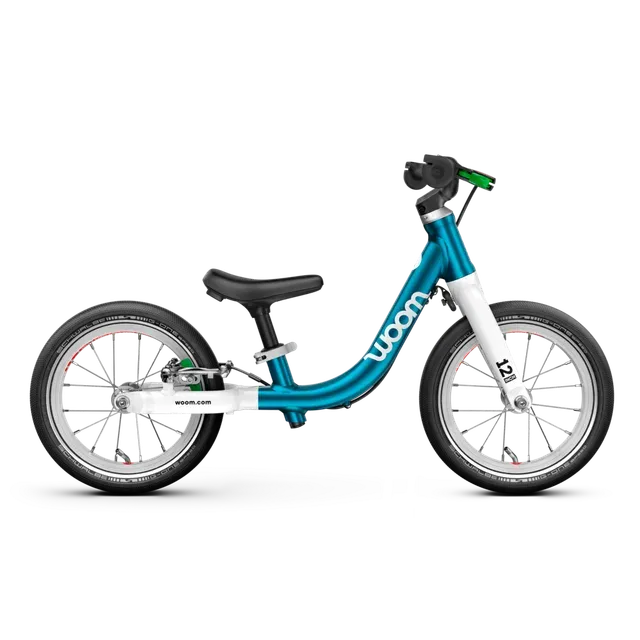
The premium kid-specific design: aluminum frame, real hand brake and geometry built for toddlers, at roughly $250.
Best for: Families who ride daily, bike-park kids and parents who want the best-engineered option regardless of price.
- Kid-specific lightweight aluminum frame with a rear hand brake sized for small hands - the only bike here that teaches braking.
- Very low standover and narrow q-factor geometry, so shorter and smaller toddlers fit sooner.
- Pneumatic tires and real bearing hubs roll better than the foam tires on cheaper bikes.
- About $250 is the highest price here by a wide margin - nearly the cost of a Strider and a Cub together.
- Fit window is narrower at the young end: aimed at roughly 18 months to 3.5 years before a pedal bike takes over.
- Hand brake adds a component to maintain, though woom's build quality is excellent.
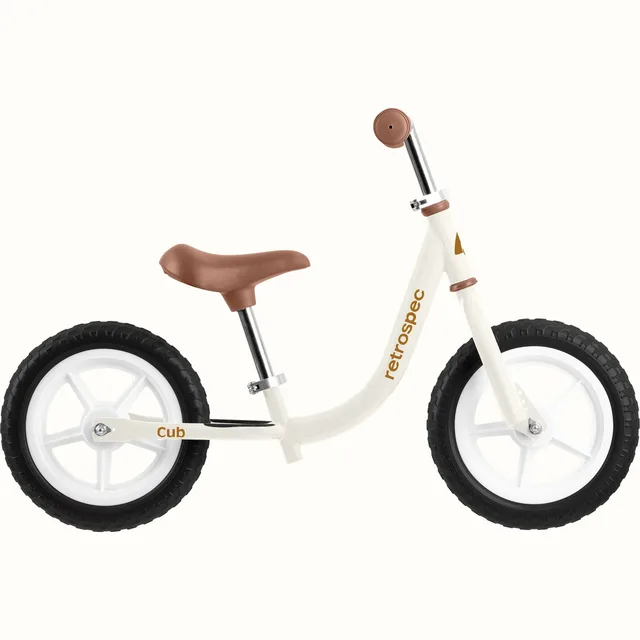
A proper steel balance bike at seventy dollars: step-through frame, 11-inch minimum seat, real geometry.
Best for: Budget-conscious gift buyers and families who want the balance-bike effect without the Strider price.
- Under $70 in a deep color range - the cheapest bike here that is not a toy pretending to be a bike.
- Step-through steel frame lower and narrower than most, with a comfort seat starting at 11 inches, rated for 18 months to 4 years.
- Flat-free foam tires and a maintenance-light build; total bike weight about 7 pounds.
- Heavier than the Strider and noticeably heavier than the woom, which the smallest riders feel.
- Foam tires skid more on loose ground than real rubber treads.
- Assembly quality varies slightly by unit - check bolt torque and headset before first ride.
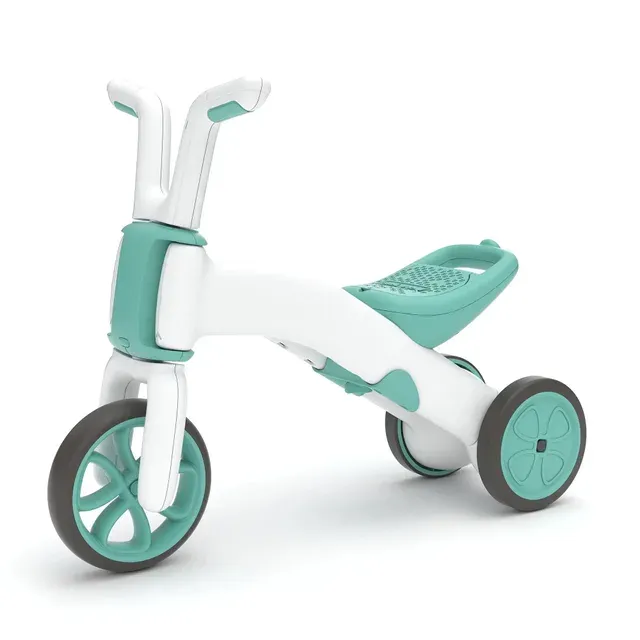
An ABS tricycle that narrows its rear wheels into a pseudo balance bike - a conversion that does both jobs poorly.
Best for: Almost nobody; a proper balance bike teaches faster and rides better. Only consider it for a 2-year-old who will not sit on a real balance bike yet.
- The 3-to-2 wheel conversion needs no tools and takes seconds, and the $60 price is low.
- Cute, light ABS body with a carry handle that parents appreciate at the playground.
- Small enough for kids closer to 18 months than true 12-inch balance bikes reach.
- The rear wheels sit close together even in trike mode, so it is less stable than a real tricycle - the maker says so itself.
- In two-wheel mode the frame geometry and tiny hard wheels make a poor balance bike: short glide, twitchy steering.
- Kids outgrow the whole concept by about three, and the conversion idea means you bought two mediocre toys instead of one good one.
| Criteria | Strider 12 Sport Top pick | woom GO 1 | Retrospec Cub 12 | Chillafish Bunzi 2-in-1 Tricycle/Balance Bike |
|---|---|---|---|---|
| Verdict | Buy it | It depends | Buy it | Skip it |
| Best for | Most families' first balance bike - the default buy for kids 18 months to 4 years and the bike that gets handed down. | Families who ride daily, bike-park kids and parents who want the best-engineered option regardless of price. | Budget-conscious gift buyers and families who want the balance-bike effect without the Strider price. | Almost nobody; a proper balance bike teaches faster and rides better. Only consider it for a 2-year-old who will not sit on a real balance bike yet. |
| Price tier | $$ · mid-range | $$$ · premium | $ · budget | $ · budget |
| Frame / wheels | Steel frame, 12 in EVA tires | Aluminum frame, 12 in pneumatic | Steel step-through, foam tires | ABS body, small TPE wheels |
| Weight | About 6.7 lb | Lightweight (under 8 lb) | About 7 lb | Very light but small |
| Fit range | 18 mo to 4-5 yr (inseam 12-17 in) | 18 mo to 3.5 yr | 18 mo to 4 yr (seat from 11 in) | Roughly 1.5 to 3 yr |
| Hand brake | No | Yes, rear V-brake | No | No |
| Price class | $170 | $249 | $70 | $60 |
| Learning curve | The proven glide-to-pedal path | Best ergonomics + braking | Good, slightly heavier | Conversion gimmick; slower |
| Best for | The default first bike | Premium daily riders | Budget gift that still works | Not recommended |
Which one is right for you?
- Most families' first balance bike - the default buy for kids 18 months to 4 years and the bike that gets handed down. Buy it Strider 12 Sport
- Budget-conscious gift buyers and families who want the balance-bike effect without the Strider price. Buy it Retrospec Cub 12
- Families who ride daily, bike-park kids and parents who want the best-engineered option regardless of price. It depends woom GO 1
- Almost nobody; a proper balance bike teaches faster and rides better. Only consider it for a 2-year-old who will not sit on a real balance bike yet. Skip it Chillafish Bunzi 2-in-1 Tricycle/Balance Bike
How we judged the field
Balance bikes succeed on fit and weight, not features. The bike has to be light enough for a toddler to control (under about 8 pounds, lighter is better), the seat has to drop low enough for flat feet, and the tires have to survive a season of concrete. We compared the category-defining Strider, the premium woom, the budget Retrospec and a convertible tricycle gimmick, on weight, fit range and what actually teaches a kid to glide.
The Strider 12 Sport is the product that created this category and still sets the bar. At about 6.7 pounds it is genuinely toddler-liftable, the seat adjusts tool-free across a roughly 12-to-17-inch inseam range (18 months to about 4 or 5), and the EVA tires cannot go flat. The padded seat, mini-grips and footrest pad are small details that show up in daily use.
It is $170 with no hand brake and foam tires that skid more than rubber on loose ground. None of that changes the verdict: this is the balance bike to buy for a first rider, and it resells or hands down well enough to soften the price.
woom builds the most kid-specific bikes in the world, and the GO 1 is its balance-bike entry: a lightweight aluminum frame, very low standover, real pneumatic tires, and a rear hand brake sized for small hands - the only brake in this lineup. At about $249 it is also the most expensive by far, more than a Strider and a Cub combined.
The brake and geometry earn their keep for daily riders and bike-park households, and for a very small toddler the lower standover fits sooner. For occasional riders, the Strider teaches the same skill for a hundred dollars less. It depends entirely on how much riding the bike will actually see.
The Cub 12 is the budget pick that is still a real bike: a steel step-through frame lower and narrower than most, a seat that drops to 11 inches, flat-free foam tires and about 7 pounds of total weight, rated for 18 months to 4 years. It costs $70 - less than half the Strider - and comes in enough colors to matter to a three-year-old.
You feel the savings in weight and finish: it is heavier than the Strider, the foam tires grip less, and bolt torque deserves a once-over out of the box. For a first bike that might see a season of use and a hand-down, the Cub delivers the balance-bike lesson at the friendliest price here.
The Bunzi sells a clever idea: a tricycle whose rear wheels pull together to convert into a balance bike in seconds, no tools, for $60. In practice the conversion is the problem. The close-set rear wheels make it less stable than a real tricycle - the manufacturer says as much - and in two-wheel mode the short wheelbase and tiny hard wheels give a twitchy, short-glide ride that teaches balance slower than a real balance bike.
Kids outgrow it by about three, so the gimmick means you bought two mediocre toys instead of one good one. For the same money the Cub is a real balance bike; spend it there.
Strider 12 Sport vs Retrospec Cub: which should you buy?
The Strider is the better bike: lighter, better fitted across a longer range, better tires, better resale. The Cub is the better deal: 80 percent of the learning at 40 percent of the price.
If this bike will see daily use, multiple kids or a resale listing, buy the Strider. If it is a test-the-waters gift or a second bike for grandma’s house, the Cub is the right call.
What to look for
- Weight first: under 8 pounds for a 12-inch bike; a two-year-old has to manage it.
- Seat height vs inseam: seat at or below the child’s inseam for flat-foot pushing; check the minimum, not the box age.
- Foam vs air tires: foam for zero maintenance, air for grip and cushion on dirt and grass.
- Step-through frames: let short legs mount without swinging over a bar.
- Hand brake: optional before 3, useful after - it pre-teaches a pedal-bike skill.
- Avoid gimmicks: convertibles, foldables and tricycle hybrids compromise the one thing the bike is for.
Our final take
The Strider 12 Sport is the balance bike most families should buy once - light, proven, resale-friendly. The woom GO 1 is the right splurge for a kid who will ride daily. The Retrospec Cub is the budget buy that still teaches real balance. Skip the Chillafish Bunzi - the conversion gimmick costs more in learning time than it saves in dollars. Buy the bike that fits today, and the pedals follow on their own.
Questions, answered
What age should a child start a balance bike?
Most kids are ready between 18 months and 2 years, when they can walk steadily and sit on the seat with feet flat. The fit rule that matters: the seat height should be at or below the child's inseam so they can push with flat feet. A bike that fits a 2-year-old's inseam but weighs as much as they can carry will not get ridden.
Balance bike or tricycle for a 2-year-old?
Balance bike, nearly every time. Trikes teach pedaling a trike; balance bikes teach the balance that transfers straight to a pedal bike with no training-wheel phase. The exception is a child who cannot yet coast with feet up - a short trike stint helps, but most kids bypass it quickly.
Do balance bikes need brakes?
Not for most toddlers - they stop with their feet, and a brake is one more thing to learn. A hand brake becomes useful around age 3 or 4 on faster kids and hills, and it pre-teaches a skill they will need on a pedal bike. It is a premium nicety (the woom), not a requirement.
Foam or air tires on a balance bike?
Foam (EVA) tires never flat and weigh less - fine for pavement, driveways and playground use. Air (pneumatic) tires cushion bumps and grip better on grass, dirt and gravel; choose air if the kid will ride trails or a grassy yard often, foam for the lowest maintenance.
How do you know the balance bike fits?
Measure the child's inseam and compare it to the bike's minimum seat height - the seat should be at or just below the inseam so the child sits with feet flat and knees slightly bent. If the minimum seat is higher than the inseam, the bike is too big regardless of the age label on the box.
Deciding between the top two? See our head-to-head: Strider 12 Sport vs Retrospec Cub 12.
More Baby & Family reviews
 The Best Bassinets: 4 Compared (and One to Skip)
  The Best Book Nook Kits: 4 Compared (and One to Skip)
  The Best Baby Bottle Drying Racks: 4 Compared (and One to Skip)
  The Best Baby Bottle Sterilizers: 4 Compared (and One to Skip)
  The Best Bottle Warmers: 4 Compared (and One to Skip)
  The Best Breast Pumps: 4 Compared (and One to Skip)