

Opinion
Smart Home, Dumb Purchases: What's Actually Worth Automating
Some smart-home upgrades quietly improve daily life. Others add subscriptions, friction, and one more thing to reboot. Here's how to tell them apart.
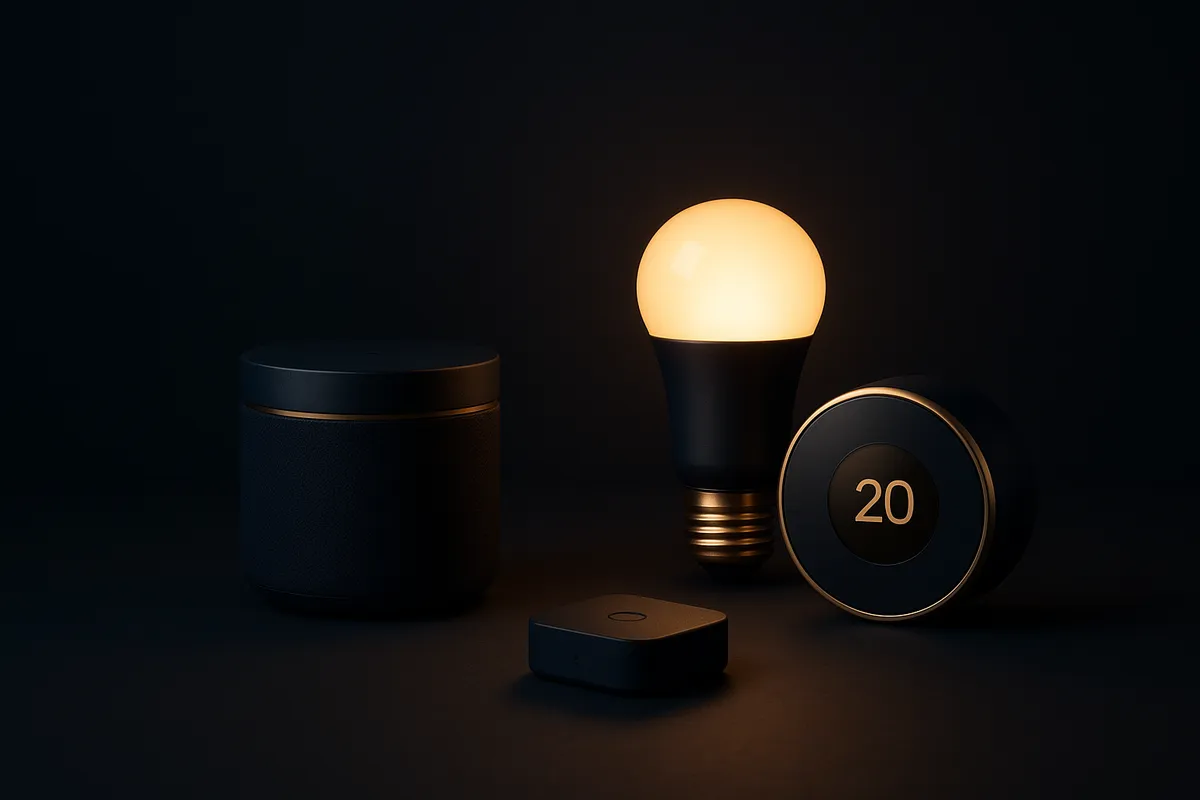
There’s a version of the smart home that’s genuinely great, and a version that’s a pile of apps you have to reboot before guests arrive. The difference isn’t how much you spend - it’s whether each device removes friction or adds it.
We review a lot of connected gear, and the honest pattern is this: a handful of smart upgrades quietly earn their place, and a long tail of them exist mostly to be sold. Here’s how we’d separate the two.
The stuff that actually earns its keep
The winners share a trait: they automate something you already do, every day, and then get out of the way.
- Smart thermostats are the closest thing to a no-brainer. They learn a schedule, nudge your energy use, and you interact with them almost never - which is exactly the point.
- Smart plugs are the cheapest way to make a “dumb” lamp, fan, or coffee maker do something useful on a schedule. Low stakes, low cost, genuinely handy.
- Smart locks are worth it if keyless entry solves a real problem - letting in family, ditching a hidden key, granting temporary access. If it doesn’t, it’s a battery-powered way to complicate opening your own door.
- Safety sensors - smart smoke and CO alarms, water-leak detectors - are the rare category where a phone alert has obvious value: they tell you about a problem while you’re not home, when it still matters.
Notice what these have in common: the benefit is concrete, and the device mostly works whether or not the internet is having a good day.
The stuff that’s mostly for selling
The other pile automates things that were never really a burden, and charges you in friction to do it. A fridge with a screen. A faucet you talk to. A trash can that needs a firmware update. The tell is usually one of three things:
- It solves a non-problem. Flipping a switch was not the bottleneck in your life.
- It only works with a subscription. If the core feature dies the day you stop paying, you didn’t buy a product - you rented one, and the hardware was the hook.
- It adds a failure point to something that used to just work. A lightbulb that needs a working app, a cloud server, and a good Wi-Fi day to turn on is a downgrade wearing a premium price.
The two traps to watch
Even good devices come with strings. Cloud dependence means someone else’s server outage can brick your gadget, and companies sunset products on their schedule, not yours. The walled garden is the slower trap: each brand wants you all-in on its ecosystem, and before long you’re juggling four apps that don’t talk to each other. Favor devices built on open standards and the assistant you already use, and treat “works only with our app” as a yellow flag.
So what should you actually automate?
Start where the payoff is obvious and the device doesn’t need the internet to do its main job: a thermostat, a couple of plugs, safety sensors, maybe a lock. Add more only when a specific annoyance is worth solving - not because a box promised a “connected lifestyle.” A smart home should feel like fewer things to think about. If yours has become a hobby in maintenance, the gadgets are automating the wrong thing. See everything we’d actually buy, connected or not.
Real Buyer Experiences is reader-supported and independent. We synthesize independent testing and owner reports into one honest verdict - we never trade a recommendation for payment. How we review →