Explained
Foot Files, Explained
After reading, you'll understand the main types of foot file, why razors are risky, and how to choose a tool for your feet.
In this guide
Foot care tools range from a simple file to motorized rollers and razor blades, and packaging rarely explains the trade-offs. The biggest mistake is choosing speed over safety and cutting live skin. Knowing how each type removes skin makes the choice easy.
The 30-second version
- Files and stones are the safe default, and podiatrists recommend them after a soak.
- Razor shavers remove skin fast, which is exactly what makes them risky at home.
- Electronic files help tired hands, but refill heads add ongoing cost.
- Light pressure works best, since overfiling leaves skin sore.
- Diabetes changes the rules, so check with a professional before filing.
The products this guide is about
Our verdict on each, with the full reasoning on the companion review.
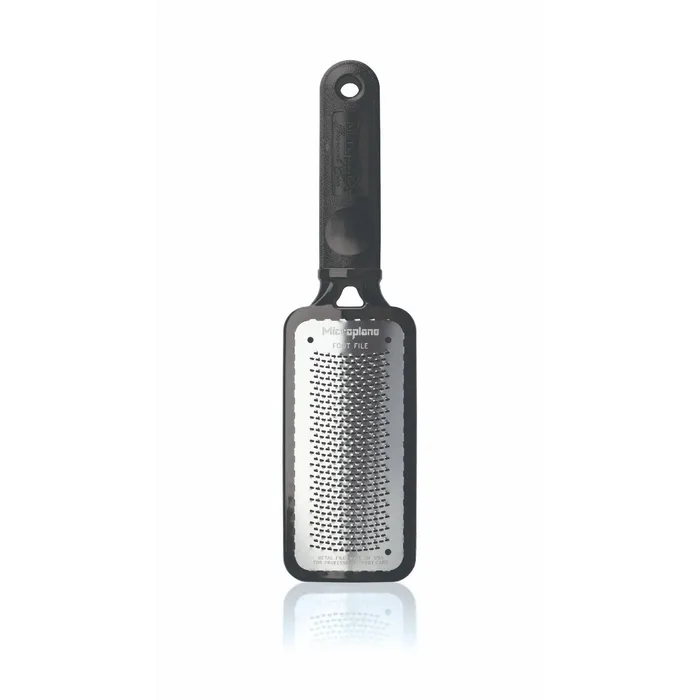
- Buy Microplane Colossal Foot File A large stainless micro-file that removes thick callus quickly with gentle strokes, no blade required.
- Buy Tweezerman Step-Two-It Foot File An inexpensive two-sided file for regular smoothing of dry skin and mild calluses.
- It depends Amopé Pedi Perfect Electronic Foot File A battery-powered roller file with a safety stop, easier on tired hands but tied to refills.
- Skip Tweezerman Safety Slide Callus Shaver & Rasp A razor-blade callus shaver that removes skin fast, which is exactly the risk.
What actually matters
- Removal method - Files abrade, rollers spin, razors slice. The method decides the risk.
- Surface size - A larger filing surface covers the heel faster. It also spreads pressure more evenly.
- Coarseness - Coarser surfaces remove more skin per stroke. Finer ones smooth and finish.
- Wet or dry use - Some tools work in the shower, others are meant for dry skin. Using the wrong way can reduce results.
- Safety features - Pressure stops and blade-free designs lower the chance of injury. Razors rely on your care alone.
- Hygiene - Washable, removable parts keep tools clean. Shared tools can spread infection.
- Ongoing costs - Refills and replacement blades add up over time.
The specs, in plain English
Green flags vs red flags
Green flags
- No razor blade
- A stated filing surface or coarseness
- Clear wet or dry instructions
- Washable or removable parts
- Warnings for diabetes and poor circulation
Red flags
- Razor blades sold for home callus removal
- Promises of instant, one-stroke results
- No guidance on pressure or frequency
- Tools that cannot be cleaned
- No safety warnings at all
Who's who: the brands
- Microplane - Known for etched stainless graters, with foot files built on the same micro-file process.
- Tweezerman - Grooming tool maker selling foot files, stones and callus tools.
- Amopé - Known for the Pedi Perfect electronic foot file and its refill rollers.
How to read a listing without getting fooled
Start by finding how the tool removes skin: abrasive surface, spinning roller or blade. Then check the surface size and coarseness, and whether it is meant for wet or dry use. Read the warnings, since good makers say who should not use the tool. For electronic files, check the cost and availability of refill heads before you buy.
How much should you spend?
Basic manual files and stones sit in the budget tier and handle regular upkeep. Premium manual files and electronic files are mid-range, with electronic files adding the ongoing cost of refills. Razor shavers are cheap, but low price does not offset the injury risk.
Questions, answered
Should I soak my feet before filing?
Soaking in warm water for about five minutes softens callus and is part of the podiatry association's guidance for stones and files. Some files also work on dry skin. Pat feet mostly dry before filing so the tool can grip.
Why do my calluses come back?
Calluses form where feet take repeated pressure or friction, often from footwear or the way you walk. Filing removes the buildup but not the cause. If they return quickly or hurt, a podiatrist can look for the reason.
How do I clean a foot file?
Rinse it in warm water after each use and let it dry fully. Some files can be cleaned with barbicide-style solutions, as Microplane notes for professional use. Do not share foot tools between people.
Can I use a foot file on cracked heels?
Gentle filing can help thick, dry skin around cracks, but avoid filing into open or bleeding cracks. Moisturizing daily helps heal them. Deep or painful cracks are worth showing to a professional.
Or jump to the head-to-head: Microplane Colossal Foot File vs Tweezerman Step-Two-It Foot File.