Explained
Barbells, Explained
After reading, you'll understand tensile strength, capacity, bushings and bearings, knurling and finishes, and how to pick a bar that fits your rack.
In this guide
Barbells look alike, but the spec sheet separates a bar that lasts decades from one that bends or rusts. First-time buyers often focus on price and miss the details that matter: tensile strength, sleeve spin, knurling, finish and whether the bar fits their rack.
The 30-second version
- Tensile strength predicts durability, and higher numbers resist bending better.
- Capacity should be far above your lifts, since bars take shock loads when dropped.
- Length decides rack fit, so check the sleeve-to-sleeve distance.
- Bushings suit strength training, while bearings suit fast Olympic lifts.
- Finish decides rust resistance, which matters most in garages.
The products this guide is about
Our verdict on each, with the full reasoning on the companion review.
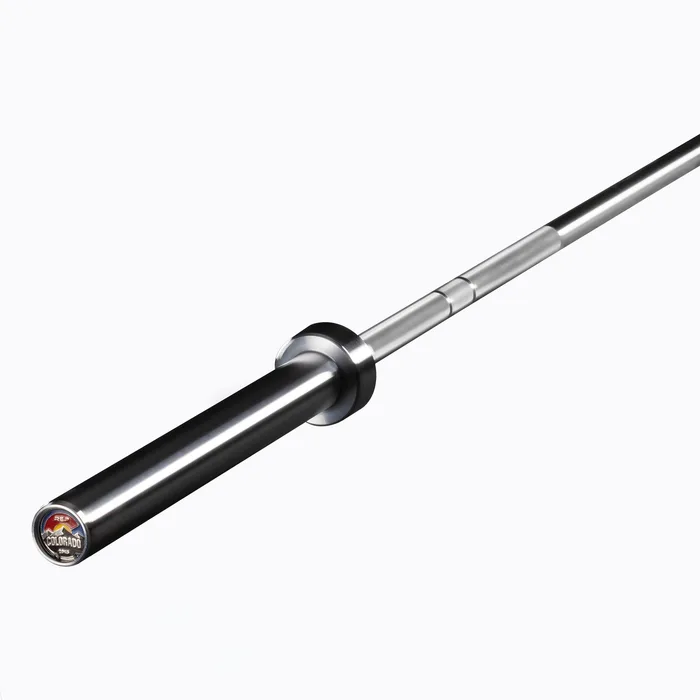
- Buy REP Fitness Colorado Bar - 20kg A high-strength multipurpose bar with a lifetime warranty that suits nearly every lift.
- Buy Titan Fitness Performance Series Olympic Barbell A solid 20 kg multipurpose bar that covers the basics for a mid-range price.
- It depends American Barbell Cerakote California Bar A US-made 28 mm Olympic-style bar with a Cerakote shaft, for lifters who snatch and clean.
- Skip Titan Fitness 60" Olympic Barbell A cheap short bar that may not fit a standard power rack.
What actually matters
- Tensile strength - The stress steel can take before breaking, in PSI or ksi. It is a useful proxy for durability.
- Weight capacity - The load the maker rates the bar for. Pick a figure well above your heaviest lift.
- Shaft diameter - Usually 28 to 29 mm on men's bars. Thinner shafts suit Olympic lifts; thicker ones suit powerlifting.
- Sleeves and spin - Bushings or bearings let the sleeves rotate. Smooth spin protects wrists and elbows in fast lifts.
- Knurling - The textured grip pattern. Depth and marks affect grip and hand placement.
- Finish - Chrome, Cerakote, stainless steel and bare steel differ in rust resistance and feel.
- Dimensions - The sleeve-to-sleeve length must fit your rack, and loadable sleeve length limits how many plates fit.
The specs, in plain English
Green flags vs red flags
Green flags
- Published tensile strength and weight capacity.
- Full dimensions, including sleeve-to-sleeve length.
- Named bushing or bearing type.
- A durable finish such as Cerakote or stainless steel.
- A lifetime or long warranty.
Red flags
- No tensile strength or capacity listed.
- Short bars sold without clear rack-fit warnings.
- No knurl marks on a bar meant for multiple lifts.
- Very short loadable sleeves.
- Unclear warranty terms.
Who's who: the brands
- REP Fitness - Home gym brand known for racks, benches and multipurpose barbells.
- Titan Fitness - Budget-focused home gym brand with a wide range of bars and racks.
- American Barbell - US bar maker known for Olympic and power bars made in America.
- Rogue Fitness - Ohio-based maker of barbells and gym equipment for home and commercial gyms.
- Eleiko - Swedish maker of competition weightlifting and powerlifting bars.
How to read a listing without getting fooled
Find the spec table first. Check tensile strength and weight capacity, then shaft diameter and knurl details. Look for the bushing or bearing type and the finish on both shaft and sleeves. Then check dimensions against your rack, especially sleeve-to-sleeve length, and note loadable sleeve length. Finally, read the warranty terms, since some cover bending and some don't.
How much should you spend?
Budget bars cover basic training with chrome finishes, lower tensile strength and short warranties. Mid-range bars add higher strength, better bushings and more consistent knurling. Premium bars add high tensile strength, durable coatings, bearings or specialized designs and lifetime warranties. A good bar lasts for years, so it is often worth spending more here than on accessories.
Questions, answered
Men's bar or women's bar?
Men's bars are usually 20 kg with 28 to 29 mm shafts; women's bars are usually 15 kg with 25 mm shafts. Pick the one that fits your hands and lifts. Many home gyms keep both.
How do I care for a barbell?
Brush chalk out of the knurling and wipe the shaft after use. Occasionally oil bare or chrome bars to prevent rust. Store the bar horizontally on a rack or vertically in a holder.
Can I drop a barbell?
Drop it only with bumper plates on a platform or rubber flooring. Dropping an empty bar or one loaded with iron plates can damage the bar and floor.
What plates fit an Olympic bar?
Olympic plates with 2 in. center holes fit 50 mm sleeves. Standard 1 in. plates do not fit. Check that your plates and bar match.
Or jump to the head-to-head: REP Fitness Colorado Bar - 20kg vs Titan Fitness Performance Series Olympic Barbell.