

Home Gym
The Best Treadmills: 4 Compared (and One to Skip)
We compared four current full-size home treadmills on motor power, deck size, cushioning, streaming, folding, and warranty.
The short version
Full-size home treadmills come down to how you train and how much software you want to pay for. The NordicTrack Commercial 1750 is the best all-rounder thanks to its powerful motor, wide deck, and uncommon incline-plus-decline range. The Sole F80 is the durability and value-of-ownership pick, with no required subscription and lifetime frame and motor coverage. The Horizon 7.0 AT is a smart, lower-cost choice for interval trainers who bring their own tablet, while the Peloton Tread Vision's brilliant classes are undermined by a membership for its content, no decline, no folding, and a 12-month warranty. Best for: most serious home runners, the NordicTrack Commercial 1750; for durability without a subscription, the Sole F80.
Our picks at a glance
- NordicTrack Commercial 1750 - Buy. The most complete all-rounder: strong motor, big swiveling screen, and the rare ability to run downhill as well as up.
- Sole F80 - Buy. A tank of a runner's treadmill with lifetime frame and motor coverage and a free companion app with no monthly subscription.
- Horizon 7.0 AT - It depends. A no-nonsense value pick built for intervals, but you bring your own tablet and your own app.
- Peloton Tread Vision - Skip. A 23.8-inch swivel screen and the best classes, undercut by a membership for content, no decline, no folding, and a 12-month warranty.
The verdict in 30 seconds
What mattered most
- Motor & stability
- Running surface
- Incline & decline
- Screen & streaming
- Subscription
- Folding & footprint
Full-size home treadmills are a different animal from the little under-desk walking pads: they run marathon-training mileage, climb real inclines, and cost as much as a used car, so getting the pick right matters. We synthesized independent testing and long-run owner reports on four of the models people actually shop in 2026. The result is two solid buys, one that depends entirely on how you like to train, and one we think most people should skip.
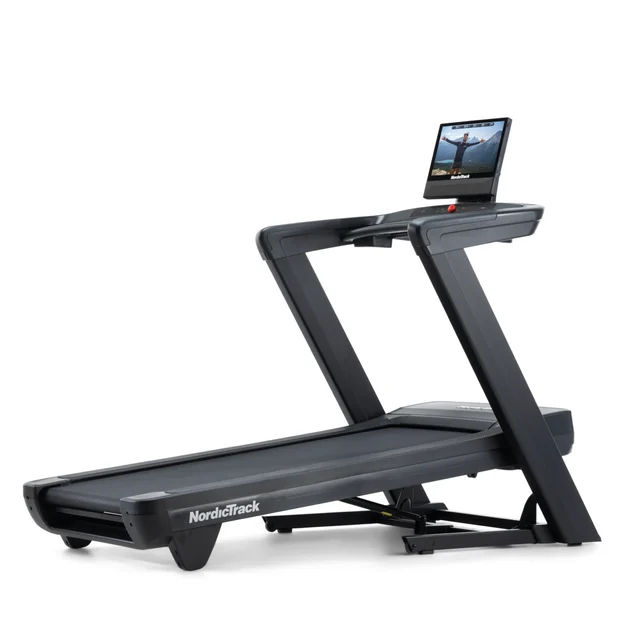
The most complete all-rounder: strong motor, big swiveling screen, and the rare ability to run downhill as well as up.
Best for: Serious home runners who want one machine to do everything, from recovery walks to hill and decline training.
- Powerful motor and a wide 22-inch deck that stays stable for long runs and heavier users
- Decline as well as incline, which almost no rival at this price offers
- Large swiveling touchscreen now streams mainstream video apps alongside its own guided workouts
- Full guided experience leans on a paid subscription to shine
- Heavy and long even folded, and independent testing noted more speed dip under load than the smoothest rivals
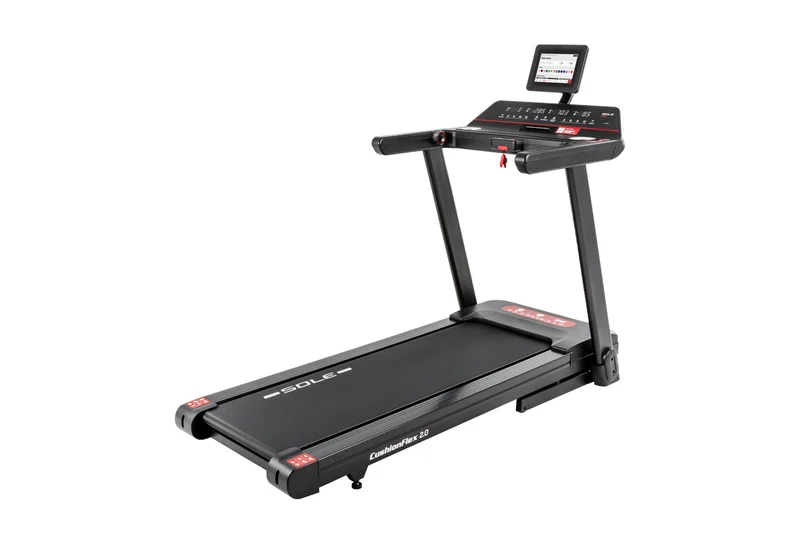
A tank of a runner's treadmill with lifetime frame and motor coverage and a free companion app with no monthly subscription.
Best for: High-mileage runners who want durability and a capable screen without being locked into a subscription.
- Brushless 3.25 HP motor, 20 x 60 inch deck, 0 to 15 percent incline and a 350 lb weight capacity, on a frame that folds upright and rolls away
- Owners report it holds up over years
- 10.1-inch touchscreen with screen mirroring and the free SOLE+ app, no mandatory monthly fee
- Cushioned deck that Sole describes as road-like, plus lifetime frame and motor coverage
- Incline only, no decline
- The built-in screen and software feel more basic than the class-leading guided platforms
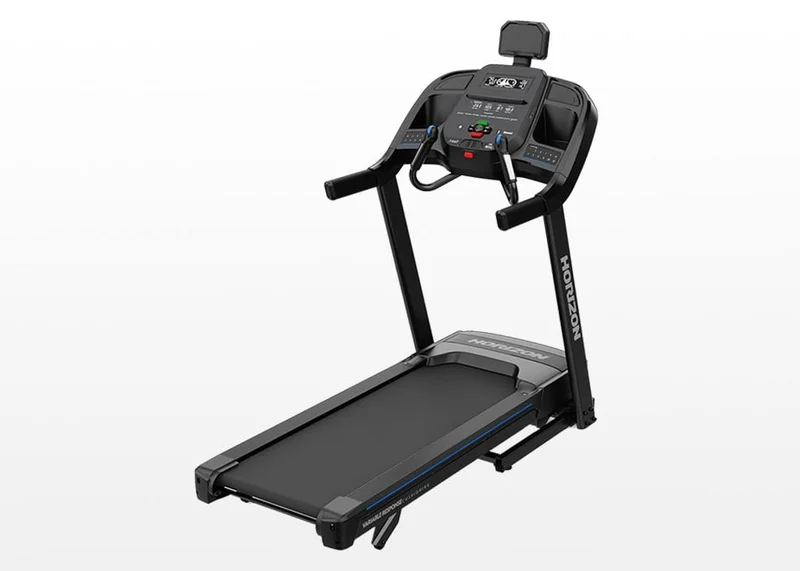
A no-nonsense value pick built for intervals, but you bring your own tablet and your own app.
Best for: Budget-minded interval and HIIT trainers who already have a tablet and don't want to pay for a screen.
- Fast, responsive motor and quick-adjust dial controls that make interval training genuinely enjoyable
- Lifetime frame and motor coverage at a notably lower price than the touchscreen machines
- Plays nicely with third-party fitness apps on your own device
- No touchscreen, just an LCD console; you supply a phone or tablet on the tablet rack for any streaming
- 20-inch deck, narrower than the NordicTrack, and a lower 325 lb weight capacity than the premium runners
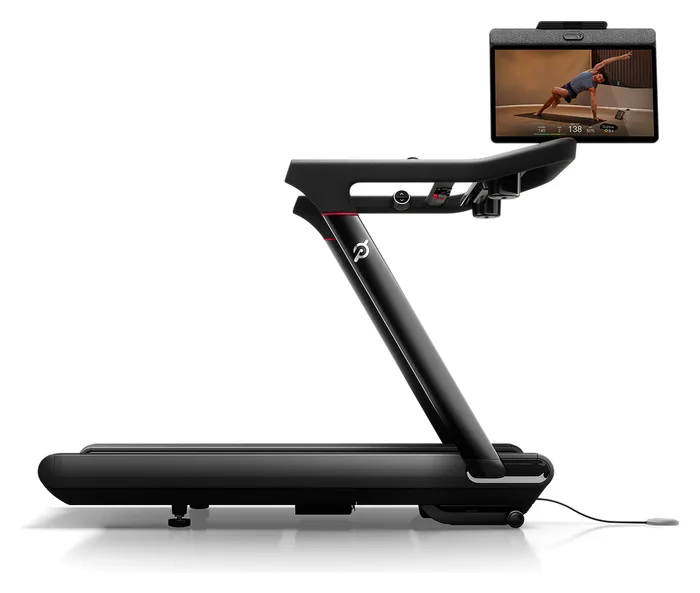
A 23.8-inch swivel screen and the best classes, undercut by a membership for content, no decline, no folding, and a 12-month warranty.
Best for: Devotees of live studio-style classes who will happily pay the ongoing membership and never need to fold it away.
- 23.8-inch Full HD swivel screen and a movement-tracking camera for Peloton's guided cardio and strength classes
- Control knobs and jump buttons for speed and incline, plus auto-incline that follows the instructor
- Just Run works without a membership
- Peloton All-Access Membership is required for its classes and content, at a monthly cost
- Incline 0 to 12.5 percent with no decline, a 59 x 20 inch belt and a top speed of 12.5 mph
- It does not fold; Peloton points buyers who need to stow it to the Tread Flex
- A 12-month Limited Warranty, with 3 years on the motor and belt and 5 on the frame, the shortest cover here
| Criteria | NordicTrack Commercial 1750 Top pick Buy it Buy | Sole F80 Buy it Buy | Horizon 7.0 AT It depends Buy | Peloton Tread Vision Skip it Buy |
|---|---|---|---|---|
| Best for | Serious home runners who want one machine to do everything, from recovery walks to hill and decline training. | High-mileage runners who want durability and a capable screen without being locked into a subscription. | Budget-minded interval and HIIT trainers who already have a tablet and don't want to pay for a screen. | Devotees of live studio-style classes who will happily pay the ongoing membership and never need to fold it away. |
| Price tier | $$$ · premium | $$$ · premium | $$ · mid-range | $$$$ · flagship |
| Motor & stability | Strongest, very stable | Very strong, tank-like | Responsive, lighter-duty | Adequate for classes |
| Running surface | 22" x 60", wide | 20" x 60" | 20" x 60" | 20" x 59" |
| Incline & decline | Incline and decline | Incline only | Incline only | Incline only, no decline |
| Screen & streaming | Large swiveling touchscreen, mainstream apps | 10.1" touchscreen, screen mirroring | LCD console, bring your own tablet | 23.8" swivel touchscreen, best classes |
| Subscription | Optional for full features | None required | None required | Membership for classes; Just Run free |
| Folding & footprint | Folds, but large | Folds | Folds, compact | Does not fold |
| Warranty | Solid | Lifetime frame and motor | Lifetime frame and motor | 12 months; 3 yr motor and belt, 5 yr frame |
| Price tier | $$$ · premium | $$$ · premium | $$ · mid-range | $$$$ · flagship |
Which one is right for you?
- Serious home runners who want one machine to do everything, from recovery walks to hill and decline training. Buy it NordicTrack Commercial 1750
- High-mileage runners who want durability and a capable screen without being locked into a subscription. Buy it Sole F80
- Budget-minded interval and HIIT trainers who already have a tablet and don't want to pay for a screen. It depends Horizon 7.0 AT
- Devotees of live studio-style classes who will happily pay the ongoing membership and never need to fold it away. Skip it Peloton Tread Vision
How we judged the field
We don’t run our own lab. Instead we synthesize independent testing, long-term expert reviews, and aggregated owner reports, then weigh them against what actually matters for a full-size home treadmill. That means motor strength and stability under a real running load, the size and cushioning of the deck, incline (and the rare decline) range, how you get workouts on screen and what it costs, whether the thing folds away, and how the warranty and long-run reliability shake out. We deliberately left out under-desk walking pads; these are machines built to be run on.
NordicTrack Commercial 1750
Buy itThis is the machine we’d point most serious home runners toward. It pairs a strong motor with a wide, stable deck, and it’s one of the very few at this price that inclines and declines, which opens up hill repeats and race-specific downhill work. The large touchscreen swivels and now streams mainstream video apps in addition to its own guided sessions. Independent testing did note more speed dip under heavy load than the very smoothest rivals, and the fullest guided experience leans on a paid subscription, but as an everything machine nothing else here matches it.
Sole F80
Buy itThe F80 is the durability pick. Owners consistently describe it as a tank, and Sole’s specs back the description: a brushless 3.25 HP motor, a 20 x 60 inch deck, 0 to 15 percent incline, a frame that folds upright, a 350 lb weight capacity, and lifetime frame and motor coverage. Crucially, its touchscreen supports screen mirroring and the free SOLE+ app with no mandatory monthly fee, so you’re not renting access to your own treadmill. The trade-offs are that it inclines but doesn’t decline, and its software feels more basic than the class-leading guided platforms. If you log real mileage and want to own rather than subscribe, this is the one.
Horizon 7.0 AT
It dependsThe 7.0 AT is the value play, and whether it’s right for you hinges entirely on how you train. Its fast, responsive motor and quick-adjust dial controls make it a genuine pleasure for intervals and HIIT, and it carries lifetime frame and motor coverage at a price well below the touchscreen machines. The catch is there’s no touchscreen, only an LCD console: you set your own phone or tablet on the rack and run third-party apps. The deck is also narrower and the weight capacity lower. For an interval trainer who already owns a tablet, it’s excellent value; for someone who wants an all-in-one console, it isn’t the fit.
Peloton Tread Vision
Skip itThe Tread Vision is the current version of Peloton’s Tread, and the hardware is handsome: a 23.8-inch Full HD swivel screen, a movement-tracking camera for strength work, control knobs and jump buttons, and auto-incline that follows the instructor. The classes are the best in the business. But the value proposition is undercut on several fronts at once. Peloton’s All-Access Membership is required for its classes and content, so only Just Run works without it. Incline runs 0 to 12.5 percent with no decline, on a 59 x 20 inch belt. It does not fold, and Peloton points anyone who needs to stow a treadmill to its Tread Flex instead. And the Limited Warranty is 12 months, with 3 years on the motor and belt and 5 on the frame, against lifetime frame and motor cover on the Sole and Horizon. Unless you’re specifically buying into the studio-class ecosystem and will happily pay indefinitely, your money stretches further elsewhere.
NordicTrack Commercial 1750 vs Sole F80: which should you buy?
These are the two we’d actually spend money on, and they suit different buyers. The Commercial 1750 is the more versatile machine: it declines as well as inclines, its swiveling screen is larger, and its guided-workout software is more immersive if you pay for it. The Sole F80 answers with grit and independence. It has a slightly narrower 20-inch deck, lifetime frame and motor coverage, and a screen that needs no subscription. Pick the NordicTrack if you want the richest guided training and decline capability in one box. Pick the Sole if you prize long-term durability, lifetime frame and motor coverage, and never wanting a monthly bill attached to your treadmill.
What to look for
- Motor and deck sized for running, not walking: a strong continuous-duty motor and a deck around 22 inches wide keep long runs stable.
- Incline range, and decline if you want hill-and-valley or race-specific training (rare, and a NordicTrack strength here).
- How workouts reach the screen and what it costs: built-in and free, built-in but subscription-driven, or bring-your-own-tablet.
- Cushioning that reduces joint impact without feeling mushy.
- Folding and footprint if the machine has to share a room.
- Warranty and owner-reported reliability, since these are long-term purchases.
Our final take
For most serious home runners, the NordicTrack Commercial 1750 is the smartest single choice: it does the most, including the decline training almost nobody else offers, and its screen keeps you entertained. If your priorities are durability, lifetime frame and motor coverage, and never paying a subscription, the Sole F80 is the one to own for years. Interval-focused shoppers on a tighter budget should look hard at the Horizon 7.0 AT and simply supply their own tablet. And the Peloton Tread Vision, for all the brilliance of its classes, asks too much for too little flexibility, so most people should skip it.
Questions, answered
How is a full-size treadmill different from an under-desk walking pad?
A full-size home treadmill has a powerful continuous-duty motor, a long and wide running deck, meaningful incline (and sometimes decline), tall side rails, and a console. It's built for running and hill training, not just slow walking. Under-desk walking pads are slim, low-powered, and topped out at a walking pace, designed to slide under a desk. If you plan to run or train seriously, you want a full-size machine like the four here.
Do I really need a monthly subscription?
It depends on the machine. The Peloton Tread Vision requires an ongoing membership to unlock its core value. The NordicTrack Commercial 1750 works without one, but its guided-workout experience is much richer if you pay. The Sole F80 offers screen mirroring and its free SOLE+ app with no mandatory fee, and the Horizon 7.0 AT has no subscription at all since you supply your own tablet and apps.
Does incline matter, and what about decline?
Incline lets you simulate hills, burn more calories at lower speeds, and reduce impact compared with faster flat running, so all four here offer it. Decline (running slightly downhill) is much rarer and useful for race-specific training and working different muscles. Among these four, only the NordicTrack Commercial 1750 offers decline.
Which of these can fold to save space?
The NordicTrack Commercial 1750, Sole F80, and Horizon 7.0 AT all fold the running deck up for storage, and the Horizon folds to one of the smaller footprints. The Peloton Tread Vision does not fold, so plan for a permanent footprint if you choose it.
Which holds up best over years of use?
Owner reports and warranty terms both point to the Sole F80 and the NordicTrack Commercial 1750 as the most durable. Sole and Horizon both back the frame and motor for life, and NordicTrack covers the motor for life. The Peloton Tread Vision carries the shortest warranty here, at 12 months with 3 years on the motor and belt and 5 on the frame. As always this is general product information to help you compare, not a guarantee for any specific unit.
Deciding between the top two? See our head-to-head: NordicTrack Commercial 1750 vs Sole F80.
More in Home Gym
Treadmills, Explained Plain-English guide → NordicTrack Commercial 1750 vs Sole F80 Head-to-head →  The Best Adjustable Weight Benches: 4 Compared (and One to Skip)
  The Best Weighted Vests: 4 Compared (and One to Skip)
  The Best Wrist Wraps: 4 Compared (and One to Skip)
  The Best Yoga Blocks: 4 Compared (and One to Skip)