

Home & Kitchen
The Best Premium Gas Grills: 4 Compared (and One to Skip)
We compared four enthusiast-grade gas grills on burner build, grates, sear power, firebox thickness, ignition, and warranty to see where premium is worth it and where you're paying for the badge.
The short version
Premium gas grills are worth it when the money buys a thick cast-aluminum firebox, real burner metal, heat-holding grates, and a warranty that actually covers them. The Weber Genesis S-335 delivers all of that for the least money, which makes it our pick. The Broil King Regal S590 Pro is the sear-and-rotisserie standout at a similar price. The Weber Summit FS38 S is beautifully built but only makes sense if you'll use six burners and a cabinet. The Bull Angus is where 'premium' turns into paying for the badge, so we'd skip it for cooking value. Best for: buyers who want a grill that sears well and lasts a decade without overpaying for capacity or brand cachet.
Our picks at a glance
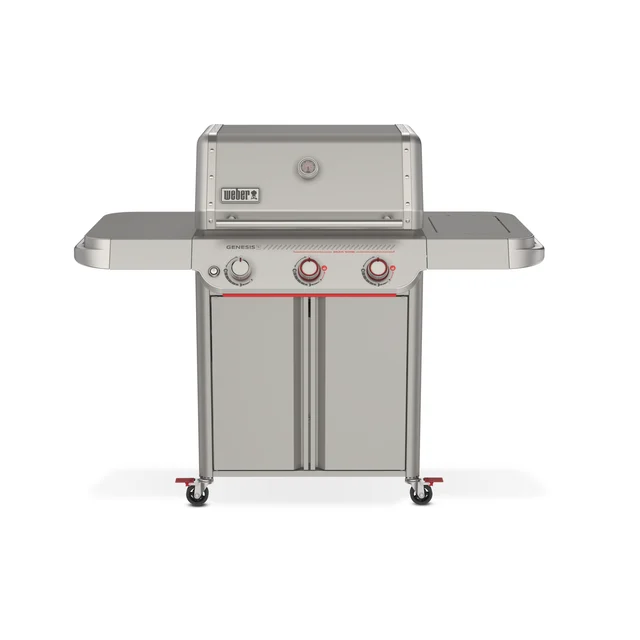
- Weber Genesis S-335 - Buy. The value-premium standard: a thick cast-aluminum cook box, a dedicated sear zone, and Weber's deep warranty for a lot less than a flagship.
- Broil King Regal S590 Pro - Buy. A searing-and-rotisserie machine with heavy reversible cast-iron grates, an infrared side burner, and a rear rotisserie burner standard.
- Weber Summit FS38 S - It depends. Weber's flagship is superbly built, but it's a lot of burners, cabinet, and money for capacity most households never use.
- Bull Angus - Skip. A respected outdoor-kitchen name at a flagship price, but the build, heat evenness, and real-world support don't keep up with a Weber or Broil King.
The verdict in 30 seconds
What mattered most
- Burner build
- Cooking grates
- Firebox & hood
- Sear / rotisserie
- Ignition reliability
- Warranty depth
Once you climb past the big-box specials, the money goes into things you can't see in a store: the thickness of the firebox, the metal in the burners, how the grates hold heat, and how long the warranty really covers. We read independent testing and years of owner reports to sort four genuinely premium grills into buy, consider, and skip. The short version: one brand nails the value-premium sweet spot, one is a searing-and-rotisserie standout, one flagship is more grill than most people need, and one respected name is coasting on its outdoor-kitchen reputation.
The value-premium standard: a thick cast-aluminum cook box, a dedicated sear zone, and Weber's deep warranty for a lot less than a flagship.
Best for: Most people who want a grill that sears well and lasts a decade without paying flagship money.
- Heavy cast-aluminum cook box (redesigned from the old thin-stainless firebox) holds and radiates heat evenly
- Dedicated Sear Zone burner plus a side burner covers real cooking, not just marketing
- Infinity electronic ignition is among the most reliable in owner reports
- Long, comprehensive Weber warranty and famously easy parts availability
- Stainless finish and side burner push it above the entry Genesis models in price
- No rear rotisserie burner out of the box (rotisserie is an add-on)
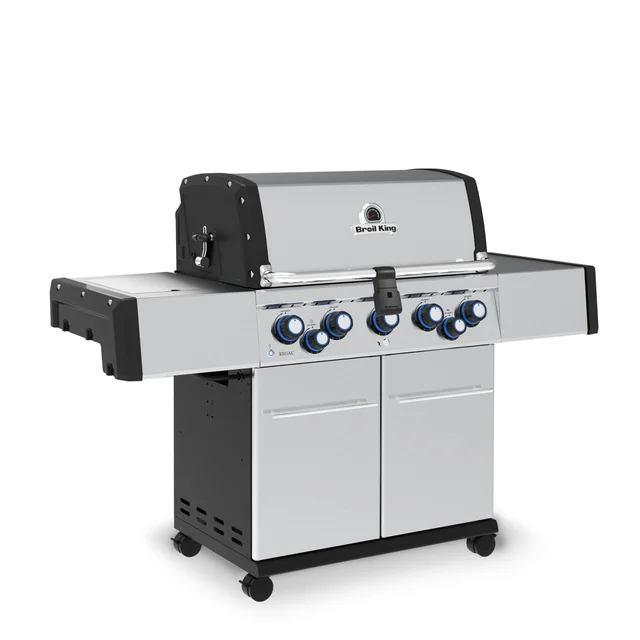
A searing-and-rotisserie machine with heavy reversible cast-iron grates, an infrared side burner, and a rear rotisserie burner standard.
Best for: Sear-chasers and rotisserie cooks who want maximum heat and features for a premium (not flagship) price.
- Linear stainless Dual-Tube burners plus a Flav-R-Wave heat-diffusion system produce strong, even direct heat
- Thick reversible cast-iron cooking grids leave excellent sear marks and hold heat for high-temp cooking
- Infrared side burner and rear rotisserie burner are included, not upsells
- Cast-aluminum cook box and a strong warranty on the box and Dual-Tube burners
- Cast-iron grates need seasoning and more upkeep than porcelain or stainless
- Owners occasionally report finicky ignition and heavier assembly than a Weber
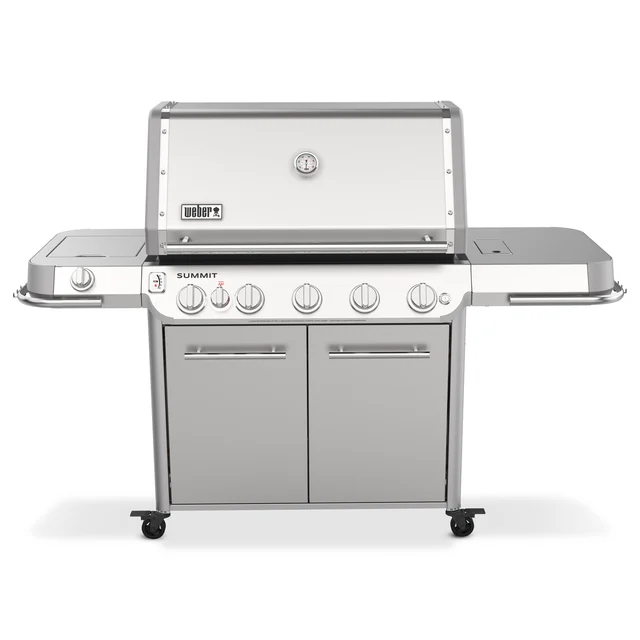
Weber's flagship is superbly built, but it's a lot of burners, cabinet, and money for capacity most households never use.
Best for: Frequent entertainers and big families who will genuinely use six burners, the sear station, and rotisserie.
- Same heavy cast-aluminum build quality as the Genesis, scaled up with an integrated Sear Station
- Six main burners and a large cabinet suit high-volume cooking and entertaining
- Rotisserie-ready and smoker-box friendly for people who use every feature
- Long, comprehensive Weber warranty and excellent parts support
- Costs far more than a Genesis while the core cooking experience is similar for most meals
- Big footprint and weight; the extra burners are wasted on typical weeknight grilling
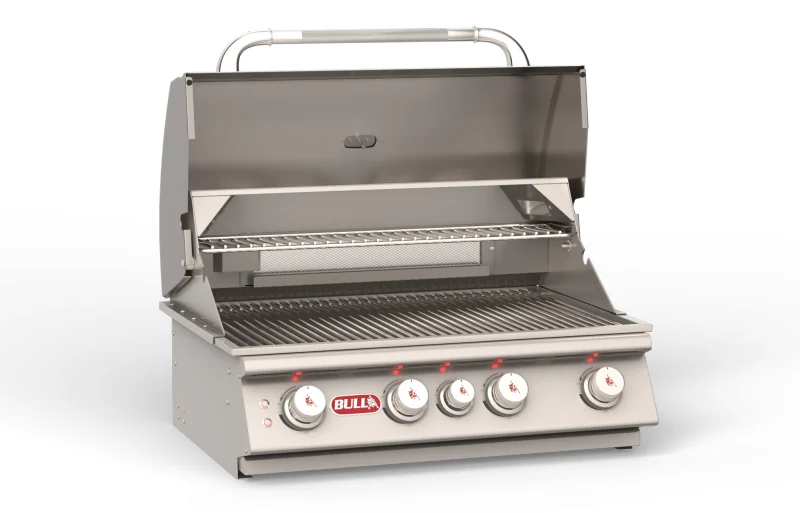
A respected outdoor-kitchen name at a flagship price, but the build, heat evenness, and real-world support don't keep up with a Weber or Broil King.
Best for: Built-in island projects where matching a Bull outdoor-kitchen aesthetic outranks pure cooking value.
- Genuine outdoor-kitchen looks and a familiar built-in brand
- Cast stainless burners and a usable rear rotisserie option
- Available as a drop-in head or on a cart for island builds
- Owners frequently report uneven heat and hot spots versus similarly priced Weber/Broil King
- Thinner lid and ignition reliability complaints show up repeatedly in owner reports
- Warranty looks generous on paper but service experiences are mixed
- You're paying a flagship price partly for the outdoor-kitchen badge
| Criteria | Weber Genesis S-335 Top pick | Broil King Regal S590 Pro | Weber Summit FS38 S | Bull Angus |
|---|---|---|---|---|
| Verdict | Buy it | Buy it | It depends | Skip it |
| Best for | Most people who want a grill that sears well and lasts a decade without paying flagship money. | Sear-chasers and rotisserie cooks who want maximum heat and features for a premium (not flagship) price. | Frequent entertainers and big families who will genuinely use six burners, the sear station, and rotisserie. | Built-in island projects where matching a Bull outdoor-kitchen aesthetic outranks pure cooking value. |
| Price tier | $$$ · premium | $$$ · premium | $$$$ · flagship | $$$$ · flagship |
| Burner build | Sealed stainless burners | Linear stainless Dual-Tube burners | High-output stainless + Sear Station | Cast stainless, prone to hot spots |
| Cooking grates | Porcelain-enameled cast iron | Heavy reversible cast iron | Porcelain-enameled cast iron | Stainless rod (lighter) |
| Firebox & hood | Thick cast-aluminum cook box | Cast-aluminum box, stainless hood | Thick cast-aluminum cook box | Stainless (thinner lid) |
| Sear / rotisserie | Sear Zone burner (rotisserie add-on) | Infrared side + rear rotisserie burner | Sear Station + rotisserie-ready | No dedicated sear zone |
| Ignition reliability | Infinity electronic — very reliable | Push-button — mostly reliable | Electronic — reliable | Push-button — mixed reports |
| Warranty depth | Long, comprehensive | Strong on box & burners | Long, comprehensive | Generous on paper, mixed service |
| Price tier | $$$ · premium | $$$ · premium | $$$$ · flagship | $$$$ · flagship |
Which one is right for you?
- Most people who want a grill that sears well and lasts a decade without paying flagship money. Buy it Weber Genesis S-335
- Sear-chasers and rotisserie cooks who want maximum heat and features for a premium (not flagship) price. Buy it Broil King Regal S590 Pro
- Frequent entertainers and big families who will genuinely use six burners, the sear station, and rotisserie. It depends Weber Summit FS38 S
- Built-in island projects where matching a Bull outdoor-kitchen aesthetic outranks pure cooking value. Skip it Bull Angus
How we judged the field
We don’t run our own grilling lab. Instead, we synthesize independent testing and a large body of owner reports, then weigh them against what actually makes a grill premium rather than just expensive. Five things did most of the sorting.
- Firebox and hood build. The single biggest jump from big-box to premium is a thick cast-aluminum cook box instead of thin stamped stainless. It holds heat, evens out the temperature across the grates, and resists warping. Reviewers consistently find this matters more than raw BTU numbers.
- Burner and grate material. Heavy stainless or cast burners outlast the thin tubes on cheap grills, and heat-holding grates (porcelain-enameled cast iron or thick stainless) are what actually put a sear on food. More burners only help if the metal and the firebox behind them are good.
- Sear and rotisserie hardware. A dedicated sear zone or infrared burner and a rear rotisserie burner are the features enthusiasts genuinely use — when they use them at all.
- Ignition reliability. A grill you have to coax to light is a daily annoyance. Owner reports are the best signal here, and they vary more by brand than the spec sheets suggest.
- Warranty depth and parts. Premium should mean years of coverage on the cook box, burners, and grates, plus a parts network so wear items are a quick fix, not a reason to replace the whole grill.
Against those criteria, one grill offered the most premium-for-the-money, two earned their price for specific buyers, and one asked flagship money without backing it up.
Weber Genesis S-335 - buy
The current Genesis is the grill that reset our expectations for what mid-premium money should buy. Weber’s redesign moved it to a heavy cast-aluminum cook box — the kind of firebox that used to be reserved for the flagship Summit — and it shows up in how evenly the grates heat and how well the grill recovers after the lid opens. The S-335 adds a stainless finish, a side burner, and a dedicated Sear Zone burner for concentrated high-heat searing.
What pushes it to our top pick is the combination of that build with Weber’s Infinity electronic ignition, which owners report as one of the most dependable in the category, and a long, comprehensive warranty backed by parts you can actually find years later. Reviewers regularly describe these grills lasting a decade or more with basic maintenance. The honest caveat: the stainless-and-side-burner trim costs more than the entry Genesis models, and a rotisserie is an add-on rather than built in. For most buyers, that’s the right place to spend — and the right place to stop.
Broil King Regal S590 Pro - buy
If your priority is searing power and rotisserie, the Regal S590 Pro is the one to cross-shop. Broil King builds it around linear stainless Dual-Tube burners and a Flav-R-Wave heat-diffusion system that spreads heat and helps control flare-ups, and it tops the grates with heavy reversible cast iron that stores a lot of heat for steakhouse-style marks. Unlike many rivals, the infrared side burner and the rear rotisserie burner are standard rather than upsells, and the cook box is cast aluminum with a strong warranty on the box and burners.
The trade-offs are real but manageable. Cast-iron grates need seasoning and a little more care than porcelain or stainless, assembly is heavier than a Weber, and a minority of owners report finicky ignition. None of that undermines the core proposition: for a premium (not flagship) price, this is the most sear-and-rotisserie capability on the list. It’s a genuine buy for cooks who chase a crust.
Weber Summit FS38 S - it depends
The Summit is not a bad grill — it’s an excellent one, and that’s exactly why it needs a careful verdict. It carries the same heavy cast-aluminum build philosophy as the Genesis, scaled up to six burners with an integrated Sear Station, a large cabinet, and easy rotisserie and smoker-box use. If you cook for a crowd every weekend and will actually light all those burners, it’s a joy and the warranty and parts support are first-rate.
The problem is value for a typical household. For most meals, the cooking experience is close to what a Genesis delivers, yet the Summit costs substantially more and takes up considerably more space. You’re paying for capacity and a cabinet, not a better sear on a weeknight steak. Buy it if you’re an entertainer who will use every feature; if you’re rationalizing the burners you’ll rarely light, the Genesis gets you most of the way for much less. That gap is the whole ‘is premium worth it’ question in one grill.
Bull Angus - skip
Bull has a real reputation in built-in outdoor kitchens, and the Angus looks the part. But judged as a cooking appliance at its price, it’s where premium tips into paying for the badge. It uses cast stainless burners and offers a rear rotisserie, yet owner reports repeatedly flag uneven heat and hot spots, a thinner lid than similarly priced rivals, and ignition reliability complaints. The warranty reads generously on paper, but real-world service experiences are mixed — the opposite of what you want at this tier.
Stack it against a Weber or a Broil King at the same money and it loses on the fundamentals that define premium: firebox evenness, burner quality, and support you can count on. The one scenario where it makes sense is an island build where matching a Bull outdoor-kitchen aesthetic genuinely matters more than cooking value. For a freestanding grill you’re choosing on merit, we’d skip it.
Weber Genesis S-335 vs Broil King Regal S590 Pro: which should you buy?
These two are the real decision for most premium buyers, and they split cleanly. The Genesis S-335 is the all-rounder: a superb cast-aluminum firebox, a reliable ignition, low-maintenance porcelain cast-iron grates, and the deepest parts-and-warranty safety net in the business. It’s the grill we’d hand to someone who wants to buy once and forget about it.
The Regal S590 Pro is the specialist. It out-features the Weber for the same tier — infrared side burner and rear rotisserie burner included, plus heavy reversible cast-iron grates that sear harder. The costs are a bit more upkeep and slightly less predictable ignition. Choose the Broil King if searing and rotisserie are the reasons you’re upgrading; choose the Genesis if you value even, fuss-free everyday cooking and the confidence that you’ll find a replacement burner in ten years. Neither is a mistake.
What to look for
- A thick cast-aluminum (not thin stamped stainless) cook box — it’s the biggest driver of even heat and longevity.
- Heavy grates that hold heat — porcelain-enameled cast iron or thick stainless; match the material to how much upkeep you’ll tolerate.
- A real sear zone or infrared burner only if you’ll use it; a strong main-burner sear covers most cooking.
- A rear rotisserie burner if roasts and whole chickens are on your menu — otherwise skip the premium for it.
- Heat-diffusion bars or plates over the burners to tame flare-ups.
- Reliable ignition, judged by owner reports as much as the spec sheet.
- Multi-year warranty on the cook box, burners, and grates, plus a brand with a parts network.
- Right-sized capacity — don’t pay for burners and cabinet space you won’t use.
Our final take
Premium gas grills earn their money when it goes into the firebox, the burners, the grates, and the warranty — and they waste it when it goes into badge, bulk, or gimmicks. The Weber Genesis S-335 concentrates the spend where it counts and is our pick for most people. The Broil King Regal S590 Pro is the better buy if you want maximum searing and an included rotisserie at the same tier. The Weber Summit FS38 S is genuinely excellent but only worth its flagship price if you’ll use its capacity. And the Bull Angus is the cautionary tale: a premium price that leans on reputation more than results. Buy for how you actually cook, and ‘premium’ will feel like value instead of a splurge.
Questions, answered
Is a premium gas grill actually worth it over a big-box model?
For most people, yes, but for specific reasons. The premium tier buys a thick cast-aluminum firebox instead of thin stamped stainless, heavier burners and grates that resist rust and hold heat, a reliable ignition, and a warranty measured in years rather than months. Independent testing and long-run owner reports consistently show these grills heating more evenly and lasting far longer. What you should not pay extra for is a bigger badge, extra burners you'll never light, or 'smart' features you won't use.
Are stainless or cast-iron cooking grates better?
It's a trade-off, not a ranking. Heavy cast iron (especially porcelain-enameled) holds and radiates more heat, so it sears aggressively and leaves strong grill marks, but bare cast iron needs seasoning and care. Thick stainless rod grates shrug off rust and need less maintenance but store slightly less heat. The grills here that lean into searing use cast iron; if low upkeep matters more to you, porcelain-coated cast iron or heavy stainless is the friendlier choice.
Do I need an infrared sear burner or a rotisserie?
Only if you'll use them. An infrared or dedicated sear zone gets a small area much hotter for steakhouse-style crusts, and a rear rotisserie burner is genuinely great for whole chickens and roasts. If you mostly grill burgers and vegetables, a strong main-burner sear is plenty and those extras are optional. Buy the feature because you'll cook with it, not because the spec sheet lists it.
What causes flare-ups and uneven heat on a gas grill?
Flare-ups come from fat dripping onto exposed flames, so grills with heat-diffusion bars or plates (like flavorizer-style shields) over the burners manage them better than open-burner designs. Uneven heat usually traces back to thin fireboxes that lose heat at the edges, burners that don't distribute gas evenly, or lightweight grates. That's exactly where firebox thickness and burner quality justify the premium price.
How much does warranty and parts availability really matter?
A lot, over the life of the grill. Burners, igniters, and grates are wear items, and a grill you can keep running for ten-plus years is far better value than a cheaper one you replace in three. Look for multi-year coverage on the cook box, burners, and grates, and favor brands with a real parts network so a worn igniter or burner is a quick fix rather than a reason to buy new.
Deciding between the top two? See our head-to-head: Weber Genesis S-335 vs Broil King Regal S590 Pro.
More Home & Kitchen reviews
 The Best Pressure Canners: 4 Compared (and One to Skip)
  The Best Electric Pressure Washers for Home Use: 4 Compared (and One to Skip)
  The Best Range Hoods: 4 Compared (and One to Skip)
  The Best Rice Cookers of 2026: Fuzzy Logic, Pressure, and One to Skip
  The Best Robot Vacuums Under $500 in 2026 (and the One to Skip)
  The Best Santoku Knives: 4 Compared (and One to Skip)