

Tech & Gadgets
The Best PC Power Supplies: 4 Compared (and One to Skip)
We compared four current desktop PSUs on efficiency, the new ATX 3.1 12V-2x6 connector, cabling, fan noise, and warranty to find the ones worth buying.
The short version
For most desktop builds, 850W of 80 PLUS Gold with a native 12V-2x6 connector is the sweet spot, and both the Corsair RM850x SHIFT and the be quiet! Pure Power 13 M deliver it with 10-year warranties. The RM850x SHIFT is our top pick for its Zero RPM silence and clever side-mounted connectors, while the Pure Power 13 M is the value choice that gives up little. Step up to the 1000W Platinum Corsair HX1000i only if you're running a flagship GPU or want live digital monitoring. Skip the be quiet! System Power 11 for any gaming build: its Bronze efficiency, fixed cables, and shorter warranty undercut the small savings. Best for: builders who want a quiet, efficient PSU that will outlast several GPUs.
The verdict in 30 seconds
What mattered most
- Wattage & headroom
- 80 PLUS efficiency
- ATX 3.1 / native 12V-2x6
- Cabling
- Fan behavior
- Warranty
A power supply is the one part you buy once and want to forget about for a decade, which is exactly why it deserves more thought than most builders give it. We synthesized independent bench testing with long-run owner reports to compare four widely sold 2026 units, spanning a budget office unit to a 1000W flagship. Two are easy recommendations, one is worth it only for a specific kind of build, and one looks like a bargain until you notice what it leaves out.
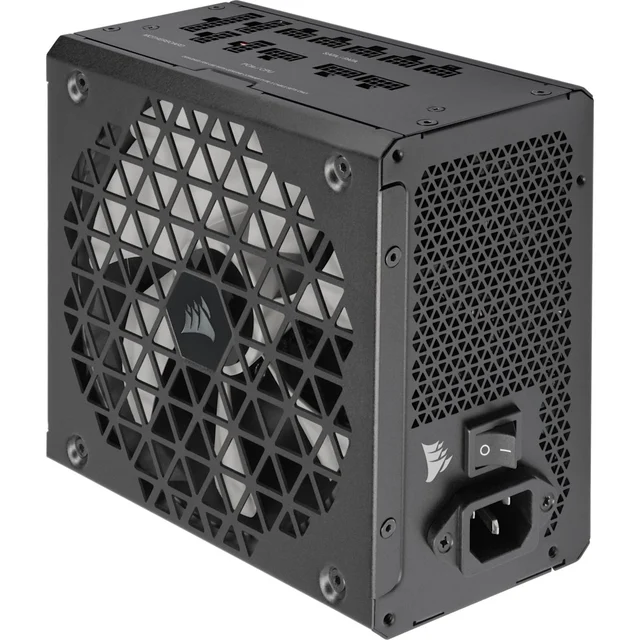
The best-balanced 850W unit for a modern gaming build, with side-mounted modular ports that make cable routing genuinely tidy.
Best for: Gaming and creator builds that want ample headroom, quiet operation, and the cleanest cable job.
- 80 PLUS Gold efficiency with a native 12V-2x6 connector for current PCIe 5.1 graphics cards
- Side-facing modular connectors sit against the motherboard tray, so cables disappear behind it
- 140mm fluid-dynamic-bearing fan with a Zero RPM mode that stays silent under light load
- Fully modular with a 10-year warranty; owners report years of quiet, stable service
- The side-connector layout only pays off in cases designed with the clearance for it
- Priced above conventional 850W Gold units of similar output
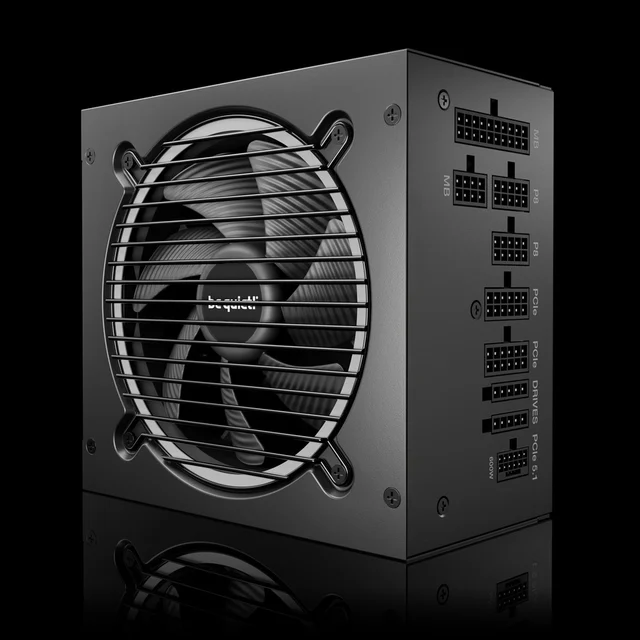
The value pick: a fully modular, ATX 3.1 Gold unit that runs quietly and undercuts the premium names.
Best for: Mainstream gaming and everyday builds that want modern features without paying flagship money.
- 80 PLUS Gold with a native 12V-2x6 connector, so it is ready for a current high-draw GPU
- Fully modular cabling at a friendlier price than most premium 850W units
- Temperature-controlled 120mm fan that independent testing and owners describe as very quiet
- Backed by a 10-year warranty, unusual at this price
- The fan idles rather than fully stopping, so there is no true silent Zero RPM mode
- Voltage regulation is solid but a step behind the flagship Platinum units under heavy swings
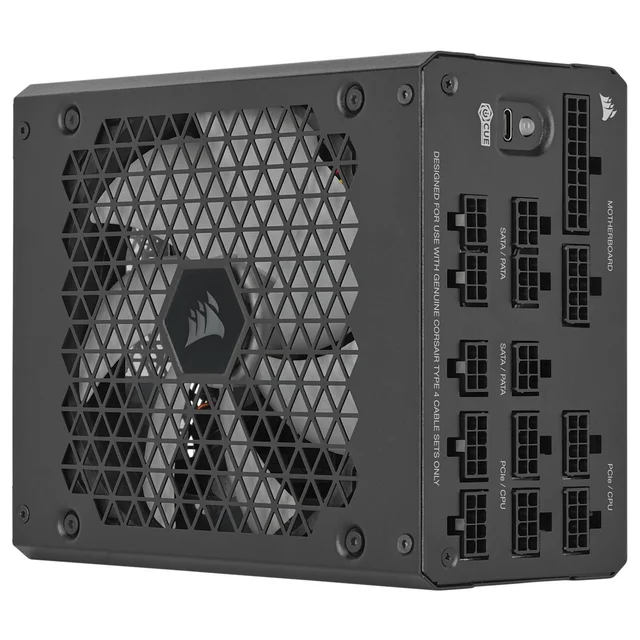
A 1000W Platinum flagship with real-time digital monitoring, brilliant if your build actually needs it and overkill if it doesn't.
Best for: High-power builds with a flagship GPU, or tinkerers who want telemetry and future-proof headroom.
- 80 PLUS Platinum efficiency and a native 12V-2x6 connector with generous headroom for top-tier GPUs
- Digital monitoring reports live wattage, temperature, and efficiency, and lets you tune the fan curve
- 140mm fan with Zero RPM mode stays silent until the load climbs
- Fully modular with a 10-year warranty and a reputation for long-term stability
- 1000W is more capacity than most single-GPU builds will ever draw
- You pay a clear premium for the extra wattage and the monitoring software you may never open
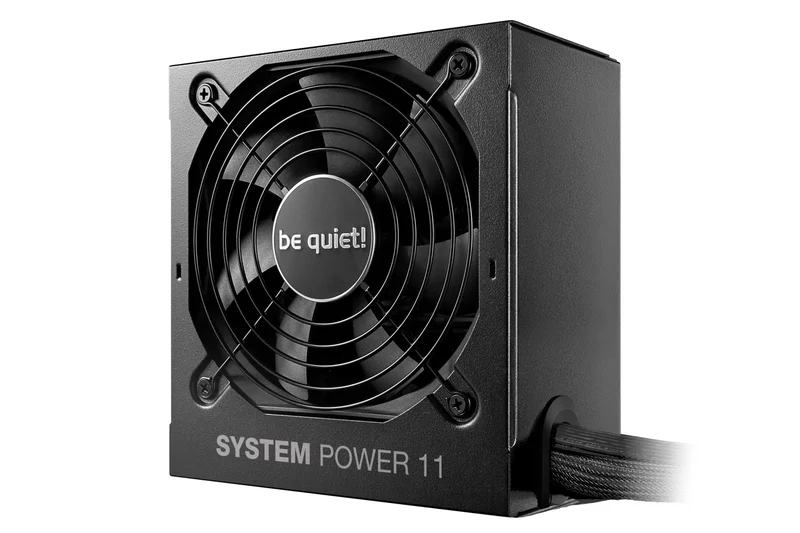
A cheap, capable office-PC unit that stops making sense the moment a real graphics card enters the picture.
Best for: Strictly budget office or home-theater PCs with no discrete gaming GPU.
- Inexpensive, and now carries a native 12V-2x6 connector despite the entry-level positioning
- Quiet enough for a basic desktop under light load
- Adequate 750W output for a build without a power-hungry GPU
- Only 80 PLUS Bronze efficiency, so it runs warmer and wastes more at the wall than the Gold units
- Fixed, non-modular cables clutter the case and there is no Zero RPM fan mode
- Shorter 5-year warranty, half of what the recommended units offer
| Criteria | Corsair RM850x SHIFT (ATX 3.1) Top pick | be quiet! Pure Power 13 M 850W | Corsair HX1000i (ATX 3.1) | be quiet! System Power 11 750W |
|---|---|---|---|---|
| Verdict | Buy it | Buy it | It depends | Skip it |
| Best for | Gaming and creator builds that want ample headroom, quiet operation, and the cleanest cable job. | Mainstream gaming and everyday builds that want modern features without paying flagship money. | High-power builds with a flagship GPU, or tinkerers who want telemetry and future-proof headroom. | Strictly budget office or home-theater PCs with no discrete gaming GPU. |
| Price tier | $$$ · premium | $$ · mid-range | $$$$ · flagship | $ · budget |
| Wattage & headroom | 850W — ample for one strong GPU | 850W — ample for one strong GPU | 1000W — headroom for flagship GPUs | 750W — enough only without a big GPU |
| 80 PLUS efficiency | Gold | Gold | Platinum | Bronze |
| ATX 3.1 / native 12V-2x6 | Yes, native 12V-2x6 | Yes, native 12V-2x6 | Yes, native 12V-2x6 | Yes, native 12V-2x6 |
| Cabling | Fully modular (side-mounted) | Fully modular | Fully modular | Non-modular (fixed cables) |
| Fan behavior | 140mm, Zero RPM mode | 120mm, quiet but always spinning | 140mm, Zero RPM mode | 120mm, always spinning |
| Warranty | 10 years | 10 years | 10 years | 5 years |
| Best use | Clean, quiet gaming build | Value gaming build | High-power / flagship GPU | Budget office PC only |
| Price tier | $$$ · premium | $$ · mid-range | $$$$ · flagship | $ · budget |
Which one is right for you?
- Gaming and creator builds that want ample headroom, quiet operation, and the cleanest cable job. Buy it Corsair RM850x SHIFT (ATX 3.1)
- Mainstream gaming and everyday builds that want modern features without paying flagship money. Buy it be quiet! Pure Power 13 M 850W
- High-power builds with a flagship GPU, or tinkerers who want telemetry and future-proof headroom. It depends Corsair HX1000i (ATX 3.1)
- Strictly budget office or home-theater PCs with no discrete gaming GPU. Skip it be quiet! System Power 11 750W
How we judged the field
We don’t run our own power-supply lab. Instead, we synthesize independent bench testing with aggregated owner reports gathered over months and years of real use, and we weight the criteria that actually determine whether a PSU is a good long-term buy. Raw wattage matters less than most people think once you have enough headroom, so we looked harder at efficiency (the 80 PLUS rating), whether the unit ships with a native 12V-2x6 connector for modern graphics cards, cable management, fan noise behavior, and the length of the warranty as a proxy for how much the maker trusts the platform inside.
Every unit here is a current, buyable 2026 model built to the ATX 3.1 standard with a native 12V-2x6 GPU connector. What separates them is how efficiently they deliver power, how quietly they do it, how cleanly they wire into a build, and how long they’re guaranteed to keep going.
Corsair RM850x SHIFT (ATX 3.1) — buy
The RM850x SHIFT takes an already excellent 850W platform and rethinks the one thing builders quietly hate: cable routing. Its modular connectors are mounted on the side of the unit rather than the back, so once it’s installed the cables run straight into the motherboard tray and vanish behind it. Independent testing rates the underlying unit highly for efficiency and voltage stability, and it carries 80 PLUS Gold certification with a native 12V-2x6 connector, a 140mm fluid-dynamic-bearing fan, and a Zero RPM mode that keeps it silent until the load climbs. A 10-year warranty and years of positive owner reports make it an easy recommendation. The only catch is that the side-connector design shows its benefit in cases built with clearance for it, so check your case before you commit.
be quiet! Pure Power 13 M 850W — buy
This is the value play, and a genuinely good one. The Pure Power 13 M gives you the same essentials that matter most — 80 PLUS Gold efficiency, a native 12V-2x6 connector, fully modular cabling, and a 10-year warranty — for meaningfully less than the premium names. Owners and independent testing consistently note how quiet it runs, thanks to a temperature-controlled 120mm fan that stays gentle under load. The compromises are minor: the fan idles slowly rather than stopping entirely, so there’s no true silent mode, and its voltage regulation, while solid, isn’t quite at the level of a Platinum flagship. For the vast majority of gaming and everyday builds, none of that will ever be noticed.
Corsair HX1000i (ATX 3.1) — it depends
The HX1000i is a superb piece of hardware, and whether it’s the right buy comes down entirely to your build. It’s an 80 PLUS Platinum, 1000W unit with a native 12V-2x6 connector, a Zero RPM 140mm fan, and Corsair’s digital monitoring, which reports live wattage, temperature, and efficiency and lets you tune the fan curve from software. For a build with a flagship graphics card, or for someone who genuinely wants that telemetry and headroom, it’s fantastic. For a normal single-GPU system, though, most of the 1000W and much of the software will go unused, and you’ll have paid a clear premium for capacity you don’t draw. Buy it for the build that needs it, not by default.
be quiet! System Power 11 750W — skip
The System Power 11 is the trap in this lineup: it’s cheap, it’s from a respected brand, and it even carries a modern 12V-2x6 connector, so on a spec sheet it looks like a steal. The problem is what it gives up. Efficiency is only 80 PLUS Bronze, so it runs warmer and wastes more power than the Gold units. Its cables are fixed and non-modular, leaving you to hide the unused ones in your case, and there’s no Zero RPM fan mode. The warranty is five years, half of what the recommended units offer. For a basic office or home-theater PC with no discrete GPU, it’s fine. For anything with a real graphics card, the small upfront saving isn’t worth the efficiency, noise, cabling, and warranty you leave on the table — spend a little more on the Pure Power 13 M.
Corsair RM850x SHIFT vs be quiet! Pure Power 13 M: which should you buy?
These two are the heart of the decision, because both nail the fundamentals: 850W of 80 PLUS Gold power, a native 12V-2x6 connector, full modularity, and a 10-year warranty. The differences are about polish and price. The RM850x SHIFT adds a Zero RPM mode for true silence at idle and its signature side-mounted connectors for a cleaner build, and it’s the better choice if you’re building in a case designed to take advantage of that layout and you want the quietest possible result. The Pure Power 13 M costs less and gives up very little in return — its fan spins slowly instead of stopping, and its regulation is a hair behind under extreme swings, neither of which most owners will ever notice. If you want the tidiest, quietest build and your case supports it, take the SHIFT. If you’d rather keep money in your pocket for the GPU, the Pure Power 13 M is the smarter buy.
What to look for
- Enough wattage, not maximum wattage: 850W is the sweet spot for most single-GPU builds; only step up to 1000W-plus if you’re running a flagship graphics card.
- 80 PLUS Gold as the baseline: Gold is the efficiency tier worth paying for; Bronze runs warmer and wastes more, while Platinum is a premium most builds don’t need.
- A native 12V-2x6 connector: If you have a current GPU, buy a unit with the cable built in rather than relying on adapters.
- Fully modular cabling: Attach only the cables you use for a cleaner, better-cooled build — especially in compact or windowed cases.
- Fan behavior: A Zero RPM mode means true silence at idle; even without it, look for a quiet, temperature-controlled fan.
- A long warranty: A 10-year warranty signals the maker trusts the platform inside, and a PSU should outlast several GPUs.
Our final take
Buy the right amount of quality once and you won’t think about your power supply again for a decade. For most people that means an 850W, 80 PLUS Gold, ATX 3.1 unit, and both the Corsair RM850x SHIFT and the be quiet! Pure Power 13 M deliver exactly that with 10-year warranties. The RM850x SHIFT is our overall pick for its silent Zero RPM operation and genuinely clever cable routing, with the Pure Power 13 M right behind it as the value choice that sacrifices almost nothing. Reach for the 1000W Platinum HX1000i only if your build truly calls for it, and leave the System Power 11 for a basic office box — on a gaming build, the little it saves you costs more than it’s worth.
Questions, answered
How many watts do I actually need?
For a typical single-GPU gaming PC, an 850W unit leaves comfortable headroom for transient spikes and future upgrades, which is why our two top picks are 850W. A build with a flagship GPU can justify 1000W like the HX1000i, while 750W is really only enough for a system without a power-hungry graphics card. Buying far more wattage than you need mostly costs money rather than improving anything.
What is ATX 3.1 and the 12V-2x6 connector, and do I need them?
ATX 3.1 is the current power-supply standard, and 12V-2x6 is the updated GPU power connector (an improved version of 12VHPWR) designed to seat more reliably and handle brief power spikes from modern graphics cards. If you're buying a current or recent GPU, a unit with a native 12V-2x6 cable is the cleaner, safer route than relying on adapters. All four units here include one.
Does 80 PLUS Gold versus Bronze or Platinum really matter?
The rating reflects how much power is lost as heat rather than delivered to your components. Gold is the practical sweet spot for most builds: noticeably more efficient and cooler-running than Bronze, without the price jump of Platinum. Bronze units like the System Power 11 waste more at the wall and run warmer, which is one reason we steer gaming builders away from them.
Is modular cabling worth it?
Fully modular means you attach only the cables you need, which makes for a cleaner build, easier airflow, and simpler maintenance. Non-modular units like the System Power 11 have all cables permanently attached, leaving you to stuff the unused ones somewhere. For any build with a window or a compact case, modular is well worth it.
What does Zero RPM fan mode do?
Zero RPM keeps the power supply's fan completely off under light and medium loads, so it makes no noise at all until the system draws enough power to warrant cooling. The RM850x SHIFT and HX1000i have it; the be quiet! units keep their fan spinning slowly instead. This is general product information to help you compare features, not a guarantee of any specific noise level in your room.
More Tech & Gadgets reviews
 The Best Prebuilt Gaming PCs: 4 Compared (and One to Skip)
  The Best Smart Blind & Shade Motors: 4 Compared (and One to Skip)
  The Best Smart Displays: 4 Compared (and One to Skip)
  The Best Smart Garage Door Openers: 4 Compared (and One to Skip)
  The Best Smart Glasses: 4 Compared (and One to Skip)
  The Best Smart Home Hubs: 4 Compared (and One to Skip)