

Health & Wellness
The Best Light Therapy Lamps: 4 Compared (and One to Skip)
We compared four current 10,000-lux light therapy lamps on real-world intensity, panel size, adjustability, portability, and value for winter mood and circadian support.
The short version
For most people chasing winter mood and circadian support, the Verilux HappyLight Luxe is the lamp to buy: it is rated up to 10,000 lux with genuinely useful brightness and color-temperature settings in a slim, affordable body. If you want maximum, position-forgiving intensity from a big downward-angled panel, the Carex Day-Light Elite is the stronger, pricier pick. The compact folding Circadian Optics Lumos 2.0 is fine for travel but only reaches full intensity if you sit close. The Northern Light Technologies BOXelite is a capable light box with a long working distance, but its bulk, fluorescent tubes, and flagship price make it hard to recommend over LED rivals. Best for: winter-blues sufferers and shift workers who want reliable morning bright-light exposure without overthinking it.
Our picks at a glance
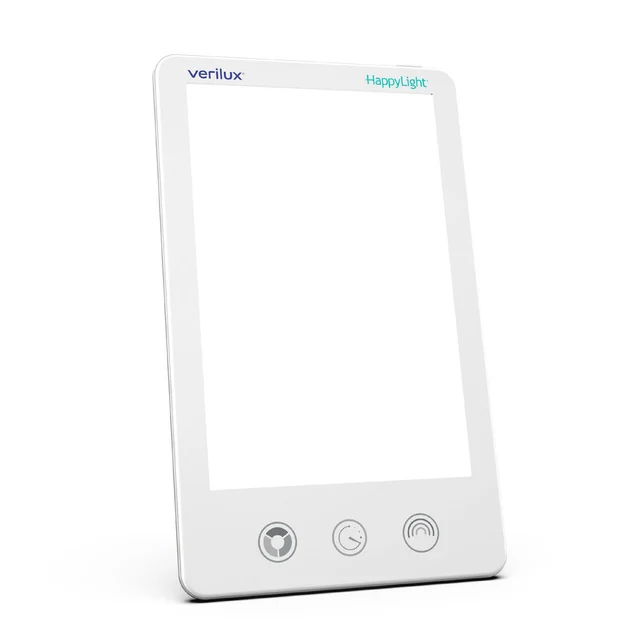
- Verilux HappyLight Luxe - Buy. The lamp most people should buy: 10,000 lux, genuinely useful controls, and a slim tablet form at a sane price.
- Carex Day-Light Elite - Buy. The pick when you want maximum, forgiving intensity from a large adjustable panel.
- Circadian Optics Lumos 2.0 - It depends. A compact folding lamp with a small desk footprint, but the maker publishes no distance rating, so sit close.
- Northern Light Technologies BOXelite Desk Lamp - Skip. A serious light box with a long working distance, but its bulk, fluorescent tubes, and flagship price are hard to justify for most buyers.
The verdict in 30 seconds
What mattered most
- Rated intensity & usable distance
- Panel size / coverage
- Adjustability (brightness / color temp)
- Timer & controls
- Portability
- Light source & warranty
Bright-light therapy lamps aim to deliver roughly 10,000 lux at your eyes to help ease the winter blues and nudge a drifting body clock back on schedule. The hard part is not the headline lux number but whether a lamp actually delivers it at a comfortable distance, with a panel large enough and controls simple enough to use every morning. We compared maker specifications across four widely sold models: two we would buy, one that depends on your needs, and one most people can skip.
The lamp most people should buy: 10,000 lux, genuinely useful controls, and a slim tablet form at a sane price.
Best for: Most people wanting an effective, no-fuss daily lamp for a desk or nightstand.
- Rated up to 10,000 lux, with a slim body you can sit close to at a desk
- Four brightness levels plus three color temperatures cover morning boosts and gentler evening use
- Slim tablet design with detachable stand and wall-mount option; Verilux describes the LED panel as UV-free and free of glare, flicker and hotspots
- Three-year manufacturer warranty, which Verilux calls industry-leading
- Panel is smaller than clinical-style boxes, so head position matters more
- Countdown timer tops out at one hour
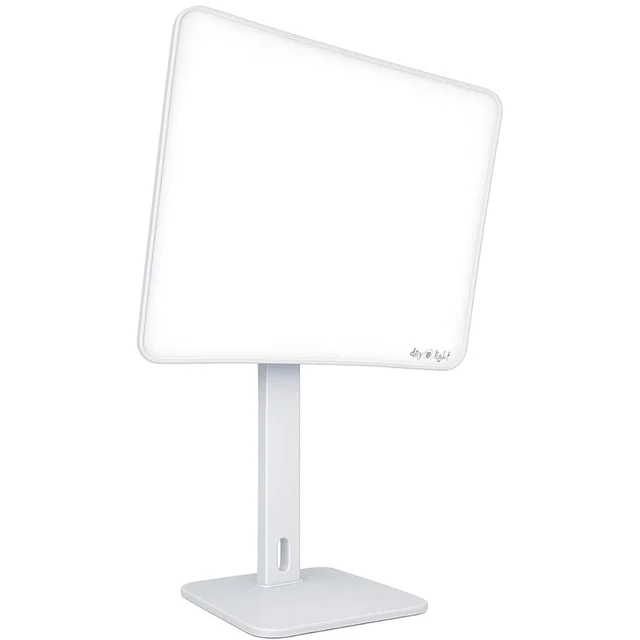
The pick when you want maximum, forgiving intensity from a large adjustable panel.
Best for: Anyone prioritizing generous coverage and easy positioning over a compact footprint.
- Large 15.75 by 13 inch panel rated at 10,000 lux at 12 to 14 inches
- Adjustable height and tilt make it easy to keep light out of your direct line of sight
- Built-in timer with 15/30/45/60-minute settings and four brightness settings from 1,000 to 10,000 lux
- Five-year warranty that Carex says covers the LEDs
- Large footprint that dominates a small desk
- Costs noticeably more than slim tablet lamps
Amazon had no buyable listing for this when we last checked. The link still works if it returns.
Check price on Amazon Read our detailed assessment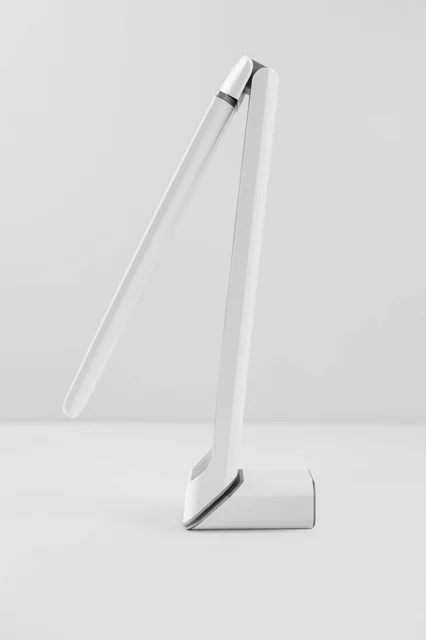
A compact folding lamp with a small desk footprint, but the maker publishes no distance rating, so sit close.
Best for: Frequent travelers and small desks, if you are willing to sit close for full-strength sessions.
- Folding design with a small desk footprint
- Adjustable panel and a weighted, wide base for stability on a desk
- Affordable entry point with a 4-year easy replace policy from the maker
- The maker page gives no lux or distance figure, so you cannot confirm the dose at a normal desk distance
- A compact panel means small movements are more likely to change your dose
- Tall, folding design takes some setup to position
Amazon had no buyable listing for this when we last checked. The link still works if it returns.
Check price on Amazon Read our detailed assessment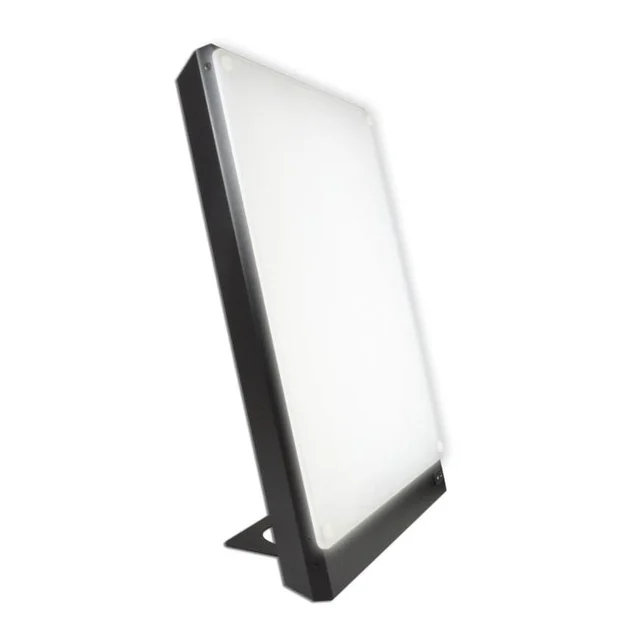
A serious light box with a long working distance, but its bulk, fluorescent tubes, and flagship price are hard to justify for most buyers.
Best for: Enthusiasts who specifically want a large fluorescent box and do not mind the size or cost.
- Rated 10,000 lux at up to 14 inches, a long working distance, from a large panel with a parabolic reflector
- UV-filtered output, electronic power with no flicker, and a 7-year warranty
- Large illuminated surface, 17 by 12.25 inches overall
- Big, 8 lb box that is not portable and takes over a desk
- Uses replaceable fluorescent tubes rather than long-life LEDs
- Flagship pricing for features that LED competitors match for less
| Criteria | Verilux HappyLight Luxe Top pick | Carex Day-Light Elite | Circadian Optics Lumos 2.0 | Northern Light Technologies BOXelite Desk Lamp |
|---|---|---|---|---|
| Verdict | Buy it | Buy it | It depends | Skip it |
| Best for | Most people wanting an effective, no-fuss daily lamp for a desk or nightstand. | Anyone prioritizing generous coverage and easy positioning over a compact footprint. | Frequent travelers and small desks, if you are willing to sit close for full-strength sessions. | Enthusiasts who specifically want a large fluorescent box and do not mind the size or cost. |
| Price tier | $$ · mid-range | $$$ · premium | $ · budget | $$$$ · flagship |
| Rated intensity & usable distance | Up to 10,000 lux | 10,000 lux at 12-14 in | Lux and distance not published | 10,000 lux at ~14 in |
| Panel size / coverage | Tablet panel | Large panel | Small folding panel | Large diffuse box |
| Adjustability (brightness / color temp) | 4 brightness, 3 color temps | Multiple brightness levels | Brightness levels not published | Single fixed output |
| Timer & controls | Countdown timer, touch controls | 15/30/45/60-min timer | No timer listed | Simple switch, no timer |
| Portability | Slim, wall-mountable | Bulky, stays put | Folds flat, packable | Large, not portable |
| Light source & warranty | LED, 3-year warranty | LED, 5-year warranty | LED, 4-year easy replace policy | Replaceable fluorescent tubes |
| Price tier | $$ · mid-range | $$$ · premium | $ · budget | $$$$ · flagship |
Which one is right for you?
- Most people wanting an effective, no-fuss daily lamp for a desk or nightstand. Buy it Verilux HappyLight Luxe
- Anyone prioritizing generous coverage and easy positioning over a compact footprint. Buy it Carex Day-Light Elite
- Frequent travelers and small desks, if you are willing to sit close for full-strength sessions. It depends Circadian Optics Lumos 2.0
- Enthusiasts who specifically want a large fluorescent box and do not mind the size or cost. Skip it Northern Light Technologies BOXelite Desk Lamp
How we judged the field
We do not run our own light lab. Instead, we relied on manufacturer specifications to judge these four lamps on what actually matters for daily use. The single most important factor is not the headline lux number, which every lamp here quotes as 10,000, but whether that intensity reaches your eyes at a comfortable distance. Because light falls off quickly with distance, we weighted the distance at which each lamp delivers its rating and the size of its panel, since a larger surface is far more forgiving of how you sit. We then looked at adjustability (brightness and color temperature), timers and controls, portability, light source and warranty, and overall value. The best lamp is the one you will sit in front of every morning, so ease of use carried real weight.
Verilux HappyLight Luxe
Buy itThe HappyLight Luxe is the lamp we would hand to most people. Verilux rates it at up to 10,000 lux and describes the LED panel as UV-free and free of glare, flicker and hotspots. What sets it apart at its price is flexibility: four brightness levels and three color temperatures let you run a strong cool-white session in the morning and something gentler later, and a countdown timer programmable up to one hour in 5-minute steps handles session length for you. The slim tablet body with a detachable stand and wall mount suits small spaces, and Verilux backs it with a 3-year warranty. The trade-off is a smaller panel than clinical-style boxes, so where you place your head matters more than with the larger models. Verilux’s own page does not state a lux-at-distance figure, so check the manual for the distance it is rated at.
Carex Day-Light Elite
Buy itWhen you want the most generous panel, the Day-Light Elite is the stronger tool. Carex lists a 15.75 by 13 inch screen rated at 10,000 lux at 12 to 14 inches, with four brightness settings from 1,000 to 10,000 lux, a built-in 15/30/45/60 minute timer with auto shut-off, and height and angle adjustment, so you can keep the light above your direct line of sight. It is LED, and Carex gives it a five-year warranty. The costs are physical: it takes up real desk space and sits well above the slim LED tablets on price. If you have the room and the budget, it is the closest thing here to a clinical setup.
Circadian Optics Lumos 2.0
It dependsThe Lumos 2.0 is the specialist. Circadian Optics calls it hyper-adjustable, with a folding mechanism, a small desk footprint and a weighted, wide base for stability, and it is the most affordable option here, with a 4-year easy replace policy. But there is an important caveat: the maker’s page gives no lux, distance or brightness-level figures, so you cannot confirm the dose you get at a normal desk distance. Treat it as a lamp to sit close to, buy it for adjustability and price with eyes open, and do not assume it matches the 10,000 lux at distance of the larger lamps.
Northern Light Technologies BOXelite Desk Lamp
Skip itThe BOXelite is not a bad product; for most buyers it is simply the wrong one. Northern Light Technologies rates it at 10,000 lux at up to 14 inches, from two 36 W fluorescent tubes behind a parabolic reflector with a UV filter, and backs it with a 7-year warranty. The problem is everything around that light. It is a large, 8 lb box that is not portable and dominates a desk, it relies on replaceable fluorescent tubes rather than long-life LEDs, and it sits at flagship pricing for a feature set that LED competitors match for less. Unless you specifically want a large fluorescent box and do not mind the size or cost, your money goes further elsewhere.
Verilux HappyLight Luxe vs Carex Day-Light Elite: which should you buy?
These are the two lamps worth most people’s attention, and the choice comes down to space and how generous you want the panel to be. The HappyLight Luxe wins on value, footprint, and everyday flexibility: it is slim, wall-mountable, and offers brightness and color-temperature control plus a countdown timer. The Day-Light Elite wins on raw coverage: its large panel is rated at 10,000 lux at 12 to 14 inches, and its height and tilt adjustment suit longer sessions. If your desk is tight or your budget is firm, take the Verilux. If you want the largest panel here and have the room, the Carex is the upgrade.
What to look for
- Intensity at a realistic distance: confirm the lamp delivers 10,000 lux at a distance you can actually sit at, not pressed against the panel.
- Panel size: larger surfaces are more forgiving of head position and reduce the need to stay perfectly still.
- Adjustability: multiple brightness levels and color temperatures let you tune morning versus evening use.
- A timer: a built-in countdown makes it easy to hit a consistent 20-to-30-minute session.
- UV filtering and flicker-free output: standard on reputable lamps and worth confirming.
- Form factor and portability: decide whether you need a slim or folding lamp for travel, or a large box that stays put.
- Warranty and support: longer coverage is worth having on a lamp you will use daily.
Our final take
For winter mood and circadian support, buy the Verilux HappyLight Luxe: it is rated up to 10,000 lux, with the controls and timer that make daily use effortless, at a fair price. Step up to the Carex Day-Light Elite if you value a large, position-forgiving panel and have the desk space and budget. Consider the compact Circadian Optics Lumos 2.0 only if adjustability and price are priorities and you will sit close, and skip the Northern Light Technologies BOXelite unless you specifically want a big diffuse fluorescent box. Whichever you choose, the lamp only helps if you use it consistently, and timing and suitability are worth confirming with a healthcare professional.
Questions, answered
How far away should I sit and for how long?
Bright-light protocols generally call for about 10,000 lux measured at your eyes for roughly 20 to 30 minutes, usually in the morning. The catch is that lux drops sharply with distance, so a lamp's rating only counts at the distance it is measured. Larger panels like the Carex and BOXelite tend to be more forgiving of head movement, while compact lamps such as the Lumos 2.0 may require you to sit closer.
Is light therapy safe, and will it actually help my mood?
This is general product and wellness information, not medical advice. Bright-light therapy is widely used for seasonal low mood and circadian timing, and reputable lamps here filter UV, but responses vary and it is not a substitute for professional care. Please consult a qualified healthcare professional before starting, especially if you have an eye condition, take photosensitizing medication, or have bipolar disorder, since bright light can occasionally trigger issues.
Do I need exactly 10,000 lux?
10,000 lux is the intensity most commonly referenced for shorter 20-to-30-minute sessions. Lower intensities can still be used, but typically require longer daily exposure. The lamps here are all marketed as 10,000 lux lamps; the practical differences are the distance and panel size at which each one actually delivers it.
LED or fluorescent: does the light source matter?
For therapy purposes the important factors are intensity at your eyes, even coverage, UV filtering, and freedom from flicker and glare, all of which quality LED and fluorescent lamps can provide. LEDs (the Verilux, Carex, and Circadian Optics here) run cooler, last longer, and need no tube replacements, which is why most modern picks are LED. The fluorescent BOXelite uses two replaceable fluorescent tubes.
When during the day should I use one?
Morning use is the most common recommendation for both mood and shifting a delayed body clock earlier, and many people build it into a breakfast or desk routine. Using a bright lamp late in the evening can make it harder to fall asleep for some people. Timing that best suits your situation is worth confirming with a healthcare professional.
Deciding between the top two? See our head-to-head: Verilux HappyLight Luxe vs Carex Day-Light Elite.
More Health & Wellness reviews
 The Best Massage Chairs for Home: 4 Compared (and One to Skip)
  Best Massage Guns: Percussion Power vs Marketing Hype
  The Best Mattress Toppers: 4 Compared (and One to Skip)
  The Best Meditation Cushions: 4 Compared (and One to Skip)
  The Best Mouth Tape: 4 Compared (and One to Skip)
  The Best Nebulizers: 4 Compared (and One to Skip)