

Garden & Outdoor Living
The Best Cordless Leaf Blowers: 4 Compared (and One to Skip)
We compared four cordless leaf blowers on airflow, runtime, noise, and battery ecosystem to find the right pick for real yards.
The short version
For most homeowners the EGO POWER+ 650 CFM (LB6504) is the blower to buy: strong turbo airflow, long mixed-use runtime, and variable-speed control that works as well near flower beds as on the driveway. The Ryobi 40V HP Whisper Series pushes even more air at a lower price and is part of the quiet Whisper Series, making it the top value pick if you can accept shorter high-power runtime. The Milwaukee M18 FUEL is a well-made compact blower that only makes financial sense if you already own M18 batteries. Skip the WORX 20V Turbine for real yard work: owners find it underpowered with very short runtime, and it's only suited to patios and hard surfaces. Best for: buy the EGO for do-it-all power, the Ryobi for value and quiet, and treat the Milwaukee as an ecosystem add-on.
Our picks at a glance
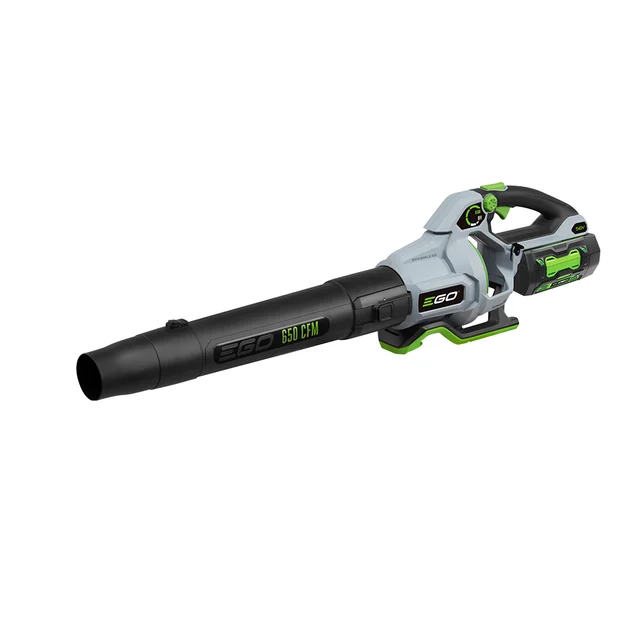
- EGO POWER+ 650 CFM Blower (LB6504) - Buy. The most polished all-rounder, with strong airflow, long runtime, and variable-speed control that suits both delicate beds and heavy fall cleanup.
- RYOBI 40V HP Brushless Whisper Series 730 CFM Blower (RY404100) - Buy. The most air for the money, and quiet enough to run early on a Saturday without annoying the neighbors.
- Milwaukee M18 FUEL Blower (2724-20) - It depends. A compact, well-built blower that makes total sense if you already own M18 batteries and near-zero sense if you don't.
- WORX 20V Power Share Turbine Blower (WG547) - Skip. Fine for a patio and a garage floor, but underpowered and short on runtime for anything resembling a real yard.
The verdict in 30 seconds
What mattered most
- Max airflow (CFM)
- Air speed (MPH)
- Typical runtime
- Noise level
- Battery ecosystem
- What's included
Cordless leaf blowers have quietly gotten good enough that most homeowners no longer need gas. But the gap between the best and the worst is wide: some clear a leaf-covered lawn in one pass, others struggle with a dry patio. We looked at maker specs and owner reports across four popular models to sort the genuinely powerful from the ones that only look the part. Two are easy recommendations, one depends entirely on which battery system you already own, and one is a budget tool we think most people should skip.
The most polished all-rounder, with strong airflow, long runtime, and variable-speed control that suits both delicate beds and heavy fall cleanup.
Best for: Homeowners with a medium-to-large yard who want one blower that handles everything without fuss.
- 650 CFM with a turbo trigger that moves wet, matted leaves in a single pass
- Variable-speed dial plus turbo means you can dial power down near mulch and up for the driveway
- Owners report long mixed-use runtime on the included battery
- 56V EGO platform shares batteries across a large outdoor tool lineup
- Premium price, especially once you add a second battery
- Turbo mode drains the battery fast if you lean on it constantly
Own the EGO POWER+ 650 CFM Blower (LB6504)? Tell us how it held up.
Thanks. Counted, and shown once enough owners have weighed in.
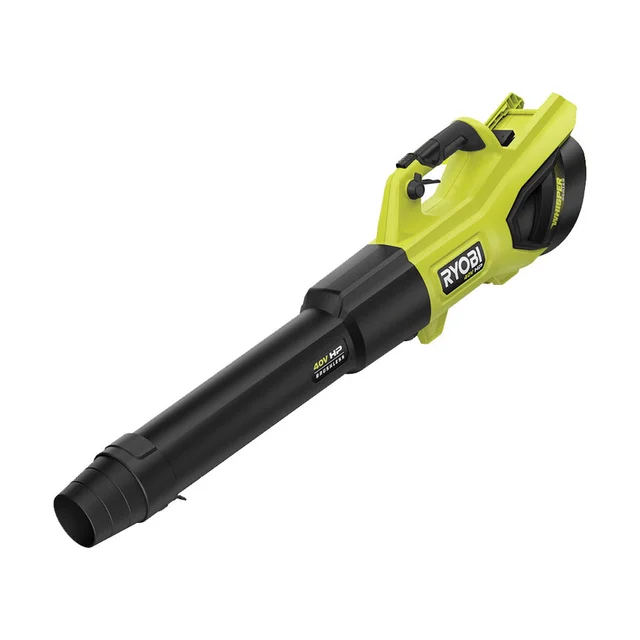
The most air for the money, and quiet enough to run early on a Saturday without annoying the neighbors.
Best for: Value-focused homeowners who want maximum airflow and low noise and don't mind swapping batteries on big jobs.
- Highest raw airflow here at 730 CFM, so big open areas clear quickly
- Part of Ryobi's Whisper Series, which the maker rates as 86% quieter than gas; a real edge for early-morning or HOA-sensitive use
- Ships as a full kit with two 4Ah batteries and a charger, so there is nothing extra to buy
- 40V platform covers a broad, affordable range of yard tools
- Owners report shorter high-power runtime than the EGO
- Bulkier and slightly nose-heavy compared with the more compact rivals
Own the RYOBI 40V HP Brushless Whisper Series 730 CFM Blower (RY404100)? Tell us how it held up.
Thanks. Counted, and shown once enough owners have weighed in.
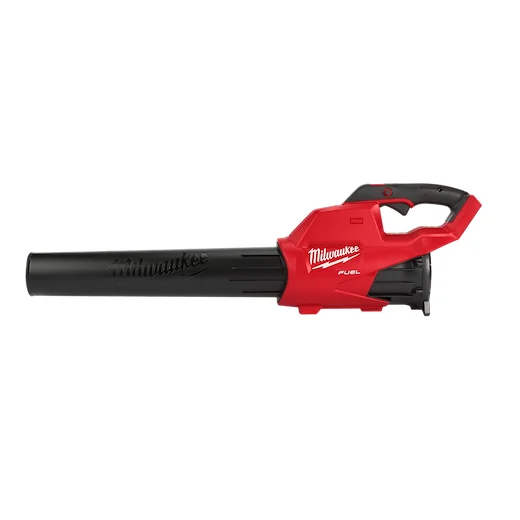
A compact, well-built blower that makes total sense if you already own M18 batteries and near-zero sense if you don't.
Best for: People already invested in the Milwaukee M18 system who want a capable blower for driveways and light yard work.
- Maker says it reaches full throttle in under 1 second, and it handles light-to-medium cleanup with ease
- Compact and comfortable in the hand, with a durable build
- Sold as a bare tool, so existing M18 owners add it for the price of the tool alone
- Lower airflow (450 CFM) than the EGO and Ryobi, so it works harder on wet fall leaves
- Bare tool only, so buying into M18 just for this makes it an expensive way to blow leaves
- Runtime depends heavily on which M18 battery you pair it with
Own the Milwaukee M18 FUEL Blower (2724-20)? Tell us how it held up.
Thanks. Counted, and shown once enough owners have weighed in.
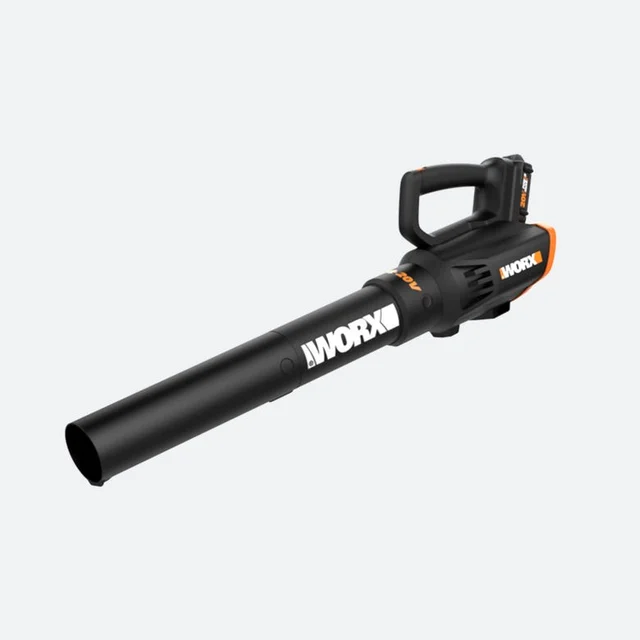
Fine for a patio and a garage floor, but underpowered and short on runtime for anything resembling a real yard.
Best for: Apartment or small-patio owners who only need to tidy hard surfaces, not clear a yard.
- Light, small, and cheap; easy for anyone to lift and store
- Adequate for quick patio, deck, or garage clean-ups
- 20V Power Share batteries work across WORX's affordable tool range
- Owners repeatedly describe it as underpowered and note it struggles with anything but dry, light debris
- Owners report very short runtime on high (around 15 minutes, with some reporting far less), plus long recharge times
- Not enough airflow to clear a lawn covered in leaves
Own the WORX 20V Power Share Turbine Blower (WG547)? Tell us how it held up.
Thanks. Counted, and shown once enough owners have weighed in.
| Criteria | EGO POWER+ 650 CFM Blower (LB6504) Top pick Buy it Buy | RYOBI 40V HP Brushless Whisper Series 730 CFM Blower (RY404100) Buy it Buy | Milwaukee M18 FUEL Blower (2724-20) It depends Buy | WORX 20V Power Share Turbine Blower (WG547) Skip it Buy |
|---|---|---|---|---|
| Best for | Homeowners with a medium-to-large yard who want one blower that handles everything without fuss. | Value-focused homeowners who want maximum airflow and low noise and don't mind swapping batteries on big jobs. | People already invested in the Milwaukee M18 system who want a capable blower for driveways and light yard work. | Apartment or small-patio owners who only need to tidy hard surfaces, not clear a yard. |
| Price tier | $$$ · premium | $$ · mid-range | $$ · mid-range | $ · budget |
| Max airflow (CFM) | 650 CFM (turbo) | 730 CFM (turbo) | 450 CFM | Low (light-duty) |
| Air speed (MPH) | About 180 MPH class | 190 MPH | 120 MPH | Low |
| Typical runtime | Long, per owner reports | Maker: 2 hours with two 4Ah batteries | Varies by M18 battery | ~15 min on high |
| Noise level | 64 dB, per EGO | Whisper Series (maker: 86% quieter than gas) | Not stated | Not stated |
| Battery ecosystem | EGO 56V (broad outdoor line) | RYOBI 40V (broad, affordable) | Milwaukee M18 (pro/DIY tools) | WORX 20V Power Share |
| What's included | Tool + 5Ah battery + charger | Tool + two 4Ah batteries + charger | Bare tool only | Tool + battery + charger |
| Warranty | 5-yr tool / 3-yr battery (limited) | 5-yr limited tool warranty | Check maker terms | Check maker terms |
| Price tier | $$$ · premium | $$ · mid-range | $$ · mid-range | $ · budget |
Which one is right for you?
- Homeowners with a medium-to-large yard who want one blower that handles everything without fuss. Buy it EGO POWER+ 650 CFM Blower (LB6504)
- Value-focused homeowners who want maximum airflow and low noise and don't mind swapping batteries on big jobs. Buy it RYOBI 40V HP Brushless Whisper Series 730 CFM Blower (RY404100)
- People already invested in the Milwaukee M18 system who want a capable blower for driveways and light yard work. It depends Milwaukee M18 FUEL Blower (2724-20)
- Apartment or small-patio owners who only need to tidy hard surfaces, not clear a yard. Skip it WORX 20V Power Share Turbine Blower (WG547)
How we judged the field
We don’t run our own lab. Instead, we synthesize maker specifications and a large volume of owner reports to separate marketing claims from real-world behavior. For cordless leaf blowers, a few things consistently decide whether an owner is happy a year later.
- Usable airflow (CFM), not just headline speed. A high MPH figure looks impressive, but moving actual piles of leaves depends far more on air volume. We weighted CFM and how the tool behaves on wet, matted leaves.
- Runtime you can trust. Manufacturer runtime is usually quoted on the lowest setting. We looked at what owners report during realistic mixed use, and how fast turbo mode drains the pack.
- Noise. Cordless blowers are quieter than gas, but they vary a lot among themselves, and that matters for early-morning or HOA-sensitive use.
- Battery ecosystem and value. A blower that shares batteries with tools you already own is a very different proposition from one that forces you into a new platform.
- Handling and build. Weight, balance, and durability determine whether a long cleanup session is comfortable or a chore.
EGO POWER+ 650 CFM Blower (LB6504)
Buy itThis is the model that keeps coming up as the do-it-all recommendation, and the reasons hold up. Owners describe it as one of the more refined handhelds: 650 CFM on turbo is enough to move wet, stuck-down fall leaves, while the variable-speed dial lets you back off near mulch beds and delicate plantings. Runtime is a real strength, with owners commonly reporting long mixed use on the included battery. It sits on EGO’s broad 56V outdoor platform, so batteries carry over to mowers, trimmers, and more. The catch is price, particularly once you buy a spare battery, and turbo will drain the pack quickly if you never let off the trigger. For most homeowners, it’s the safest single pick.
RYOBI 40V HP Brushless Whisper Series 730 CFM Blower (RY404100)
Buy itThe Ryobi is the value play, and it’s a strong one. It actually pushes more air than the EGO on paper at 730 CFM, and its headline feature is genuinely useful: it is part of Ryobi’s Whisper Series, which the maker rates as 86% quieter than gas. That makes it ideal if you have close neighbors or want to clean up early without drawing complaints. It ships as a complete kit with two 4Ah batteries and a charger, so there’s nothing extra to buy on day one. The trade-offs are shorter high-power runtime and a slightly bulkier, more nose-heavy feel than the compact competition. If raw airflow, low noise, and price matter most, this is the one to get.
Milwaukee M18 FUEL Blower (2724-20)
It dependsThe Milwaukee is a well-engineered, compact blower that reaches full throttle in under a second, per the maker and is praised for its durable build. In use it’s very good for driveways, decks, and light-to-medium yard cleanup. The problem is context. It has less airflow than the EGO and Ryobi (450 CFM and 120 MPH), so it works harder on heavy wet leaves, and it’s sold as a bare tool. If you already own M18 batteries from drills, saws, or other tools, adding this blower is a smart, low-cost move. If you’d be buying into M18 from scratch just to blow leaves, it becomes an expensive path to middling airflow, and one of the full kits is the better buy. That fork is exactly why this is a “depends” rather than a clear yes.
WORX 20V Power Share Turbine Blower (WG547)
Skip itThe WORX is small, light, cheap, and easy to store, and for a patio, deck, or garage floor it does the job. But owner reports are strikingly consistent about its limits: many describe it as underpowered and note it struggles with anything beyond dry, light debris. Owners report short runtime on high, around 15 minutes with some reporting less, paired with long recharge times. None of that is a defect so much as a mismatch: it’s a hard-surface tidying tool being asked to clear yards. For anyone with actual leaf-covered lawn to manage, it will disappoint, which is why we’d steer most homeowners away from it and toward one of the picks above.
Sources
Specs in this review come from these pages.
EGO LB6504 vs Ryobi RY404100: which should you buy?
These two are the class of the field, and the decision comes down to what you value. The EGO wins on runtime and refinement: owners report longer runtime than the Ryobi on high, plus smoother variable-speed control that makes it more pleasant around delicate areas. The Ryobi counters with more raw airflow (730 CFM vs 650 CFM), a Whisper Series quiet rating, and a lower price that includes two batteries in the box.
Buy the EGO if you want the longest run between charges, the most polished feel, and you’re already eyeing the 56V platform for other tools. Buy the Ryobi if you want the most air for the money, prize quiet operation for early or neighbor-sensitive cleanup, and are comfortable swapping the two included batteries on bigger jobs. Neither is a wrong answer; they’re just tuned to different priorities.
What to look for
- Prioritize CFM over MPH for leaf clearing; treat high MPH as a bonus for stuck-on debris.
- Check real-world runtime, not the low-setting figure on the box, and favor kits that include a spare battery for large yards.
- Match the battery platform to tools you already own or plan to buy; a shared ecosystem saves real money.
- Consider noise if you have close neighbors or an HOA; a quiet model expands when you can actually use it.
- Weigh handling for longer sessions, balance and weight matter more than they seem at the store.
- Beware very cheap, low-voltage tools for anything past hard-surface tidying; the runtime and power ceilings are low.
Our final take
Cordless has genuinely arrived for homeowner leaf blowers, but the field is uneven. The EGO POWER+ 650 CFM (LB6504) is the pick we’d hand most people: enough power for wet fall leaves, long real-world runtime, and controls that adapt to the job. The Ryobi 40V HP Whisper Series is the value and quiet champion, giving up some runtime for more airflow, less noise, and a lower price with two batteries included. The Milwaukee M18 FUEL is a good blower that’s only a good buy if you’re already in the M18 family. And the WORX 20V Turbine is best left to patios; asking it to clear a yard is where owners end up frustrated. Match the tool to your yard and your existing batteries, and you’ll be happy long after the leaves are gone.
Questions, answered
Is CFM or MPH more important in a leaf blower?
For clearing leaves, CFM (air volume) usually matters more than MPH (air speed). High MPH concentrates a narrow jet that's useful for stuck-on debris, but high CFM moves large piles of leaves across a wide path, which is what most yard cleanup actually requires. The stronger blowers here, like the EGO and Ryobi, deliver strong numbers on both.
Can a cordless blower really replace a gas one for a whole yard?
For most residential lots, yes. Makers say their 40V-56V models now match or beat small gas blowers on airflow (Ryobi, for one, cites a 27cc gas blower). The trade-off is runtime: expect to swap or recharge batteries on very large properties or long fall cleanup sessions, which is why kits with two batteries are appealing.
Does buying a bare tool like the Milwaukee ever make sense?
Usually only if you already own compatible batteries. The Milwaukee M18 FUEL is a genuinely good blower, but as a bare tool its value comes from sharing batteries you already have. If you'd be starting the platform from scratch just for a blower, a full kit like the EGO or Ryobi is a better deal.
Why do some cheap blowers get such short runtime?
Small-platform tools like the WORX 20V pair a lower-voltage battery with a power-hungry motor, so the high setting drains quickly, sometimes in around 15 minutes per owner reports. They're designed for quick hard-surface tidying, not sustained leaf clearing, and pushing them beyond that is where the disappointment shows up.
How much does noise vary between these blowers?
Quite a bit. The Ryobi Whisper Series is built for quiet operation, and the maker rates it 86% quieter than gas. That makes it a strong choice if you have close neighbors, an HOA, or want to do yard work early without complaints.
Deciding between the top two? See our head-to-head: EGO POWER+ 650 CFM Blower (LB6504) vs RYOBI 40V HP Brushless Whisper Series 730 CFM Blower (RY404100).
More in Garden & Outdoor Living
Cordless Leaf Blowers, Explained Plain-English guide → EGO POWER+ 650 CFM Blower (LB6504) vs RYOBI 40V HP Brushless Whisper Series 730 CFM Blower (RY404100) Head-to-head →  The Best Outdoor Gas Griddles: 4 Compared (and One to Skip)
  The Best Patio Heaters: 4 Compared (and One to Skip)
  The Best Patio Umbrellas: 6 Compared (and One to Skip)
  The Best Pellet Grills: 4 Compared (and One to Skip)