

Baby & Family
The Best Kids Science Kits: 4 Compared (and One to Skip)
We compared Thames & Kosmos' CHEM C1000, a KiwiCo crate subscription, hand2mind's fossil dig and a slime-themed kit on real experiments, included materials and lasting interest.
The short version
The Thames & Kosmos CHEM C1000 is the science kit to buy: 125+ experiments with real equipment and chemicals for $60. The hand2mind fossil dig delivers 8 real fossils plus a display case for $26. KiwiCo crates are the it-depends subscription pick for kids who finish every kit. Skip the Science4You slime kit - one polymer reskinned at a real-kit price.
Our picks at a glance
- Thames & Kosmos CHEM C1000 - Buy. The real chemistry set: 125+ experiments with actual lab equipment, chemicals and a full-color manual for about $60.
- KiwiCo Crate (Kiwi / Tinker / Atlas lines) - It depends. A monthly crate of hands-on STEM projects delivered to the door - the gift that keeps arriving, at a recurring cost.
- hand2mind Dig & Display Fossils - Buy. Dig 8 real fossils - shark tooth, crinoid, petrified wood, coprolite - out of a block and mount them in a museum-style display.
- Science4You Slime Apocalypse - Skip. A slime kit wearing a lab coat - one polymer's worth of content dressed as 11 activities for $40.
The verdict in 30 seconds
What mattered most
- Kit type
- Content depth
- Equipment included
- Replay value
- Real science
- Age range
A science kit is the gift that promises rainy-day experiments and delivers on them - if the contents match the box art. The gap between a real lab kit and a rebranded slime mold is wide: the best include actual equipment and real chemistry, while the worst are one polymer sold five ways. We compared a classic chemistry set, a subscription crate, a fossil dig and a slime kit.
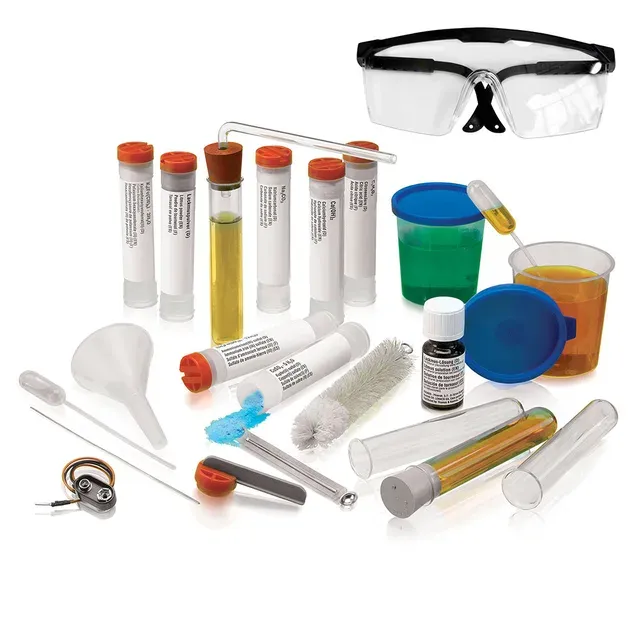
The real chemistry set: 125+ experiments with actual lab equipment, chemicals and a full-color manual for about $60.
Best for: Kids 10 and up (or younger with a parent) who want the real chemistry-set experience - the gift that can start a hobby or a career.
- 125+ experiments spanning indicators, chromatography, air pressure, electrolysis, crystals and kitchen chemistry - a real course in a box.
- Actual lab equipment: test tubes, safety goggles, beakers, pipettes and real chemicals (litmus, citric acid and more), not just molds and powder packets.
- The manual teaches lab safety and technique first - a kid learns to do science, not just watch reactions.
- $60 for the scale of content - the entry point to T&K's ladder that climbs to the C2000 and C3000 for older kids.
- Real chemistry means real supervision - younger kids need an adult at the bench for most experiments.
- Some supplies are consumables; the kit runs out of a few reagents with heavy use.
- Not for sale in Canada on this SKU - a regional quirk of the chemical contents.
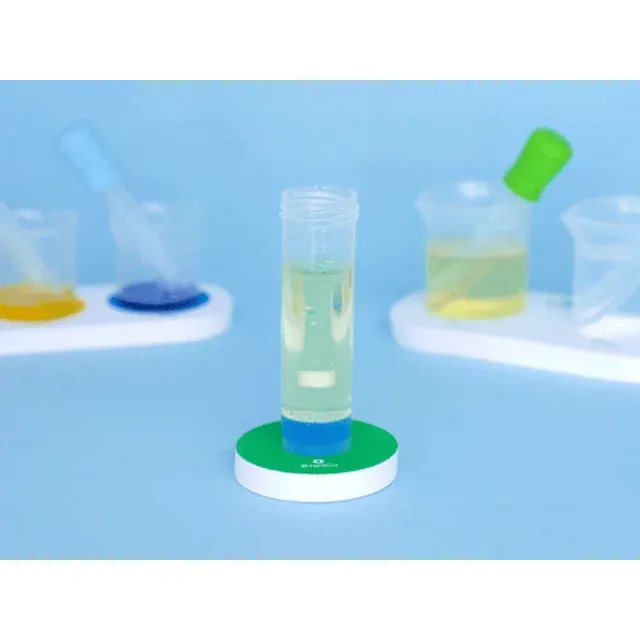
A monthly crate of hands-on STEM projects delivered to the door - the gift that keeps arriving, at a recurring cost.
Best for: Grandparents and relatives gifting from afar - a monthly reminder you're thinking of them, and the pick for kids who finish a kit the day it arrives.
- A new engineering or science project every month - the gift that literally keeps giving past the holiday.
- Projects are genuinely well engineered: buildable machines, real materials, and clear illustrated instructions a kid can follow solo.
- Age-banded crates from toddler (Koala) through teens (Tinker / Eureka), so the kit fits the kid exactly.
- Everything in the box - no hardware-store run required, and each project produces a working toy or tool.
- It's a subscription, not a single gift - about $24 and up per month depending on the line and term, so the giver is buying a commitment.
- Projects are one-and-done builds; once assembled, most get played with briefly then shelved.
- A subscription is abstract to unwrap - pair it with the first crate in hand or a card explaining what's coming.
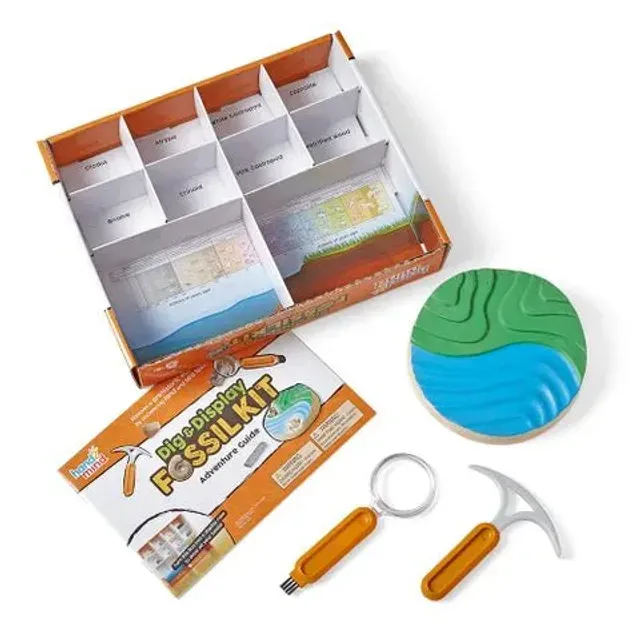
Dig 8 real fossils - shark tooth, crinoid, petrified wood, coprolite - out of a block and mount them in a museum-style display.
Best for: The 7-to-11-year-old dinosaur-and-rocks kid - a focused afternoon of discovery plus a collection to keep.
- 8 real fossils in the digging block: shark tooth, crinoid, bivalve, atrypa, petrified wood, coprolite and gastropods - not plastic replicas.
- The packaging converts into a museum-style display case, so the kit ends with a shelf-worthy collection.
- Mission guide teaches land-vs-sea origins, observation and natural history - real geology, not just digging.
- $26 is the cheapest real-science content here - high value per dollar.
- It's a one-session experience - dig once, done. The display is the lasting value.
- Digging is genuinely messy - dust and plaster on the kitchen table; do it over a tray or outside.
- The fossils are real but small - the display case is the wow factor, not specimen size.
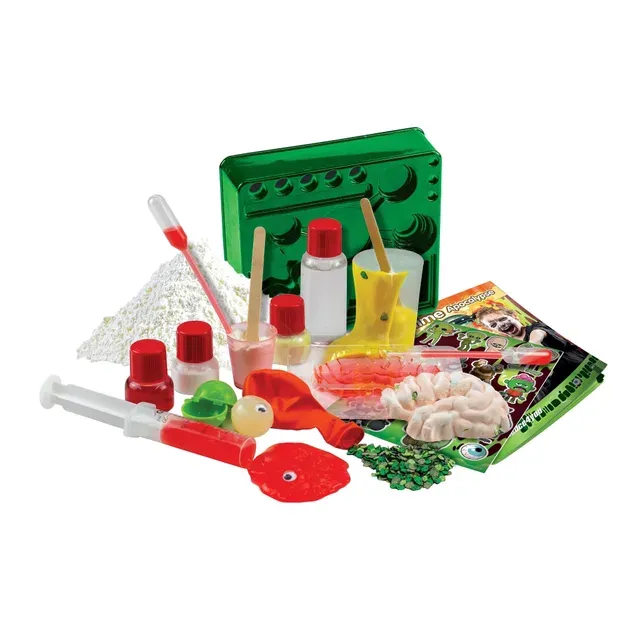
A slime kit wearing a lab coat - one polymer's worth of content dressed as 11 activities for $40.
Best for: Only a kid who specifically asked for a slime kit. As a science gift, the same money buys the CHEM C1000's real lab or two of the fossil digs.
- Makes a lot of slime - classic, crunchy, colored and scented varieties - and kids who want slime will get plenty.
- Includes molds, jars and tools so the mess stays mostly contained.
- Box promises a STEM angle on the slime chemistry.
- It's slime in different colors - the "11 activities" are variations of one polymer reaction, not 11 experiments.
- $40 for what is essentially glue, borax-adjacent activator and molds - a $5 grocery run reproduces the core activity.
- Single-theme novelty: once the slime's made, there's no second act and no growing collection or skill.
- The marketing sells science; the contents sell slime. Set expectations accordingly.
| Criteria | Thames & Kosmos CHEM C1000 Top pick | KiwiCo Crate (Kiwi / Tinker / Atlas lines) | hand2mind Dig & Display Fossils | Science4You Slime Apocalypse |
|---|---|---|---|---|
| Verdict | Buy it | It depends | Buy it | Skip it |
| Best for | Kids 10 and up (or younger with a parent) who want the real chemistry-set experience - the gift that can start a hobby or a career. | Grandparents and relatives gifting from afar - a monthly reminder you're thinking of them, and the pick for kids who finish a kit the day it arrives. | The 7-to-11-year-old dinosaur-and-rocks kid - a focused afternoon of discovery plus a collection to keep. | Only a kid who specifically asked for a slime kit. As a science gift, the same money buys the CHEM C1000's real lab or two of the fossil digs. |
| Price tier | $$ · mid-range | $$ · mid-range | $ · budget | $$ · mid-range |
| Kit type | Real chemistry lab | Monthly STEM projects | Fossil dig + display | Single-theme slime kit |
| Content depth | 125+ experiments | New project monthly | 8 real fossils | Slime variations |
| Equipment included | Goggles, tubes, chemicals | All parts in the crate | Dig tools + display case | Molds, jars, slime supplies |
| Replay value | Weeks of experiments | Ongoing subscription | One dig + a collection | One afternoon |
| Real science | Chemistry course in a box | Engineering projects | Paleontology + geology | Slime branding |
| Age range | 10+ (with supervision) | Lines for 2 to teen | 7 to 11 | 6 to 10 novelty |
| Price class | $60 | From ~$24/mo | $26 | $40 |
Which one is right for you?
- Kids 10 and up (or younger with a parent) who want the real chemistry-set experience - the gift that can start a hobby or a career. Buy it Thames & Kosmos CHEM C1000
- The 7-to-11-year-old dinosaur-and-rocks kid - a focused afternoon of discovery plus a collection to keep. Buy it hand2mind Dig & Display Fossils
- Grandparents and relatives gifting from afar - a monthly reminder you're thinking of them, and the pick for kids who finish a kit the day it arrives. It depends KiwiCo Crate (Kiwi / Tinker / Atlas lines)
- Only a kid who specifically asked for a slime kit. As a science gift, the same money buys the CHEM C1000's real lab or two of the fossil digs. Skip it Science4You Slime Apocalypse
How we judged the field
A science kit is only as good as its contents - the box art promises a lab, but what’s inside ranges from real reagents and glassware to a single polymer in five colors. We compared a classic chemistry set, a monthly subscription crate, a real-fossil dig and a slime-themed kit on experiment count, included equipment and whether the kit lasts past the first afternoon.
The CHEM C1000 is the chemistry set: 125+ experiments covering indicators, chromatography, air pressure, electrolysis, crystals and kitchen chemistry, with real lab equipment - test tubes, goggles, beakers, pipettes and actual chemicals like litmus solution. The manual teaches lab safety and technique before the first experiment, so a kid learns to do science rather than just watch reactions.
At $60 it’s the scale of content that matters: it’s an entry point to a real discipline, not a themed toy. Real chemistry means real supervision - younger kids need an adult at the bench, and consumable reagents run out with heavy use. For a kid 10 and up (or younger with a parent), it’s the kit that can start a hobby or a career.
KiwiCo sells the gift that keeps arriving: a monthly crate of hands-on STEM projects, age-banded from toddler (Koala) through teens (Tinker and Eureka). The projects are genuinely well engineered - buildable machines with real materials and illustrated instructions a kid can follow solo - and everything needed is in the box.
Whether it’s the right gift depends on what you’re giving. A subscription costs about $24 and up per month - a commitment, not a one-off - and finished builds tend to get shelved after assembly. It’s abstract to unwrap, so pair it with the first crate in hand. For grandparents gifting from afar, or the kid who finishes every kit the day it arrives, it’s the best fit here.
The fossil dig kit earns its place on content: 8 real fossils - shark tooth, crinoid, bivalve, atrypa, petrified wood, coprolite and gastropods - buried in a digging block with two tools. The mission guide teaches land-vs-sea origins and natural history, and the packaging converts into a museum-style display case, so the afternoon’s dig becomes a collection that stays on the shelf.
At $26 it’s the cheapest real-science content here. The honest limits: it’s a one-session experience - you dig once - and it’s genuinely messy, so do it over a tray. The fossils are real but small; the display is the lasting value. For the dinosaur-and-rocks kid aged 7 to 11, it’s the best value in the lineup.
The Slime Apocalypse sells a science kit that is, in practice, a slime kit: molds, jars and supplies for classic, crunchy, colored and scented slime, marketed as 11 activities with a STEM angle. Kids who want slime will get plenty of it.
The honest case against it: the 11 “activities” are variations of one polymer reaction - the same $40 buys the CHEM C1000’s real lab or one-and-a-half fossil digs, while a $5 grocery run of glue and activator reproduces the core activity. Once the slime is made there’s no second act, no collection, no skill. For a kid who specifically asked for slime it has a place; as a science gift, it’s branding over content.
CHEM C1000 vs KiwiCo: which should you buy?
These are the two “real” options aimed at different gifts. The CHEM C1000 is a single box that opens into a working lab - the pick for a kid who wants to do chemistry. KiwiCo is a monthly drip of engineered projects - the pick for the kid who devours kits and for the relative who wants the gift to keep arriving.
If the kid is 10+ and science-curious, the C1000 is the better single purchase. If you want a year of presents in one decision, the subscription wins.
What to look for
- Count real experiments: a good kit lists distinct experiments with real equipment; a bad kit multiplies variations of one reaction and calls it 50 activities.
- Equipment quality: goggles, glassware or real tools beat molded plastic and powder packets.
- One-session vs lasting: digs and single-theme kits end in an afternoon; chemistry sets and subscriptions sustain for weeks.
- Consumables: real chemistry kits use up reagents - check whether refills exist.
- Age and supervision: chemistry sets need an adult at the bench; crates and digs are solo-friendly. Match to the kid, not the box age.
- Display value: the kits that end with a collection or a working machine outlast the ones that end with a mess.
Our final take
The Thames & Kosmos CHEM C1000 is the science kit to buy for a curious kid - 125 experiments and real lab equipment for $60. The hand2mind fossil dig delivers 8 real fossils and a museum display for $26, the best value here. KiwiCo’s crates are the it-depends pick for the serial kit-finisher and the relative who wants the gift to keep arriving. Skip the slime-themed kits - they’re one polymer in a lab coat. Buy the kit with real science in it, and the experiments will outlast the wrapping paper.
Questions, answered
What age is a science kit for?
Real chemistry sets suit about 10 and up with supervision - they involve actual chemicals and technique. Subscription crates have lines for 2 through teens. Fossil digs work at 7 to 11. The rule: match the kit's independence level to the kid - a 6-year-old needs everything-in-the-box, a 12-year-old can handle reagents.
Are subscription science kits worth it?
For the right kid, yes - KiwiCo's crates are genuinely well engineered and a new project arriving monthly sustains interest past the holiday. The catch is the recurring cost (about $24 and up per month) and that finished builds often get shelved after assembly. It suits kids who finish every kit they get.
What makes a good science kit vs a bad one?
Count the distinct experiments and the quality of the equipment. Good kits (T&K, KiwiCo) include real tools and teach technique; bad kits inflate "activity" counts with variations of one reaction and hide tiny ingredient packets in a big box. If the front says 100 experiments and the back lists 12 items, walk away.
Fossil dig kits - real fossils or replicas?
The hand2mind kit includes 8 real fossils - shark tooth, crinoid, petrified wood, coprolite and more - not plastic replicas. That matters: a real fossil is a genuine natural-history specimen a kid keeps forever, and the display case makes it a collection rather than an activity.
Do kids science kits need adult supervision?
Real chemistry kits (the CHEM C1000) need it - they contain actual reagents and glassware, which is the point. Fossil digs and crate projects are largely solo. The supervision requirement isn't a flaw - it's how a kid learns lab safety - but it decides which kit fits which age.
Deciding between the top two? See our head-to-head: Thames & Kosmos CHEM C1000 vs hand2mind Dig & Display Fossils.
More Baby & Family reviews
 The Best Kids Kick Scooters: 4 Compared (and One to Skip)
  The Best Kids Tablets: 4 Compared (and One to Skip)
  The Best Kids Water Bottles: 4 Compared (and One to Skip)
  The Best Magnetic Tiles: 4 Compared (and One to Skip)
  The Best Mechanical Model Kits: 4 Compared (and One to Skip)
  The Best Model Rocket Kits: 4 Compared (and One to Skip)