

Tech & Gadgets
The Best Instant Print Cameras: 4 Compared (and One to Skip)
We compared four current instant cameras on print quality, ease of use, running cost, and whether they actually hand you a print.
The short version
If you want a real instant print with zero fuss, buy the Fujifilm Instax Mini 12 - it's the cheapest, simplest, and most reliable film camera here. Step up to the Polaroid Now Generation 3 if you want large, classic, keepsake-grade prints and will shoot more deliberately. The Fujifilm Instax Pal is a charming digital pocket camera, but it has no printer of its own, so only get it if you already own an Instax printer or hybrid. Skip the Kodak Smile: it's convenient and cheap to run, but its Zink prints are the weakest images of the group. Best for: most people, the Instax Mini 12; print purists, the Polaroid Now Generation 3.
Our picks at a glance
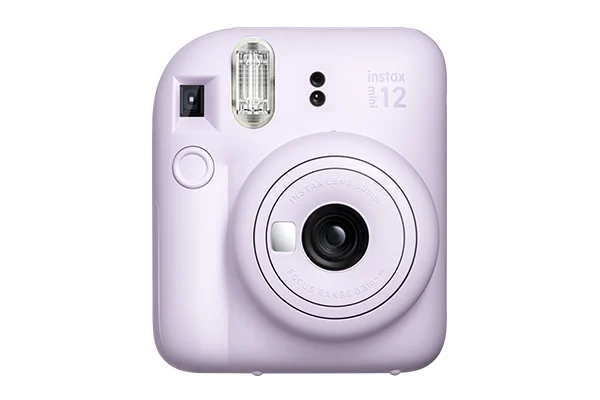
- Fujifilm Instax Mini 12 - Buy. The point-and-shoot that gets a warm, tangible print in your hand with almost zero effort.
- Polaroid Now Generation 3 - Buy. The one that delivers big, iconic, full-size Polaroid prints with real physical presence.
- Fujifilm Instax Pal - It depends. A tiny, fun digital pocket camera - but it has no printer, so 'instant print' is a two-device affair.
- Kodak Smile - Skip. Cheap, slim, and easy - but the ink-free Zink prints are the weakest images of the bunch.
The verdict in 30 seconds
What mattered most
- Print technology
- Print size & look
- Image quality
- Ease of use
- Creative control
- Running cost per shot
Instant cameras are having a moment again, but they are not all the same animal: some spit out real film, one prints tiny digital stickers, and one has no printer at all. We synthesized published reviews and a large body of owner reports to sort out which is worth buying. The short version: two are easy recommendations, one only makes sense for a specific buyer, and one is best skipped.
The point-and-shoot that gets a warm, tangible print in your hand with almost zero effort.
Best for: First-time buyers, kids, and anyone who just wants a real print without fiddling.
- Genuinely foolproof: twist the lens on and shoot, with reliable auto exposure and flash
- Cheapest real-film camera here, and the film is sold almost everywhere
- Built-in close-up mode and selfie mirror make it forgiving for beginners and kids
- Fully automatic with no manual exposure or flash control
- Owners note it can overexpose in bright sun, and the white shell shows grime
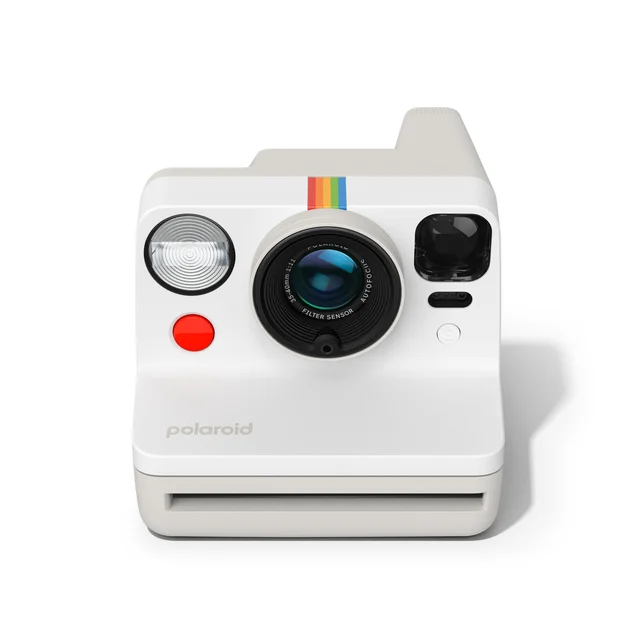
The one that delivers big, iconic, full-size Polaroid prints with real physical presence.
Best for: Buyers who want the definitive full-size Polaroid look and will shoot deliberately.
- Large classic-format prints that feel more like keepsakes than the mini format
- Sturdy, well-built body with USB-C charging, self-timer, and double-exposure mode
- Autofocus and a light meter aimed at more reliable exposures than the previous generation, per owner reports
- Film is the most expensive per shot of the group
- Owners report the autofocus can be inconsistent
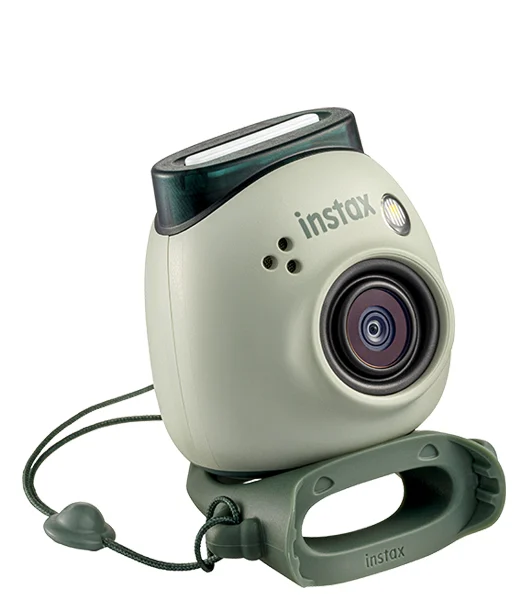
A tiny, fun digital pocket camera - but it has no printer, so 'instant print' is a two-device affair.
Best for: Gadget lovers and parents who already own an Instax printer and want a grab-anywhere camera.
- Palm-sized and almost weightless, so it goes everywhere with no film to load
- Digital-first: you can review and choose shots before you commit any film to print
- Playful features like custom shutter sounds make it a hit for younger users
- No built-in printer - you need a separate Instax printer or hybrid camera to get a print
- Low-resolution sensor and only a detachable ring as a viewfinder; reviewers call it fun but inessential
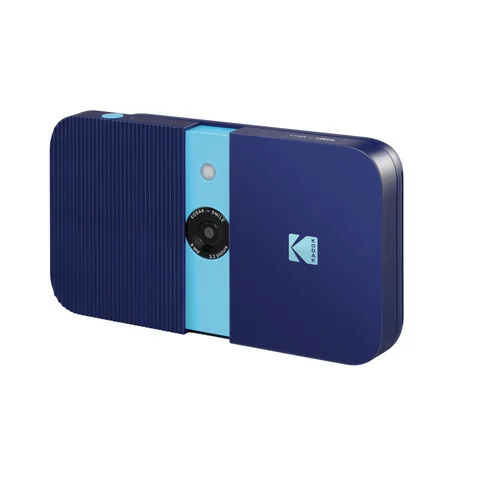
Cheap, slim, and easy - but the ink-free Zink prints are the weakest images of the bunch.
Best for: Only buyers who prioritize peel-and-stick prints and lowest running cost over image quality.
- Slide-open design is pocketable and simple to operate
- Ink-free Zink paper prints are cheap per shot and double as stickers
- Owner reports commonly rate Zink print quality below real Instax and Polaroid film
- Tiny 2x3-inch prints with muted color and limited detail
| Criteria | Fujifilm Instax Mini 12 Top pick Buy it Buy | Polaroid Now Generation 3 Buy it Buy | Fujifilm Instax Pal It depends Buy | Kodak Smile Skip it Buy |
|---|---|---|---|---|
| Best for | First-time buyers, kids, and anyone who just wants a real print without fiddling. | Buyers who want the definitive full-size Polaroid look and will shoot deliberately. | Gadget lovers and parents who already own an Instax printer and want a grab-anywhere camera. | Only buyers who prioritize peel-and-stick prints and lowest running cost over image quality. |
| Price tier | $ · budget | $$$ · premium | $$ · mid-range | $$ · mid-range |
| Print technology | Instax Mini analog film | Full-size Polaroid i-Type film | None (digital; needs separate printer) | Digital sensor + Zink ink-free paper |
| Print size & look | Credit-card mini, warm and soft | Large classic square, iconic | No print on its own | Small 2x3-inch, muted color |
| Image quality | Good for the format | Best physical print here | Low-res digital snaps | Weakest of the group |
| Ease of use | Effortless, fully auto | Simple with a few modes | Very simple but app-dependent | Simple slide-and-shoot |
| Creative control | None (auto only) | Self-timer, double exposure | Digital review before printing | Minimal, some effect versions |
| Running cost per shot | Low | Highest | Low if you rarely print | Lowest |
| Portability | Compact | Bulkier, needs a bag | Smallest, pocketable | Slim and pocketable |
| Price tier | $ · budget | $$$ · premium | $$ · mid-range | $$ · mid-range |
Which one is right for you?
- First-time buyers, kids, and anyone who just wants a real print without fiddling. Buy it Fujifilm Instax Mini 12
- Buyers who want the definitive full-size Polaroid look and will shoot deliberately. Buy it Polaroid Now Generation 3
- Gadget lovers and parents who already own an Instax printer and want a grab-anywhere camera. It depends Fujifilm Instax Pal
- Only buyers who prioritize peel-and-stick prints and lowest running cost over image quality. Skip it Kodak Smile
How we judged the field
We don’t run our own lab. Instead we synthesize published reviews and aggregated owner reports, then weigh the things that actually decide whether you’ll keep using an instant camera. Four criteria mattered most: the quality and size of the print you get, how effortless the camera is to operate, the real running cost of film or paper over time, and whether the camera hands you a physical print at all. We also factored in build quality, portability, and the handful of creative controls each model offers. The goal is one clear recommendation for most people, plus clear guidance for the buyers who want something specific.
Fujifilm Instax Mini 12
Buy itThis is the camera we’d hand to almost anyone. You twist the lens to turn it on, point, and shoot; the automatic exposure and flash do the rest, and a print slides out in seconds. Reviewers praise how forgiving it is, and the built-in close-up mode plus selfie mirror make it especially good for kids and first-timers. The film is the cheapest of the real-film options here and is stocked almost everywhere, which matters more than people expect. The trade-off is control: there is none. Owners note it can overexpose in harsh sun, and the lighter shells show dirt. For its price and purpose, those are easy compromises.
Polaroid Now Generation 3
Buy itThe Now Generation 3 is the pick when the print itself is the point. Its full-size, square Polaroid images have a physical presence the mini format simply can’t match, and the third-generation body is sturdy and well finished, with USB-C charging, a self-timer, and a double-exposure mode. Owner reports credit this generation with improved exposure and autofocus over the previous one. Two caveats: the film is the most expensive per shot of everything here, and owners report the autofocus can still be inconsistent. If you shoot deliberately and want the iconic look, it’s worth it.
Fujifilm Instax Pal
It dependsThe Pal is the odd one out, and you have to understand what it is before buying. It’s a tiny, nearly weightless digital camera with no printer built in. That’s the catch: on its own it never produces a print. Paired with an Instax printer or a hybrid Instax camera it becomes a fun grab-anywhere shooter, and its digital-first nature lets you review shots and only print the keepers. Reviewers find it charming but inessential, and note the low-resolution sensor and the lack of a true viewfinder, just a detachable ring. Get it only if you already own something that can print for it, or specifically want a pocket digital toy.
Kodak Smile
Skip itThe Smile is likable in the hand: a slim, slide-open body that’s genuinely pocketable, with ink-free Zink paper that’s cheap per shot and peels into stickers. But image quality is where it falls down. Owner reports commonly say its small 2x3-inch Zink prints trail real Instax and Polaroid film on color and detail. If lowest running cost and sticker prints are your top priorities it’s defensible, but for most buyers the print quality gap is the reason to look elsewhere.
Fujifilm Instax Mini 12 vs Polaroid Now Generation 3: which should you buy?
These are the two strongest picks, and choosing between them comes down to what you want from the print. The Instax Mini 12 wins on cost and simplicity: it’s the cheapest camera and the cheapest film, it’s effortless to operate, and it rarely produces a bad frame in decent light. The Polaroid Now Generation 3 wins on the print itself - large, classic, keepsake-grade images with real character - plus a few creative modes the Mini 12 lacks. The Polaroid costs more up front and much more per shot, and its autofocus asks a little more care from you. Buy the Mini 12 if you want maximum fun per dollar and a camera anyone can pick up. Buy the Polaroid if the big, iconic print is the whole reason you’re here.
What to look for
- Real print vs digital: Decide first whether you want a camera that prints on its own (Instax Mini 12, Polaroid, Kodak) or a digital shooter that prints elsewhere (Instax Pal).
- Print size and look: Mini film is small and warm; Polaroid is large and iconic; Zink is small and muted. This is the single biggest difference between them.
- Running cost: Film adds up fast. Instax Mini is affordable, Polaroid is premium, Zink is cheapest.
- Ease of use: Fully automatic models are more forgiving; the more controls a camera has, the more attention it asks.
- Availability: Buy into a film format you can restock easily - Instax Mini and Polaroid i-Type are the safest bets.
Our final take
For most people, the Fujifilm Instax Mini 12 is the instant camera to buy: cheap, foolproof, and it reliably delivers a real print. If you specifically want big, classic Polaroid images and don’t mind paying more per shot, the Polaroid Now Generation 3 is the upgrade worth making. The Instax Pal is a fun digital companion but only makes sense if you already own something that can print for it. And the Kodak Smile, convenient as it is, prints the weakest images of the group - which is why it’s the one we’d skip.
Questions, answered
Which of these actually gives you a physical print?
The Instax Mini 12, Polaroid Now Generation 3, and Kodak Smile all print on the spot - the two Fujifilm and Polaroid models on real film, the Kodak on ink-free Zink paper. The Instax Pal is the exception: it's a digital camera with no printer, so you need a separate Instax printer or hybrid camera to turn its shots into prints.
Instax Mini or Polaroid - what's the real difference?
Size and character. Instax Mini prints are small, credit-card sized, and warm; Polaroid prints are large, square, and have that instantly recognizable classic look. Polaroid film costs noticeably more per shot, and owners note Polaroid's autofocus can be hit or miss, while the Mini 12 is simpler and cheaper to run.
Are these cameras and their film still available to buy in 2026?
Yes. All four cameras are current models sold through major retailers, and film and paper for each are widely stocked online and in general stores. Instax Mini and Polaroid i-Type film in particular are easy to find almost anywhere.
Why is the Kodak Smile the one to skip?
It's the most convenient to run - the Zink paper is ink-free and cheap, and prints peel into stickers - but that convenience comes at the cost of image quality. Owner reports commonly place its small 2x3-inch prints below real Instax and Polaroid film for color and detail.
What's the best choice for a child or a first-time user?
The Instax Mini 12. It turns on with a twist of the lens, handles exposure and flash automatically, has a built-in close-up mode and selfie mirror, and uses inexpensive, easy-to-find film - so there's very little that can go wrong for a beginner.
Deciding between the top two? See our head-to-head: Fujifilm Instax Mini 12 vs Polaroid Now Generation 3.
More in Tech & Gadgets
Instant Cameras, Explained Plain-English guide → Fujifilm Instax Mini 12 vs Polaroid Now Generation 3 Head-to-head →  The Best Internal NVMe SSDs: 4 Compared (and One to Skip)
  The Best IP KVM Devices: 4 Compared (and One to Skip)
  The Best Label Makers: 4 Compared (and One to Skip)
  The Best Laptop Sleeves: 4 Compared (and One to Skip)