

Outdoors & Fitness
The Best Golf Laser Rangefinders: 4 Compared (and One to Skip)
We compared four current laser rangefinders from Bushnell, Precision Pro, Garmin, and Gogogo Sport on lock speed, slope accuracy, and display quality.
The short version
After weighing independent testing and owner reports, the Bushnell Tour V7 Shift is the laser rangefinder to buy: near-instant PinSeeker lock with Visual JOLT confirmation, tour-trusted slope with a tournament-legal switch, and a dual-color OLED that ends squinting at faint numbers. The Precision Pro Titan Elite is the value buy - it adds app-linked front, middle, and back-of-green GPS yardages in the viewfinder, IP67 waterproofing, and USB-C recharging while undercutting the big names. The Garmin Approach Z30 is superbly built and integrates brilliantly with Garmin watches, but its price is hard to justify unless you're already in that ecosystem. The Gogogo Sport GS24, with an LCD display and its slope-off switch and magnet reserved for the MTL version, is the one to skip. Best for: the Tour V7 Shift for anyone who wants the most dependable number to the flag; the Titan Elite for golfers who want laser plus GPS in one rechargeable device.
Our picks at a glance
- Bushnell Tour V7 Shift - Buy. Bushnell's latest Tour laser, with a dual-color OLED that makes slope numbers instantly readable - the new benchmark under the flagship tier.
- Precision Pro Titan Elite - Buy. A rugged, feature-stacked laser with app-linked GPS green distances and USB-C recharging that undercuts the big names.
- Garmin Approach Z30 - It depends. A lightweight, beautifully built laser that becomes genuinely special only if you already wear a Garmin golf watch.
- Gogogo Sport GS24 Laser Golf Rangefinder - Skip. A cheap, popular laser with an LCD display, where the slope-off switch and cart magnet only come on the pricier MTL version.
The verdict in 30 seconds
What mattered most
- Flag lock & feedback
- Display
- Slope technology
- GPS / app extras
- Battery
- Build & weatherproofing
A laser rangefinder is the fastest way to get an exact number to the flag, and the current crop is better than ever: brighter displays, smarter slope math, and lock confirmation you can trust. We synthesized independent testing and owner reports on four current models from Bushnell, Precision Pro, Garmin, and Gogogo Sport. Two earn a clear buy, one makes sense only for golfers already inside a specific ecosystem, and one popular budget laser gives up too much.
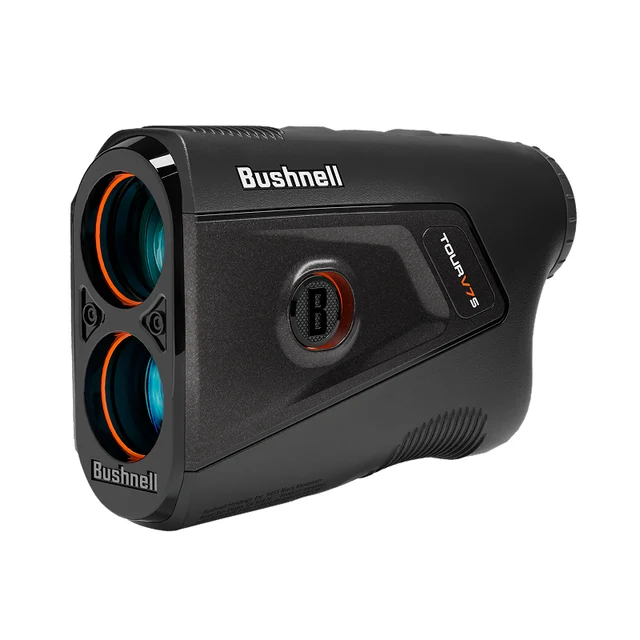
Bushnell's latest Tour laser, with a dual-color OLED that makes slope numbers instantly readable - the new benchmark under the flagship tier.
Best for: Golfers who want the most trusted name in lasers with tour-grade speed, accuracy, and slope - without paying flagship money.
- Near-instant readings with PinSeeker and Visual JOLT (vibration plus a flashing red ring) for unmistakable flag lock
- Dual-color red/green OLED separates slope-adjusted and true yardages at a glance
- Slope-Switch makes it tournament-legal in seconds, and the BITE magnet snaps to a cart bar
- Runs on disposable CR2 batteries rather than USB-C recharging
- LINK club-suggestion features require a Foresight-connected app setup many golfers will never touch
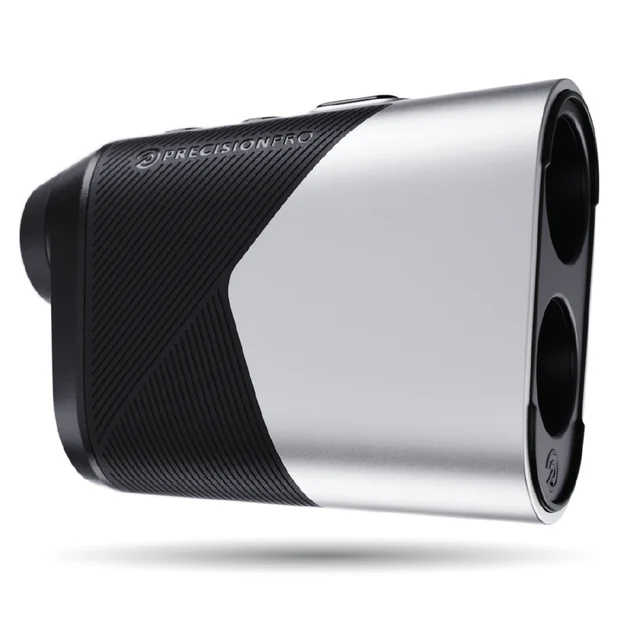
A rugged, feature-stacked laser with app-linked GPS green distances and USB-C recharging that undercuts the big names.
Best for: Value-minded golfers who want laser precision plus GPS green context in one device, and prefer recharging over buying batteries.
- Connects to the Precision Pro app to show front, middle, and back-of-green GPS yardages in the viewfinder alongside the laser number
- Slope with a tournament-legal switch, and Find My Rangefinder pings your phone and shows the last location of a lost unit
- Magnesium-alloy shell with IP67 waterproofing and a USB-C battery good for about 50 rounds per charge
- At 14 oz it is much heavier than the 9 oz Bushnell
- Full feature set depends on pairing with the companion app, which adds setup friction
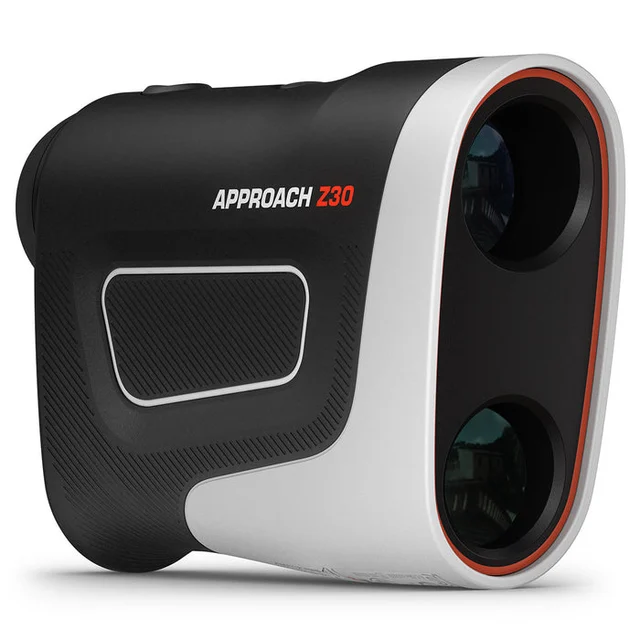
A lightweight, beautifully built laser that becomes genuinely special only if you already wear a Garmin golf watch.
Best for: Golfers already invested in Garmin watches or the Garmin Golf app who want the laser and GPS ecosystems talking to each other.
- Range Relay beams your ranged distance to a Garmin watch or the Golf app, adding front/back green context
- PlaysLike slope adjustments plus a tournament mode with an external indicator light officials can see
- Premium feel and a replaceable CR2 battery, so there is no charging routine
- Costs more than rivals that lock flags just as well on their own
- Owners note it occasionally takes a second or third attempt to confirm the flag at distance
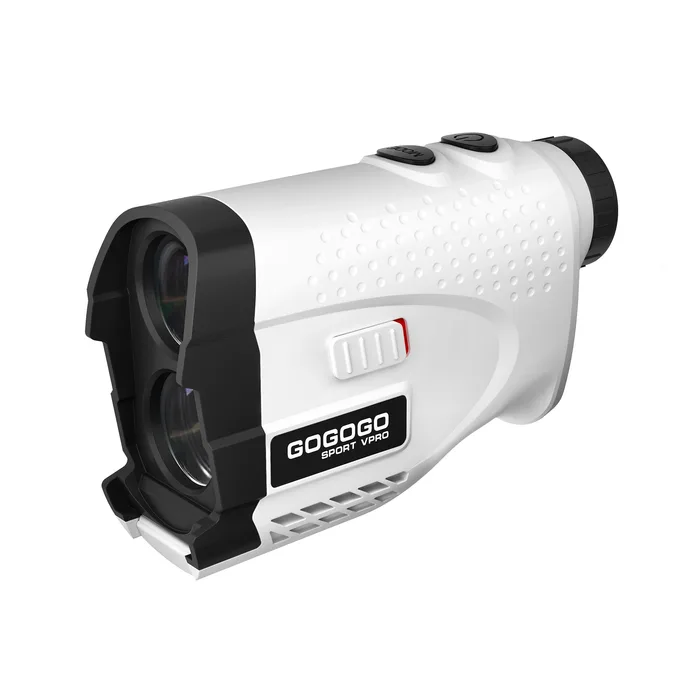
A cheap, popular laser with an LCD display, where the slope-off switch and cart magnet only come on the pricier MTL version.
Best for: Casual golfers who want a number to the flag for very little money and never play events that ban slope.
- 7x magnification, a 1200-yard maximum range and accuracy of plus or minus 1 yard, per Gogogo
- Flag lock with vibration, rated to 300 yards on a flag, and runs on two AAA batteries
- Gogogo lists an LCD display, not the red or OLED display that sets the Bushnell apart in dim light
- Only the GS24MTL has the tournament slope-off switch and the built-in magnet; the base GS24 has neither
- Gogogo publishes no water-resistance rating and no weight
| Criteria | Bushnell Tour V7 Shift Top pick Buy it Buy | Precision Pro Titan Elite Buy it Buy | Garmin Approach Z30 It depends Buy | Gogogo Sport GS24 Laser Golf Rangefinder Skip it Buy |
|---|---|---|---|---|
| Best for | Golfers who want the most trusted name in lasers with tour-grade speed, accuracy, and slope - without paying flagship money. | Value-minded golfers who want laser precision plus GPS green context in one device, and prefer recharging over buying batteries. | Golfers already invested in Garmin watches or the Garmin Golf app who want the laser and GPS ecosystems talking to each other. | Casual golfers who want a number to the flag for very little money and never play events that ban slope. |
| Price tier | $$$ · premium | $$ · mid-range | $$$ · premium | $ · budget |
| Flag lock & feedback | PinSeeker + Visual JOLT: vibration and flashing red ring | Flag range rated to 400 yds | Vibration lock; occasionally needs a retry | Vibration flag lock, rated to 300 yds |
| Display | Dual-color red/green OLED, slope-first layout | Dark, sun-readable numbers plus GPS yardages | Crisp viewfinder with adjustable focus | LCD |
| Slope technology | Tour-trusted slope with Slope-Switch toggle | Slope with tournament slope switch | PlaysLike elevation adjust, tournament indicator light | Slope; off switch on MTL version only |
| GPS / app extras | LINK club suggestions via launch-monitor data | Front/center/back GPS in view, Find My tracking | Range Relay to Garmin watch and Golf app | None - standalone only |
| Battery | CR2 disposable | USB-C rechargeable, about 50 rounds | CR2 replaceable | Two AAA batteries |
| Build & weatherproofing | IPX6, BITE magnet, 9 oz | Magnesium-alloy shell, IP67, magnet, 14 oz | Lightweight premium build, cart magnet | No rating or weight listed; magnet on MTL only |
| Magnification | 6x, 24mm lens | 6x, 24mm lens | 6x, adjustable focus | 7x |
| Price tier | $$$ · premium | $$ · mid-range | $$$ · premium | $ · budget |
Which one is right for you?
- Golfers who want the most trusted name in lasers with tour-grade speed, accuracy, and slope - without paying flagship money. Buy it Bushnell Tour V7 Shift
- Value-minded golfers who want laser precision plus GPS green context in one device, and prefer recharging over buying batteries. Buy it Precision Pro Titan Elite
- Golfers already invested in Garmin watches or the Garmin Golf app who want the laser and GPS ecosystems talking to each other. It depends Garmin Approach Z30
- Casual golfers who want a number to the flag for very little money and never play events that ban slope. Skip it Gogogo Sport GS24 Laser Golf Rangefinder
How we judged the field
We don’t run our own lab. Instead, we synthesized independent testing of each of these four lasers with aggregated owner reports from golfers who use them week in, week out. Four things mattered most: how fast and reliably each unit locks onto a flag (not the tree behind it), how readable the display is in real conditions - early morning gloom, bright sun, dark tree lines - how trustworthy the slope-adjusted numbers are, and whether the extras (GPS distances, apps, magnets, recharging) solve real on-course problems or just pad a spec sheet. All four models are current and buyable in 2026.
Bushnell Tour V7 Shift
Buy itBushnell is the name virtually every tour caddie trusts, and the Tour V7 Shift explains why. Independent testing calls it the fastest laser Bushnell has made - the number appears essentially the instant you release the button - and PinSeeker with Visual JOLT confirms the lock with both a vibration and a flashing red ring, so there’s never doubt about whether you ranged the flag or the maintenance shed. The headline upgrade is the dual-color OLED: slope-adjusted yardage in one color, true distance in another, which reviewers found genuinely speeds up club selection rather than just looking pretty. Tour-trusted slope math, a tournament-legal Slope-Switch, the BITE cart magnet, and IPX6 weather sealing round out a package with no meaningful weaknesses. The gripes are small: it still runs on CR2 disposables, and the LINK feature that suggests clubs based on launch-monitor data is a nice-to-have most owners will never configure. If you want the best all-around laser below flagship money, this is it.
Precision Pro Titan Elite
Buy itThe Titan Elite is the challenger brand’s proof it can go toe-to-toe with the establishment - and it arrives with features the big names charge more for. The party trick is built-in GPS: front, center, and back-of-green distances appear in the viewfinder next to your lasered number, so one glance tells you both where the pin is and how much green you have to work with. A slope switch makes it tournament legal, and Find My Rangefinder pings your phone and shows the last location, so a laser left on the 14th tee box isn’t gone forever. The hardware matches the software: a magnesium-alloy shell, an IP67 rating, a 400-yard flag range, and a USB-C battery good for about 50 rounds. The costs are heft - at 14 oz it is far heavier than the 9 oz Bushnell - and the fact that its GPS distances need the companion app paired. For the money, though, nothing here delivers more.
Garmin Approach Z30
It dependsJudged purely as a laser, the Approach Z30 is very good: premium in the hand, with a crisp adjustable-focus viewfinder, PlaysLike slope adjustments, and a clever tournament mode whose external light shows officials that slope is disabled. But its defining feature is Range Relay, which sends your ranged distance to a paired Garmin golf watch or the Garmin Golf app and layers front- and back-of-green context on top. If you already wear a Garmin watch, that integration is seamless and genuinely useful - the laser and watch become one system, and the replaceable CR2 battery means no charging routine. If you don’t, you’re paying a premium for connectivity you’ll never use, and owner reports note it sometimes takes an extra press or two to confirm a lock on distant flags - something the Bushnell simply doesn’t do. Ecosystem golfers: buy with confidence. Everyone else: the two picks above do the core job as well or better for less.
Gogogo Sport GS24
Skip itThe GS24 is one of the cheapest lasers golfers actually buy, and on paper it covers the basics: 7x magnification, a 1200-yard maximum range, a flag lock with vibration rated to 300 yards on a flag, accuracy of plus or minus one yard, and two AAA batteries instead of CR2 cells. The reasons to pass are on Gogogo’s own page. The display is listed as LCD, not the red or dual-color OLED that keeps the Bushnell legible in dim light. The tournament slope-off mode and the built-in cart magnet are both reserved for the GS24MTL version, so the base GS24 has neither. And Gogogo publishes no water-resistance rating and no weight. Its 300-yard flag rating is also well short of the Bushnell’s 500. If you only want a casual number and never play events that ban slope, it works; otherwise your money is better spent one tier up.
Bushnell Tour V7 Shift vs Precision Pro Titan Elite: which should you buy?
This is closer than the brand names suggest. The Bushnell wins on the fundamentals: Bushnell rates flag detection from 5 to 500 yards, Visual JOLT’s vibration-plus-red-ring confirmation removes all ambiguity, and the dual-color OLED is the most readable display in the comparison. It’s the better pure laser, and the one to hand a serious player who wants zero friction between aiming and knowing. The Titan Elite wins on breadth and value: app-linked GPS green distances in the viewfinder are something the Bushnell simply doesn’t offer, IP67 sealing beats the Bushnell’s IPX6, and USB-C recharging ends the CR2 supply run - all while costing less. Choose the Bushnell if the flag number is everything and you want the most trusted lock in golf. Choose the Titan Elite if you like the idea of laser precision and GPS context in one rechargeable unit, and would rather keep the difference in your pocket.
What to look for
- Lock confirmation you can feel and see. Vibration plus a visual cue (like a flashing ring) prevents ranging the trees behind the green - the most common rangefinder error.
- A readable display. Red or dual-color OLED stays legible in dim light; basic black LCDs wash out exactly when conditions get tough.
- Slope with a tournament-legal switch. You want plays-like numbers in practice and a fast, visible way to disable them in competition.
- Battery style that fits your play. USB-C recharging suits frequent players; CR2 cells suit occasional golfers who value months of shelf life.
- A cart magnet. Owners rank it among the most-used features on any modern laser - don’t buy without one.
- Ecosystem fit. GPS-in-viewfinder or watch integration is valuable only if you’ll actually use it; don’t pay for connectivity you’ll ignore.
Our final take
The laser rangefinder market has matured to the point where accuracy is table stakes - the makers that publish accuracy rate their lasers within a yard. What separates them is speed, readability, and the intelligence wrapped around the number. The Bushnell Tour V7 Shift is the definitive buy: the fastest lock, the clearest display, and slope math trusted at the highest level of the game. The Precision Pro Titan Elite is the value buy that gives up almost nothing and adds GPS context the Bushnell lacks. The Garmin Approach Z30 is a conditional recommendation - excellent hardware whose real value unlocks only inside the Garmin ecosystem. And the Gogogo Sport GS24 is cheap for a reason: an LCD display, and a slope-off switch and magnet only on the pricier MTL version. Buy the Bushnell if you want the best; buy the Titan Elite if you want the most for your money.
Questions, answered
Is a slope rangefinder legal in tournaments?
Slope-adjusted distances are not allowed in most competitions, but all four models here handle it: the Bushnell has its Slope-Switch, the Gogogo GS24MTL a slope-off mode (the base GS24 lacks it), the Precision Pro a legal toggle, and the Garmin a tournament mode with an external indicator light so officials can verify slope is off. Always check the local rules of your event, since some club competitions restrict distance devices entirely.
Laser rangefinder or GPS watch - which should I get first?
A laser gives you an exact number to the flag or any target you can see, while GPS gives mapped front/middle/back distances even to hidden greens. Most reviewers suggest a laser first for precision, and two picks here blur the line: the Titan Elite shows GPS green distances inside the viewfinder, and the Z30 relays laser numbers to a Garmin watch.
How accurate are these rangefinders really?
Bushnell and Gogogo both rate their lasers at plus-or-minus one yard, and modern lasers generally agree with each other within a yard or two on locked flags. The practical differences are lock speed, how far away they reliably grab a pin, and how readable the number is - which is where the Bushnell's dual-color OLED stands out against the Gogogo's LCD.
Do rechargeable rangefinders beat CR2 battery models?
It's a trade-off. The Titan Elite's USB-C battery lasts about 50 rounds and never needs replacement cells, but a dead battery mid-trip needs a cable and time. CR2 models like the Bushnell and Garmin can run for months per cell, and a spare in the bag swaps in seconds. Neither approach is wrong; frequent players tend to prefer USB-C, occasional players the long shelf life of CR2.
Is the built-in cart magnet worth caring about?
More than most golfers expect. Bushnell's BITE, the Precision Pro's integrated magnet and the magnet on Gogogo's GS24MTL all grip a cart bar, and owners consistently rank it among the features they'd refuse to give up - it keeps the laser on the cart frame instead of buried in a bag pocket. Just don't rely on it on bumpy cart paths; cases exist for a reason.
Deciding between the top two? See our head-to-head: Bushnell Tour V7 Shift vs Precision Pro Titan Elite.
More in Outdoors & Fitness
Golf Laser Rangefinders, Explained Plain-English guide → Bushnell Tour V7 Shift vs Precision Pro Titan Elite Head-to-head →  The Best GPS Running Watches for 2026
  The Best Grip Socks for Pilates and Barre: 4 Compared (and One to Skip)
  The Best Guy Lines: 4 Compared (and One to Skip)
  The Best Hammock Straps: 4 Compared (and One to Skip)