

Outdoors & Fitness
The Best Fleece Jackets: 4 Compared (and One to Skip)
We compared four fleece mid-layers on breathability, warmth-to-weight, durability and real-world use to find which actually vent while you move.
The short version
A fleece mid-layer's job is to breathe while you move, and grid-knit fleece does that far better than dense, plush fleece. The Ridge Merino Cloudripper is our pick — a merino grid fleece that vents heat, resists odor and layers cleanly under a shell. The Outdoor Vitals Pursuit Hybrid Fleece is the value runner-up for high-output days, while the Senchi A120 offers astonishing warmth for the weight but is too delicate for everyday abuse, so it depends on your use. We'd skip the Free Fly Bamboo Northcoast as a hiking layer — it's a lovely casual hoodie but too dense to vent. And remember: no fleece is windproof, so pack a shell. Best for: hikers and everyday wearers who want warmth that breathes instead of a sweat trap.
Our picks at a glance
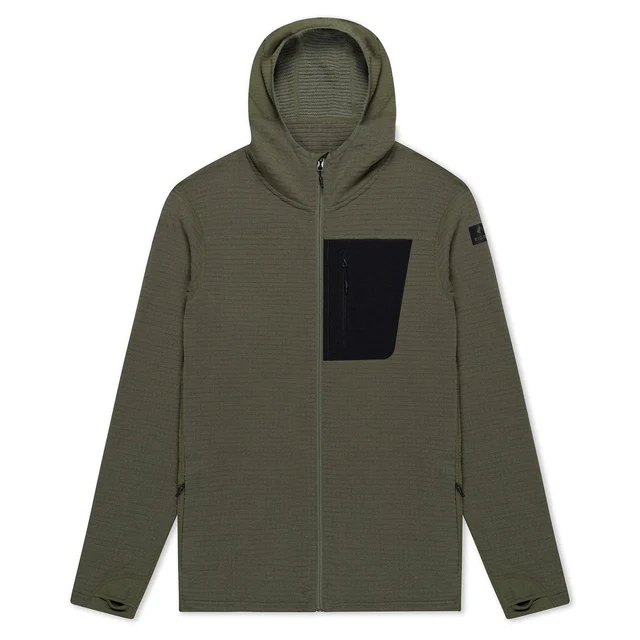
- Ridge Merino Cloudripper Grid Fleece Full-Zip Hoodie - Buy. A merino grid fleece that breathes like a technical layer and doesn't stink after a week.
- Outdoor Vitals Pursuit Hybrid Fleece Hoodie - Buy. A hybrid grid fleece that maps breathability where you sweat and insulation where you don't.
- Senchi Designs A120 Half-Zip Hoodie - It depends. Unreal warmth for the weight and the best breathability here — if you can baby it.
- Free Fly Bamboo Northcoast Fleece Pullover Hoodie - Skip. A buttery, cozy bamboo fleece that's lovely on the couch and the wrong tool on the trail.
The verdict in 30 seconds
What mattered most
- Fleece type & breathability
- Warmth-to-weight
- Best use
- Wind resistance
- Durability & pilling
- Packability
Fleece is the most misunderstood layer in your closet: the breathable grid kind vents heat while you hike, while dense, cozy fleece just traps sweat and works better on the couch. We compared four current fleeces across that divide. Two earn a clear buy, one is a specialist whose value depends on how you'll use it, and one popular option we'd skip as a technical layer.
A merino grid fleece that breathes like a technical layer and doesn't stink after a week.
Best for: Hikers and everyday wearers who want one breathable mid-layer that resists odor and layers cleanly.
- Merino grid fleece vents heat well and keeps regulating temperature on the move
- High merino content resists odor far better than synthetic fleece
- Low-profile hood layers under a helmet or shell, and a thinner back hem tucks in cleanly
- Premium price for a mid-layer
- Soft merino face is less abrasion-tough than a hardface fleece, and like all fleece it blocks no wind
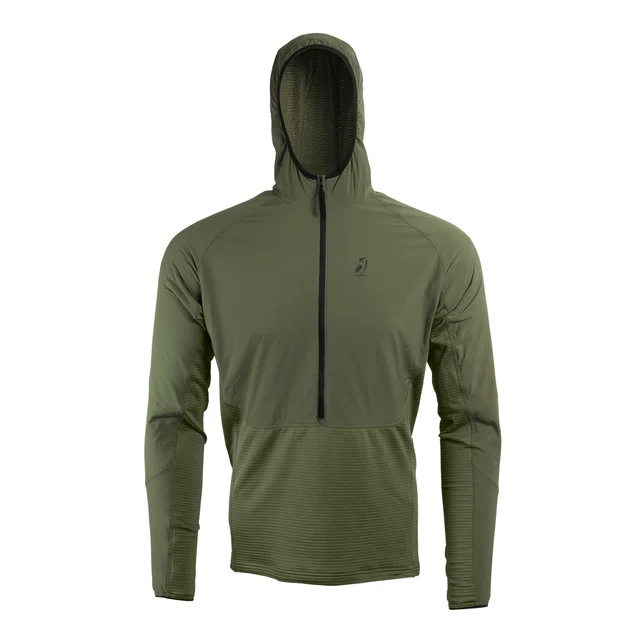
A hybrid grid fleece that maps breathability where you sweat and insulation where you don't.
Best for: High-output hikers, hunters and fastpackers who want breathable warmth without the flagship price.
- Grid-fleece zones dump heat while stretch-woven panels add durability and a little wind blunting
- Genuinely lightweight and packs small for its warmth
- Priced well below the premium name-brand mid-layers
- Smaller brand with a narrower size and color range and occasional stock gaps
- Woven panels take the edge off wind but it's still not a windproof shell
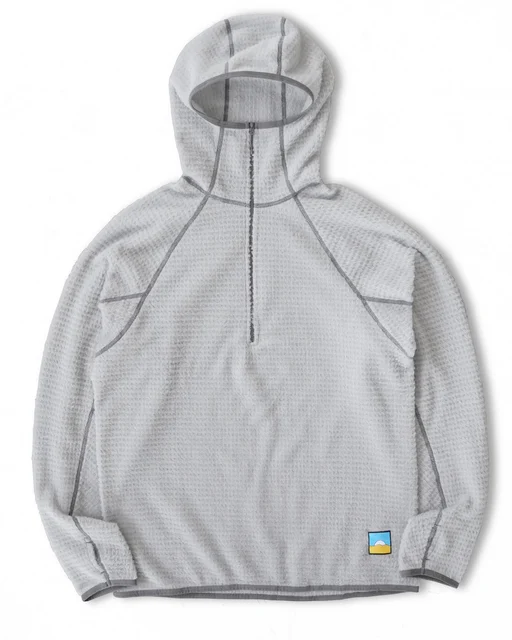
Unreal warmth for the weight and the best breathability here — if you can baby it.
Best for: Thru-hikers and fast-and-light travelers who count grams and always carry a shell.
- Polartec Alpha Direct grid is the most breathable, fastest-drying fleece in this group
- Best-in-class warmth-to-weight and packs down to almost nothing
- Half-zip and hood dump heat fast on climbs
- Delicate open-grid fabric snags, pills and sheds; not for rough daily wear
- Practically zero wind resistance — needs a shell in any breeze
- Cottage-brand availability can mean waits or limited stock
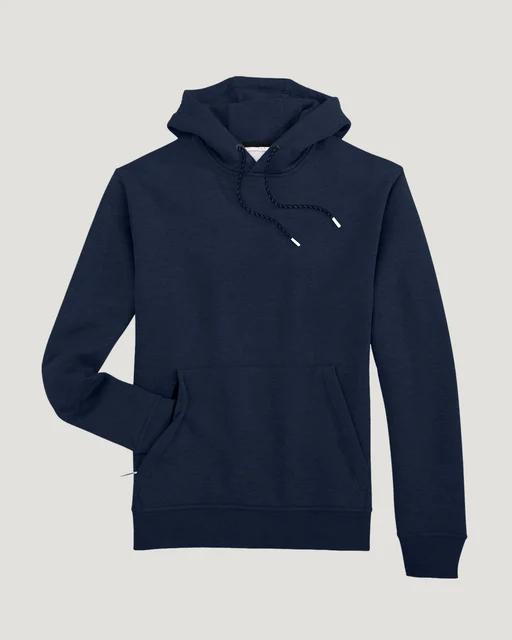
A buttery, cozy bamboo fleece that's lovely on the couch and the wrong tool on the trail.
Best for: Around-town warmth and lounging — not high-output hiking.
- Exceptionally soft with a substantial, comfortable heavyweight feel
- Handsome enough for everyday casual wear
- Dense bamboo-blend fleece doesn't vent — you'll overheat and clam up on the move
- Heavy and bulky to pack, and bamboo blends hold moisture rather than wicking it
- Premium price for what is really a lifestyle hoodie, not a technical layer
| Criteria | Ridge Merino Cloudripper Grid Fleece Full-Zip Hoodie Top pick | Outdoor Vitals Pursuit Hybrid Fleece Hoodie | Senchi Designs A120 Half-Zip Hoodie | Free Fly Bamboo Northcoast Fleece Pullover Hoodie |
|---|---|---|---|---|
| Verdict | Buy it | Buy it | It depends | Skip it |
| Best for | Hikers and everyday wearers who want one breathable mid-layer that resists odor and layers cleanly. | High-output hikers, hunters and fastpackers who want breathable warmth without the flagship price. | Thru-hikers and fast-and-light travelers who count grams and always carry a shell. | Around-town warmth and lounging — not high-output hiking. |
| Price tier | $$$ · premium | $$ · mid-range | $$ · mid-range | $$$ · premium |
| Fleece type & breathability | Merino grid — very breathable, vents heat | Grid + active-insulation hybrid — highly breathable | Alpha Direct grid — the most breathable here | Dense bamboo fleece — soft but poor venting |
| Warmth-to-weight | Warm for the weight | Excellent | Best in class (ultralight) | Warm but heavy |
| Best use | Active mid-layer + everyday | High-output hiking mid/outer layer | Thru-hiking / fast-and-light | Casual / around town |
| Wind resistance | None — layer a shell in wind | Slight (woven panels), still needs a shell | None — always needs a shell | Blocks a little, but not a shell |
| Durability & pilling | Sturdy merino-blend face | Good — woven face zones | Fragile; snags, pills and sheds | Durable but pills over time |
| Packability | Compresses well | Packs small | Packs tiny | Bulky |
| Price tier | $$$ · premium | $$ · mid-range | $$ · mid-range | $$$ · premium |
Which one is right for you?
- Hikers and everyday wearers who want one breathable mid-layer that resists odor and layers cleanly. Buy it Ridge Merino Cloudripper Grid Fleece Full-Zip Hoodie
- High-output hikers, hunters and fastpackers who want breathable warmth without the flagship price. Buy it Outdoor Vitals Pursuit Hybrid Fleece Hoodie
- Thru-hikers and fast-and-light travelers who count grams and always carry a shell. It depends Senchi Designs A120 Half-Zip Hoodie
- Around-town warmth and lounging — not high-output hiking. Skip it Free Fly Bamboo Northcoast Fleece Pullover Hoodie
How we judged the field
We don’t run our own lab. What we do is read across independent testing and pool the patterns from long-term owner reports, then weigh what actually matters for a fleece you’ll hike and live in: how well it breathes and vents while you move, warmth for the weight you carry, how it handles wind (spoiler: none of them do), long-term pilling and durability, packability, and fit details like hoods and pockets. Price tier is the last column.
The single biggest divide in fleece is construction. Grid fleece — the waffled, gridded knit pioneered by Polartec and now made by many brands — traps warm air in its raised pockets while the channels between them let sweat vapor escape, so it keeps regulating as your output rises. Dense, plush fleece is warmer standing still but seals heat in, so you overheat and dampen the moment you push the pace. That’s why we treat grid-style fleece as the real active mid-layer and heavier plush fleece as a static or casual layer. Match the type to the job and you’ll be comfortable; buy on softness alone and you’ll sweat.
One rule applies to every jacket here: fleece is not windproof. Its breathability comes from an open structure that wind blows straight through. In any real breeze you need a shell over it. Anyone selling fleece as your outer layer in wind is setting you up to be cold.
This is the fleece we’d hand most people. The Cloudripper is a grid fleece with a high merino-wool content, and that combination does two things a plain synthetic fleece can’t. First, the gridded interior breathes and vents heat so you can keep it on through a climb instead of stopping to strip a layer. Second, merino against the skin resists odor, so it stays wearable for days between washes — the sort of thing owners of merino layers consistently praise. Ridge builds it as a proper mid-layer: a low-profile hood that fits under a helmet or shell, a smoother merino-blend face that slides under an outer layer without bunching, and a thinner lower-back panel so it tucks in cleanly. It costs what a premium mid-layer costs, and the soft merino face isn’t as abrasion-proof as a burly hardface fleece — and, like everything here, it stops no wind. But as one breathable, low-stink layer to hike and live in, it’s the most complete jacket in this group.
If the Cloudripper is the premium pick, the Pursuit is the value one. Outdoor Vitals builds it as a hybrid: grid fleece in the high-sweat, high-mobility zones for breathability, and stretch-woven nylon with a touch of active insulation through the core. In practice that means it dumps heat where you need it to and adds a little durability and wind blunting where a plain fleece would just flap. The target buyers are people who push hard in the cold — backpackers, hunters, fastpackers — and the payoff is that you can leave it on across a wide range of efforts instead of constantly swapping layers. It’s genuinely light, packs small, and undercuts the big-name mid-layers on price. The trade-offs are the ones you’d expect from a smaller brand: fewer sizes and colors and the occasional stock gap. And the woven panels only blunt wind — they don’t replace a shell.
The A120 is the specialist. It’s made from Polartec Alpha Direct 120, an ultralight open-grid fleece that is, by a clear margin, the most breathable and fastest-drying fabric in this comparison. The warmth-to-weight is genuinely startling — it packs to almost nothing and vents so freely, helped by the half-zip and hood, that thru-hikers wear it climbing and barely notice it. So why “it depends”? Because that airy grid is fragile. Owners report it snags, pills and sheds with rough handling, and it offers essentially no wind resistance on its own — it’s designed to be worn under a shell or wind layer, always. It’s also a cottage-brand product, so availability can mean waiting. If you count grams and already hike in a layering system with a shell, it’s close to magic. If you want one fleece to throw in a bag and abuse, look elsewhere.
We want to be fair: the Bamboo Northcoast is a lovely hoodie. It’s heavyweight, buttery soft, and handsome enough to wear every day, and owners who bought it as a casual layer are happy. But as the breathable hiking mid-layer this roundup is about, it’s the wrong tool — which is why we’d skip it here. It’s a dense bamboo-blend fleece, and density is exactly what you don’t want when you’re working: it seals in heat, so you overheat and clam up on the move. Bamboo-viscose blends also tend to hold moisture rather than wick it, and the jacket is heavy and bulky to pack. You’re paying a premium for softness and looks, not for performance. Buy it to lounge in; don’t buy it to sweat in.
Ridge Merino Cloudripper Grid Fleece Full-Zip Hoodie vs Outdoor Vitals Pursuit Hybrid Fleece Hoodie: which should you buy?
Both are excellent breathable fleeces, so the choice comes down to priorities. The Ridge Merino Cloudripper wins on materials and versatility: merino makes it warmer for its weight, far more odor-resistant, and nicer against the skin, and the hood and tuck-friendly cut make it the better everyday-plus-trail layer. The Outdoor Vitals Pursuit wins on value and outright breathability under hard effort, thanks to its mapped grid zones, and its woven panels shrug off light wind and abrasion a hair better. Spend up for the Cloudripper if you want one do-everything layer that never stinks; save with the Pursuit if you mostly want breathable warmth for high-output days and would rather keep the cash. Either way you’re getting a fleece that vents — which is the whole point.
What to look for
- Grid over plush for anything active. Waffled grid fleece breathes and vents; dense, fuzzy fleece is warmer standing still but traps sweat. Match the type to how hard you’ll be moving.
- Pick a weight class. Roughly, 100-weight for high-output and layering, 200-weight for everyday warmth, and 300-weight for cold, mostly static use. Lighter breathes and packs better; heavier is warmer but bulkier.
- Plan for wind. No fleece is windproof. If you’ll face a breeze, budget for a shell to layer over it rather than expecting the fleece to block it.
- Check pilling and durability. The airiest fleeces breathe best but pill and snag fastest. Denser faces and hardface panels last longer.
- Mind the fit details. A low-profile hood that fits under a shell, flat seams that don’t chafe under a pack, and a hem that tucks or seals matter more than color.
- Packability. If it lives in a bag, weight and compressed size matter; if it lives on your shoulders around town, they don’t.
Our final take
Buy a fleece for how it breathes, not just how it feels in the store. The three technical options here — the Ridge Merino Cloudripper, the Outdoor Vitals Pursuit and the Senchi A120 — all vent heat while you move, which is exactly what a mid-layer should do; the Free Fly Bamboo Northcoast feels the nicest and performs the worst at that job, so we’d keep it for casual wear. Our pick, the Cloudripper, is the one most people should own: breathable, odor-resistant merino grid that layers cleanly and pulls double duty on the trail and around town. Whichever you choose, remember the layer it can’t replace — pack a shell, because none of these stop the wind.
Questions, answered
What's the difference between grid fleece and regular fleece?
Grid fleece has a waffled, gridded knit — think raised squares with channels between them. The raised areas trap warm air while the channels let sweat vapor escape, so it stays comfortable as your effort rises. Plain, dense fleece is warmer when you're standing still but seals heat in, so you overheat and dampen once you get moving. For hiking and other active use, grid fleece is the better mid-layer; dense fleece is better as a casual or static layer.
Is a fleece jacket windproof?
No. Fleece breathes precisely because it has an open structure, and wind blows right through it. That's a feature when you're working hard, but it means you need a windproof or waterproof shell over your fleece in any real breeze. Treat fleece as a warmth-and-breathability layer, not an outer shell.
What do the 100, 200 and 300 weights mean?
They're rough grams-per-square-meter fabric weights that signal warmth. 100-weight is thin and breathable, best for high-output activity and layering; 200-weight is versatile everyday warmth; 300-weight is thick and warm but bulky and better for cold, low-activity use. Lighter fleece breathes and packs better; heavier fleece is warmer but sweatier when you move.
Will a fleece jacket pill over time?
Most will to some degree, and there's a trade-off: the airiest, most breathable fleeces (like ultralight grid fleeces) pill and snag the fastest, while denser faces and hardface panels resist it longer. Washing inside-out on a gentle cycle and avoiding rough hook-and-loop and pack abrasion helps. If long-term looks matter more than maximum breathability, lean toward a denser or hardface fleece.
Which fleece should I buy for everyday warmth versus hiking?
For a do-everything layer, a mid-weight breathable grid fleece like our top pick covers both — it vents on the trail and looks fine around town. If you're mostly hiking hard, prioritize breathability and low weight. If you mainly want cozy warmth for casual wear and won't be sweating in it, a denser plush fleece is fine — just don't expect it to keep you comfortable when you pick up the pace.
Deciding between the top two? See our head-to-head: Ridge Merino Cloudripper Grid Fleece Full-Zip Hoodie vs Outdoor Vitals Pursuit Hybrid Fleece Hoodie.
More Outdoors & Fitness reviews
 The Best Hiking Gaiters: 4 Compared (and One to Skip)
  The Best Beginner Golf Club Sets: 4 Compared (and One to Skip)
  The Best Golf Push Carts: 4 Compared (and One to Skip)
  The Best Golf Laser Rangefinders: 4 Compared (and One to Skip)
  The Best GPS Running Watches for 2026
  The Best Guy Lines: 4 Compared (and One to Skip)