

Tech & Gadgets
The Best Video Capture Cards: 4 Compared (and One to Skip)
We compared four current capture cards on capture quality, passthrough, latency, setup and value for streaming and recording.
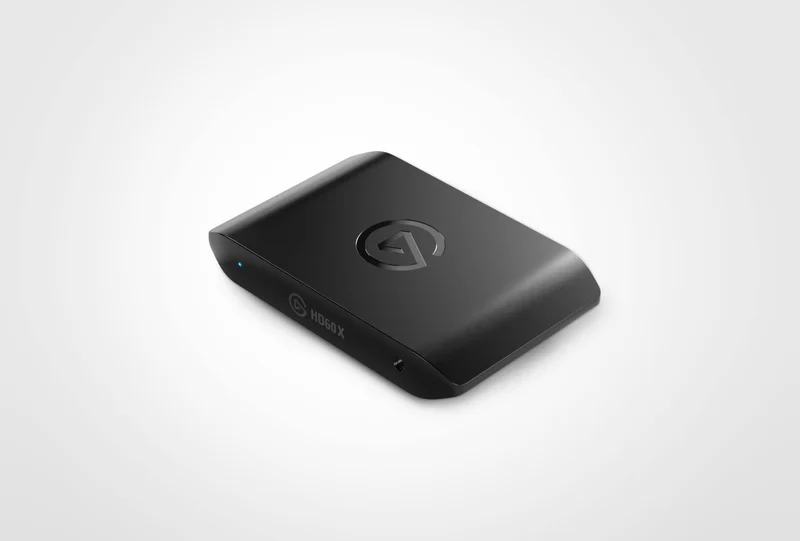
The short version
Most people should buy the Elgato HD60 X: it captures 1080p60 HDR (plenty for streaming), passes through 4K60 and high-refresh gameplay without capping your monitor, and has the most polished software, all at a mid-range price. Spend up on the Elgato 4K X only if you truly need HDMI 2.1 4K144 passthrough or 4K60 HDR recording. The AVerMedia Live Gamer 4K 2.1 makes sense only for desktop owners who lack a fast USB-C port and want an internal HDMI 2.1 card. Skip the aging Razer Ripsaw HD, which is stuck on HDMI 2.0 with no HDR and sits too close in price to far better options. Best for: streamers who want the right amount of capture card without overpaying for resolution they will never use.
The verdict in 30 seconds
What mattered most
- Connection
- Max capture
- Passthrough
- HDR capture
- Software polish
- Setup
A capture card sits between your console (or second PC) and your streaming rig, turning HDMI gameplay into a clean feed you can record or broadcast. The good news for 2026 buyers is that even mid-priced boxes now handle 1080p60 HDR without breaking a sweat, so the real questions are how much resolution and refresh you actually need, whether you want an external plug-and-play box or an internal card, and how polished the software is. We synthesized independent testing and aggregated owner reports to land on two easy recommendations, one card that only makes sense in specific setups, and one popular pick we think most people should now skip.
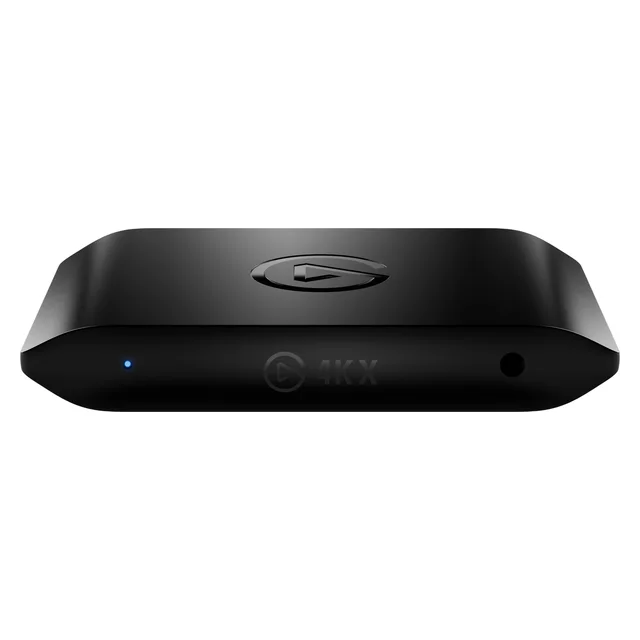
The future-proof external pick, with true HDMI 2.1 4K144 passthrough and up to 4K60 HDR capture.
Best for: Creators on current-gen consoles or high-refresh 4K setups who want passthrough that never bottlenecks their gameplay.
- HDMI 2.1 lets it pass through up to 4K144 with VRR, so a PS5 Pro or high-refresh 4K monitor plays uncapped while you capture
- Captures up to 4K60 HDR10 (and up to 1080p240), giving you real headroom for recording, not just streaming
- External USB-C box that is genuinely plug-and-play and works across OBS, Windows and Mac
- Needs a fast 10Gbps USB-C port and a reasonably capable PC to hit its top modes
- Overkill and pricey if you only ever stream 1080p
The value default: 1080p60 HDR capture plus high-refresh passthrough that covers what most streamers actually do.
Best for: The mainstream streamer capturing 1080p or 1440p who wants the best balance of quality, ease and price.
- Captures 1080p60 with HDR10, which is plenty for Twitch and YouTube, and independent testing rates the image quality highly for the class
- Passthrough handles 4K60 HDR and up to 1440p120 / 1080p240, so it does not cap your monitor while you play
- Simple external USB-C setup and the most polished, widely supported software here
- Tops out at 4K30 for actual capture, so it is not the box for recording high-frame-rate 4K
- No HDMI 2.1, so it cannot pass through 4K120
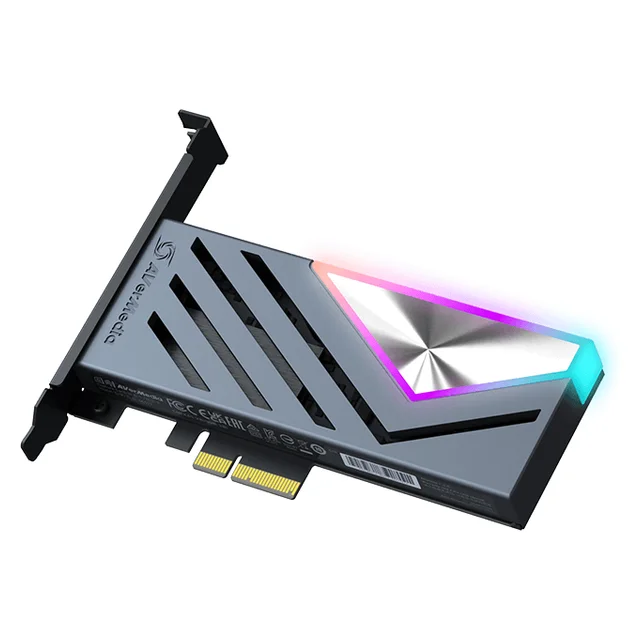
A true HDMI 2.1 internal card, ideal only if you have a desktop with a free PCIe slot and no spare 10Gbps USB-C port.
Best for: Desktop streamers who lack a 10Gbps USB-C port and would rather have HDMI 2.1 capture built into the tower.
- HDMI 2.1 passthrough up to 4K144 with 4K60 HDR capture, matching the external competition's headline modes
- Internal PCIe card frees up a USB port and sidesteps the fast-USB-C requirement that trips up some setups
- Reviewers note it uses the same capture silicon as AVerMedia's external HDMI 2.1 box, so image quality is a known quantity
- Desktop-only: you have to open the case and give up a PCIe slot, so it is useless for laptops or console-only creators
- Owner and reviewer reports consistently rate AVerMedia's software and driver experience as rougher than Elgato's
- Priced at the top of this group without offering resolutions the external version does not already have
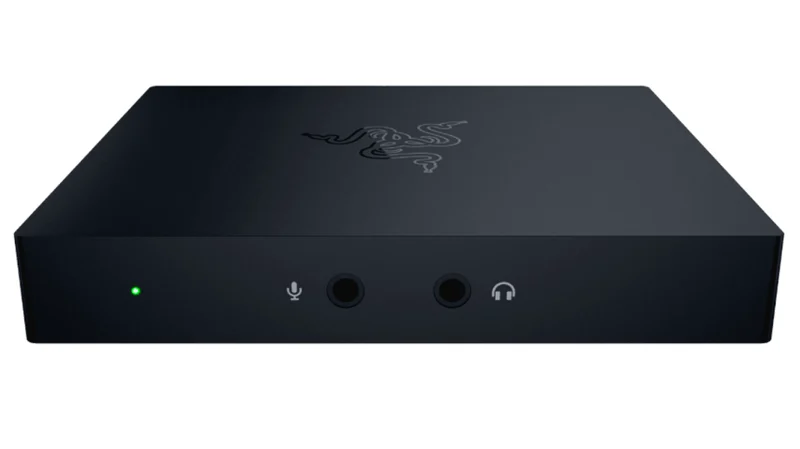
A once-loved entry card that HDMI 2.0 and time have left behind at a price that no longer makes sense.
Best for: Almost no one today; only worth it if you find one heavily discounted and never plan to move past basic 1080p.
- Clean 1080p60 capture that owners still describe as sharp for basic streaming
- Handy built-in headset and mic passthrough jacks for quick audio mixing
- Simple external USB box that is easy to set up
- Stuck on HDMI 2.0 with no HDR capture and no high-refresh or 4K120 passthrough, so it can bottleneck modern displays
- Owner reports repeatedly flag audio quirks and thin, dated software
- Sits close to the far more capable HD60 X in price, so you pay similar money for much less
| Criteria | Elgato Game Capture 4K X | Elgato Game Capture HD60 X Top pick | AVerMedia Live Gamer 4K 2.1 (GC575) | Razer Ripsaw HD |
|---|---|---|---|---|
| Verdict | Buy it | Buy it | It depends | Skip it |
| Best for | Creators on current-gen consoles or high-refresh 4K setups who want passthrough that never bottlenecks their gameplay. | The mainstream streamer capturing 1080p or 1440p who wants the best balance of quality, ease and price. | Desktop streamers who lack a 10Gbps USB-C port and would rather have HDMI 2.1 capture built into the tower. | Almost no one today; only worth it if you find one heavily discounted and never plan to move past basic 1080p. |
| Price tier | $$$$ · flagship | $$ · mid-range | $$$ · premium | $ · budget |
| Connection | External USB-C | External USB-C | Internal PCIe card | External USB 3.0 |
| Max capture | Up to 4K60 HDR (to 1080p240) | 1080p60 HDR (4K30) | Up to 4K60 HDR (to 1080p240) | 1080p60, no HDR |
| Passthrough | Up to 4K144 + VRR (HDMI 2.1) | 4K60 / 1440p120 / 1080p240 | Up to 4K144 (HDMI 2.1) | Up to 4K60 (HDMI 2.0) |
| HDR capture | Yes (HDR10) | Yes (1080p HDR10) | Yes (HDR10) | No |
| Software polish | Excellent (Elgato) | Excellent (Elgato) | Functional (AVerMedia) | Basic (Razer) |
| Setup | Plug-and-play, needs 10Gbps USB-C | Plug-and-play | Install in a PCIe slot | Plug-and-play |
| Best use | High-refresh 4K creators | Mainstream 1080p / 1440p streamers | Desktops without fast USB-C | Entry 1080p (now outclassed) |
| Price tier | $$$$ · flagship | $$ · mid-range | $$$ · premium | $ · budget |
Which one is right for you?
- Creators on current-gen consoles or high-refresh 4K setups who want passthrough that never bottlenecks their gameplay. Buy it Elgato Game Capture 4K X
- The mainstream streamer capturing 1080p or 1440p who wants the best balance of quality, ease and price. Buy it Elgato Game Capture HD60 X
- Desktop streamers who lack a 10Gbps USB-C port and would rather have HDMI 2.1 capture built into the tower. It depends AVerMedia Live Gamer 4K 2.1 (GC575)
- Almost no one today; only worth it if you find one heavily discounted and never plan to move past basic 1080p. Skip it Razer Ripsaw HD
How we judged the field
We do not run our own capture lab. Instead we synthesized independent testing and aggregated owner reports, then weighted the things that actually decide whether a capture card is worth your money. Capture quality and supported resolutions came first: what the card can record and stream, and whether it does HDR. Passthrough mattered just as much, because a card that caps your monitor’s resolution or refresh rate quietly ruins the experience you paid a fast display for. We also weighed setup and connection type (external USB versus internal PCIe), latency behavior, and the polish of the bundled software and drivers, since a card you fight with every session is worse than one that disappears into your routine. Finally we looked at value: not the lowest sticker, but whether the price matches what you get relative to the alternatives.
Elgato Game Capture 4K X — buy
This is the card to buy when you want to stop worrying about the future. Its HDMI 2.1 input and output pass through up to 4K144 with variable refresh rate, which means a high-refresh 4K monitor or a current-gen console runs exactly as it should while the card quietly grabs a copy. On the capture side it reaches up to 4K60 with HDR10, and up to 1080p240 if you would rather bank frames than pixels, so it has genuine recording headroom rather than just streaming competence. Reviewers consistently praise its passthrough flexibility and low latency, and because it is an external USB-C box it stays approachable: no case to open, and it plays nicely with OBS on both Windows and Mac. The catch is that it expects a real 10Gbps USB-C port and a capable PC to unlock its best modes, and if you only ever push a 1080p stream you are paying for ceiling you will never touch. For the right setup, though, it is the most trouble-free way to capture modern gameplay at its best.
Elgato Game Capture HD60 X — buy
The HD60 X is the card we would hand most people without hesitation. It captures 1080p60 with HDR10, which covers essentially everything a Twitch or YouTube audience actually watches, and independent testing rates its image quality at the top of its class. Crucially, its passthrough punches above the capture spec: it will send 4K60 HDR, 1440p120 or 1080p240 to your display, so plugging it in does not force you to game at a lower resolution or refresh than your monitor supports. Add Elgato’s polished, broadly supported software and a genuinely plug-and-play USB-C connection, and you get a card that just works. The honest limits are that capture tops out at 4K30, so it is not for recording high-frame-rate 4K, and it is not an HDMI 2.1 device, so it will not pass 4K120. Neither restriction touches what the mainstream streamer does day to day, which is exactly why it is our top pick.
AVerMedia Live Gamer 4K 2.1 (GC575) — it depends
This internal card is a strong piece of hardware aimed at a specific person. It offers HDMI 2.1 passthrough up to 4K144 and 4K60 HDR capture, matching the external flagships on the headline numbers, and reviewers note it shares its capture silicon with AVerMedia’s external HDMI 2.1 box, so the image quality is a known, respectable quantity. Being an internal PCIe card, it frees a USB port and sidesteps the fast-USB-C requirement that occasionally trips up external setups. But those strengths only land in one scenario: a desktop with a spare PCIe slot and no convenient 10Gbps USB-C port. If you use a laptop, or you only capture from a console, it is a non-starter, and even for desktop owners it means opening the case and committing a slot. Owner and reviewer reports also tend to rate AVerMedia’s software and drivers as rougher around the edges than Elgato’s, and it sits at the top of this group’s pricing without unlocking resolutions the external version lacks. Right setup, quietly excellent; wrong setup, an awkward buy.
Razer Ripsaw HD — skip
The Ripsaw HD was a genuinely likable entry card in its day, and owners still describe its 1080p60 capture as clean, with handy headset and mic jacks for quick audio mixing. The problem is that time and the market have moved past it. It is stuck on HDMI 2.0 with no HDR capture and no high-refresh or 4K120 passthrough, so on a modern console or high-refresh display it can become the bottleneck rather than the enabler. Owner reports also recur around audio quirks and thin, dated software. None of that would be damning if it were dirt cheap, but it typically sits close in price to the HD60 X, a card that captures HDR, passes through far more, and comes with better software. When a newer option does more for similar money, the older one stops being a bargain and becomes a false economy. Unless you stumble on one at a steep discount and never intend to move past basic 1080p, spend a little smarter.
Elgato HD60 X vs Elgato 4K X: which should you buy?
This is the decision most readers are really making, and it comes down to one honest question: do you actually work in 4K? If your stream lives at 1080p (or you record at 1080p for editing), the HD60 X gives you HDR capture, high-refresh passthrough so your gameplay is never capped, and the same excellent software as its bigger sibling, for meaningfully less money. It is the smart-money pick. The 4K X justifies its premium only when your setup demands it: you record local 4K60 footage, or you run a high-refresh 4K monitor or current-gen console and want HDMI 2.1 passthrough that keeps everything uncapped. Buy the 4K X for the display and workflow you actually have, not the one you imagine; for most people, the HD60 X is the card that ends the search.
What to look for
- Match capture to your output, not the box’s ceiling. Most streams are 1080p; 1080p60 HDR capture is plenty unless you specifically record 4K for editing.
- Check the passthrough, not just the capture number. The card should pass your monitor’s full resolution and refresh (and VRR, if you use it) so gameplay never gets capped.
- HDMI 2.1 vs HDMI 2.0. Only HDMI 2.1 cards handle 4K120 and the newest high-refresh modes; HDMI 2.0 is fine for 1080p but shows its age fast.
- External vs internal. External USB cards work everywhere including laptops and consoles; internal PCIe cards suit desktops that lack a fast USB-C port.
- Mind the USB requirement. The fastest external cards need a genuine 10Gbps USB-C port to reach their top modes.
- Weigh the software. A polished, well-supported app saves you real frustration; rough drivers can undo good hardware.
Our final take
Capture cards have quietly gotten good enough that the wrong move is overspending, not underspending. The Elgato HD60 X is the card we would recommend to most streamers: it captures what you actually broadcast, passes through high-refresh gameplay untouched, and pairs great software with a fair price. Step up to the Elgato 4K X only when your workflow or display genuinely calls for HDMI 2.1 and 4K60 capture, in which case it is the most future-proof external option here. The AVerMedia Live Gamer 4K 2.1 is a fine internal card for the narrow group of desktop owners who need exactly that, and the Razer Ripsaw HD is the one to pass on now that better cards cost about the same. Buy for the setup in front of you, and you will not overpay for headroom you never use.
Questions, answered
Do I even need a capture card to stream?
If you play and stream on the same PC, usually no; modern GPUs encode your gameplay directly, and software like OBS handles the rest. A capture card earns its keep when you are streaming a console (PS5, Xbox, Switch) or running a two-PC setup where a dedicated streaming machine ingests the gameplay feed. If a single PC is your whole setup, spend the money elsewhere first.
Internal PCIe or external USB card, which should I choose?
External USB cards are the easy default: they work with laptops, desktops, Macs and consoles, and you just plug them in. An internal PCIe card like the AVerMedia only makes sense in a desktop, and mainly if you lack a fast 10Gbps USB-C port or want to keep the box out of sight. For most people the flexibility of an external card outweighs any tidiness benefit of going internal.
Will a capture card add lag to my gameplay?
Not to what you play on, as long as you use the card's HDMI passthrough. The card sends a copy of the signal straight to your monitor or TV with near-zero added latency, while a separate stream goes to your streaming software. Any small delay lives only in the captured/streamed feed, which viewers see, not in your own controller-to-screen experience.
Do I actually need 4K capture, or is 1080p enough?
Most streamers broadcast at 1080p because that is what platforms deliver reliably and what viewers watch, so a 1080p60 HDR card like the HD60 X is plenty. Reach for a 4K-capable card mainly if you record local 4K footage for editing, or you have a high-refresh 4K or current-gen console setup and want passthrough that does not cap your display.
What does my PC need to run the Elgato 4K X's top modes?
The 4K X connects over USB and needs a genuine 10Gbps USB-C port (USB 3.2 Gen 2) plus a reasonably modern PC to hit its highest capture and passthrough modes; a slower port will limit it. If your desktop has neither a fast USB-C port nor room to add one, an internal HDMI 2.1 card is the workaround, whereas laptop and console users are better served by the external Elgato boxes.
More Tech & Gadgets reviews
 The Best Chromebooks: 4 Compared (and One to Skip)
  The Best Digital Photo Frames: 4 Compared (and One to Skip)
  The Best DIY Home Security Systems: 4 Compared (and One to Skip)
  The Best Laptop Docking Stations: 4 Compared (and One to Skip)
  The Best Camera Drones: 4 Compared (and One to Skip)
  The Best E-Ink Tablets: 4 Compared (and One to Skip)