

Health & Wellness
The Best Blue-Light Glasses for Screen Use: 4 Compared (and One to Skip)
We compared four buyable blue-light glasses on lens tint, build, style, and value - and stayed honest about what the science actually shows.
The short version
Blue-light glasses are worth buying for comfort, tint preference, and looks - not because they're a proven fix for eye strain, since the research on that is weak and mixed. The Felix Gray Roebling wins on build quality and a near-clear lens you can wear all day, while the Barner Charles offers most of that charm on a budget. The GUNNAR Intercept's heavy amber lens makes sense only for night gaming or shift work, where its color-shifting tint won't matter. Skip the Ra Optics Ram Dass Daylight: it charges flagship prices and leans on light-protection claims the evidence doesn't support, and its lens carries a yellow tint anyway. Best for: comfortable, good-looking screen wear - with realistic expectations about what the glasses can and can't do.
Our picks at a glance
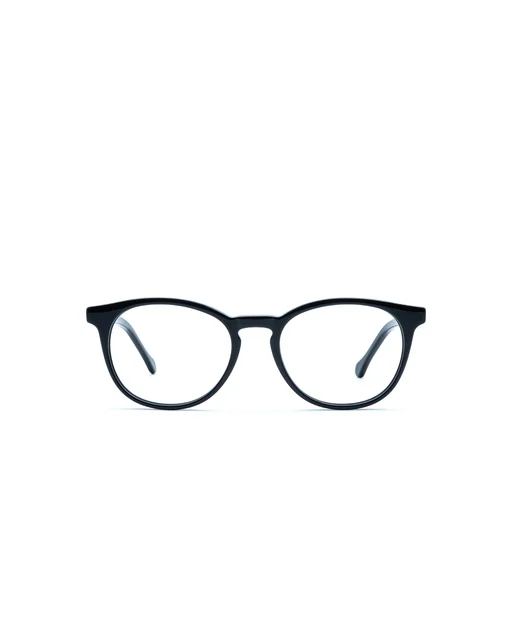
- Felix Gray Roebling - Buy. The best-built, best-looking pair here, with a filter subtle enough to wear all day.
- Barner Charles - Buy. A genuinely stylish, lightly filtered pair at a price that makes the whole category easy to try.
- GUNNAR Intercept (Amber) - It depends. Strong amber tint that's great for late-night gaming but wrong for daytime color work.
- Ra Optics Ram Dass Daylight - Skip. Flagship money for a tinted lens sold on light-and-circadian claims the evidence doesn't support.
The verdict in 30 seconds
What mattered most
- Lens tint / color accuracy
- Frame build & materials
- Everyday style
- Filtering strength
- Best use case
- Value for money
Let's be upfront: the evidence that blue-light glasses reduce eye strain is weak and mixed, so we judged these four the way they actually earn their keep - comfort, lens clarity, frame build, and looks. Two are easy recommendations at very different prices, one is a specialist you should buy only for the right reason, and one is a genuine skip that charges flagship money for promises the research doesn't back. Here's how they stack up for everyday screen time.
The best-built, best-looking pair here, with a filter subtle enough to wear all day.
Best for: Anyone who wants a stylish everyday pair and is buying mostly for comfort and looks, not a medical claim.
- Premium organic-acetate frame that feels and looks far nicer than typical screen glasses
- Near-clear lens with only a faint tint, so on-screen colors stay accurate
- Comes with a hard case and cloth; prescription and reading options available
- Premium price for what is still an unproven eye-strain benefit
- The subtle filter is exactly that - subtle - so it won't satisfy anyone chasing a strong effect
Amazon had no buyable listing for this when we last checked. The link still works if it returns.
Find it on Amazon Read our detailed assessmentOwn the Felix Gray Roebling? Tell us how it held up.
Thanks. Counted, and shown once enough owners have weighed in.
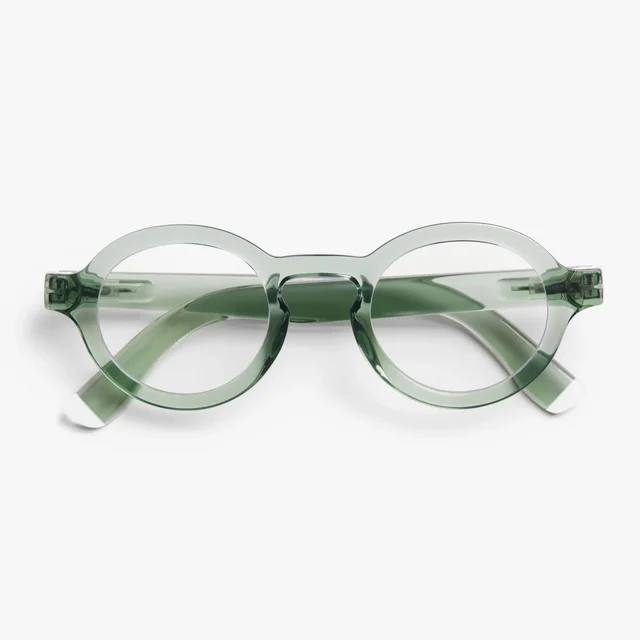
A genuinely stylish, lightly filtered pair at a price that makes the whole category easy to try.
Best for: Budget-minded desk workers who want a nice-looking pair without overspending on unproven benefits.
- Low price makes it a low-risk way to see if you like wearing screen glasses at all
- Light, near-clear filter keeps colors natural for reading and general work
- Fashion-forward frames that don't look like gaming gear
- Build is positioned below the premium pick
- Light filtering means minimal effect if you specifically want strong blue-light reduction
Own the Barner Charles? Tell us how it held up.
Thanks. Counted, and shown once enough owners have weighed in.
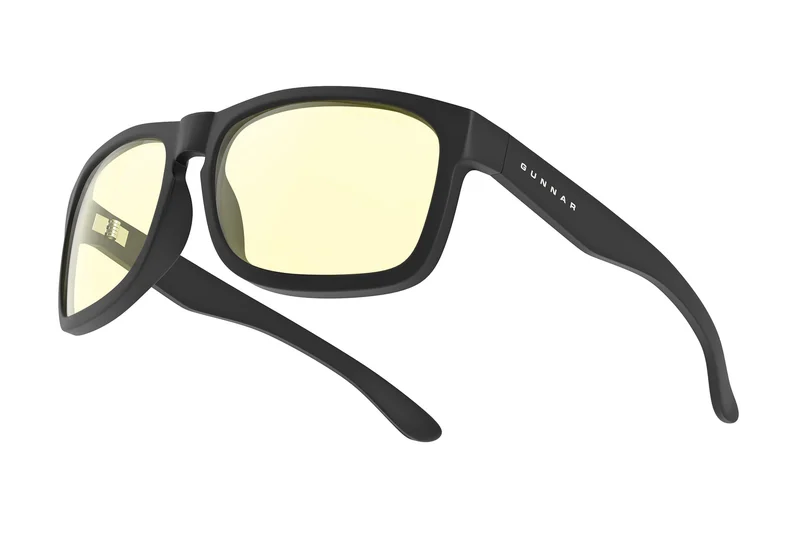
Strong amber tint that's great for late-night gaming but wrong for daytime color work.
Best for: Evening gamers and night-shift screen users who want a heavy tint and don't care about accurate color.
- The amber lens filters far more blue light than clear pairs (the maker states 65 percent at 450 nm)
- Lightweight nylon frame (33 grams, per the maker) built for long gaming or coding sessions
- Multiple lens strengths offered, from near-clear to heavy amber
- Amber tint noticeably shifts colors - a real problem for photo, video, or design work
- Gaming-brand styling in a retro rectangle shape won't suit every office or face
- Stronger filtering is not the same as a proven strain or sleep benefit
Own the GUNNAR Intercept (Amber)? Tell us how it held up.
Thanks. Counted, and shown once enough owners have weighed in.
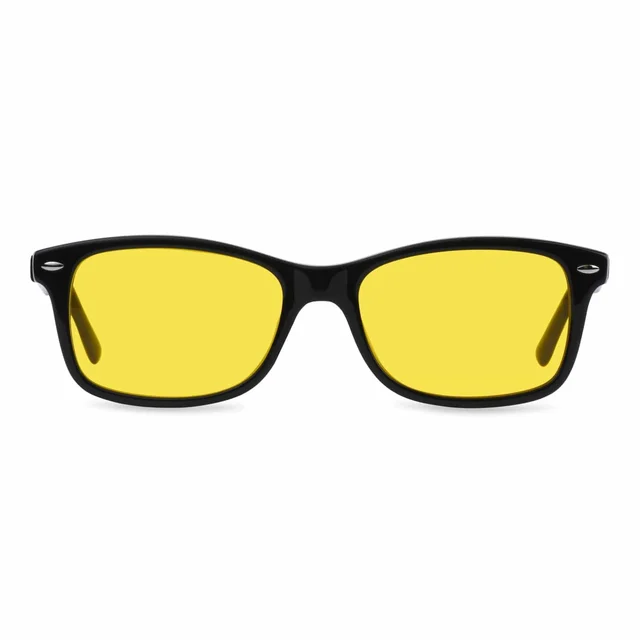
Flagship money for a tinted lens sold on light-and-circadian claims the evidence doesn't support.
Best for: Almost no one buying purely for screen use - the price and marketing outrun what these actually do.
- Genuinely nice Italian-acetate-and-steel construction
- Retro round styling that photographs well
- Costs the most here, for benefits framed around unproven eye-health and light-protection marketing
- Even the 'Daylight' lens carries a yellow tint (the maker calls it subtle) that can shift on-screen color
- You're paying a wellness-brand premium for what is, functionally, a tinted lens
Own the Ra Optics Ram Dass Daylight? Tell us how it held up.
Thanks. Counted, and shown once enough owners have weighed in.
| Criteria | Felix Gray Roebling Top pick Buy it | Barner Charles Buy it Buy | GUNNAR Intercept (Amber) It depends Buy | Ra Optics Ram Dass Daylight Skip it Buy |
|---|---|---|---|---|
| Best for | Anyone who wants a stylish everyday pair and is buying mostly for comfort and looks, not a medical claim. | Budget-minded desk workers who want a nice-looking pair without overspending on unproven benefits. | Evening gamers and night-shift screen users who want a heavy tint and don't care about accurate color. | Almost no one buying purely for screen use - the price and marketing outrun what these actually do. |
| Price tier | $$$ · premium | $ · budget | $$ · mid-range | $$$$ · flagship |
| Lens tint / color accuracy | Near-clear, faint tint | Light, near-clear | Heavy amber - shifts color | Yellow tint - shifts color |
| Frame build & materials | Premium acetate, excellent | TR-90 frame | Lightweight nylon | Italian acetate & steel, premium |
| Everyday style | Refined, office-ready | Fashion-forward | Gamer-leaning | Retro statement |
| Filtering strength | Subtle | Light | Strong (maker-stated) | Strong |
| Best use case | All-day desk wear | Casual daily screens | Night gaming / late shifts | Style over function |
| Value for money | Good for the quality | Excellent | Fair | Poor |
| Price tier | $$$ · premium | $ · budget | $$ · mid-range | $$$$ · flagship |
Which one is right for you?
- Anyone who wants a stylish everyday pair and is buying mostly for comfort and looks, not a medical claim. Buy it Felix Gray Roebling
- Budget-minded desk workers who want a nice-looking pair without overspending on unproven benefits. Buy it Barner Charles
- Evening gamers and night-shift screen users who want a heavy tint and don't care about accurate color. It depends GUNNAR Intercept (Amber)
- Almost no one buying purely for screen use - the price and marketing outrun what these actually do. Skip it Ra Optics Ram Dass Daylight
How we judged the field
We don’t run a lab. Instead we read the maker pages and the published research, then weigh what holds up. And the first honest thing to say is this: the science that blue-light glasses reduce digital eye strain is weak and mixed. Large reviews of the available research have repeatedly found little reliable evidence for the headline claim. So we deliberately did not rank these on a medical benefit no one has convincingly demonstrated.
What we judged instead is what these products can actually deliver: lens tint and color accuracy, frame build and materials, everyday style and comfort, who each pair genuinely suits, and value for money. A pair that’s comfortable, looks good, and keeps your screen colors honest is a good pair - whether or not the blue-light story ever pans out. A pair that charges a fortune on the strength of that unproven story is not.
Felix Gray Roebling
Buy itThis is the pair we’d actually reach for every day. The Roebling is built from premium organic acetate with a refined, office-appropriate shape, and it comes with a proper hard case and cloth. Crucially, its filtering lens is near-clear - only the faintest tint - so whites stay white and your photos and design work don’t take on a color cast.
The honest caveats: you’re paying a premium price, and the benefit you’re paying toward remains unproven. And because the tint is so subtle, anyone expecting a dramatic effect won’t feel one. But if you want a genuinely good-looking, well-made pair to wear at a desk all day, this is the one.
Barner Charles
Buy itThe Charles proves you don’t have to spend much to get most of what makes screen glasses pleasant. It’s a light, near-clear filter in a fashion-forward TR-90 frame that comes in several colorways, at a price low enough that trying the category is basically risk-free.
The build isn’t as substantial as the premium picks, and the light filtering means minimal effect if you were hoping for something strong. But for a budget-conscious buyer who mainly wants a stylish, comfortable pair for reading and general screen time, the value here is hard to beat.
GUNNAR Intercept (Amber)
It dependsThe Intercept is the specialist. Its amber lens filters substantially more blue light than any clear pair here - GUNNAR states its amber lens blocks 65% of blue light at 450nm - and the lightweight nylon frame is built for marathon gaming and coding sessions. For a night owl who games or works late and wants a strong tint, it delivers.
But that heavy amber tint is exactly why it’s a “depends.” It visibly shifts color, which rules it out for anyone doing photo, video, or design work, and the sporty styling won’t suit every setting. Remember, too, that filtering more blue light is not the same as a proven strain or sleep benefit. Buy it for the specific job - evening, color-insensitive screen time - and it’s great. Buy it as a general daytime pair and you’ll be annoyed by the color cast.
Ra Optics Ram Dass Daylight
Skip itThe Ram Dass is genuinely well made - Italian acetate, steel accents, handsome retro-round styling. The problem is what you’re paying for. It’s the highest-priced pair here, and that premium rides on light-protection and circadian-health marketing that the current evidence simply doesn’t support. To make matters worse, even its “Daylight” lens carries a yellow tint that can throw off on-screen color, so you’re paying flagship prices for a tinted lens dressed up as wellness technology.
If you love the frame and money is no object, fine - but as a screen-use purchase judged on merit, this is the one to skip.
Sources
Specs in this review come from these pages.
Felix Gray Roebling vs Barner Charles: which should you buy?
These are the two we’d steer most people toward, and the choice is really about budget and materials. Both give you a near-clear lens that keeps colors accurate and a frame you’d happily wear in public. The Felix Gray Roebling justifies its premium with noticeably nicer acetate, a more substantial feel, and an included hard case - the kind of quality you notice every day. The Barner Charles gives up some of that heft but delivers the same everyday appeal, the same light filtering, and comparable style for a fraction of the price.
Spend up for the Roebling if you want a pair that feels like a proper piece of eyewear and you’ll wear it constantly. Save with the Charles if you want to look good, keep it cheap, and not overinvest in a benefit that’s still unproven. Either way you’re buying comfort and looks - which is the honest reason to buy at all.
What to look for
- Right expectations first. Buy for comfort, tint preference, and style - not as a cure for eye strain, which the evidence doesn’t back.
- Lens tint vs. color accuracy. Near-clear lenses keep colors true for all-day and creative work; amber/yellow lenses filter more but distort color and suit evenings only.
- Frame quality and fit. Good acetate, comfortable temples, and a shape that flatters your face matter far more day to day than filtering percentages.
- Use case. Match the pair to when you use screens - a color-critical designer and a midnight gamer want opposite lenses.
- Prescription and coatings. If you already wear glasses, adding a filter or anti-reflective coating to your Rx is usually smarter than buying a second pair.
- Price sanity. Don’t overpay for health claims. A budget pair filters the same unproven amount as a flagship one.
Our final take
Blue-light glasses are a fine thing to own for the right reasons - a comfortable, good-looking pair can make long screen days a bit more pleasant, and some people simply prefer how a light filter looks. Just don’t buy them expecting a proven fix for tired eyes. The Felix Gray Roebling is our top pick for its build and wearable near-clear lens, with the Barner Charles delivering most of the same for far less. The GUNNAR Intercept is a smart, narrow choice for heavy-tint evening use, and the Ra Optics Ram Dass Daylight is the one to skip - flagship pricing for claims the science doesn’t support. And if your eyes genuinely hurt at the end of the day, the most effective step is free: try the 20-20-20 rule, fix your lighting and screen distance, and see an eye doctor if it persists.
Questions, answered
Do blue-light glasses actually reduce eye strain?
the evidence is limited and mixed. Large independent reviews of the research have found little reliable proof that filtering blue light reduces digital eye strain. Most screen-related discomfort comes from staring - you blink less and your eyes hold focus for too long - not from blue light itself. The best-supported fix is free: the 20-20-20 rule (every 20 minutes, look at something about 20 feet away for 20 seconds), plus good lighting and screen distance. This is general product information, not medical advice - if you have persistent eye strain, headaches, or vision changes, see an eye doctor rather than relying on glasses.
Will they help me sleep better?
Maybe, at night, and only for the strongly tinted ones. Bright evening screen light can affect melatonin, and amber or orange lenses worn in the hours before bed have more support here than clear daytime filters do. But a lightly tinted 'daytime' pair is not a sleep aid. If sleep is your goal, dimming screens, using night mode, and cutting late-night screen time will do more than any pair of glasses.
Clear lens or amber/yellow lens - which should I get?
It's a trade-off. Clear or near-clear lenses (Felix Gray, Barner) filter less blue light but keep on-screen colors accurate, so they're better for all-day wear and any color-sensitive work. Amber and yellow lenses (GUNNAR, Ra Optics) filter more but visibly shift color, which is fine for evening gaming and bad for editing photos or video. Pick based on when and how you use screens, not on which number sounds bigger.
Are the expensive pairs worth it?
Pay for the frame, not the promise. Premium pairs like the Felix Gray earn their price through better materials, fit, and styling - things you'll notice daily. Paying flagship money specifically for stronger 'eye protection' or health benefits, as with the Ra Optics pick, isn't justified by the current evidence. A budget pair such as the Barner delivers the same unproven filtering for far less.
Can I get blue-light filtering on my prescription glasses?
Yes. Most of these brands offer the filter on prescription and reading lenses, and many optical shops can add a blue-light or anti-reflective coating to a regular Rx. If you already wear glasses, that's usually the most sensible route - you get any comfort benefit without buying a second pair, and a good anti-reflective coating helps with glare regardless of the blue-light question.
Deciding between the top two? See our head-to-head: Felix Gray Roebling vs Barner Charles.
More in Health & Wellness
Blue-Light Glasses, Explained Plain-English guide → Felix Gray Roebling vs Barner Charles Head-to-head →  The Best Carbon Monoxide Detectors: 4 Compared (and One to Skip)
  The Best Cold Plunge Tubs: 4 Compared (and One to Skip)
  The Best Combustible Gas Detectors: 4 Compared (and One to Skip)
  The Best Pneumatic Compression Boots: 4 Compared (and One to Skip)