

Cycling
The Best Car Bike Racks: 4 Compared (and One to Skip)
We compared hitch, roof, and trunk bike racks on stability, frame protection, e-bike readiness, security, and how easily you reach the trunk.
The short version
For most people who haul bikes often, the Thule T2 Pro XTR hitch platform is the safest, most versatile choice, and it is one of the few racks that handles e-bikes. If your bikes are light and you want the trunk and hitch left free, the Yakima HighRoad roof rack is excellent, as long as you can lift a bike overhead. The Thule Gateway Pro 3 is a genuinely good strap-on trunk rack for people with no hitch or crossbars, provided you accept its frame-contact and no-e-bike limits. We'd skip the bargain Allen Sports Deluxe trunk rack, where sway and strap slippage undercut confidence at highway speed. Match the rack to your car and, above all, to how heavy your bikes are. Best for: riders who want a stable, secure rack sized to their bikes and hitch rather than the lowest sticker price.
Our picks at a glance
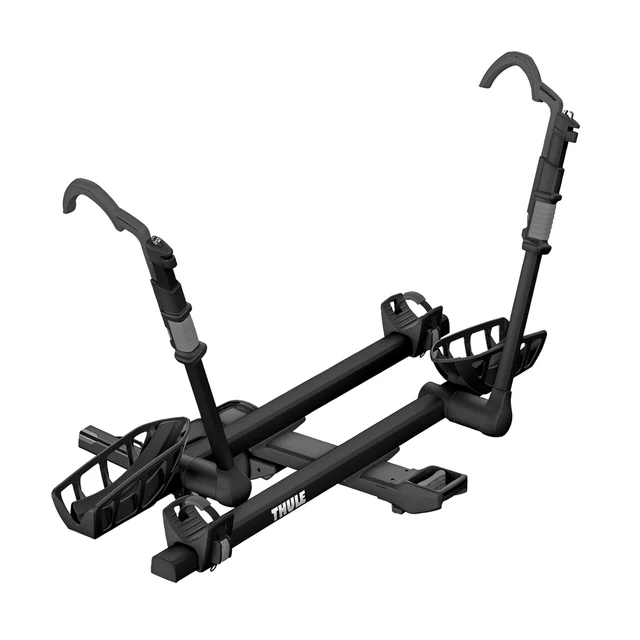
- Thule T2 Pro XTR 2-Bike Hitch Rack - Buy. A tool-free, frame-free hitch platform that carries heavy and electric bikes without breaking a sweat.
- Yakima HighRoad Upright Roof Rack - Buy. The cleanest roof mount going: a torque-limited wheel clamp that never touches your frame.
- Thule Gateway Pro 3 Trunk Rack - It depends. A well-built strap-on for people with no hitch and no crossbars, within honest limits.
- Allen Sports Deluxe 2-Bike Trunk Rack - Skip. Cheap and light, but the sway, strap slippage, and frame contact make it hard to recommend.
The verdict in 30 seconds
What mattered most
- Mount type
- Frame contact
- E-bike / heavy bike ready
- Rear-of-car access
- What it needs to fit
- Built-in security
Bike racks split into three families: hitch platforms that carry bikes low and level, roof racks that lift them overhead, and trunk racks that strap on with no receiver or crossbars. Each solves a different problem, so the 'best' rack depends on your car, your bikes, and whether an e-bike is in the mix. Below are two we'd buy, one that only makes sense in specific situations, and one budget strap-on we'd steer most people away from.
A tool-free, frame-free hitch platform that carries heavy and electric bikes without breaking a sweat.
Best for: Frequent haulers, carbon or e-bike owners, and anyone who wants one rack that lasts for years.
- Clamps the front wheel instead of the frame, so carbon and oddly shaped frames stay safe
- Installs tool-free and tilts down for tailgate access with bikes loaded
- Thule rates it for e-bikes up to 60 lb per bike and tires up to 5 inches wide
- Heavy at about 52 lb and expensive, and the add-on for two more bikes is sold separately
- Overkill if you only haul one lightweight bike a few times a year
Own the Thule T2 Pro XTR 2-Bike Hitch Rack? Tell us how it held up.
Thanks. Counted, and shown once enough owners have weighed in.
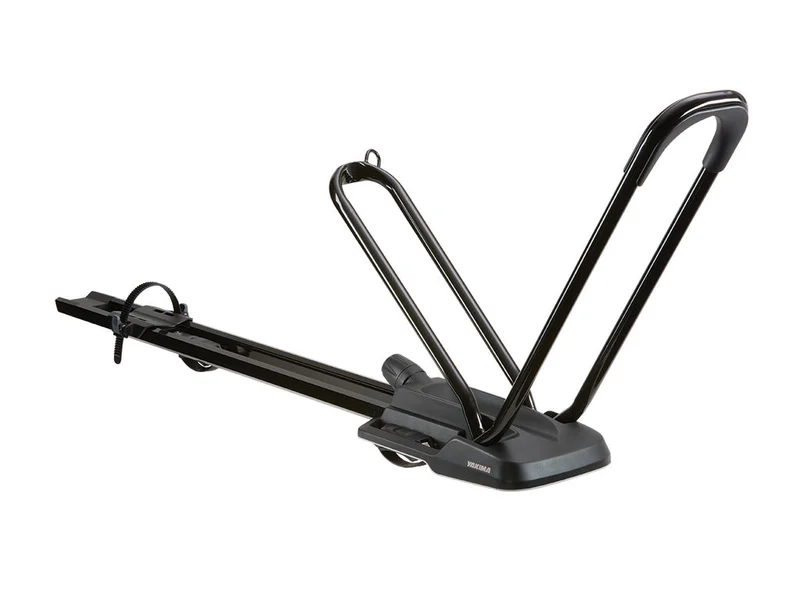
The cleanest roof mount going: a torque-limited wheel clamp that never touches your frame.
Best for: Riders who already run crossbars, keep bikes light, and want the hitch and trunk left clear.
- Front-wheel clamp means no frame contact and no fiddling with disc brakes or through-axles
- Leaves the entire back of the car free, so you can still open the trunk or tow
- A single click-torque knob makes loading fast and consistent
- You must lift the bike overhead, which is awkward with heavy bikes and a non-starter for e-bikes
- Needs roof crossbars, adds height (mind garages and drive-thrus), and costs you fuel economy
Own the Yakima HighRoad Upright Roof Rack? Tell us how it held up.
Thanks. Counted, and shown once enough owners have weighed in.
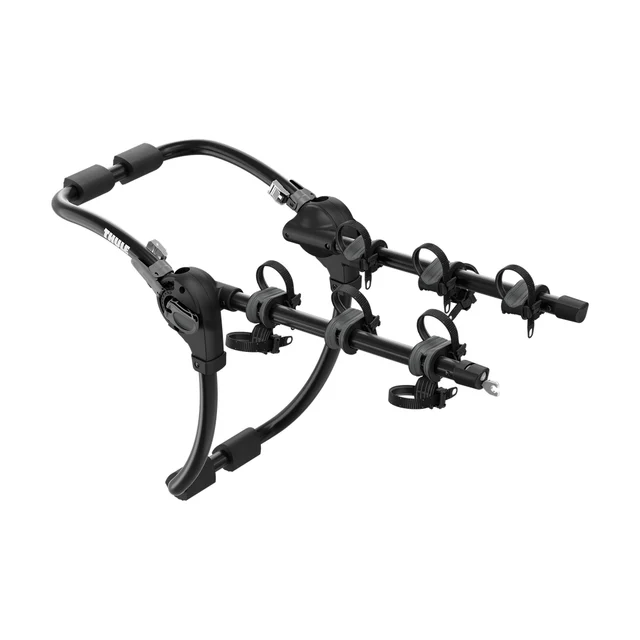
A well-built strap-on for people with no hitch and no crossbars, within honest limits.
Best for: Renters, apartment dwellers, and occasional haulers with standard-frame bikes and no hitch.
- No receiver or crossbars required, and it folds down small for storage
- Integrated anti-sway cradles that Thule says prevent bike-to-bike contact, plus an integrated cable lock
- Fits many sedans, hatchbacks and SUVs; check Thule's fit guide for your car
- Hangs bikes by the frame, so step-through, full-suspension, and some carbon frames need a top-tube adapter
- Blocks trunk access, and its 35 lb per-bike limit rules out e-bikes
Own the Thule Gateway Pro 3 Trunk Rack? Tell us how it held up.
Thanks. Counted, and shown once enough owners have weighed in.
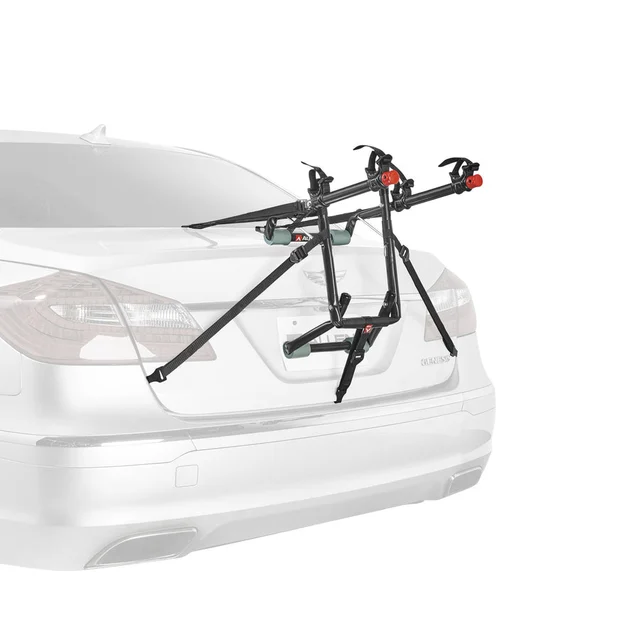
Cheap and light, but the sway, strap slippage, and frame contact make it hard to recommend.
Best for: A tight budget and infrequent short hops only; most riders should spend a little more.
- One of the least expensive ways to carry two bikes
- Light and folds flat, so it stores easily
- Fine for a rare, short, low-speed trip if money is truly tight
- Straps and tie-downs alone hold the bikes, so sway into each other and the paint is a known risk with this style of rack
- 35 lb per-bike limit, no locks, and no e-bike or heavy-bike capability
Own the Allen Sports Deluxe 2-Bike Trunk Rack? Tell us how it held up.
Thanks. Counted, and shown once enough owners have weighed in.
| Criteria | Thule T2 Pro XTR 2-Bike Hitch Rack Top pick Buy it Buy | Yakima HighRoad Upright Roof Rack Buy it Buy | Thule Gateway Pro 3 Trunk Rack It depends Buy | Allen Sports Deluxe 2-Bike Trunk Rack Skip it Buy |
|---|---|---|---|---|
| Best for | Frequent haulers, carbon or e-bike owners, and anyone who wants one rack that lasts for years. | Riders who already run crossbars, keep bikes light, and want the hitch and trunk left clear. | Renters, apartment dwellers, and occasional haulers with standard-frame bikes and no hitch. | A tight budget and infrequent short hops only; most riders should spend a little more. |
| Price tier | $$$$ · flagship | $$$ · premium | $$ · mid-range | $ · budget |
| Mount type | Hitch platform (2" or 1.25" receiver) | Roof (upright wheel mount) | Trunk strap-on | Trunk strap-on |
| Frame contact | None (front-wheel clamp) | None (front-wheel clamp) | Yes (hangs by frame) | Yes (hangs by frame) |
| E-bike / heavy bike ready | Yes, up to 60 lb per bike | No | No | No |
| Rear-of-car access | Tilts down loaded | Fully clear | Blocks trunk | Blocks trunk |
| What it needs to fit | 2" or 1.25" hitch receiver | Roof crossbars | Nothing extra | Nothing extra |
| Built-in security | Integrated bike + hitch locks | Locking option available | Integrated cable lock | None |
| Loading effort | Low, but rack is heavy | High (overhead lift) | Moderate strapping | Fiddly strapping |
| Price tier | $$$$ · flagship | $$$ · premium | $$ · mid-range | $ · budget |
Which one is right for you?
- Frequent haulers, carbon or e-bike owners, and anyone who wants one rack that lasts for years. Buy it Thule T2 Pro XTR 2-Bike Hitch Rack
- Riders who already run crossbars, keep bikes light, and want the hitch and trunk left clear. Buy it Yakima HighRoad Upright Roof Rack
- Renters, apartment dwellers, and occasional haulers with standard-frame bikes and no hitch. It depends Thule Gateway Pro 3 Trunk Rack
- A tight budget and infrequent short hops only; most riders should spend a little more. Skip it Allen Sports Deluxe 2-Bike Trunk Rack
How we judged the field
We don’t run our own crash lab. Instead we synthesize independent testing, long-term owner reports, and manufacturer load ratings, then weigh them against the questions real buyers ask. For car bike racks, five things decided the ranking: stability at highway speed, whether the rack touches your frame (a big deal for carbon and for anti-sway), how much weight it can carry (the difference between a standard bike and an e-bike), how it affects access to the back of your car, and security. We also treated fitment honestly: the best rack on paper is the wrong rack if it needs a hitch you don’t have or a bike you can’t lift onto your roof.
Across testing and owner reports, a clear pattern shows up. Hitch platforms that clamp the wheel are the most stable and the most frame-friendly; roof racks are secure and keep the rear clear but demand an overhead lift; and strap-on trunk racks range from genuinely good to barely acceptable depending on build quality.
Thule T2 Pro XTR 2-Bike Hitch Rack
Buy itThis is the rack we’d point most serious haulers toward. It clamps the front wheel rather than the frame, so there’s nothing to scratch or crush, and it installs tool-free in 2-inch or 1.25-inch receiver versions. The HitchSwitch lever tilts the rack down so you can still reach the tailgate without removing it. Crucially, Thule rates it for e-bikes up to 60 pounds per bike and tires up to 5 inches wide, which puts it in a small club. The trade-offs are real: at about 52 pounds it’s heavy to install, it’s premium-priced, and the add-on for two more bikes is sold separately. For anyone hauling often, or hauling carbon or electric bikes, it’s worth it.
Yakima HighRoad Upright Roof Rack
Buy itIf you’d rather keep your hitch and trunk free, the HighRoad is the roof rack we’d choose. It grips the front wheel with a torque-limiting knob, so there’s no frame contact and no wrestling with through-axles or disc brakes. Yakima’s TorqueRight knob is designed to make loading quick and repeatable once the bike is up top, and the hoop takes 26 to 29 inch wheels without adjustment. That last part is the catch: you have to lift the bike overhead, which is fine for a road or gravel bike and a hard no for an e-bike, since Yakima rates it to 45 pounds per bike on the road. You’ll also need crossbars, you’ll lose some fuel economy, and you must respect your new overall height around garages and drive-thrus. Within those limits, it’s excellent.
Thule Gateway Pro 3 Trunk Rack
It dependsNot everyone has a hitch or crossbars, and for those people a good strap-on trunk rack is the answer, this being a good one. It’s better equipped than bargain strap-ons, with anti-sway cradles and an integrated cable lock, and it folds flat for storage. But it hangs bikes by the frame, so step-through, full-suspension, or some carbon frames need a top-tube adapter, and its 35 pound per-bike limit rules out e-bikes. It also blocks the trunk. If you’re a renter or occasional hauler with standard-frame bikes, it’s a smart buy; if your needs are heavier, look at a hitch rack instead.
Allen Sports Deluxe 2-Bike Trunk Rack
Skip itThis is the rack we’d talk most people out of, not because it can’t work but because the compromises pile up. It’s cheap and light, and for a rare, short, low-speed trip it’ll do the job. But it relies on straps and tie-downs alone, with no anti-sway cradles, so straps that loosen on the highway and bikes that sway into each other and the car’s paint are the known risks with this style. There are no locks, and its 35 pound per-bike limit rules out heavy or electric bikes. Spending a little more on a better trunk rack buys a lot of peace of mind, which is why this one lands as a skip.
Sources
Specs in this review come from these pages.
Thule T2 Pro XTR vs Yakima HighRoad: which should you buy?
These are the two strongest racks here, and the choice comes down to how you’d rather carry bikes. The T2 Pro XTR keeps everything low: you never lift a bike above your waist, it’s the only one of the two that can take an e-bike, and it’s rock-steady, but it needs a 2-inch or 1.25-inch hitch and it’s heavy to put on and take off. The HighRoad keeps the back of your car completely clear and leaves the hitch free for towing, and it’s lighter to live with day to day, but every load is an overhead lift and it adds height and drag you’ll feel at the pump and in tight garages. Pick the T2 Pro XTR if your bikes are heavy, electric, or numerous, or if lifting overhead is a problem. Pick the HighRoad if your bikes are light, you already run crossbars, and you value keeping the rear of the car open.
What to look for
- Match the rack to your heaviest bike. Check the per-bike weight limit, not just the total; e-bikes routinely exceed trunk- and roof-rack ratings.
- Confirm fitment before you buy. Hitch racks need the right receiver size and class; roof racks need crossbars; trunk racks vary by vehicle shape.
- Prefer wheel-clamp designs if you can. They avoid frame contact, which matters for carbon frames and reduces sway.
- Think about access. Hitch platforms that tilt let you reach the trunk; roof racks keep it clear; most trunk racks block it entirely.
- Don’t skimp on security. Integrated or add-on locks deter grab-and-go theft at trailheads and rest stops.
- Respect your hitch class and tongue weight. Add up the rack plus all bikes and stay under the rated limit.
Our final take
There’s no single best bike rack, only the best rack for your car and your bikes, but the pattern is clear. For most people who haul often, the Thule T2 Pro XTR is the safest, most versatile buy and the standout choice for heavy or electric bikes. If you’d rather keep the rear of the car free and your bikes are light enough to hoist overhead, the Yakima HighRoad is a superb roof option. The Thule Gateway Pro 3 is the right call when you have no hitch and no crossbars and ride standard-frame bikes. And unless your budget leaves no other option, we’d pass on the Allen Sports Deluxe trunk rack in favor of something steadier. Whatever you choose, size it to your heaviest bike, verify it fits your vehicle, and check your straps and mounts before every drive.
Questions, answered
How much weight can a bike rack hold, and how many bikes?
Every rack lists two numbers that matter: a per-bike weight limit and a total capacity. Check the per-bike figure against your actual bike weight. Both trunk racks here are rated for 35 pounds per bike, and e-bikes and heavy downhill bikes can blow past trunk- and roof-rack limits fast. Always check the per-bike figure, not just the total, and remember that adding bikes also increases the leverage on your hitch or trunk. When in doubt, size up to a hitch platform rated for the heaviest bike you own.
Which of these racks work with e-bikes?
Realistically, only the hitch platform. The Thule T2 Pro XTR is rated by Thule for e-bikes up to 60 pounds per bike, and because the trays sit low you are not lifting the bike overhead. Roof racks require lifting the bike overhead, which is unsafe with a 60-pound e-bike, and strap-on trunk racks like the Gateway Pro 3 and the Allen simply are not rated for that weight. If an e-bike is in your future, buy a hitch rack with a clearly stated e-bike rating and stay under its per-bike limit.
What does 'don't exceed your hitch class' mean?
Tow hitches are graded by class (roughly Class I through Class IV) and by receiver size, usually a 1.25-inch or 2-inch opening. Each class has a maximum tongue weight, which is the downward load the hitch can safely carry, and a loaded bike rack counts toward it. A 2-inch, higher-class receiver is what you want for heavy or multiple bikes; a light 1.25-inch Class I hitch may cap you at one or two lighter bikes. Check the sticker on your hitch or your vehicle manual, add up the rack plus every bike, and stay under the rated tongue weight.
How do I make sure the bikes and straps are actually secure?
Before every trip, tighten each wheel clamp or frame cradle until there is no wobble, then physically shake the loaded rack; nothing should shift. On strap-on trunk racks, confirm all upper and lower hooks are seated on solid metal (not glass or a spoiler) and re-tighten the straps, because webbing stretches and loosens as you drive. Add a safety strap or bungee where the maker provides an anchor point, and pull over to re-check everything after the first few miles and again after any rough road. Use the rack's locks or a cable lock so a bike cannot bounce loose or walk off at a rest stop.
Roof, hitch, or trunk: which type is safest for my bikes and car?
Hitch platforms are generally the most stable and the kindest to frames because they clamp the wheels and sit low, though they need a receiver and can be heavy. Roof racks keep the rear of the car clear and never touch the frame, but they add height (mind garages, height bars, and drive-thrus), cut fuel economy, and force an overhead lift. Trunk racks are the cheapest and most flexible since they need no hitch or crossbars, but they hang bikes by the frame, can sway, and block trunk access. This is general product information to help you choose a category, not vehicle-specific advice; always confirm fitment and weight limits against your car's and rack's own documentation.
Deciding between the top two? See our head-to-head: Thule T2 Pro XTR 2-Bike Hitch Rack vs Yakima HighRoad Upright Roof Rack.
More in Cycling
Car Bike Racks, Explained Plain-English guide → Thule T2 Pro XTR 2-Bike Hitch Rack vs Yakima HighRoad Upright Roof Rack Head-to-head →  The Best Bike Radars: 4 Compared (and One to Skip)
  The Best Bike Repair Stands: 4 Compared (and One to Skip)
  The Best Bike Saddle Bags: 4 Compared (and One to Skip)
  The Best Bike Saddles: 4 Compared (and One to Skip)