

Cycling
The Best Bike Lights: 4 Compared (and One to Skip)
Every one of these headlines a lumen figure and a runtime figure that are never true at the same time. At maximum output one of them lasts 55 minutes.
The short version
The Knog Blinder 1000 is the pick: an IP67 rating that covers dust as well as immersion, 167 grams, the lightest here, and a full mode table that states 2 hours at 950 lumens steady without burying it. The Magicshine RAY 1600B is the value choice and the brightest here at 1600 lumens with 2 hours 12 minutes at that output. The Lezyne Macro Drive 1400+ runs longest at full output, 3 hours at 1400 lumens, but it is the heaviest at 230 grams and keeps that figure in a chart image while its text leads with a 300-hour Femto mode. Skip the NiteRider Lumina 1200 Boost: its maximum lasts 55 minutes and it still charges over Micro USB. Find the runtime at max before anything else. Best for: anyone who has had a light die halfway home.
Our picks at a glance
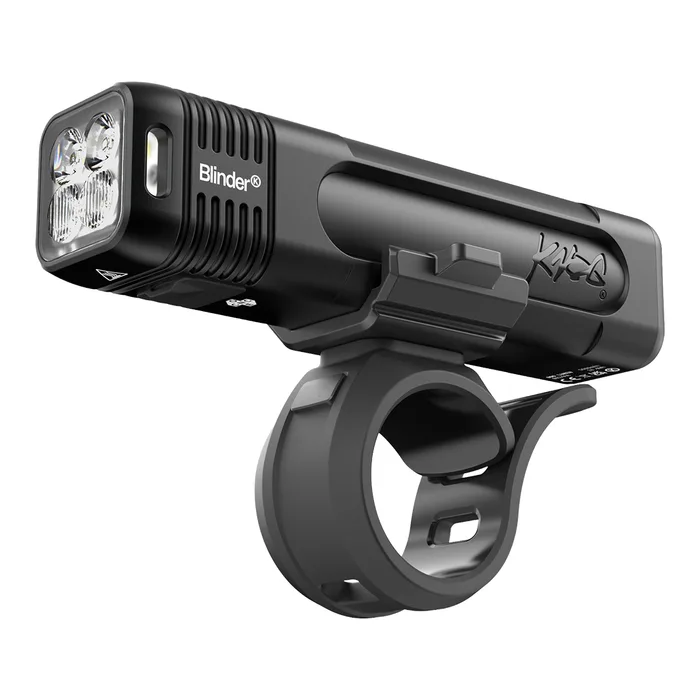
- Knog Blinder 1000 Front Bike Light - Buy. A complete mode table, an IP67 rating and 167 grams, with 2 hours at full steady output stated plainly.
- Magicshine RAY 1600B Dual-LED Bike Light - Buy. Brightest here, with 2 hours 12 minutes at full output.
- Lezyne Macro Drive 1400+ Front - It depends. The longest runtime at full output here, in the heaviest body, with the real numbers kept in a chart image.
- NiteRider Lumina 1200 Boost Bike Headlight - Skip. Maximum output lasts 55 minutes, and it still charges over Micro USB.
The verdict in 30 seconds
What mattered most
- Max output
- Runtime at max output
- Headline runtime figure
- Full mode table published
- Weight
- Battery
A front bike light is sold on two numbers, and they come from different modes. The lumen figure is the maximum. The runtime figure is usually the minimum output, a flashing mode measured in days. Put them side by side on a product page and you get a light that appears to do 1400 lumens for 120 hours. We compared four and went looking for the number that actually matters, which is how long the light runs at the brightness you bought it for.
A complete mode table, an IP67 rating and 167 grams, with 2 hours at full steady output stated plainly.
Best for: Road riders who want the runtime table published rather than reconstructed, in the lightest and best-sealed head unit here.
- Publishes output and runtime together for all six modes: 950 lumens High Steady for 2 hours, 450 for 4, 200 for 8, down to 130 lumens on Eco Flash for 120.
- IP67, the only rating here that covers dust ingress as well as temporary immersion.
- 167 grams with a 5000 mAh cell, the lightest here, and two mounts included: a rubber flex strap for the bar and a GoPro-style mount for under a computer.
- Road-focused optics with wide and narrow lenses, stated to light out to 100 metres, so the beam has a described shape rather than a raw output number.
- 950 lumens steady is the lowest maximum here; the 1000 lumen figure is the daytime Hype mode.
- 5 hour charge time is slow, and the USB-C cable is not included.
- Knog designs it for sealed roads, so it is not the light for dark trails.
- No published beam cutoff, so it will dazzle oncoming riders if aimed carelessly.
Own the Knog Blinder 1000 Front Bike Light? Tell us how it held up.
Thanks. Counted, and shown once enough owners have weighed in.
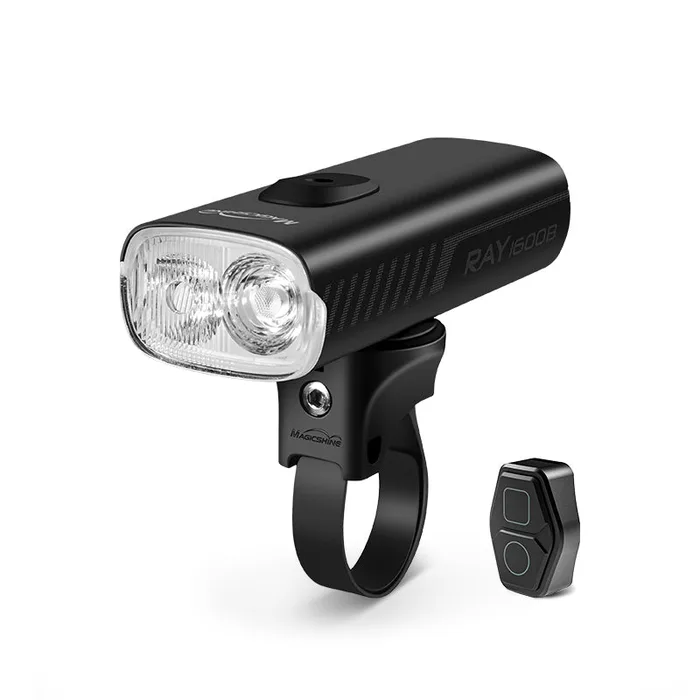
Brightest here, with 2 hours 12 minutes at full output.
Best for: Riders who genuinely use maximum output and want it to last more than an hour.
- 1600 lumens, the highest output in the comparison, with a stated 140 metre throw from dual LEDs.
- 2 hours 12 minutes at full 1600 lumens, longer than the Knog manages at 950 and more than double the NiteRider at 1200.
- Publishes a full mode table from 200 lumens for 20 hours up to 1600 for 2:12, including hybrid and flash modes.
- 5200 mAh battery at 190 grams, and USB-C charging.
- IPX6 is the weakest water rating here and carries no dust rating at all.
- Dual-LED round beam throws light upward as well as forward, which is antisocial on shared paths.
- The headline 20-hour runtime is the 200 lumen low mode, which is an eighth of the advertised brightness.
- Heavier than the Knog and the NiteRider for the extra output.
Amazon had no buyable listing for this when we last checked. The link still works if it returns.
Find it on Amazon Read our detailed assessmentOwn the Magicshine RAY 1600B Dual-LED Bike Light? Tell us how it held up.
Thanks. Counted, and shown once enough owners have weighed in.
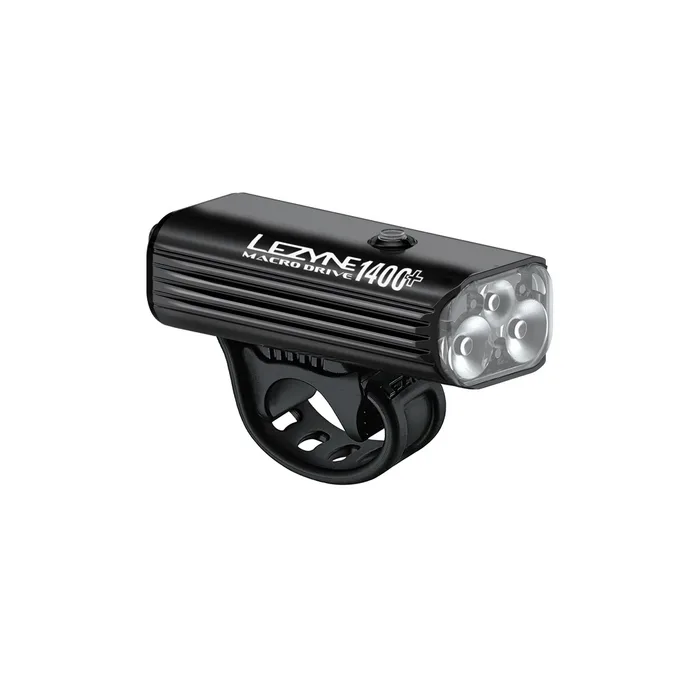
The longest runtime at full output here, in the heaviest body, with the real numbers kept in a chart image.
Best for: Riders on long dark loops who want the most time at full output and accept the heaviest head unit here.
- 3 hours at 1400 lumens in its mode chart, the longest full-output runtime in this comparison, and 950 lumens for 4 hours.
- CNC-machined aluminium body with cooling fins, the most durable-feeling construction here and better at shedding heat at high output.
- IPX7 water rating, which covers temporary immersion.
- Waterproof USB-C 2A fast charging and compatibility with an external power pack for long rides.
- 230 grams, the heaviest here by 40 grams and 63 grams more than the Knog.
- The text and spec table give only a single Max Runtime of 300 hours, which is Femto mode at 20 lumens; the per-mode runtimes appear only in a mode chart image.
- The page lists the battery as 5200 mAh in its spec table and 13,200 mAh in its feature list, so even the capacity is unclear.
- IPX7 claims nothing about dust.
Own the Lezyne Macro Drive 1400+ Front? Tell us how it held up.
Thanks. Counted, and shown once enough owners have weighed in.
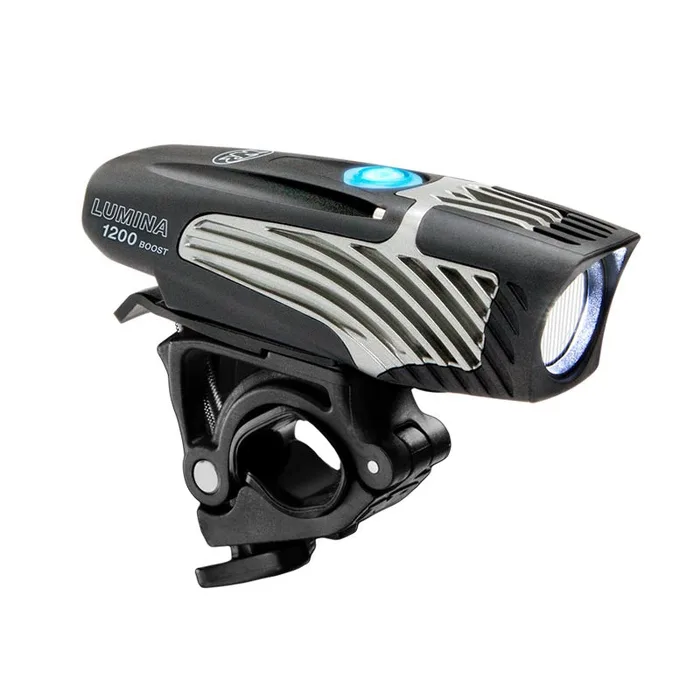
Maximum output lasts 55 minutes, and it still charges over Micro USB.
Best for: Commuters who ride mostly at 800 lumens or below and already carry Micro USB cables.
- Publishes every mode with its output and runtime, including Boost at 1200 lumens for 55 minutes.
- Seven modes with a usable spread from 75 lumens up to 1200, so the light adapts to conditions rather than offering bright and off.
- Travel Lock Out mode prevents the light switching on in a bag, which is a real cause of arriving with a flat light.
- 172 grams, second lightest here.
- 55 minutes at maximum is by far the shortest here, so Boost is a burst mode rather than a riding mode.
- Micro USB charging, the only light here without USB-C, with charge times of 3 to 6 hours depending on the charger used.
- IP66 covers dust and jets but not immersion, so a deep puddle is a risk.
- Battery capacity and throw are not published.
Own the NiteRider Lumina 1200 Boost Bike Headlight? Tell us how it held up.
Thanks. Counted, and shown once enough owners have weighed in.
| Criteria | Blinder 1000 Front Bike Light Top pick Buy it Buy | RAY 1600B Dual-LED Bike Light Buy it | Macro Drive 1400+ Front It depends Buy | Lumina 1200 Boost Bike Headlight Skip it Buy |
|---|---|---|---|---|
| Best for | Road riders who want the runtime table published rather than reconstructed, in the lightest and best-sealed head unit here. | Riders who genuinely use maximum output and want it to last more than an hour. | Riders on long dark loops who want the most time at full output and accept the heaviest head unit here. | Commuters who ride mostly at 800 lumens or below and already carry Micro USB cables. |
| Price tier | $$ · mid-range | $$ · mid-range | $$ · mid-range | $$ · mid-range |
| Max output | 950 lumens steady (1000 Hype daytime mode) | 1600 lumens | 1400 lumens | 1200 lumens |
| Runtime at max output | 2 hours at 950 lm steady | 2 hours 12 minutes | 3 hours, per mode chart image | 55 minutes |
| Headline runtime figure | 120 hours, Eco Flash at 130 lm | 20 hours, Low at 200 lm | 300 hours, Femto mode | Varies by mode, all published |
| Full mode table published | Yes, all six | Yes, all modes | Yes, as an image only | Yes, all seven |
| Weight | 167 g | 190 g | 230 g | 172 g |
| Battery | 5000 mAh | 5200 mAh | 5200 or 13,200 mAh, page conflicts | Not published |
| Ingress rating | IP67 | IPX6 | IPX7 | IP66 |
| Stated throw | 100 m | 140 m | Not published | Not published |
| Charging | USB-C, 5 hours | USB-C, time not published | USB-C 2A, time not published | Micro USB, 3 to 6 hours |
Which one is right for you?
- Road riders who want the runtime table published rather than reconstructed, in the lightest and best-sealed head unit here. Buy it Knog Blinder 1000 Front Bike Light
- Riders who genuinely use maximum output and want it to last more than an hour. Buy it Magicshine RAY 1600B Dual-LED Bike Light
- Riders on long dark loops who want the most time at full output and accept the heaviest head unit here. It depends Lezyne Macro Drive 1400+ Front
- Commuters who ride mostly at 800 lumens or below and already carry Micro USB cables. Skip it NiteRider Lumina 1200 Boost Bike Headlight
How we judged the field
Five things decide a front bike light, and the first one is almost never on the front of the box. Runtime at maximum output is what tells you whether the light covers the dark part of your ride, and it is a different number from the runtime the brand advertises. The advertised figure is usually the lowest flashing mode, which can be fifty times longer. Second is the maximum output itself, which matters less than people think once you are above roughly 600 lumens on unlit roads. Third is the ingress rating, where the difference between IP67 and IPX6 is a dust rating nobody mentions. Fourth is weight, since this hangs off a handlebar and the spread here is 167 to 230 grams. Fifth is beam shape, because a round beam from a bright LED puts a lot of its output into the eyes of oncoming riders.
What separated the field was disclosure and runtime rather than raw output. Three of these four publish a complete mode table in text, pairing each output with its runtime, which lets you plan a ride. The fourth puts a single maximum runtime of 300 hours in its text and spec table, and its per-mode runtimes only in a chart image. We picked these four because they sit in the same 1000 to 1600 lumen class with similar batteries, which makes the differences in what they tell you stand out more clearly than the differences in what they do.
Knog Blinder 1000 Front Bike Light
Buy itThe Knog Blinder 1000 wins this comparison on disclosure, sealing and weight. Its mode table is complete and specific: 950 lumens High Steady for 2 hours, 450 for 4, 200 for 8, a strobe at 200 for 16, a 1000 lumen daytime Hype mode for 8, and Eco Flash at 130 lumens for 120 hours. That last figure is the one Knog could have put on the front of the box next to 1000 lumens, and the fact that the table sits there intact means you can plan a ride from it. The IP67 rating is the only one here covering dust as well as immersion, which matters through winter salt. At 167 grams with a 5000 mAh cell it is the lightest light here, and it ships with both a flex strap for the bar and a GoPro-style mount for under a computer. Knog describes wide and narrow beam lenses aimed for the road, with light out to 100 metres. The costs are real: 950 lumens steady is the lowest maximum here, Knog designs it for sealed roads rather than trails, the 5 hour charge is slow, and like everything in this group it has no beam cutoff, so a carelessly aimed Blinder will dazzle people coming the other way.
Magicshine RAY 1600B Dual-LED Bike Light
Buy itThe Magicshine RAY 1600B is the light to buy if you want real brightness for most of a long ride. Its 1600 lumens is the highest output here, and it holds that output for 2 hours 12 minutes, longer than the Knog manages at 950 and more than double the NiteRider at 1200. Magicshine publishes the full table, from 200 lumens for 20 hours through 400 for 8:30 and 800 for 4:00, and states a 140 metre throw from its dual LEDs. The 5200 mAh battery and USB-C charging are standard for the class at 190 grams. Two things hold it back from the pick. IPX6 is the weakest rating in the group, with no dust digit claimed at all, which is a strange choice on a light marketed for gravel. And a dual-LED round beam spills upward, which is the least sociable beam pattern here on a shared path.
Lezyne Macro Drive 1400+ Front
It dependsThe Lezyne Macro Drive 1400+ runs longest at full output and is the hardest to read. Its mode chart shows 1400 lumens for 3 hours and 950 for 4, the best runtime at maximum in this group. The CNC-machined aluminium body with cooling fins is a meaningful engineering choice, because sustained high output generates heat and an aluminium body sheds it better than plastic. IPX7 covers immersion, and compatibility with an external power pack is the right answer for very long rides. The catches are on the same page. The text and spec table give 1400 lumens, seven light modes and Max Runtime: 300 hours, and that 300 hours is Femto mode at 20 lumens; the per-mode runtimes sit only in a chart image. The battery figure is muddled too: 5200 mAh in the spec table, 13,200 mAh in the feature list. And at 230 grams it is the heaviest here by 40 grams. Buy it if you ride long dark loops at full output and do not mind the weight.
NiteRider Lumina 1200 Boost Bike Headlight
Skip itThe NiteRider Lumina 1200 Boost is upfront about its limitation, and the limitation is the problem. NiteRider publishes every one of its seven modes with output and runtime attached, including the one most brands would bury: Boost at 1200 lumens runs for 55 minutes. That is the shortest maximum runtime here by a distance, which makes Boost a burst for a descent or a dark underpass rather than a mode you ride in, and the realistic maximum is 800 lumens for 1:30. It also charges over Micro USB, the only light here without USB-C, at 3 to 6 hours depending on the charger. IP66 covers dust and jets but not immersion, and the page publishes neither a battery capacity nor a throw. The Travel Lock Out mode and 172 gram weight are good details, but the Knog is lighter, better sealed and runs twice as long at its top steady mode.
Sources
Specs in this review come from these pages.
Knog Blinder 1000 Front Bike Light vs Magicshine RAY 1600B Dual-LED Bike Light: which should you buy?
The Knog and the Magicshine are the two worth choosing between, and the question is how you ride in the dark. The Blinder 1000 gives 2 hours at 950 lumens and carries IP67, which covers dust as well as immersion. The RAY 1600B gives 2 hours 12 minutes at a much higher 1600 lumens and carries IPX6, which claims nothing about dust.
So it is output against sealing and weight. If you ride unlit roads or trails and want the most light for the longest time, the Magicshine is the answer, because it gives you 1600 lumens for longer than the Knog gives you 950. If you ride roads in winter salt or rain, the Knog’s IP67 is protecting against the thing most likely to kill the light over a season, its beam is designed for the road, and at 167 grams it is 23 grams lighter. Both publish their full mode tables in plain text.
What to look for
- Runtime at maximum output: it is the only runtime figure that describes the light you think you are buying, and it is usually not the one on the box.
- A full mode table: output paired with runtime for every mode lets you plan a ride, and its absence is the single strongest signal in this category.
- Both IP digits: IP67 claims dust and immersion, while IPX6 and IPX7 claim nothing at all about dust, which matters on gravel and winter salt.
- Weight on the bar: the spread here is 167 to 230 grams, which is noticeable on a light mounted out at the end of a handlebar.
- A described beam: a stated throw in metres or a named optic tells you the light has a shape, where a bare lumen figure tells you only how much is coming out.
- USB-C charging: a light that still charges over Micro USB is an extra cable to carry.
- Where the headline runtime comes from: if a page advertises hundreds of hours, find the mode it belongs to, because it will be a flash at a fraction of the output.
Our final take
Bike lights are sold on two numbers that are never simultaneously true, and the gap between them is enormous. A light can honestly claim 1000 lumens and 120 hours when its brightest steady mode is 950 lumens for 2 hours and the 120 hours is a 130 lumen flash. The Knog Blinder 1000 takes the pick for publishing the whole table, carrying the only IP67 rating here and weighing least. The Magicshine RAY 1600B is the one to buy if you want maximum brightness, at 2 hours 12 minutes on full. The Lezyne runs 3 hours at 1400 lumens, the best here, but it is the heaviest and you have to find that figure in a chart image. Skip the NiteRider, whose maximum lasts 55 minutes and which still charges over Micro USB.
Questions, answered
Why do bike lights advertise two numbers that contradict each other?
Because both are true in isolation and neither is true at the same time as the other. The lumen figure is the maximum the LED will produce. The runtime figure is almost always the lowest flashing mode, which may be a tenth or a twentieth of that output. Lezyne's page here is the clearest example, headlining 1400 lumens and a 300-hour maximum runtime in Femto mode. Both are accurate. Together they describe a light that does not exist.
How long should a light last at full output?
Between one and two hours is normal for a light in the 1000 to 1600 lumen class, because that output draws a lot of current from a battery of roughly 5000 mAh. In this comparison the spread was 55 minutes to 3 hours, which is a factor of more than three between lights that look equivalent on the box. If a brand does not publish the figure, assume it sits at the low end of that range.
Do I actually need 1400 lumens?
On unlit roads and trails, it helps, and you will still spend most of the ride in a lower mode. On lit urban streets, no. Around 300 to 600 lumens is plenty to see by where there is street lighting, and going brighter mostly dazzles oncoming people. The reason to buy a high maximum is having it available for the dark sections, which is exactly why the runtime at that maximum is the number that matters.
What does the IP rating actually cover?
Two digits, and many bike lights only publish the second. The first digit is dust and the second is water, so IP67 means fully dust tight and able to survive temporary immersion. IPX6 and IPX7 have an X for the dust digit, meaning no dust rating was claimed at all. Only one light in this comparison, the Knog, claims both dust tightness and immersion, which is worth knowing if you ride in winter salt or on dusty roads.
Is a round beam a problem?
On shared paths and roads, yes. A round beam from a powerful LED throws as much light upward as forward, so a large part of your output goes into the eyes of people coming toward you and does nothing for the road. Lights designed for road use shape the beam with a flat top or a cutoff. None of the lights here publish a cutoff, so all four need careful aiming, and the dual-LED designs need it most.
Deciding between the top two? See our head-to-head: Knog Blinder 1000 Front Bike Light vs Magicshine RAY 1600B Dual-LED Bike Light.
More in Cycling
Bike Lights, Explained Plain-English guide → Knog Blinder 1000 Front Bike Light vs Magicshine RAY 1600B Dual-LED Bike Light Head-to-head →  The Best Bike Locks: 4 Compared (and One to Skip)
 The Best Bike Mirrors: 4 Compared (and One to Skip)
 The Best Bike Multitools: 4 Compared (and One to Skip)
 The Best Bike Panniers: 4 Compared (and One to Skip)