Explained
Rebounders, Explained
After reading, you'll understand how a rebounder's suspension, frame size, weight rating and warranty affect how it bounces and how long it lasts.
In this guide
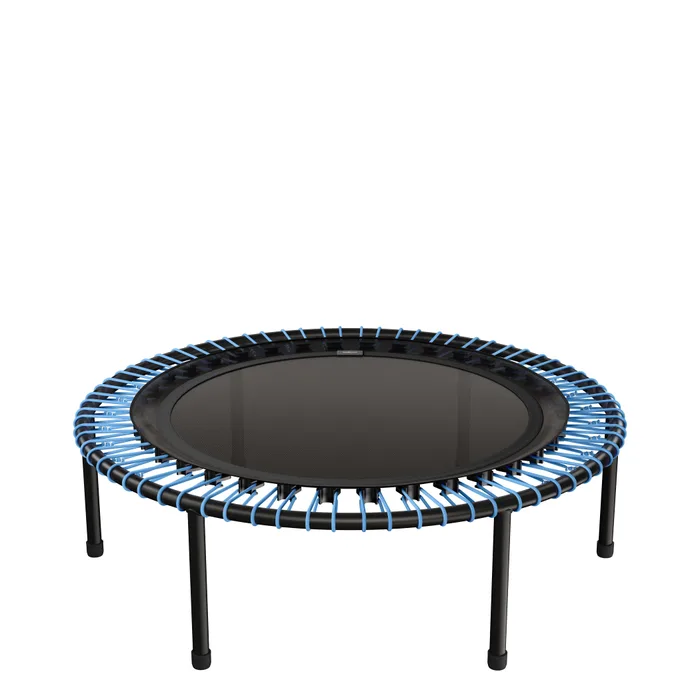
Most rebounders look alike in photos: a round frame, a black mat and a ring of bungees or bands. First-time buyers tend to compare price and diameter and miss the things that decide the bounce, such as how the bungees are tuned and what the weight rating is. Warranty terms are often split by part, and the parts that wear first get the shortest cover. Some makers also publish very little, which makes spare parts and claims hard to check later.
The 30-second version
- The weight rating comes first, because a soft rebounder rated to 250 lb is the wrong tool for a heavier user.
- Bungee tension is the bounce, so look for bungees matched to your weight or a choice of firmness.
- Frame warranties look generous, but the mat and bungees usually get 1 to 3 years.
- Diameter is not jumping area, since a 44 in. frame can have a mat surface closer to 31 in.
- Missing specs are a signal, because a maker that skips mat size and band count is hard to get spare parts from.
The products this guide is about
Our verdict on each, with the full reasoning on the companion review.
- Buy bellicon 44" Mini Trampoline, screw-on legs A Swiss-engineered bungee rebounder with bungee strength chosen for your body weight, and the one to buy for years of daily bouncing.
- Buy JumpSport 39" ESSENTIAL Fitness Trampoline A soft-bounce cord rebounder with a lifetime frame warranty and unusually complete specs, and the value pick for beginners.
- It depends Leaps & Rebounds Bungee Rebounder A bungee rebounder in 40 or 48 in. sizes with a 330 lb rating and an optional stability bar, held back by a product page that contradicts itself.
- Skip Marcy Cardio Trampoline Trainer ASG-40 A cheap folding rebounder with a handlebar, but the warranty covers only the frame for two years and the maker publishes almost nothing about the bounce.
What actually matters
- Suspension type - Many home rebounders use elastic bungees, cords or bands rather than steel springs. The type, tension and count of those elastics decide how soft, quiet and even the bounce feels.
- Bungee strength - Some makers let you choose a strength for your body weight. This keeps a heavier user from bottoming out and a lighter one from bouncing on a surface that feels like concrete.
- Weight rating - The stated maximum user weight is the clearest limit on a spec sheet. Choose a rebounder rated comfortably above your weight, especially if you plan vigorous workouts.
- Frame diameter and mat surface - Frame diameter is the outside measurement, and the usable mat is smaller. A bigger mat gives room for side steps and jogging but needs more floor.
- Legs and storage - Screw-on, bolt-on and folding legs trade stability against how quickly you can put the rebounder away. Check whether it can stand upright against a wall.
- Warranty by part - Frames often get long or lifetime cover while mats, bungees and legs get far less. Read each line, and note whether the warranty is for private use only.
- Spare parts - Bungees and mats eventually wear. A rebounder whose bungees are sold individually costs less to keep running than one where the mat and bands are a single part.
The specs, in plain English
Green flags vs red flags
Green flags
- A published maximum user weight and height guidance
- Bungee strength or firmness matched to your weight
- Separate, clearly stated warranty terms for frame, mat and bungees
- Individual replacement bungees or cords sold as spares
- A stated durability test, such as bounce cycles
Red flags
- No mat diameter or bungee count on the product page
- A spec field that shows the wrong data, such as dimensions under weight capacity
- A warranty that covers only the frame
- Product copy that contradicts itself on materials or warranty
- Large impact or health claims with no linked source
Who's who: the brands
- bellicon - A Swiss rebounder maker known for bungees matched to body weight and a configurable range of sizes and legs.
- JumpSport - A US fitness trampoline brand known for EnduroLast cords, arched legs and a ladder of soft to firm models.
- Leaps & Rebounds - A direct-to-consumer brand selling bungee rebounders in 40 and 48 in. sizes with an optional stability bar.
- Marcy - An IMPEX home gym brand known for budget strength equipment, including a folding handlebar rebounder.
How to read a listing without getting fooled
Start with the stated maximum user weight and any height guidance, and rule out anything rated too close to your weight. Then find the suspension details: bungee or cord count, whether the tension is adjustable or chosen for your weight, and any durability figure. Note the frame diameter and, if listed, the mat surface diameter, because the usable area is smaller than the headline size. Read the warranty line by line for frame, mat, bungees and legs, and check whether it is private use only. Finally, look for spare parts on the maker's site, and treat contradictions or missing fields as questions to ask before you pay.
How much should you spend?
Budget rebounders are cheap enough to try rebounding, but they usually come with a frame-only warranty and thin documentation, so the mat and bands are your problem once they wear. Mid-range models add better cords, clearer specs and lifetime frame cover, and suit most people who bounce a few times a week. Premium rebounders cost much more and earn it through weight-matched bungees, higher weight ratings and longer cover on wear parts, which matters most if you bounce daily or weigh more.
Questions, answered
Can I use a rebounder on carpet or upstairs?
Yes, most home rebounders are designed for indoor use on a level floor, and elastic suspension is quieter than springs. Make sure the surface is flat so all legs touch evenly. Leave clear space around the frame and check your ceiling height before jumping higher. If neighbors below are a concern, a softer bounce is less noisy than vigorous jumping.
How often do bungees need replacing?
It depends on use, body weight and the bungee quality, so makers rarely give a fixed interval. Warranty terms are a guide: bellicon covers bungees for 2 years and JumpSport covers mat and cords for 2 years. Replace any bungee or cord that is frayed, cracked or noticeably slack. Buying from a maker that sells spares individually keeps this cheap.
Is a rebounder safe for children?
Fitness rebounders are designed for one adult user at a time, and makers set their own age limits. Marcy's manual says the ASG-40 is not intended for children under 12 and warns against more than one person on it. Supervise any child closely and never allow somersaults. Check the specific manual before letting a child use one.
Fold-up legs or screw-on legs?
Fold-up legs let you put the rebounder away quickly, which helps in a small home. Screw-on and bolt-on legs take longer to remove but tend to feel more solid in use. bellicon offers both, with 12 in. screw-on legs on the model we compared. If you will store it daily, favor fast storage; if it stays out, favor stability.
Or jump to the head-to-head: bellicon 44" Mini Trampoline, screw-on legs vs JumpSport 39" ESSENTIAL Fitness Trampoline.