Explained
Facial Cleansing Brushes, Explained
After reading, you'll understand the two families of facial cleansing brushes, what the spec-sheet jargon actually means, and how to pick one that cleans well without irritating your skin.
In this guide
Facial cleansing brushes look interchangeable but split into two very different families: soft silicone devices that pulse away grime, and bristle brushes that physically scrub. The biggest thing that trips up first-time buyers isn't the brand or the price - it's picking a device that's too aggressive for their skin and then using it too often. This guide explains the terms so you can match a brush to your skin instead of guessing.
The 30-second version
- Silicone or bristle is the first fork, and it matters more than brand: silicone is gentler and self-cleaning, bristle scrubs deeper but needs more upkeep and carries more irritation risk.
- "Sonic" means it vibrates, not spins, which is far kinder to your skin than the old rotating spin-brush format.
- Hygiene is a spec, not an afterthought: non-porous silicone rinses clean and never needs a new head, while bristles trap residue and must be replaced on a schedule.
- Gentle beats powerful for most people, so adjustable intensity and the discipline to start low and infrequent matter more than raw motor strength.
- The most common regret is over-exfoliation, not a weak clean - so when in doubt, buy the gentler device and use it less than you think you need to.
The products this guide is about
Our verdict on each, with the full reasoning on the companion review.
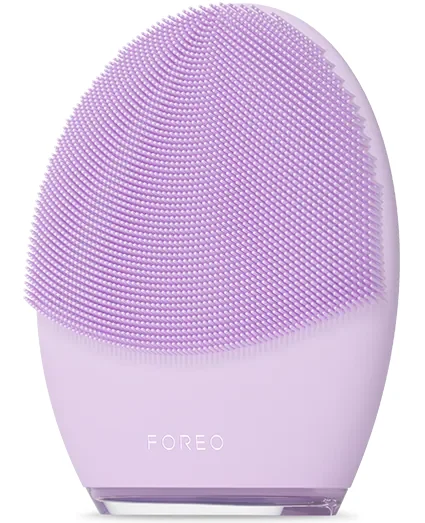
- Buy FOREO LUNA 4 The silicone benchmark: hygienic, gentle enough for daily use, and it never needs a replacement head. Amazon
- Buy PMD Beauty PMD Clean Most of the silicone-brush upside for a fraction of the flagship price. Amazon
- It depends Michael Todd Beauty Soniclear Petite A deeper bristle clean for resilient skin - as long as you're disciplined about hygiene and don't overdo it.
- Skip Vanity Planet Raedia 2.0 The spinning-bristle formula is the harshest on skin and the fussiest to keep clean - a hard pass for most people.
What actually matters
- Brush type (silicone vs. bristle) - silicone touchpoints are non-porous, gentle, and self-cleaning; bristles exfoliate more deeply but hold bacteria and are easier to overdo. This single choice shapes hygiene, upkeep cost, and irritation risk.
- Motion type (sonic vs. rotating) - sonic devices vibrate in place and are gentle; rotating (spinning) brushes drag bristles across the skin and are the format most linked to barrier damage. Favor sonic.
- Gentleness and intensity control - adjustable speeds let you match the device to sensitive, normal, or resilient skin. The goal is clean skin, not raw skin, so a low starting setting matters.
- Hygiene and replacement heads - whether the device needs new heads (and how often) drives both ongoing cost and how sanitary it stays between uses.
- Waterproofing - you'll use it wet at the sink or in the shower, so a fully sealed, rinseable body is essential rather than optional.
- Battery and charging - USB-rechargeable with long runtime beats fiddly or short-lived charging, especially for travel.
- Skin match - the right brush depends on your skin type; sensitive and acne-prone skin needs a gentler device and setting than resilient, oily skin.
The specs, in plain English
Green flags vs red flags
Green flags
- Non-porous silicone touchpoints that rinse clean and never need a replacement head
- Sonic (vibrating) action rather than a rotating, spinning bristle head
- Multiple intensity levels so you can start gentle and adjust to your skin
- A fully waterproof, sealed body you can rinse and use wet
- USB-rechargeable with long battery life and, ideally, a built-in timer or pacer
Red flags
- A spinning/rotating bristle head - the format most linked to irritation and barrier damage
- Bristles with no clear replacement schedule or hard-to-find replacement heads
- A single fixed speed with no way to dial intensity down
- Marketing that pushes daily, aggressive scrubbing as the selling point
- Vague or missing waterproof claims on a device you'll always use wet
- Cheap-feeling build with a big bundle of heads that hides ongoing replacement costs
Who's who: the brands
- FOREO - The silicone-brush benchmark - known for hygienic, no-replacement-head T-Sonic devices like the LUNA line.
- PMD Beauty - Makes value-focused silicone brushes that deliver the core hygiene-and-gentleness story for far less than flagship devices.
- Michael Todd Beauty - Known for sonic bristle devices with antimicrobial-treated, interchangeable heads for a deeper clean on resilient skin.
- Vanity Planet - Brand associated with the spinning-bristle format - the kit looks generous, but it is the type most people should skip.
How to read a listing without getting fooled
Start by identifying the two things a listing often buries: the motion type and the head situation. If the copy says "sonic" or "pulsation," it vibrates - good. If it says "rotating," "spinning," or shows a round head that turns, it drags bristles across your skin - approach with caution. Next, find out whether it uses silicone touchpoints (no replacement heads, rinse-clean) or bristles (replace on a schedule, extra ongoing cost); if a bundle brags about "comes with 5 heads," that's a hint you'll be buying more later. Treat a big count of speeds and modes as useful only if one of them is genuinely gentle - intensity you can dial down matters more than a long feature list. Confirm it's fully waterproof and USB-rechargeable with real battery life, and don't be swayed by app connectivity, which adds little for most people. Finally, ignore any promise that the device deep-scrubs your face clean daily - with these tools, gentler and less often is the winning strategy.
How much should you spend?
You're paying for build quality, hygiene, and refinement more than for cleaning power. Silicone devices cost more up front but have no replacement heads, so their long-term cost can actually be lower than a cheap bristle brush that needs new heads every few months - factor that recurring cost in, not just the sticker. The value sweet spot for most people is a mid-tier silicone brush that gives you non-porous hygiene, adjustable intensity, and solid waterproofing without the flagship's premium. Stepping up to a flagship buys more refined pulsations, more intensity control, longer battery life, and extras like a firming-massage side - worth it if you'll keep it for years and want the most polished daily ritual, but not necessary to get a gentle, effective clean. Spinning-bristle devices hide both ongoing replacement costs and a higher risk to your skin, so even a cheaper one is rarely a real bargain.
Questions, answered
Silicone or bristle - which type should I buy?
For most people, silicone. It's gentler, non-porous, rinses clean, and never needs replacement heads, which makes it the easier long-term choice. Bristle brushes exfoliate more deeply and remove heavy makeup better, but they trap more bacteria, need periodic head swaps, and are easier to overdo. Choose bristle only if your skin is resilient and you specifically want a deeper physical exfoliation you'll keep hygienic.
Are spinning brushes really worse than sonic ones?
For most skin, yes. Rotating (spinning) bristle brushes drag across the skin and are the format most associated in owner reports and expert commentary with over-exfoliation, redness, and a disrupted skin barrier. Sonic devices vibrate in place, which is far gentler. If you're choosing between formats, favor sonic and be cautious with anything that spins.
How often should I use a facial cleansing brush?
Less often than most people assume. A gentle two to three times a week, with light pressure and a mild cleanser, suits most skin better than daily scrubbing. The single most common complaint in this category is irritation from overuse, so if you're unsure, use it less and let your skin tell you whether it can handle more.
How do I keep it clean, and do the heads need replacing?
Rinse the device after every use, let it air-dry fully, and don't leave it damp in a closed bag. Silicone devices don't use replacement heads - rinsing is the whole routine. Bristle heads should be replaced regularly (makers suggest anywhere from every two to six months) because bristles harbor bacteria over time.
Can I use one if I have sensitive or acne-prone skin?
Sometimes, but cautiously - and this is general product information, not medical advice. Patch-test on your jaw first, choose the gentlest silicone device on a low setting, and use it just a couple of times a week rather than daily. Don't over-exfoliate: stop if you see redness, stinging, or more breakouts. Aggressive or spinning-bristle brushes can inflame active acne and irritate sensitive skin. If you have a skin condition, ask a dermatologist what's appropriate for you before adding any brush to your routine.
Or jump to the head-to-head: FOREO LUNA 4 vs PMD Beauty PMD Clean.