

Tech & Gadgets · Head-to-head
Urth CPL Filter Plus vs Breakthrough Photography X4 CPL
Which should you buy? Our verdict on both, pulled from our full The Best CPL Filters: 4 Compared (and One to Skip) comparison.
Urth is the only maker publishing light transmission and reflectance figures, which are exactly the numbers a polariser should be judged on, and it backs them with a lifetime warranty. Breakthrough makes the strongest optical case in the category and manufactures its own film to fix the yellow cast that affects nearly every other CPL.
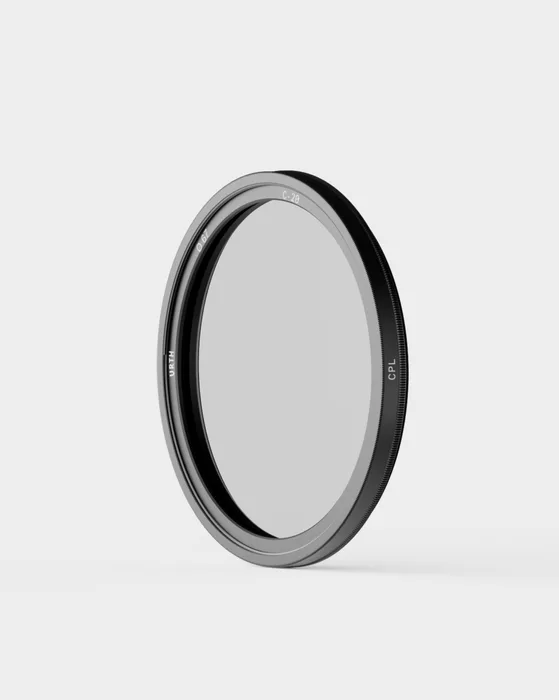
Urth CPL Filter Plus
Buy itThe only polariser here that tells you how much light it passes and how much it reflects.
- Light transmission published at 44.91 percent and reflectance at 0.56 percent, which are the two numbers that describe what a polariser actually does and which nobody else in this comparison gives.
- German SCHOTT B270 optical glass with a CoraNano 20-layer dual-side nano-coating, named to a glass type rather than described as premium.
- An ultra-slim warp-resistant aluminium frame and a lifetime warranty, which is the only lifetime cover in this group.
- Twenty coating layers, against thirty-four on Urth's own variable ND Pro, so this is not the top of its own range.
- The light loss is not expressed in stops, which is how photographers actually think about exposure.
- An aluminium frame rather than brass, which is softer and easier to cross-thread.
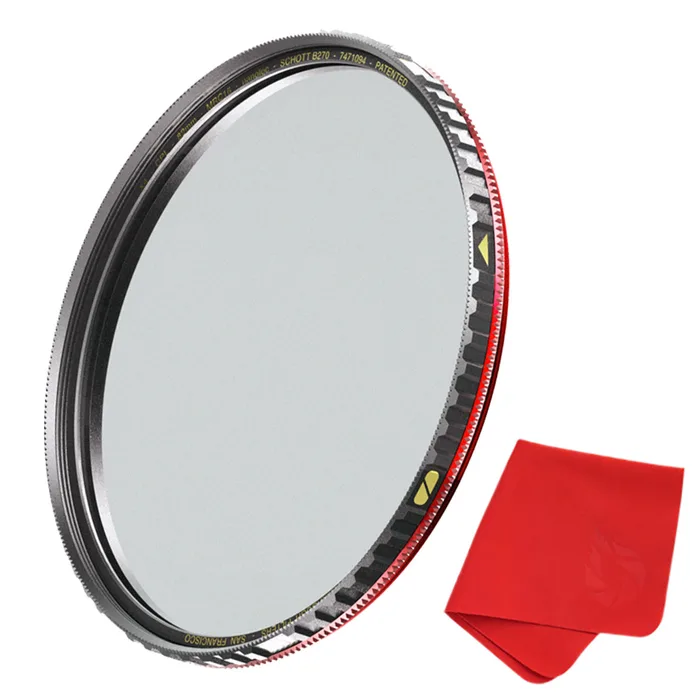
Breakthrough Photography X4 CPL
Buy itA polarising film made for cameras rather than for televisions, and the reasoning published in full.
- Breakthrough develops and manufactures its own CPL film in California, rather than using off-the-shelf film which it notes is designed and intended for LCD panels rather than photographic optics.
- The technical explanation is published rather than asserted: commercially available CPL filters show a yellow cast from a transmission increase starting around 600nm and spiking from 650nm into infrared, where the X4 film gives a gradual transmission decrease from 600nm with controlled infrared behaviour.
- A brass traction frame, which resists cross-threading better than aluminium and is easier to grip and remove, including with gloves.
- No light transmission percentage and no reflectance figure are published, so the neutrality claim is argued rather than quantified.
- No coating layer count is given for the CPL specifically.
- Breakthrough's product page states no warranty term, only a warranty activation requirement; a 25 year support commitment appears in its retail listings.
Side by side
| Urth CPL Filter Plus | Breakthrough Photography X4 CPL | |
|---|---|---|
| Our verdict | Buy | Buy |
| Best for | General landscape and travel work where you want the numbers and a warranty behind them. | Landscape photographers who have been fighting a yellow cast and want it solved at the film rather than in editing. |
| Price tier | $$$ · premium | $$$$ · flagship |
The bottom line
Our overall pick is the Urth CPL Filter Plus - The only polariser here that tells you how much light it passes and how much it reflects. Choose the Breakthrough Photography X4 CPL instead if landscape photographers who have been fighting a yellow cast and want it solved at the film rather than in editing.
Want the full picture, including the other options we compared and the popular one we'd skip? Read the complete The Best CPL Filters: 4 Compared (and One to Skip).