

Home & Kitchen
The Best Wool Slippers: 4 Compared (and One to Skip)
We compared four felted wool slippers on wool type, sole, footbed, sizing, washing and returns.
The short version
The glerups Slip-on with leather sole is the pick: 100% natural wool, a chrome-free calfskin sole, whole sizes from EU 35, Cradle to Cradle Certified at Bronze level and 60-day returns, though glerups warns the sole can be slippery on wet tile. The Giesswein Veitsch is the practical buy, with a rubber sole for patios, a removable footbed and a gentle 30°C machine wash, plus free returns in the US. The Haflinger Everest Classic suits people who want arch support, since its cork-latex footbed is anatomically shaped and swaps out for custom insoles, but the upper is hand wash only. Skip the Baabuk Kanga: it is sold in S to XL bands that each cover three EU sizes, has only a latex-coated bottom and comes without an insole. Best for: cold floors, home offices and anyone who runs warm in fleece slippers.
Our picks at a glance
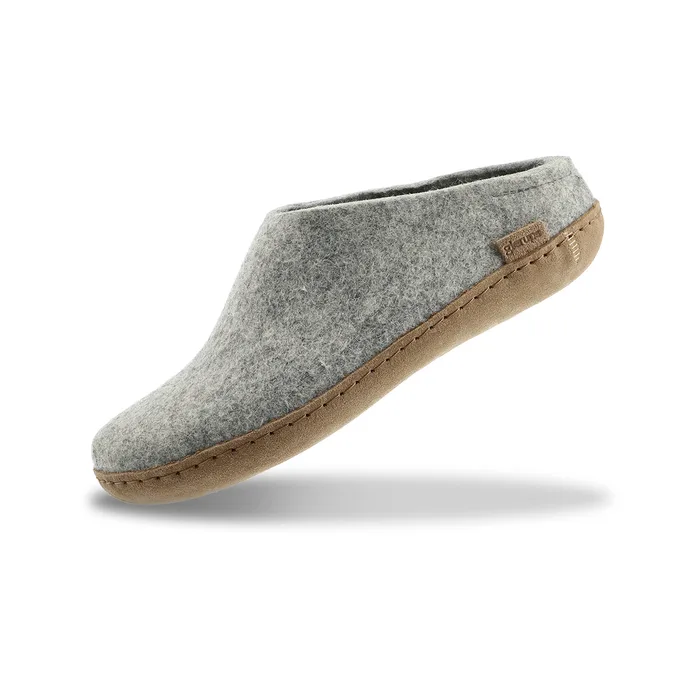
- glerups Slip-on with leather sole - Buy. Pure felted wool with a soft, chrome-free calfskin sole, made in glerups' own factory.
- Giesswein Veitsch - Buy. A virgin wool slipper with a grippy rubber sole, a removable footbed and a machine-washable upper.
- Haflinger Everest Classic - It depends. A boiled wool slipper built around an anatomically shaped cork-latex footbed you can swap out.
- Baabuk Kanga Slippers - Skip. A light, hand-felted wool slipper that is sized in broad bands and ships without an insole.
The verdict in 30 seconds
What mattered most
- Upper
- Sole
- Footbed
- Sizing
- Washing
- Outdoor use
Felted wool slippers are warm without making your feet sweat, which is why they outsell fleece and faux fur once people try them. The differences are in the parts you do not see in a photo: the sole, whether there is a footbed, how they are sized and whether you can wash them. A leather sole feels lovely on wood floors and slides on wet tile; a rubber sole takes you to the mailbox. We compared four popular felted wool slip-ons.
Pure felted wool with a soft, chrome-free calfskin sole, made in glerups' own factory.
Best for: People who want a warm, breathable indoor slipper on wood, carpet or other dry floors.
- 100% natural New Zealand wool in glerups' own itch-free blend, with a chrome-free calfskin sole.
- Whole EU sizes starting at 35, with a size chart, and a 60-day return policy.
- Cradle to Cradle Certified at Bronze level 4.1, and made in glerups' own factory in Romania.
- glerups warns that leather and rubber soles may be slippery on wet and icy surfaces such as tile.
- No machine washing; care is airing out, spot cleaning with wool soap and brushing the sole.
- The wool sheds for the first 3 to 4 weeks of wear, which glerups says is normal.
- The leather sole is meant mostly for indoor use.
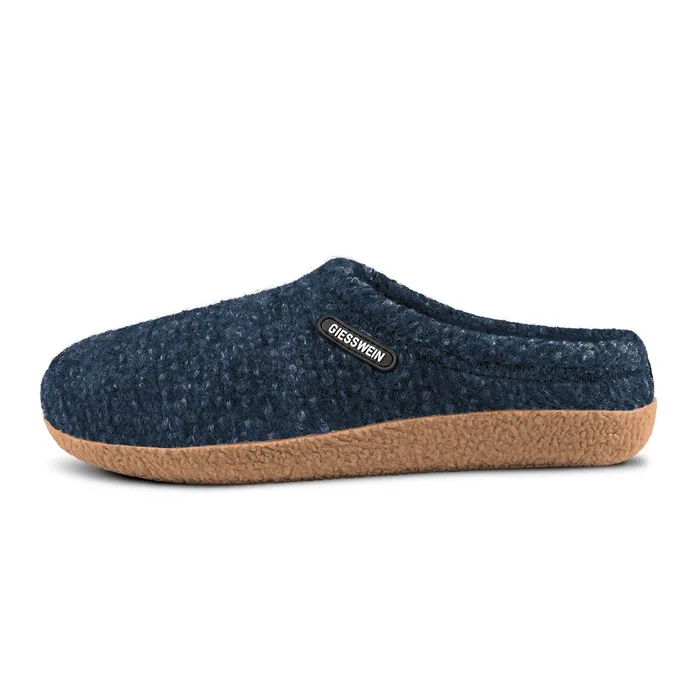
A virgin wool slipper with a grippy rubber sole, a removable footbed and a machine-washable upper.
Best for: People who step outside in their slippers and want to throw them in the wash.
- Virgin wool upper, lining and insole, with a rubber outsole Giesswein calls suitable for patios and balconies.
- Exchangeable footbed, with replacements sold separately, and room for your own insole.
- Machine washable on a gentle 30°C wool cycle without softener, then air dried.
- The page describes the sole as TPR rubber in the spec list and as natural rubber in the copy.
- A thicker, clog-like shape than a slim felt slip-on.
- Never tumble dry, which slows down washing.
- Colour choice varies by size.
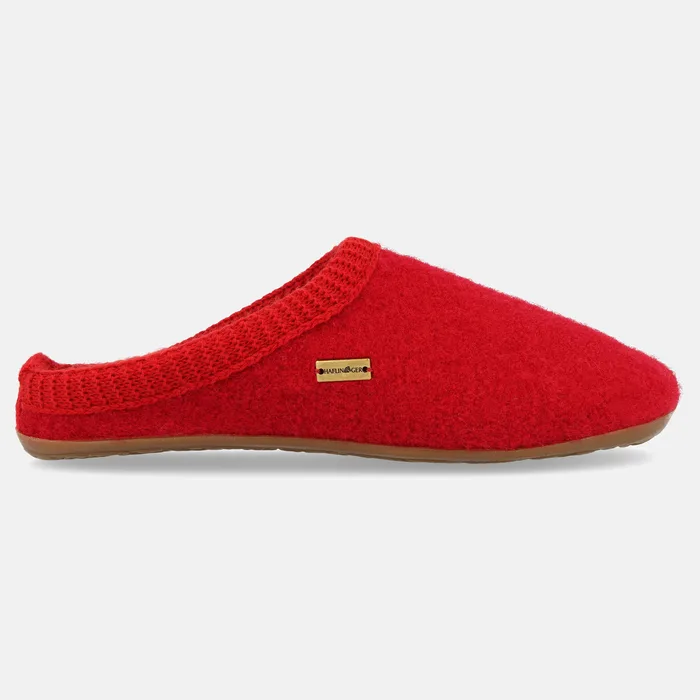
A boiled wool slipper built around an anatomically shaped cork-latex footbed you can swap out.
Best for: People who want arch support at home or need to use their own orthotic insoles.
- Removable cork-latex footbed shaped to the foot, replaceable with custom insoles.
- Pure new wool upper, lining and insole, described as warmly lined.
- Non-slip thermoplastic rubber sole, and 60-day free returns on Haflinger's own store.
- Hand wash only for the upper, and no tumble drying.
- A firm, supportive footbed feels very different from a soft felt slipper.
- The official store's product pages are primarily in German.
- No weight or sole thickness is published.
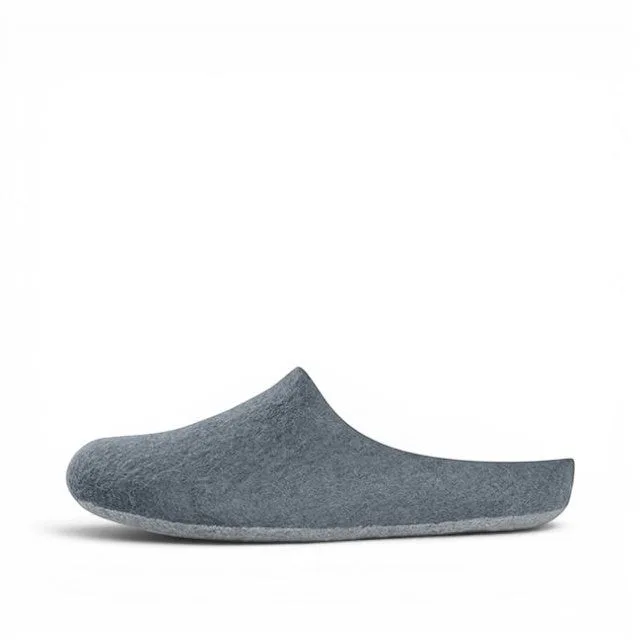
A light, hand-felted wool slipper that is sized in broad bands and ships without an insole.
Best for: Travellers who want a packable wool slipper and do not mind a loose fit.
- Mulesing-free New Zealand wool uppers, hand-felted in Nepal.
- Baabuk's lightest and most packable slipper, easy to take travelling.
- A repair kit and padded insoles are available.
- Sized S to XL, with each size covering three EU sizes, such as EU 36 to 38 for Small.
- Only a simple latex-coated bottom rather than a separate sole.
- Inner soles are not included and are sold separately.
- No machine washing, and Baabuk warns that harsh soaps and chemicals may cause the soles to melt.
| Criteria | Slip-on with leather sole Top pick | Veitsch | Everest Classic | Kanga Slippers |
|---|---|---|---|---|
| Verdict | Buy it | Buy it | It depends | Skip it |
| Best for | People who want a warm, breathable indoor slipper on wood, carpet or other dry floors. | People who step outside in their slippers and want to throw them in the wash. | People who want arch support at home or need to use their own orthotic insoles. | Travellers who want a packable wool slipper and do not mind a loose fit. |
| Price tier | $$$ · premium | $$$ · premium | $$ · mid-range | $$ · mid-range |
| Upper | 100% natural wool | Virgin wool | Pure new boiled wool | Hand-felted New Zealand wool |
| Sole | Chrome-free calfskin | Rubber (TPR) | Thermoplastic rubber | Latex-coated bottom |
| Footbed | Wool, no separate footbed | Exchangeable footbed | Removable cork-latex | Not included |
| Sizing | Whole EU sizes from 35 | Whole EU sizes | Whole EU sizes | S to XL, 3 EU sizes each |
| Washing | Spot clean, air out | Machine wash 30°C wool cycle | Hand wash upper | Damp cloth only |
| Outdoor use | Mostly indoor | Patios and balconies | Non-slip rubber sole | Indoor |
| Returns | 60 days | Free returns in the US | 60 days, free | Flexible return options |
| Made in | Romania (own factory) | Giesswein, Austria (maker) | Not stated | Nepal |
Which one is right for you?
- People who want a warm, breathable indoor slipper on wood, carpet or other dry floors. Buy it glerups Slip-on with leather sole
- People who step outside in their slippers and want to throw them in the wash. Buy it Giesswein Veitsch
- People who want arch support at home or need to use their own orthotic insoles. It depends Haflinger Everest Classic
- Travellers who want a packable wool slipper and do not mind a loose fit. Skip it Baabuk Kanga Slippers
How we judged the field
Five things decide whether a wool slipper is a good buy. The wool itself matters, because a dense, well-felted upper holds its shape and does not itch. The sole decides where you can wear it, since leather is soft indoors and rubber grips outside. A footbed, or the lack of one, decides how much support you get. Sizing matters more than people expect, because felt does not stretch like knit. And washing matters, because some wool slippers go in the machine and others must never get wet all over.
The field splits into soft felt slip-ons like glerups and Baabuk, and clog-style slippers with a rubber sole and footbed like Giesswein and Haflinger. We picked two of each, and chose the models each brand treats as its classic, so the comparison reflects what most people buy.
The glerups Slip-on with leather sole is the pick, and it is the slipper glerups calls its best-selling model. The upper is 100% natural New Zealand wool in glerups’ own blend, which the brand says is itch-free, and the sole is soft, chrome-free calfskin. glerups designs in Denmark, makes its slippers in its own factory in Romania, and is Cradle to Cradle Certified at Bronze level 4.1. Sizing is in whole EU sizes starting at 35, and returns run for 60 days. The cautions are practical. glerups itself warns that its leather and rubber soles may be slippery on wet and icy surfaces such as tile, and the leather sole is meant mostly for indoors. There is no machine washing; you air them out, spot clean with wool soap and brush the sole. Expect some shedding in the first 3 to 4 weeks. For a warm, breathable slipper on dry floors, it is the one to buy.
The Giesswein Veitsch is the slipper to buy if you step outside in yours or want to wash them properly. The upper, lining and insole are virgin wool, and the rubber outsole is one Giesswein describes as suitable for patios and balconies. The footbed is exchangeable, with replacements sold separately, and it also leaves room for your own insole. Its biggest advantage is care: Giesswein says you can machine wash it on a gentle 30°C wool cycle without fabric softener and then air dry, which none of the other three allow. The US store offers free returns. One inconsistency is worth knowing: the spec list calls the sole TPR rubber while the page copy calls it natural rubber. It is a chunkier, clog-like shape than the glerups, and it must never go in a dryer. For daily wear that goes past the doorstep, it is the practical choice.
The Haflinger Everest Classic is the slipper for people who want support. Its standout part is a removable cork-latex footbed that Haflinger says is shaped to the anatomy of the foot, and you can replace it with custom insoles, which matters if you wear orthotics. The upper, lining and insole are pure new boiled wool, described as warmly lined, and the sole is a non-slip thermoplastic rubber that Haflinger says repels dirt and moisture. Haflinger’s own store offers free returns within 60 days. The trade-offs are care and feel. The upper is hand wash only and must not be tumble dried, and a firm cork footbed feels quite different from the soft, flexible glerups. Haflinger’s official store is primarily in German, and it publishes no weight or sole thickness. If arch support or your own insoles matter more than softness, it is the right slipper.
The Baabuk Kanga is a pleasant, light slipper that we would still skip for most people. The uppers are mulesing-free New Zealand wool, hand-felted by artisans in Nepal, and Baabuk calls it its lightest and most packable slipper, which makes it a good travel option. The problems are fit and structure. It comes in Small to Extra Large, and each size covers three EU sizes, so Small spans EU 36 to 38 and anyone at the bottom of a band will have a loose slipper. The bottom is a simple latex coating rather than a separate sole, and inner soles are not included and are sold separately. Baabuk says not to machine wash it and warns that harsh soaps and chemicals can melt the soles. A repair kit is available, which is a thoughtful touch. For a slipper you wear every day, the whole-size, soled options here are better buys.
glerups Slip-on with leather sole vs Giesswein Veitsch: which should you buy?
The glerups Slip-on and the Giesswein Veitsch are both excellent wool slippers built for different floors. The glerups is slimmer and softer, with a chrome-free calfskin sole that feels natural indoors, whole EU sizes and 60-day returns, but it must be spot cleaned and glerups warns about wet tile. The Giesswein is chunkier, with a rubber sole rated for patios and balconies, an exchangeable footbed and a machine-washable upper.
Choose the glerups if your slippers stay inside on wood or carpet and you value a light, flexible feel. Choose the Giesswein if you step out to the garden, walk on tile, or want to wash your slippers in a machine. If you need arch support or wear orthotics, look at the Haflinger instead of either.
What to look for
- Sole material: Leather is soft and quiet indoors; rubber grips on tile and handles quick trips outside.
- Footbed: A removable footbed adds support and lets you use your own insoles; soft felt slip-ons usually have none.
- Whole sizes: Felt does not stretch much, so whole EU sizes fit better than S to XL bands.
- Washing instructions: Some wool slippers take a gentle 30°C machine wash; others must be spot cleaned only.
- Wool description: Look for a named wool such as virgin, new or New Zealand wool rather than just “wool blend”.
- Returns window: Slipper sizing is hard to judge online, so a 60-day or free return policy is worth having.
Our final take
For most people, the glerups Slip-on with leather sole is the wool slipper to buy. It is pure natural wool with a chrome-free calfskin sole, it comes in whole sizes, and glerups gives you 60 days to decide. If you step outside or want to machine wash your slippers, the Giesswein Veitsch is the better choice, with a rubber sole and a 30°C wool cycle. The Haflinger Everest Classic is worth it if you want a supportive cork footbed. Skip the Baabuk Kanga for daily wear: the broad size bands, latex-coated bottom and missing insole make it a travel slipper, not a house slipper.
Questions, answered
Are wool slippers too hot for summer?
Usually not, because wool breathes and handles moisture much better than fleece or synthetic fur. Giesswein describes wool as cool in summer and warm in winter, and many glerups owners wear theirs barefoot year-round. Felted wool slippers feel warm when you put them on but rarely sweaty. If you run very hot, choose an open slip-on over a closed bootie.
Can you wash wool slippers?
It depends on the model, so check the care label before you try. Giesswein says the Veitsch can go in the machine on a gentle 30°C wool cycle without softener, then air dry. glerups recommends airing them out and spot cleaning with wool soap, Haflinger says to hand wash the upper only, and Baabuk says not to machine wash the Kanga at all. Never tumble dry felted wool, which shrinks it.
Should wool slippers fit tight or loose?
Snug but not tight, because felt and footbeds settle and give a little with wear. That is easier to get with whole EU sizes, which glerups, Giesswein and Haflinger all use. A band size like Baabuk's Small, which covers EU 36 to 38, will be loose on the smallest foot in the range. Use the brand's size chart and measure your foot rather than going by your shoe size.
Leather sole or rubber sole?
Leather feels soft, quiet and flexible on wood and carpet, and it is the sole to pick for purely indoor use. glerups warns that its leather and rubber soles may be slippery on wet or icy tile, so be careful in bathrooms and kitchens. A rubber sole like Giesswein's or Haflinger's grips better and lets you step out to the patio or mailbox. If you have stairs with hard treads, grip matters more than feel.
Why do new wool slippers shed?
Loose fibres from the felting process work free in the first weeks. glerups says its slippers usually shed for the first 3 to 4 weeks, which it describes as normal. Pick the fibres off and they settle down. Shedding that continues for months, or thin spots appearing, is worth raising with the maker.
Deciding between the top two? See our head-to-head: glerups Slip-on with leather sole vs Giesswein Veitsch.
More Home & Kitchen reviews
 The Best Chest Freezers: 4 Compared (and One to Skip)
  The Best Clothes Drying Racks: 4 Compared (and One to Skip)
  The Best Mini Fridges: 4 Compared (and One to Skip)
  The Best Panini Press: 4 Compared (and One to Skip)
  The Best Portable Induction Cooktops: 4 Compared (and One to Skip)
  The Best Portable Washing Machines: 4 Compared (and One to Skip)