

Outdoors & Fitness
The Best Rain Jackets: 4 Compared (and One to Skip)
We compared four waterproof-breathable shells on real waterproofing, breathability, construction, seam taping, DWR maintenance, packability, and repairability.
The short version
For most people the Patagonia Torrentshell 3L is the smart buy — a durable, fully taped 3-layer shell with pit zips, an easy-to-maintain DWR, and a repair program that means you keep it for years. On a budget, The North Face Antora Rain Hoodie keeps you every bit as dry; its only real compromises are a stickier 2.5-layer interior and no pit zips. The Arc'teryx Beta is the finest jacket here, but it's flagship money for refinement rather than for staying drier, so it's a "depends." Skip the Frogg Toggs Ultra-Lite2 as an everyday jacket — it's a brilliant emergency stash layer but too fragile and unmaintainable to rely on. Remember: a mid-priced shell you actually re-proof will out-perform an expensive one you neglect. Best for: staying dry without overpaying, then keeping the jacket working with a wash-and-reproof once or twice a season.
Our picks at a glance
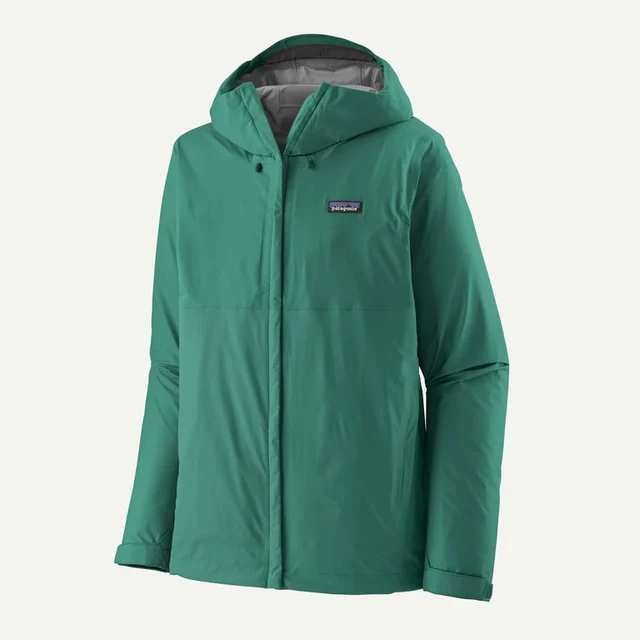
- Patagonia Torrentshell 3L Rain Jacket - Buy. A genuinely repairable 3-layer shell backed by a no-nonsense guarantee — the do-everything pick.
- The North Face Antora Rain Hoodie - Buy. The honest budget champ: a 2.5-layer everyday shell that keeps you dry if you keep the DWR fresh.
- Arc'teryx Beta Jacket - It depends. The best-made shell here — but you're paying flagship money for refinement, not for staying drier.
- Frogg Toggs Ultra-Lite2 Rain Suit - Skip. Astonishingly cheap and weirdly breathable — but it's a disposable emergency layer, not a real jacket.
The verdict in 30 seconds
What mattered most
- Waterproofing
- Breathability & venting
- Construction
- Seam taping
- DWR & maintenance
- Weight & packability
Every "waterproof-breathable" rain jacket is a compromise: the more it breathes, the harder it works to keep water out, and vice versa. The good news is that the things that actually keep you dry are cheaper than the marketing implies, while the premium price often buys refinement, not survival. We landed on two easy buys, one honest "it depends," and one to skip for everyday use.
A genuinely repairable 3-layer shell backed by a no-nonsense guarantee — the do-everything pick.
Best for: Commuters and hikers who want one durable, fixable jacket that will last years with occasional re-proofing.
- Full 3-layer construction with an internal backer, so the membrane doesn't feel clammy against a bare arm
- Fully taped seams and pit zips for dumping heat on the climb or commute
- PFC-free DWR that re-proofs cleanly, plus Patagonia's Ironclad Guarantee and an actual repair program
- Heavier and less packable than an ultralight shell
- Breathability is good, not elite — you'll still work up moisture on hard efforts
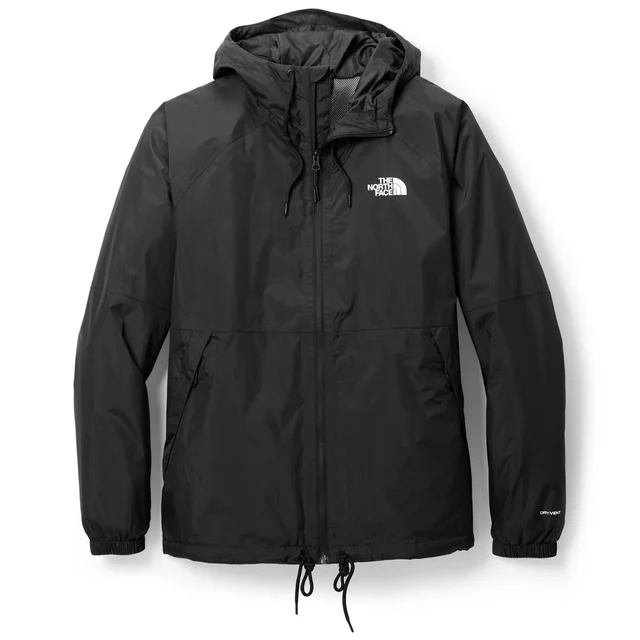
The honest budget champ: a 2.5-layer everyday shell that keeps you dry if you keep the DWR fresh.
Best for: Anyone who wants a legitimately waterproof jacket for commuting, dog walks, and casual hikes without overpaying.
- Fully taped seams and a real waterproof membrane at a genuinely low price
- Light, packable, and made partly from recycled fabric
- DWR is re-proofable, so a wash-and-reproof restores the water-beading it loses over time
- 2.5-layer build has a printed interior that feels sticky when you sweat
- No pit zips, so ventilation is limited to opening the front
- In-house DryVent breathability trails Gore-Tex on high-output days
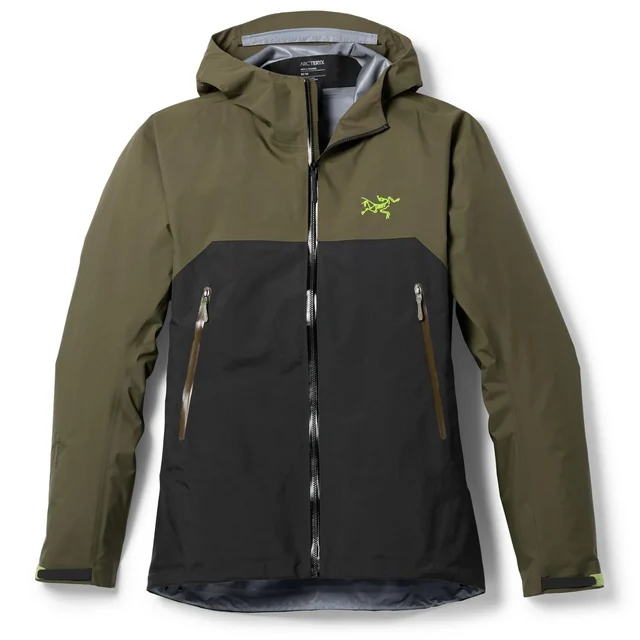
The best-made shell here — but you're paying flagship money for refinement, not for staying drier.
Best for: Frequent backcountry users and gear-heads who will use the refinement and want a jacket to keep for a decade.
- 3-layer GORE-TEX with the most breathable membrane and the cleanest, most durable construction in this group
- Excellent hood, cuff, and hem adjustability and low-profile pit zips
- Light for a full 3-layer jacket, with a tough face fabric that shrugs off abrasion
- Costs several times more than the shells that keep you just as dry
- Its DWR still wets out and needs re-proofing like any other jacket — the price doesn't exempt you from maintenance
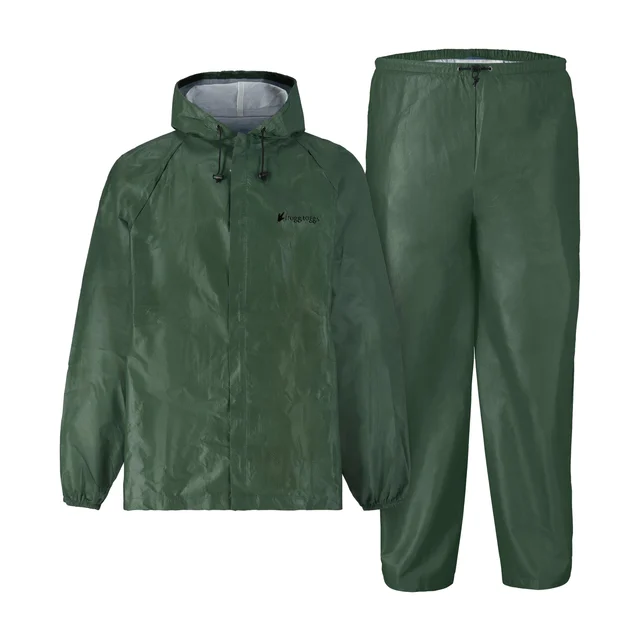
Astonishingly cheap and weirdly breathable — but it's a disposable emergency layer, not a real jacket.
Best for: Emergency backup only — throw it in a bag for the day it unexpectedly pours, not as your everyday rain jacket.
- Waterproof and breathable straight out of the bag, and it packs down to almost nothing
- Comes as a jacket-and-pants set for the price of a fast-food meal
- Great to stash in a pack or glovebox as a just-in-case layer
- The nonwoven material tears on branches, brush, and rough backpack straps
- Nothing to maintain — there's no restorable DWR, so when it wears or rips it's simply done
- Fit is boxy and the seams can leak once the fabric is stressed
| Criteria | Patagonia Torrentshell 3L Rain Jacket Top pick | The North Face Antora Rain Hoodie | Arc'teryx Beta Jacket | Frogg Toggs Ultra-Lite2 Rain Suit |
|---|---|---|---|---|
| Verdict | Buy it | Buy it | It depends | Skip it |
| Best for | Commuters and hikers who want one durable, fixable jacket that will last years with occasional re-proofing. | Anyone who wants a legitimately waterproof jacket for commuting, dog walks, and casual hikes without overpaying. | Frequent backcountry users and gear-heads who will use the refinement and want a jacket to keep for a decade. | Emergency backup only — throw it in a bag for the day it unexpectedly pours, not as your everyday rain jacket. |
| Price tier | $$ · mid-range | $ · budget | $$$$ · flagship | $ · budget |
| Waterproofing | Strong — 3-layer H2No membrane, fully sealed | Good — 2.5-layer DryVent handles steady rain | Excellent — 3-layer GORE-TEX, best in this group | High at first, but the fabric itself is fragile |
| Breathability & venting | Good, with pit zips | Runs warm; no pit zips | Most breathable here, plus pit zips | Breathable fabric, but no pit zips |
| Construction | 3-layer | 2.5-layer | 3-layer | Single-layer nonwoven (the fabric is the membrane) |
| Seam taping | Fully taped | Fully taped | Fully taped | Taped, but seams can fail under stress |
| DWR & maintenance | PFC-free DWR, re-proofs easily | DWR wets out sooner; re-proofable | Durable DWR; re-proofable | No restorable DWR — not maintainable |
| Weight & packability | Midweight; packs into its own pocket | Light and packable | Light for a 3-layer; packable | Extremely light; packs tiny |
| Durability & warranty | Burly; Ironclad Guarantee + repairs | Reasonable; standard warranty | Very durable; premium build | Low — treat as disposable |
| Price tier | $$ · mid-range | $ · budget | $$$$ · flagship | $ · budget |
Which one is right for you?
- Commuters and hikers who want one durable, fixable jacket that will last years with occasional re-proofing. Buy it Patagonia Torrentshell 3L Rain Jacket
- Anyone who wants a legitimately waterproof jacket for commuting, dog walks, and casual hikes without overpaying. Buy it The North Face Antora Rain Hoodie
- Frequent backcountry users and gear-heads who will use the refinement and want a jacket to keep for a decade. It depends Arc'teryx Beta Jacket
- Emergency backup only — throw it in a bag for the day it unexpectedly pours, not as your everyday rain jacket. Skip it Frogg Toggs Ultra-Lite2 Rain Suit
How we judged the field
We don’t run a lab. Instead we synthesize independent testing, expert reviews, and aggregated owner reports, then weigh them against the things that genuinely determine whether you stay dry. That means we care less about headline membrane names and more about the fundamentals: are the seams fully taped, is the DWR coating something you can restore, how does the jacket ventilate, and will it survive real use.
The truth about every “waterproof-breathable” shell is that it’s a compromise. A membrane that breathes freely has to work harder to block water; one that’s bombproof against rain tends to trap your sweat. Layering (2.5-layer versus 3-layer), ventilation (pit zips), and — above all — a maintainable DWR finish are what separate a jacket that feels dry from one that feels like a plastic bag. We also gave real weight to repairability and warranty, because the greenest, cheapest-to-own jacket is the one you fix instead of replace.
One theme ran through everything: a mid-priced jacket that you actually re-proof will out-perform an expensive one that you neglect. Keep that in mind as you read.
Patagonia Torrentshell 3L Rain Jacket - buy
This is the jacket we’d hand most people. It uses a full 3-layer construction, so the waterproof membrane is sandwiched behind a proper inner liner rather than a thin printed coating — it feels smoother and lasts longer than budget shells. The seams are fully taped, the pit zips let you dump heat on a climb or a brisk commute, and the PFC-free DWR re-proofs cleanly when water stops beading.
What pushes it past its rivals is what happens after the sale. Patagonia’s Ironclad Guarantee and its repair program mean a blown zipper or a torn cuff is a fix, not a landfill sentence. It’s heavier and less packable than an ultralight shell, and its breathability is good rather than elite, but as a durable, fixable, do-everything rain jacket it’s hard to beat.
The North Face Antora Rain Hoodie - buy
The Antora is proof that you don’t need to spend big to stay dry. It’s a 2.5-layer shell with a real waterproof membrane, fully taped seams, and a re-proofable DWR — the fundamentals that actually matter — at a genuinely budget price. It’s light, packs down easily, and uses recycled fabric.
The compromises are honest ones. The 2.5-layer interior has a printed finish that feels sticky when you’re sweaty, there are no pit zips so ventilation means unzipping the front, and the in-house DryVent membrane doesn’t breathe as freely as Gore-Tex when you’re working hard. For commuting, dog walks, and casual hikes, none of that stops it being the best value here — provided you wash and re-proof it when the water stops beading.
Arc’teryx Beta Jacket - it depends
The Beta is the best-built jacket in this comparison, full stop. It pairs a 3-layer GORE-TEX construction — the most breathable membrane and the cleanest seams of the group — with a superbly adjustable hood, cuffs, and hem, low-profile pit zips, and a tough face fabric that shrugs off abrasion. If you’re out in weather constantly, that refinement is a joy to live with.
But here’s the honest part: it costs several times more than shells that keep you just as dry, and it is not exempt from maintenance. Its DWR wets out and needs re-proofing exactly like every other jacket here — the flagship price buys breathability, fit, and durability, not a magic coating. If you’ll genuinely use that performance and keep the jacket for a decade, it can be worth it. If you mostly walk to the train, you’re paying for capability you’ll never tap.
Frogg Toggs Ultra-Lite2 Rain Suit - skip
We want to like this more than we can recommend it. For the price of a cheap lunch you get a jacket and pants that are waterproof and, oddly, quite breathable straight out of the bag, packed into a bundle smaller than your fist. As an emergency layer stuffed in a pack or glovebox, it’s brilliant.
As an everyday jacket, skip it. The nonwoven material is essentially the membrane itself, and it tears on branches, brush, and rough pack straps. Crucially, there’s nothing to maintain — no restorable DWR — so when it wears or rips, it’s simply finished. The fit is boxy and the seams can leak once the fabric is stressed. This is a disposable-feeling backup, not a jacket to build your rainy season around.
Patagonia Torrentshell 3L vs The North Face Antora: which should you buy?
These are the two we’d actually cross-shop, and the decision is refreshingly simple. Both are fully taped, both use restorable DWR, and both will keep you dry in real rain. The Antora costs far less, weighs a touch less, and is the smarter pick if your budget is tight or the jacket will mostly live in a bag.
Step up to the Torrentshell 3L for three reasons: the 3-layer build is more comfortable against skin and more durable over years, the pit zips ventilate better on effort, and the repair-and-guarantee backing means you keep it far longer. If you’ll wear a rain jacket often and want to buy once, the Torrentshell is worth the step up. If you want maximum dryness per dollar, the Antora is the value winner — just commit to re-proofing it.
What to look for
- Fully taped seams. This is non-negotiable. Untaped or partially taped seams leak no matter how good the fabric is.
- A restorable DWR finish. Water repellency is a wear item. Choose a jacket you can wash and re-proof, and plan to do it once or twice a season.
- Ventilation. Pit zips (or at least a mesh-backed design) matter more for real-world comfort than small differences in membrane breathability.
- Layer count. 3-layer is more durable and comfortable; 2.5-layer is lighter and cheaper but can feel sticky when you sweat.
- Hood, cuff, and hem adjustability. Cheap jackets skimp here, and a hood that won’t cinch down is a hood that funnels rain onto your face.
- Repairability and warranty. A jacket you can fix — or that the brand will fix — is cheaper and greener over its life than one you replace.
Our final take
Staying dry is less about the logo on the chest than the marketing suggests. Taped seams and a DWR you keep fresh do most of the work; the premium tier mostly buys breathability, fit, and longevity. For the majority of people the Patagonia Torrentshell 3L is the right buy — durable, well-featured, easy to maintain, and genuinely repairable. On a budget, The North Face Antora keeps you just as dry for a lot less. The Arc’teryx Beta is the finest jacket here and worth it for heavy users, but it’s a considered splurge, not a default. And the Frogg Toggs Ultra-Lite2 earns its place only in your emergency bag. Whichever you choose, the single best upgrade you can make is boring: wash it and re-proof it, and it will keep beading water long after a neglected jacket has given up.
Questions, answered
Why does my rain jacket "wet out" and feel like it's leaking?
That soaked, clammy feeling usually isn't a failed membrane — it's the DWR (durable water repellent) finish wearing off the outer fabric. When water stops beading and instead soaks into the face fabric, the jacket can't breathe, so your sweat condenses inside and feels like a leak. Nobody tells you this at the register: DWR is a wear item. A wash with technical cleaner plus a spray-on or wash-in re-proof restores the beading and buys the jacket a whole new life.
What's the difference between a 2.5-layer and a 3-layer jacket?
Both have a waterproof membrane. In a 3-layer jacket the membrane is bonded between the outer fabric and a woven inner liner, so it feels smooth and durable against skin. A 2.5-layer jacket skips the full liner and instead prints a thin protective pattern on the inside of the membrane to save weight and money — it works, but that printed surface can feel sticky when you're sweaty. 3-layer is more comfortable and longer-lasting; 2.5-layer is lighter and cheaper.
Is Gore-Tex worth paying extra for over an in-house membrane?
Sometimes. Gore-Tex and other top membranes generally breathe a bit better and are backed by strict waterproofing standards, which matters if you're working hard in sustained rain. But a well-made in-house membrane keeps you just as dry for everyday use, and any membrane still relies on that maintainable DWR coating up top. For commuting and casual hiking, an in-house membrane you keep re-proofed is the better value; for high-output backcountry days, the premium can pay off.
What actually matters most when choosing a rain jacket?
Two things above all: fully taped seams (untaped seams leak no matter how good the fabric is) and a DWR finish you can restore. After that, look at pit zips or other ventilation, hood and cuff adjustability, and whether the brand will repair or stand behind the jacket. A lot of "technical" branding oversells marginal membrane differences while the boring fundamentals — taping and maintenance — are what keep you dry.
How do I take care of a waterproof jacket so it lasts?
Wash it more often than you'd think, using a technical wash rather than regular detergent (detergent residue actively kills water repellency). When water stops beading, re-proof with a wash-in or spray-on DWR and, if the care label allows, tumble dry low or briefly iron through a cloth to reactivate the finish. Done a couple of times a season, this keeps a mid-priced jacket outperforming a neglected expensive one.
Deciding between the top two? See our head-to-head: Patagonia Torrentshell 3L Rain Jacket vs The North Face Antora Rain Hoodie.
More Outdoors & Fitness reviews
 The Best Resistance Bands Sets: 4 Compared (and One to Skip)
  The Best Road Bikes for Beginners: 4 Compared (and One to Skip)
  The Best Robot Lawn Mowers: 4 Compared (and One to Skip)
  The Best Rowing Machines: 4 Compared (and One to Skip)
  Best Running Shoes for Beginners: Daily Trainers Compared
  The Best Sit Pads: 4 Compared (and One to Skip)