

Beauty & Grooming
The Best Mineral Sunscreens: 4 Compared (and One to Skip)
We compared zinc-oxide mineral sunscreens from Thinkbaby, Blue Lizard and Badger against a mass-market mineral option, on active ingredients, water resistance, skin feel and formula purity.
The short version
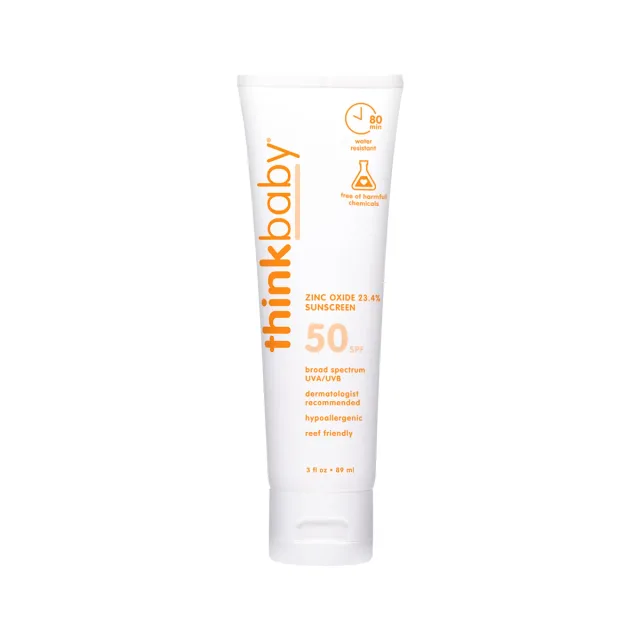
Thinkbaby SPF 50+ is our pick: non-nano zinc oxide, 80-minute water resistance, reef safe and the easiest mineral to actually spread. Blue Lizard Baby is the sensitive-skin alternative, a 100 percent mineral zinc-titanium formula with a UV-alert cap. Badger Baby is for ingredient purists: 7 ingredients and the purest label, at the cost of the thickest texture. Skip Coppertone Pure & Simple: it is a real mineral sunscreen but pads its SPF with butyloctyl salicylate, which defeats the point for ingredient-conscious buyers. Best for: parents, sensitive skin and reef-conscious buyers who want protection without chemical filters.
Our picks at a glance
- Thinkbaby SPF 50+ Safe Sunscreen - Buy. The pediatric benchmark: non-nano zinc oxide, 80-minute water resistance, reef safe, in 3 and 6 oz tubes.
- Blue Lizard Baby Mineral SPF 50+ Sunscreen Lotion - Buy. 100 percent mineral actives for sensitive skin, with a cap that changes color in UV light.
- Badger Baby Mineral Sunscreen SPF 40 - It depends. The simplest formula: 7 ingredients, non-nano zinc oxide, and the purest pick here.
- Coppertone Pure & Simple SPF 50 - Skip. A mineral sunscreen in name, padded with a chemical UV booster most buyers never notice.
The verdict in 30 seconds
What mattered most
- SPF
- Active(s)
- Ingredient purity
- Water resistance
- White cast
- Reef friendly
Mineral sunscreens sit on the skin and scatter UV instead of absorbing it, which is why parents, sensitive-skin users and reef-conscious buyers seek them out. The ingredient lists differ more than the SPF numbers suggest: some are pure zinc oxide, some mix in titanium dioxide, and some labeled "mineral" quietly pad their SPF with chemical boosters. We compared the pediatric favorite, the sensitive-skin classic, the simplest formula and the drugstore mineral everyone assumes is clean.
The pediatric benchmark: non-nano zinc oxide, 80-minute water resistance, reef safe, in 3 and 6 oz tubes.
Best for: Families and anyone who wants a proven mineral sunscreen that goes on without a fight.
- Broad-spectrum SPF 50+ on non-nano zinc oxide, rated water resistant for 80 minutes.
- Reef safe, biodegradable and pediatrician-dermatologist tested per the brand, in tubes sized from 3 to 6 oz.
- Spreads more easily than most mineral formulas, which matters for actually getting an even coat on.
- Still a mineral sunscreen: there is some white cast on deeper skin tones.
- Thicker than a chemical sunscreen, so it takes a minute to rub in.
- Not the purest formula here; buyers who want the shortest ingredient list will prefer Badger.
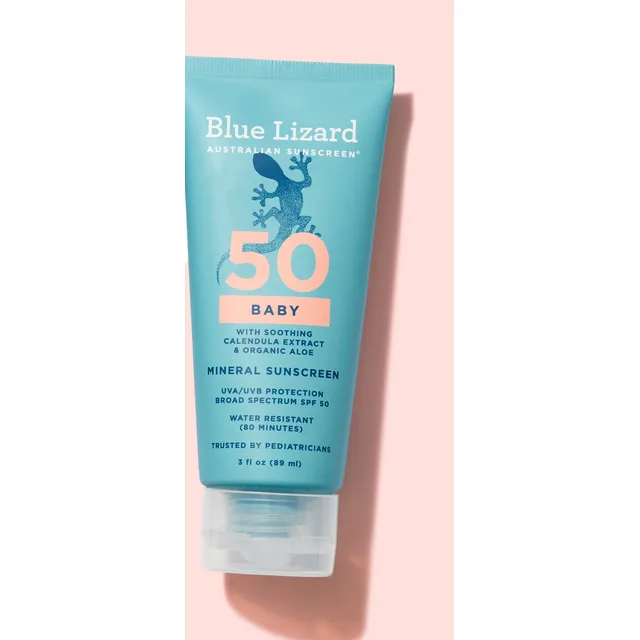
100 percent mineral actives for sensitive skin, with a cap that changes color in UV light.
Best for: Babies, sensitive skin and anyone who wants a pure mineral formula with a visual reapplication reminder.
- Broad-spectrum SPF 50+ on zinc oxide plus titanium dioxide, rated water resistant for 80 minutes.
- Smart Cap technology changes color in UV light, a useful nudge to reapply, and the formula is fragrance- and paraben-free.
- Calendula and organic aloe in the formula, aimed at baby and sensitive skin.
- Uses a zinc-titanium blend rather than zinc-only, which purists and some dermatologists rank slightly below pure non-nano zinc.
- Priced above Thinkbaby per ounce for a comparable SPF.
- Like all minerals, it can leave a white cast and needs working in.
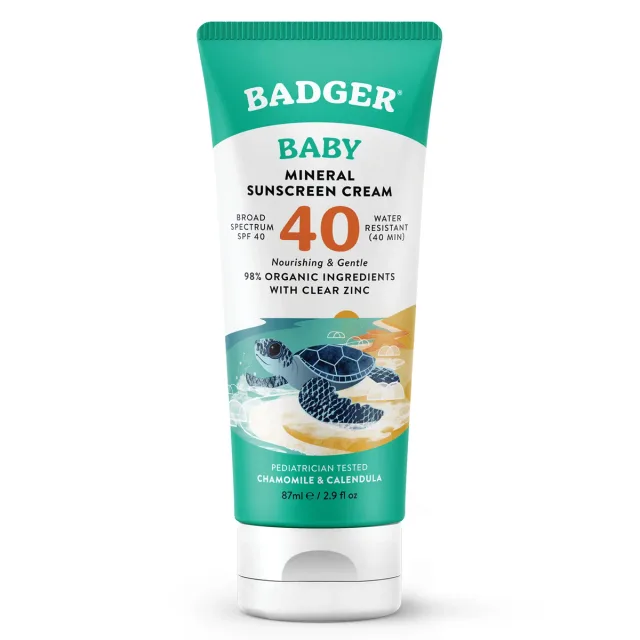
The simplest formula: 7 ingredients, non-nano zinc oxide, and the purest pick here.
Best for: Ingredient purists and sensitive skin who want the shortest, simplest label and accept the white cast.
- A 7-ingredient formula built on non-nano zinc oxide with chamomile, calendula and sunflower oil: the cleanest label in this comparison.
- Pediatrician tested, reef friendly and water resistant, with the shortest ingredient list you will find.
- USDA-organic-style simplicity that sensitive skin tends to tolerate well.
- SPF 40 rather than 50+, and the water resistance rating is lower than the leaders.
- The thickest, whitest formula here; it takes real effort to rub in and shows on the skin.
- The minimal formula means fewer cosmetic elegance improvements; it is protection first, feel second.
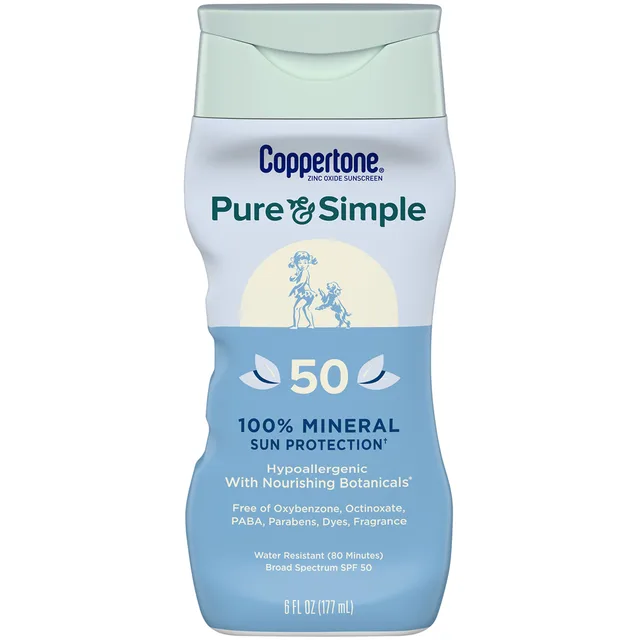
A mineral sunscreen in name, padded with a chemical UV booster most buyers never notice.
Best for: Buyers who want a cheap zinc sunscreen and do not mind the booster; ingredient purists should look elsewhere.
- Broad-spectrum SPF 50 on zinc oxide, 80-minute water resistance, widely available in drugstores.
- Fragrance-free and tear-free per the brand, marketed at families and sensitive skin.
- The inactive list includes butyloctyl salicylate, a chemical ester that boosts SPF: buyers seeking a clean mineral formula get a hidden booster.
- Owners report a greasy feel and separation in the tube, which makes even application harder.
- The "pure and simple" name oversells a formula that is more complicated than it looks.
| Criteria | Thinkbaby SPF 50+ Safe Sunscreen Top pick | Blue Lizard Baby Mineral SPF 50+ Sunscreen Lotion | Badger Baby Mineral Sunscreen SPF 40 | Coppertone Pure & Simple SPF 50 |
|---|---|---|---|---|
| Verdict | Buy it | Buy it | It depends | Skip it |
| Best for | Families and anyone who wants a proven mineral sunscreen that goes on without a fight. | Babies, sensitive skin and anyone who wants a pure mineral formula with a visual reapplication reminder. | Ingredient purists and sensitive skin who want the shortest, simplest label and accept the white cast. | Buyers who want a cheap zinc sunscreen and do not mind the booster; ingredient purists should look elsewhere. |
| Price tier | $ · budget | $$ · mid-range | $ · budget | $ · budget |
| SPF | 50+ | 50+ | 40 | 50 |
| Active(s) | Non-nano zinc oxide | Zinc oxide + titanium dioxide | Non-nano zinc oxide | Zinc oxide |
| Ingredient purity | Clean mineral | Clean mineral blend | 7-ingredient minimal | Zinc + chemical booster |
| Water resistance | 80 minutes | 80 minutes | Lower rating | 80 minutes |
| White cast | Moderate | Moderate | Heavy | Moderate |
| Reef friendly | Yes | Yes | Yes | Mostly |
| Best for | Most families | Sensitive skin | Ingredient purists | Budget shoppers who read labels |
Which one is right for you?
- Families and anyone who wants a proven mineral sunscreen that goes on without a fight. Buy it Thinkbaby SPF 50+ Safe Sunscreen
- Babies, sensitive skin and anyone who wants a pure mineral formula with a visual reapplication reminder. Buy it Blue Lizard Baby Mineral SPF 50+ Sunscreen Lotion
- Ingredient purists and sensitive skin who want the shortest, simplest label and accept the white cast. It depends Badger Baby Mineral Sunscreen SPF 40
- Buyers who want a cheap zinc sunscreen and do not mind the booster; ingredient purists should look elsewhere. Skip it Coppertone Pure & Simple SPF 50
How we judged the field
Four things decide a mineral sunscreen: what actually provides the protection, how water resistant it is, how it feels on skin, and how honest the formula is. SPF numbers are regulated and comparable; the ingredient list is where the differences live, and that is where a “mineral” label can hide a chemical booster.
We compared the category’s benchmark, a sensitive-skin classic, the simplest formula available and a mass-market mineral option whose inactive list tells a different story than its name.
Thinkbaby is the default buy because it does the job cleanly and goes on without a fight. The active is non-nano zinc oxide at SPF 50+, water resistant for 80 minutes, reef safe and biodegradable per the brand, and pediatrician-dermatologist tested. Unlike a lot of mineral formulas, it spreads and rubs in reasonably, which matters because an unworn sunscreen protects nobody.
Its compromises are cosmetic. There is a white cast on deeper skin tones and it takes a minute to work in, and the formula is a little more complex than the pure-minimalist options. For a family or a buyer who wants the reliable mineral sunscreen that people actually apply, it is the pick.
Blue Lizard is the sensitive-skin alternative, with 100 percent mineral actives from a zinc oxide and titanium dioxide blend at SPF 50+ and 80-minute water resistance. The formula is fragrance- and paraben-free with calendula and organic aloe, and the Smart Cap on the bottle changes color under UV, which is a genuinely useful nudge to reapply.
Its trade-offs are small. The zinc-titanium blend is a little less pure than a zinc-only formula, it costs more per ounce than Thinkbaby, and it carries the same mineral white cast. For babies and sensitive skin, and for buyers who like a physical reminder to reapply, it is a strong second.
Badger is the minimalist’s choice: seven ingredients, non-nano zinc oxide, chamomile, calendula and sunflower oil, pediatrician tested and reef friendly. The label is the shortest and cleanest here, which is why people with reactive skin and ingredient purists reach for it.
The cost is usability. It is SPF 40 rather than 50+, the water resistance is lower than the leaders, and it is the thickest, whitest formula in this group, so it takes real effort to spread and it shows on the skin. Whether it fits depends on whether you value the clean label over the cosmetic experience.
Pure & Simple is the mineral sunscreen people assume is clean, and the name does some of that work. The active is zinc oxide at SPF 50 with 80-minute water resistance, fragrance-free and tear-free on the front of the label. Read the inactive list and you find butyloctyl salicylate, a chemical ester that boosts SPF without appearing in the active line.
The issue is honesty more than safety. Butyloctyl salicylate is not a banned or dangerous ingredient, but it is not what buyers of a “pure and simple” mineral sunscreen think they are getting, and owners also report a greasy feel and separation in the tube. For ingredient-conscious buyers, the formula defeats its own selling point.
Thinkbaby SPF 50+ vs Blue Lizard Baby SPF 50+: which should you buy?
Both are clean mineral SPF 50+ options with 80-minute water resistance, and the difference is mostly formula philosophy and a price gap. Thinkbaby uses non-nano zinc alone and rubs in a little easier; Blue Lizard uses a zinc-titanium blend and adds the color-changing UV cap.
For most families, buy Thinkbaby. For sensitive skin, babies, or anyone who wants the UV reminder and does not mind the blend, buy Blue Lizard.
What to look for
- Active ingredient first: zinc oxide, ideally non-nano, alone or with titanium dioxide.
- Check the inactive list: chemical boosters like butyloctyl salicylate can pad SPF in a “mineral” product.
- Water resistance: an 80-minute rating is the realistic ceiling; reapply on schedule anyway.
- White cast is the cost of admission: pure minerals show a little; heavy cast means a harder application.
- Short ingredient lists for sensitive skin, fewer chances to irritate.
- Reef-safe labeling: verify zinc or titanium actives, not just the marketing.
Our final take
For most buyers, Thinkbaby SPF 50+ is the mineral sunscreen to get: clean non-nano zinc, real water resistance and a formula people actually apply. Blue Lizard Baby is the sensitive-skin pick with the smart UV cap, and Badger Baby is the pure-label choice for anyone who reads the inactive list first. Skip Coppertone Pure & Simple: it markets mineral purity while padding the formula with a chemical booster. Whichever you choose, apply generously and reapply on time; that discipline matters more than the last SPF point.
Questions, answered
Mineral vs chemical sunscreen: what is the real difference?
Mineral sunscreens use zinc oxide and titanium dioxide, which sit on the skin and scatter UV rays, while chemical filters absorb UV and convert it to heat. Mineral formulas are gentler on sensitive skin and avoid filters like oxybenzone and octinoxate that raise health and reef concerns. The trade-offs are texture and a white cast that chemical formulas avoid.
What should I look for on the ingredient list?
The active ingredient should be zinc oxide alone or with titanium dioxide, ideally non-nano. Watch the inactive list for chemical boosters like butyloctyl salicylate that pad SPF without appearing in the active line. Fewer, simpler ingredients generally mean fewer irritants for sensitive skin.
Is SPF 50 meaningfully better than SPF 30?
Modestly. SPF 30 blocks about 97 percent of UVB; SPF 50 about 98 percent. The bigger factors are applying enough and reapplying on time, which most people skip. A sunscreen you will actually use generously beats a higher-SPF product you under-apply.
Does the white cast ever go away?
Partly. Mineral formulas always leave some cast, especially on deeper skin tones, though newer tinted and sheer versions hide it better. Rubbing in thoroughly and applying in thin layers helps. Accepting a bit of cast is usually the price of a genuinely mineral formula.
How often should I reapply?
Every two hours at minimum, and after swimming, sweating or toweling, regardless of what the water-resistance number says. An 80-minute rating buys you water exposure, not a morning's coverage. Most under-protection comes from too little sunscreen applied too infrequently.
Deciding between the top two? See our head-to-head: Thinkbaby SPF 50+ Safe Sunscreen vs Blue Lizard Baby Mineral SPF 50+ Sunscreen Lotion.
More Beauty & Grooming reviews
 The Best Nail Clippers: 4 Compared (and One to Skip)
  The Best Scalp Massagers: 4 Compared (and One to Skip)
  The Best Silk Pillowcases: 4 Compared (and One to Skip)
  The Best At-Home Teeth Whitening Kits: 4 Compared (and One to Skip)
  The Best Water Flossers: What Actually Cleans Between Your Teeth
  The Best Body Groomers: 4 Compared (and One to Skip)