

Outdoors & Fitness
The Best Merino Wool Base Layers: 4 Compared (and One to Skip)
We compared four merino base-layer tops on fabric weight, blend, durability, odor control and next-to-skin fit.
The short version
For one do-everything merino top, buy the Smartwool Classic All-Season Merino Base Layer Crew: at ~150 gsm with a nylon-core-spun yarn it moves well, layers well and lasts. If your priority is cold-weather warmth on a budget, the Ridge Merino Aspect Midweight blend is the value pick. The Ibex Woolies 250 is a plush, deeply warm 100% merino piece worth it only for cold, static use where you'll baby it. Skip the Smartwool Intraknit Thermal: it's well made but only 53% merino at a flagship price, so you overpay for a mostly-synthetic knit. Above all, match the fabric weight to how you move and read the actual wool percentage before you buy. Best for: hikers, travelers and cold-weather layerers who want the wool's odor resistance without overpaying.
Our picks at a glance
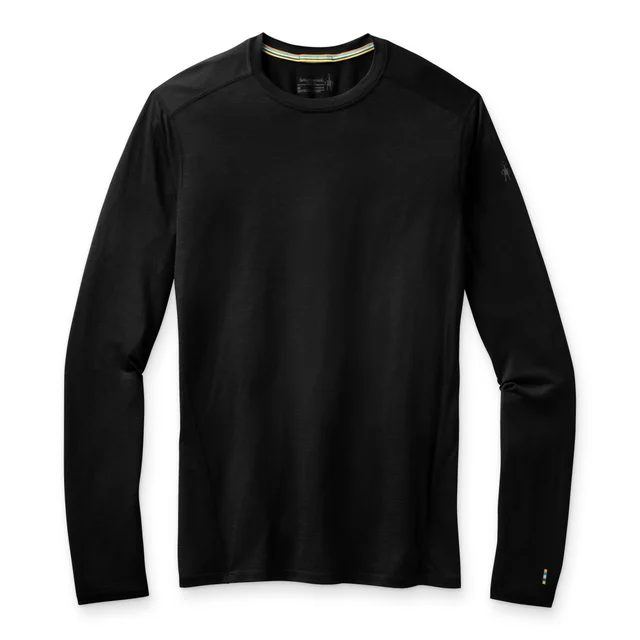
- Smartwool Classic All-Season Merino Base Layer Crew - Buy. A light ~150 gsm top with a nylon-core-spun yarn that keeps merino's odor resistance while surviving real-world abuse.
- Ridge Merino Aspect Midweight Crew - Buy. A midweight ~230 gsm merino-nylon blend that trades a little odor resistance for durability and undercuts the big names on price.
- Ibex Woolies 250 Crew - It depends. Plush 100% merino at a true 250 gsm; wonderfully warm and odor-proof, but softer, pricier and less durable than the blends.
- Smartwool Intraknit Thermal Merino Base Layer Crew - Skip. A well-engineered body-mapped top, but it's only 53% merino at a flagship price — you're paying top dollar for a mostly-synthetic knit.
The verdict in 30 seconds
What mattered most
- Fabric weight
- Blend (% merino)
- Best use
- Odor resistance
- Durability (pilling / abrasion)
- Fit
A merino base layer lives or dies on two numbers the marketing rarely puts up front: the fabric weight and the actual wool percentage. Get the weight right for how you move, and read the blend, and even a mid-priced top will outperform a flashy one. We lined up four current merino tops across the weight range. Two are easy buys, one is a genuine it-depends, and one is a premium piece we think most people should skip on value.
A light ~150 gsm top with a nylon-core-spun yarn that keeps merino's odor resistance while surviving real-world abuse.
Best for: Hikers, runners and travelers who want one do-everything base layer for active use and layering.
- Lightweight ~150 gsm knit is the most versatile weight: cool enough to move in, thin enough to layer under anything
- Core-spun construction wraps merino around a recycled-nylon core (88% merino / 12% nylon), so it resists pilling and holes far better than pure merino
- Flatlock seams and offset shoulder seams sit smoothly under pack straps with no chafe
- At ~150 gsm it is not warm enough on its own for cold, static days
- Premium price for a lightweight top
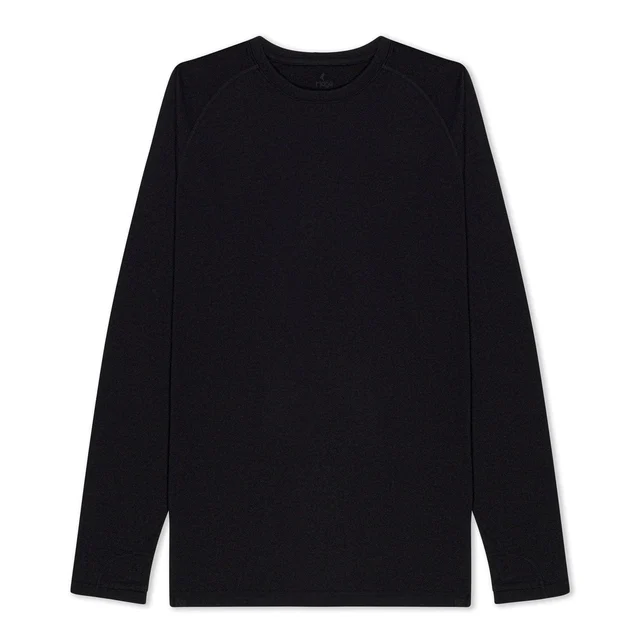
A midweight ~230 gsm merino-nylon blend that trades a little odor resistance for durability and undercuts the big names on price.
Best for: Value-minded buyers who want a durable cold-weather base layer and don't need a big-box brand name.
- Midweight ~230 gsm hits the sweet spot for cool-to-cold hiking, skiing and everyday winter wear
- 84% merino / 16% nylon blend is noticeably tougher than pure merino while keeping most of the odor resistance
- Priced below the flagship brands, so the value-per-wear is excellent
- Runs athletic and slim; size up if you want a relaxed fit or plan to layer over it
- A smaller brand, so in-store availability is limited compared to the majors
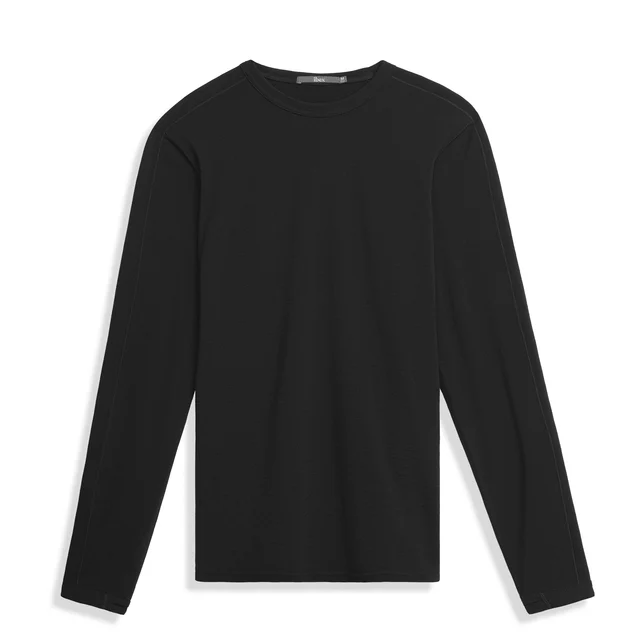
Plush 100% merino at a true 250 gsm; wonderfully warm and odor-proof, but softer, pricier and less durable than the blends.
Best for: Cold, mostly-static use (winter camping, ski lodge, deep-cold layering) where warmth and comfort beat longevity.
- Heavyweight 250 gsm of pure merino is genuinely warm for cold, low-output days and camp
- 100% merino means top-tier odor resistance and a soft, non-clammy next-to-skin feel
- Flatlock stitching, offset shoulder seams and optional thumbholes are dialed for layering
- Pure merino at this weight pills and thins faster than a nylon blend, so it needs gentler care
- Too warm and too warm-when-working for aerobic activity in mild conditions
- Premium price for a fabric that will wear out sooner than a blend
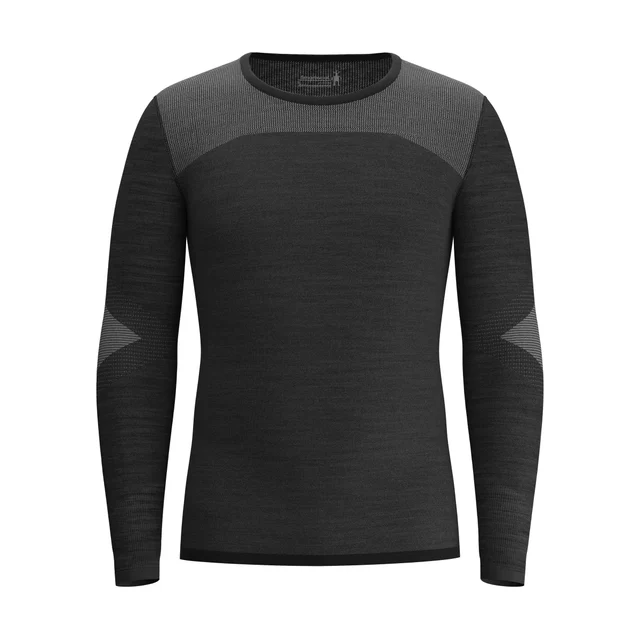
A well-engineered body-mapped top, but it's only 53% merino at a flagship price — you're paying top dollar for a mostly-synthetic knit.
Best for: Only worth it for high-output athletes who specifically want the ventilation mapping and don't mind that it's mostly synthetic.
- Body-mapped ventilation zones and a four-way-stretch knit move very well during high output
- The 45% polyester content makes it durable and quick to dry
- Only 53% merino (45% polyester, 2% elastane), so odor resistance is closer to a synthetic than to real merino
- Flagship pricing for a top that is barely half wool; if you want merino's benefits you are paying a premium and not getting them
- A high-merino top costs less and delivers more of what people buy merino for
| Criteria | Smartwool Classic All-Season Merino Base Layer Crew Top pick | Ridge Merino Aspect Midweight Crew | Ibex Woolies 250 Crew | Smartwool Intraknit Thermal Merino Base Layer Crew |
|---|---|---|---|---|
| Verdict | Buy it | Buy it | It depends | Skip it |
| Best for | Hikers, runners and travelers who want one do-everything base layer for active use and layering. | Value-minded buyers who want a durable cold-weather base layer and don't need a big-box brand name. | Cold, mostly-static use (winter camping, ski lodge, deep-cold layering) where warmth and comfort beat longevity. | Only worth it for high-output athletes who specifically want the ventilation mapping and don't mind that it's mostly synthetic. |
| Price tier | $$$ · premium | $$ · mid-range | $$$ · premium | $$$$ · flagship |
| Fabric weight | Lightweight (~150 gsm) | Midweight (~230 gsm) | Heavyweight (~250 gsm) | Midweight (~200 gsm) |
| Blend (% merino) | 88% merino / 12% nylon (core-spun) | 84% merino / 16% nylon | 100% merino | 53% merino / 45% polyester / 2% elastane |
| Best use | Active + mild, all-round layering | Cool-to-cold hiking, skiing, daily | Cold, low-output / static warmth | High-output aerobic (ventilated) |
| Odor resistance | Excellent | Very good | Excellent | Moderate (synthetic-leaning) |
| Durability (pilling / abrasion) | High (nylon core) | High (nylon blend) | Lower (pure merino) | High (mostly synthetic) |
| Fit | Regular, layer-friendly | Athletic / slim | Trim, layering cut | Athletic, four-way stretch |
| Price tier | $$$ · premium | $$ · mid-range | $$$ · premium | $$$$ · flagship |
Which one is right for you?
- Hikers, runners and travelers who want one do-everything base layer for active use and layering. Buy it Smartwool Classic All-Season Merino Base Layer Crew
- Value-minded buyers who want a durable cold-weather base layer and don't need a big-box brand name. Buy it Ridge Merino Aspect Midweight Crew
- Cold, mostly-static use (winter camping, ski lodge, deep-cold layering) where warmth and comfort beat longevity. It depends Ibex Woolies 250 Crew
- Only worth it for high-output athletes who specifically want the ventilation mapping and don't mind that it's mostly synthetic. Skip it Smartwool Intraknit Thermal Merino Base Layer Crew
How we judged the field
We don’t run our own lab. Instead we synthesize independent testing, expert gear reviews and aggregated owner reports, then weight everything toward the questions that actually decide whether you’re happy with a merino top a year later.
Four things mattered most. Fabric weight, because a base layer that’s wrong for your output is uncomfortable no matter how good the wool is. The blend and the actual merino percentage, because that single number drives odor resistance, warmth-when-damp, durability and price. Next-to-skin fit and seams, because a loose base layer can’t wick or insulate and rough seams chafe. And honest value, because merino carries a premium and some tops don’t earn it.
One theme runs through everything below: read the fabric percentage. Pure merino is the softest and most odor-proof but the least durable; merino-nylon core-spun and blends give up a little odor performance for a lot of longevity; and a ‘merino blend’ that’s mostly polyester is a synthetic top wearing a wool price tag.
This is the top we’d hand most people. At roughly 150 gsm it’s the most useful weight there is: light and breathable enough to hike or run in, and thin enough to disappear under a mid-layer when it gets cold. The clever part is the yarn. Smartwool spins the merino (88%) around a recycled-nylon core (12%), so the wool you feel against your skin still resists odor, but the nylon backbone dramatically cuts the pilling and pinholes that plague pure merino. Owners consistently report it holding up over multiple seasons, which is not something you hear about most 100% merino tops. Flatlock and offset shoulder seams keep it comfortable under a loaded pack. The only real limits are physics: at 150 gsm it isn’t a standalone cold-weather layer, and it sits at a premium price. For a one-top-does-it-all merino, that’s an easy trade.
The Aspect is the value play, and it’s a genuinely good one. It’s a midweight knit around 230 gsm, which is the right warmth for cool-to-cold hiking, skiing and everyday winter wear. The fabric is an 84% merino / 16% nylon blend, so like our top pick it trades a little of pure merino’s odor resistance for meaningfully better durability, and reviewers note it wearing well. What sets it apart is price: Ridge undercuts the flagship brands, so you’re getting blend durability and real merino content for less. Two caveats keep it from being the outright winner: it’s cut athletic and slim, so size up if you want room to layer, and as a smaller brand you won’t find it on every shelf. If your main need is warm, durable and affordable, buy this over anything pricier.
The Woolies 250 is the most luxurious top here and also the most situational. It’s a true heavyweight at 250 gsm of 100% merino, and that combination is wonderfully warm and about as odor-proof and soft as a base layer gets. For cold, low-output days, winter camping or a deep-cold layering system, it’s a joy. But the same things that make it great make it niche. Pure merino at this weight pills and thins faster than any of the blends, so it needs gentle washing and a little babying to last. It’s also simply too warm for aerobic effort in mild conditions, where you’ll overheat. And you pay a premium for a fabric that will wear out sooner than a nylon blend. Buy it if warmth and comfort in the cold outrank longevity for you; look at the blends if you want an everyday workhorse.
To be fair, the Intraknit is well engineered. The body-mapped ventilation zones and four-way-stretch knit move beautifully during high-output activity, and testers like how it performs. Our problem is the value. This is Smartwool’s flagship-priced base layer, and it’s only 53% merino (45% polyester, 2% elastane). That ratio matters: with nearly half the fabric being synthetic, its odor resistance drifts toward a normal synthetic top rather than merino, which is the whole reason most people pay up for wool. So you’re spending the most money of any top here to get the least merino. If you specifically want the ventilation mapping for hard aerobic efforts, fine. But for almost everyone, a more merino-rich top costs less and delivers more of what you actually bought merino for. Read the percentage and walk past this one.
Smartwool Classic All-Season 150 vs Ridge Merino Aspect Midweight: which should you buy?
These are our two picks, and the choice comes down to weight and warmth. The Smartwool 150 is the versatile all-rounder: lighter (~150 gsm), better for active use and layering across seasons, with a core-spun yarn that’s outstanding on durability. The Ridge Aspect is heavier (~230 gsm), so it’s warmer and better suited to genuinely cold days, and it’s a merino-nylon blend that’s tough and noticeably cheaper.
If you want one top for hiking, travel and shoulder-season layering, get the Smartwool. If your merino is mostly for winter warmth and you’d rather spend less, get the Ridge. Both nail the fundamentals we care about: a merino-forward blend, flatlock seams and a snug next-to-skin fit. You can’t go wrong; just pick the weight that matches your climate.
What to look for
- Match weight to output. ~150 gsm for active and mild or as a layer; ~200-250 gsm for cold, static or low-output warmth. When unsure and you move a lot, go lighter.
- Read the fabric percentage. Merino-dominant blends (80%+ wool) keep the wool benefits and add durability. A ‘merino blend’ that’s mostly polyester is a synthetic top at a wool price.
- Decide merino vs blend honestly. Pure merino is softest and most odor-proof but wears out fastest; nylon core-spun and blends last much longer for a small odor-resistance trade.
- Fit snug, not baggy. A base layer needs light skin contact to wick and insulate. Check for athletic cuts and size accordingly.
- Look for flatlock and offset seams. They prevent chafe under pack straps and make layering comfortable.
- Plan to care for it. Wash inside out on gentle or wool cycle, skip fabric softener, and dry low or flat. Delicate pure merino especially rewards gentle handling.
Our final take
Buy the Smartwool Classic All-Season Merino Base Layer Crew if you want one merino top that does nearly everything: the ~150 gsm weight is the most useful, and the core-spun yarn fixes merino’s durability problem. Buy the Ridge Merino Aspect Midweight instead if your priority is cold-weather warmth on a budget; it’s the value pick and a tougher blend. Consider the Ibex Woolies 250 only for cold, static use where its plush pure-merino warmth is worth the extra care and cost. And skip the Smartwool Intraknit Thermal: it’s capable but it’s barely half merino at a flagship price. Get the weight right for how you move, read the wool percentage before you pay, and any of our first three will serve you for seasons.
Questions, answered
Merino or synthetic base layer — which is better?
They trade off. Merino resists odor for days, feels soft, and stays warm-ish even when damp, but pure merino pills, thins and holes faster and costs more. Synthetic is cheaper and tougher but starts to smell quickly. Merino-nylon core-spun and blend fabrics (like the Smartwool 150 and Ridge Aspect here) split the difference: you give up a little odor resistance for real durability, which is why they're our two top picks.
What fabric weight (gsm) should I choose?
Match the weight to your output. Around 150 gsm is the sweet spot for active use and mild cold or as a layer under other clothing. Roughly 200-250 gsm is for cold, lower-output or static situations like winter camping, skiing lifts or deep cold. A common mistake is buying a heavy 250 gsm top and then overheating and sweating out on an aerobic hike, so if in doubt and you move a lot, go lighter.
Is a 'merino blend' as good as 100% merino?
It depends entirely on the ratio, so read the fabric percentage. A merino-dominant blend (say 84-88% merino with nylon) keeps most of the odor resistance and adds durability, which is usually a win. But many tops labeled 'merino blend' are mostly polyester with a minority of wool, and some are sold at merino prices. That's exactly why we skipped the Intraknit here: it's only 53% merino, so it behaves more like a synthetic.
How should a merino base layer fit?
Next-to-skin and snug, not baggy. A base layer needs light contact with your skin to wick moisture and trap warmth; if it's loose it can't do either well. Look for flatlock seams and offset shoulder seams to avoid chafe under pack straps. Note that some brands (Ridge included) cut athletic and slim, so check the fit notes and size up if you want to layer over the top.
How do I stop merino from pilling or getting holes?
Pure merino is delicate by nature, so wash it inside out on a gentle or wool cycle, skip the fabric softener, and either lay flat or tumble dry low only if the label allows. Avoid rough backpack-strap friction on bare wool where you can. If longevity matters more than the last bit of softness, a nylon-blend or core-spun merino (rather than 100% merino) will simply survive more seasons.
Deciding between the top two? See our head-to-head: Smartwool Classic All-Season Merino Base Layer Crew vs Ridge Merino Aspect Midweight Crew.
More Outdoors & Fitness reviews
 The Best Metal Detectors for Hobbyists: 4 Compared (and One to Skip)
  The Best Entry & Mid-Level Mountain Bikes: 4 Compared (and One to Skip)
  The Best Mountain Bike Grips: 4 Compared (and One to Skip)
  The Best Multi-Tools: 4 Compared (and One to Skip)
  The Best Pickleball Paddles: 4 Compared (and One to Skip)
  The Best Pole Saws: 4 Compared (and One to Skip)