

Baby & Family
The Best Kids Cameras: 4 Compared (and One to Skip)
We compared the Kidamento Model C, the screen-free Camp Snap 110D, Coco Village's My First 4K and a thermal instant-print camera on sensor, durability, storage and real photo quality.
The short version
The Kidamento Model C is the first camera to buy for ages 3 to 7 - silicone-armored, simple and honest. The Camp Snap 110D is the smart choice for screen-limiting families with kids 8+: native 8MP, five filters, no screen at all. Coco Village's My First 4K covers the 6-to-10 crowd who want bigger specs on the box. Skip the Gofunly H3 - the thermal print gimmick hides a weak camera.
Our picks at a glance
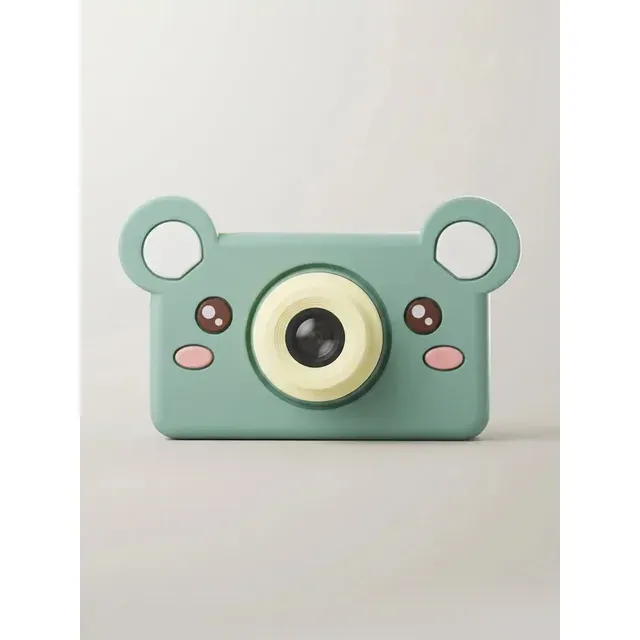
- Kidamento Model C - Buy. The best-built first camera: a food-grade silicone shell, a 1,000mAh battery and a 32GB card in the box, sized for ages 3 to 7.
- Camp Snap 110D - It depends. A screen-free digital camera styled like a 1970s 110 pocket film camera - pure point-and-shoot with no playback screen at all.
- Coco Village My First 4K Digital Camera - Buy. A bright, simple shooter that claims 48MP stills and 1080p video with 32GB built in - the spec sheet for kids who care about it.
- Gofunly H3 Instant Print Camera - Skip. A thermal B&W instant-printer bolted onto a weak camera - the print gimmick that can't rescue the sensor.
The verdict in 30 seconds
What mattered most
- Sensor / video
- Screen
- Battery
- Storage
- Durability
- Gimmick level
A kids camera is the rare gift that is both a toy and a tool: it gets used at birthdays, on trips and in the backyard, and it quietly teaches composition. The trap is that the category splits into two very different products - simple rugged cameras for little kids and real cameras for older ones - plus a gimmicky instant-print tier in between. We compared one of each kind.
The best-built first camera: a food-grade silicone shell, a 1,000mAh battery and a 32GB card in the box, sized for ages 3 to 7.
Best for: The default first camera for kids 3 to 7 - the gift for parents who want durability and simplicity over gadgets.
- Drop-absorbing food-grade silicone case over an ABS body - the camera kids actually survive dropping.
- Up to 12MP interpolated photos and 1440 x 1080 video, which is more resolution than a 4-year-old needs and honest about its limits.
- 1,000mAh rechargeable battery, USB-C charging and a pre-installed 32GB card - nothing to buy separately on Christmas morning.
- Compact and genuinely light for small hands, with a wrist strap and sticker sheet included.
- The 12MP number is interpolated, not a real sensor resolution - photos are softer than the spec sheet implies.
- Roughly $80 CAD puts it above the clone cameras that flood the category, though none of them match the build.
- No games or gimmick features; kids expecting a toy tablet may find it plain by design.
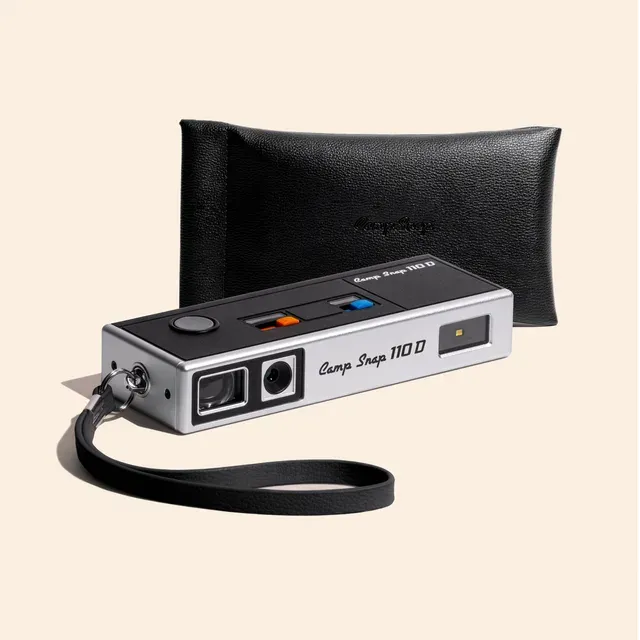
A screen-free digital camera styled like a 1970s 110 pocket film camera - pure point-and-shoot with no playback screen at all.
Best for: Older kids (8+) and screen-limiting households - the gift that teaches photography, not gadget juggling.
- Native 8MP sensor with simple JPEG output - real photos, no upscaling tricks, easy to share anywhere.
- Screen-free by design: no games, no menus, no staring at a display between shots. Kids stay in the moment.
- Five built-in filters (standard, two vintages, analog, black and white) selected on the camera, no app required.
- Quick Draw battery saving and about 500 photos per charge over USB-C; 4GB microSD pre-installed for roughly 2,000 shots.
- Slim 110-style body slips into a pocket or hangs from the included wrist lanyard; carrying pouch included.
- No screen means no instant review - kids under about 6 who want to see each photo will be frustrated.
- No drop-proofing beyond the pouch; this is a real camera in a costume, not a toy that bounces.
- $75 is real money for an 8MP camera with no screen - you are paying for the concept, not the sensor.
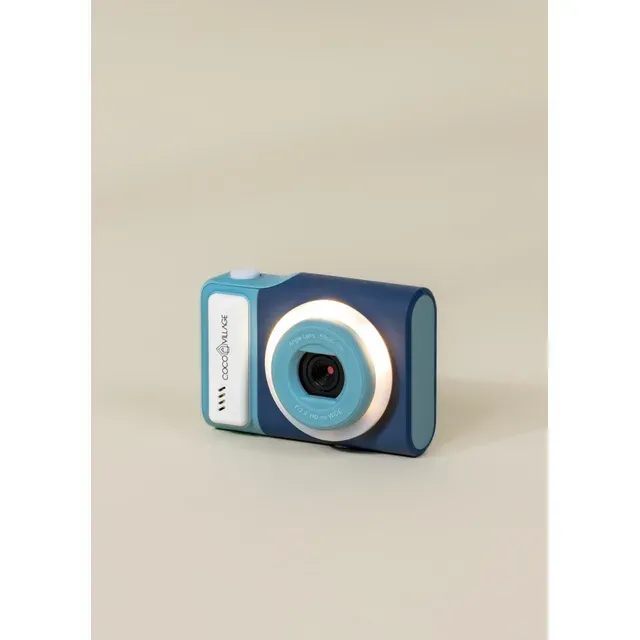
A bright, simple shooter that claims 48MP stills and 1080p video with 32GB built in - the spec sheet for kids who care about it.
Best for: Kids 6 to 10 who want bigger numbers on the box, a selfie mode and their own storage without borrowing a phone.
- 48MP photo resolution (interpolated) and 1080p HD video - the headline specs older kids ask about.
- 32GB of built-in memory holds up to 8,000 photos or about 420 minutes of video, expandable by microSD.
- 2.4-inch screen with a selfie mode, MP3 playback and a compact 6 x 9 cm body - easy on small hands.
- USB charging cable and user guide in the box; colorful finishes kids pick for themselves.
- The 48MP claim is interpolation, not a real sensor - output quality is kid-camera grade, not smartphone grade.
- Plastic body without the Kidamento's food-grade silicone armor; less forgiving of drops.
- MP3 and games creep it toward gadget territory rather than a focused camera.
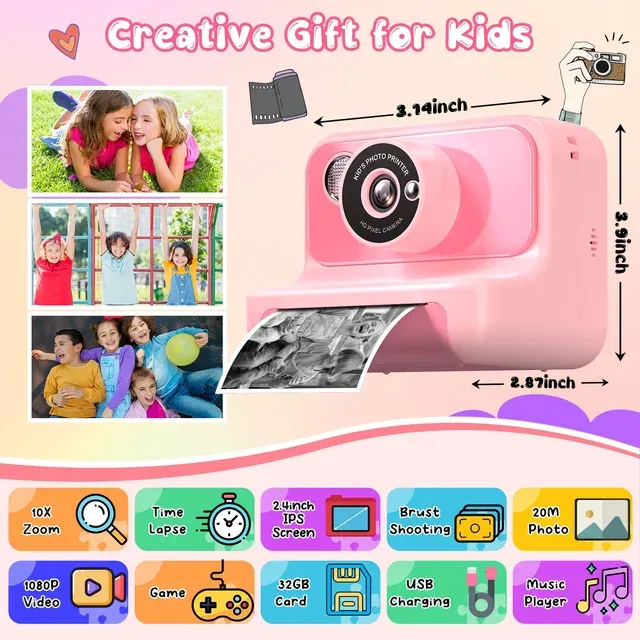
A thermal B&W instant-printer bolted onto a weak camera - the print gimmick that can't rescue the sensor.
Best for: Almost nobody. The print novelty is real but the camera underneath is weak - buy the Kidamento for young kids or the Camp Snap for older ones instead.
- Prints black-and-white thermal photos on the spot and kids do genuinely love the instant output.
- 1,000mAh battery, 32GB card, 3 rolls of print paper and a lanyard all included for about $60.
- 2.4-inch screen, 10x digital zoom, frames, filters and 4 puzzle games - it is loaded with features on paper.
- Thermal prints are tiny, grayscale and fade - this is receipt paper, not a real instant camera.
- The digital photos it actually saves are soft; the print feature masks a mediocre sensor.
- Games, frames, MP3, filters - the feature pile-on makes it a distracted toy, not a camera that teaches photography.
- Print refills and paper costs add up, and the novelty wears off once the first rolls are used.
| Criteria | Kidamento Model C Top pick | Camp Snap 110D | Coco Village My First 4K Digital Camera | Gofunly H3 Instant Print Camera |
|---|---|---|---|---|
| Verdict | Buy it | It depends | Buy it | Skip it |
| Best for | The default first camera for kids 3 to 7 - the gift for parents who want durability and simplicity over gadgets. | Older kids (8+) and screen-limiting households - the gift that teaches photography, not gadget juggling. | Kids 6 to 10 who want bigger numbers on the box, a selfie mode and their own storage without borrowing a phone. | Almost nobody. The print novelty is real but the camera underneath is weak - buy the Kidamento for young kids or the Camp Snap for older ones instead. |
| Price tier | $$ · mid-range | $$ · mid-range | $$ · mid-range | $$ · mid-range |
| Sensor / video | Up to 12MP interp, 1440 x 1080 | Native 8MP, JPEG stills | 48MP interp, 1080p video | Low-res sensor, 1080p claim |
| Screen | Yes, small LCD | None - screen-free by design | 2.4 in LCD + selfie mode | 2.4 in LCD + games |
| Battery | 1,000mAh, USB-C | ~500 photos/charge, USB-C | USB rechargeable | 1,000mAh, USB |
| Storage | 32GB card pre-installed | 4GB microSD, expandable | 32GB built-in + microSD | 32GB card + print paper |
| Durability | Food-grade silicone armor | Camera in a pouch, not rugged | Plastic body, light protection | Plastic body, print mechanism |
| Gimmick level | Low - a real camera | Deliberate - no screen at all | Medium - MP3 and selfie tricks | High - thermal print novelty |
| Best age | 3 to 7 | 8 and up | 6 to 10 | 5 to 10 (novelty) |
| Price class | ~$80 CAD | $75 | $80 CAD | $60 |
Which one is right for you?
- The default first camera for kids 3 to 7 - the gift for parents who want durability and simplicity over gadgets. Buy it Kidamento Model C
- Kids 6 to 10 who want bigger numbers on the box, a selfie mode and their own storage without borrowing a phone. Buy it Coco Village My First 4K Digital Camera
- Older kids (8+) and screen-limiting households - the gift that teaches photography, not gadget juggling. It depends Camp Snap 110D
- Almost nobody. The print novelty is real but the camera underneath is weak - buy the Kidamento for young kids or the Camp Snap for older ones instead. Skip it Gofunly H3 Instant Print Camera
How we judged the field
Kids cameras split into three kinds: rugged first cameras for little kids, real cameras for older ones, and gimmick-tier products that add a feature to hide a weak sensor. We compared the best-built first camera, a screen-free shooter that teaches photography, a spec-forward option for kids who want numbers, and a thermal instant-print camera - on sensor honesty, durability, storage and what a kid actually does with it.
The Kidamento Model C is the first camera to buy for ages 3 to 7. The food-grade silicone case absorbs drops, the ABS body underneath is tough, and the 1,000mAh battery over USB-C means no AA hunt on Christmas morning. A 32GB card comes pre-installed, a wrist strap and sticker sheet are in the box, and the shape is sized for small hands.
Specs are honest about their limits: up to 12MP interpolated photos and 1440 x 1080 video, which is more than a toddler needs and correctly framed as interpolation. There are no games or gimmicks - it is a camera, deliberately. At about $80 CAD it costs more than the clones, but none of them are built like this.
The Camp Snap 110D is the cleverest product here: a digital camera styled like a 1970s 110 pocket film camera, with no screen at all. A native 8MP sensor shoots simple JPEGs, five filters (standard, two vintages, analog, black and white) are selected on the camera itself, and Quick Draw battery saving gives about 500 photos per charge over USB-C. A 4GB microSD card holds roughly 2,000 shots, and the slim body slips into a pocket or hangs from the included lanyard.
Whether it’s right depends entirely on the kid. For ages 8 and up in a screen-limiting household, the missing screen is the point - it forces composition and removes the gadget pull. For younger kids who want to see every photo instantly, it’s a frustration. At $75 you’re paying for a concept, not a sensor, but the concept is a good one.
Coco Village’s My First 4K is the spec-forward pick for the 6-to-10 crowd: a bright, simple camera claiming 48MP photos and 1080p HD video with 32GB built in - up to 8,000 photos or 420 minutes of video - plus a microSD slot. The 2.4-inch screen has a selfie mode, MP3 playback is built in, and the 6 x 9 cm body is light enough for small hands.
The caveat is the same as every kid camera: 48MP is interpolation, not a real sensor, so output is kid-grade rather than smartphone-grade. The plastic body lacks the Kidamento’s silicone armor, and the MP3/games creep toward gadget territory. But for a kid who cares about specs on the box and wants their own storage, it delivers the experience they’re asking for.
The Gofunly H3 sells one feature: a thermal printer that spits out black-and-white photos on the spot. Kids do love the instant output, and the package is generous - 1,000mAh battery, 32GB card, three rolls of print paper, lanyard, 2.4-inch screen, 10x digital zoom, frames, filters, four games - all for about $60.
The problem is what the feature hides. Thermal prints are tiny, grayscale and fade like receipts - this is not a real instant camera. The digital photos it saves are soft because the sensor is weak, and the pile-on of games, frames and MP3 makes it a distracted toy rather than a camera. Paper refills cost money and the novelty wears off once the first rolls run out. Spend the same on the Kidamento or save up for a real instant camera.
Kidamento Model C vs Camp Snap 110D: which should you buy?
These two are the real answer for different kids. The Kidamento is for the 3-to-7 crowd: armored, simple, instant-feedback screen, nothing to configure. The Camp Snap is for the 8-and-up kid who’s ready for actual photography: a real sensor, deliberate no-screen discipline, pocketable retro body.
If the gift is for a preschooler or kindergartener, buy the Kidamento. If it’s for a grade-schooler whose parents are trying to limit screens, buy the Camp Snap. They barely compete - they serve the same gift idea at different ages.
What to look for
- Durability over megapixels: a drop-proof silicone shell survives more Christmases than a high MP count. Kids drop cameras.
- Honest specs: “interpolated” MP means the real sensor is smaller. A real 8MP sensor beats a fake 48MP claim.
- Storage in the box: a camera that needs a separate SD card purchase is a camera that doesn’t work on Christmas morning.
- Rechargeable over AAs: USB-C charging is one less consumable, and 1,000mAh gets a full day of shooting.
- Screen is a feature choice, not a bug: for under-8s it’s the engagement loop; for over-8s, no screen teaches real photography.
- Skip the thermal-print gimmick: instant-print kids cameras output receipt-quality grayscale prints that fade - a weak camera with a printer stapled on.
Our final take
The Kidamento Model C is the first camera most families should buy - drop-proof, simple and honest about its specs. The Camp Snap 110D is the smarter gift for older kids and screen-limiting households. Coco Village’s My First 4K covers the 6-to-10 crowd who want their own storage and bigger numbers. Skip the Gofunly H3: the instant-print novelty can’t cover for a weak sensor, and the prints fade like receipts. Buy the camera that fits the kid’s age, and they’ll take the photos.
Questions, answered
What age is a kids camera good for?
Simple rugged cameras suit ages 3 to 7 - they survive drops, have big buttons and don't need reading. Screen-free or higher-spec cameras (Camp Snap, Coco Village) fit ages 8 and up who can compose a shot without instant feedback. Under 3 is too young for anything but a chew-safe toy.
Are kids instant-print cameras worth it?
Mostly no. The $50-70 instant-print tier (Gofunly and its clones) uses tiny thermal printers that output grayscale, low-contrast prints that fade like receipts. The camera underneath is usually the weakest part. If print matters, a real instant camera (Instax-style) costs more but produces actual photos.
Do kids cameras need a screen?
For ages 3-6, yes - the instant feedback loop of seeing the photo is what keeps them engaged. For ages 8+, a screen-free camera like the Camp Snap is a feature, not a bug: it forces composition instead of chimping and removes the "gadget" pull entirely.
What specs actually matter on a kids camera?
Durability first (a drop-proof silicone shell beats megapixels), then storage (a card in the box so it works on day one) and a real rechargeable battery over AAs. Megapixel counts are almost all interpolated - a "48MP" kids camera is not a real sensor, so don't pay extra for the number.
Should I just give my kid an old smartphone or real camera?
A kids camera is usually better at the youngest ages - it is lighter, tougher and has no phone attached. Around age 8-10 a real used compact or old phone in airplane mode is a viable upgrade, but it lacks the drop armor and the gift-object feel of a camera made for kids.
Deciding between the top two? See our head-to-head: Kidamento Model C vs Coco Village My First 4K Digital Camera.
More Baby & Family reviews
 The Best Kids' Luggage: 4 Compared (and One to Skip)
  The Best Kids Microscopes: 4 Compared (and One to Skip)
  The Best Kids Night Lights: 4 Compared (and One to Skip)
  The Best Kids Science Kits: 4 Compared (and One to Skip)
  The Best Kids Kick Scooters: 4 Compared (and One to Skip)
  The Best Kids Tablets: 4 Compared (and One to Skip)