

Automotive
The Best Portable Jump Starters: 4 Compared (and One to Skip)
We compared four buyable 2026 lithium jump packs on cranking power, safety, recharge speed and real value for car owners.
The short version
A good lithium jump pack is cheap insurance against a dead battery, but ignore the giant peak-amp claims on the box. The NOCO Boost Plus GB40 is the pack to buy for almost everyone, pairing enough cranking power for a typical car with the best safety reputation in the category. Move up to the NOCO Boost X GBX55 if you have a big engine, a diesel, a cold climate, or want fast USB-C recharging. The Antigravity XP-10-G2 makes sense only if you genuinely want a portable power supply that also jumps a car. Skip the Weego 44s: it is well-made and honest about its specs, but you pay mid-range money for entry-level cranking power. Best for: most drivers are best served by the GB40, with the GBX55 as the heavy-duty upgrade.
Our picks at a glance
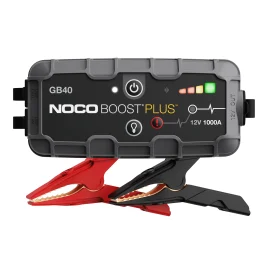
- NOCO Boost Plus GB40 - Buy. The default recommendation: enough cranking power for almost any car, bulletproof safety, and a fair price.
- NOCO Boost X GBX55 - Buy. The step-up pick for bigger engines, cold climates, and anyone who wants fast USB-C recharging.
- Antigravity Batteries Antigravity XP-10-G2 Micro-Start - It depends. A capable jump starter wrapped inside a full portable power supply, complete with laptop and device outputs.
- Weego 44s - Skip. Beautifully built and refreshingly honest about its specs, but you pay mid-range money for entry-level cranking power.
The verdict in 30 seconds
What mattered most
- Peak cranking rating
- Engine size it handles
- Recharge input
- Safety features
- Extra functions
- Size and portability
A lithium jump pack lives in your glovebox and, on the worst morning of your year, starts your car without a second vehicle or a stranger's cables. The category is crowded and the peak-amp numbers on the box are wildly inflated, so we leaned on independent testing and years of owner reports to sort real cranking muscle from marketing. Two of these earn an easy recommendation, one is a smart buy only for the right person, and one is well-made but hard to justify at its price.
The default recommendation: enough cranking power for almost any car, bulletproof safety, and a fair price.
Best for: The vast majority of car and small-SUV owners who want one dependable pack and no fuss.
- 1000A rating comfortably starts most 4- and 6-cylinder gas engines, and many small diesels
- Spark-proof design with true reverse-polarity protection makes it very hard to hurt yourself or the car
- Doubles as a USB power bank and a genuinely bright LED flashlight with SOS mode
- Compact, rugged, and one of the most trusted units in owner reports over many years
- Recharges slowly over the older micro-USB input rather than USB-C
- Can struggle with large V8 or diesel engines in deep cold
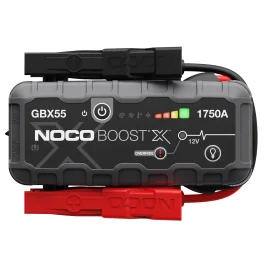
The step-up pick for bigger engines, cold climates, and anyone who wants fast USB-C recharging.
Best for: Owners of trucks, V8s, diesels, or anyone in a cold climate who also wants a fast-charging power bank.
- 1750A rating handles larger gas engines and diesels the GB40 can strain against
- USB-C Power Delivery in and out means it recharges in about an hour and fast-charges phones and laptops
- Manual override mode can force a jump on a deeply discharged battery when smart detection won't engage
- Same well-earned NOCO safety reputation: reverse-polarity protection and spark-proof clamps
- Noticeably more expensive than the GB40 for power most small cars never need
- Larger and heavier than the entry unit
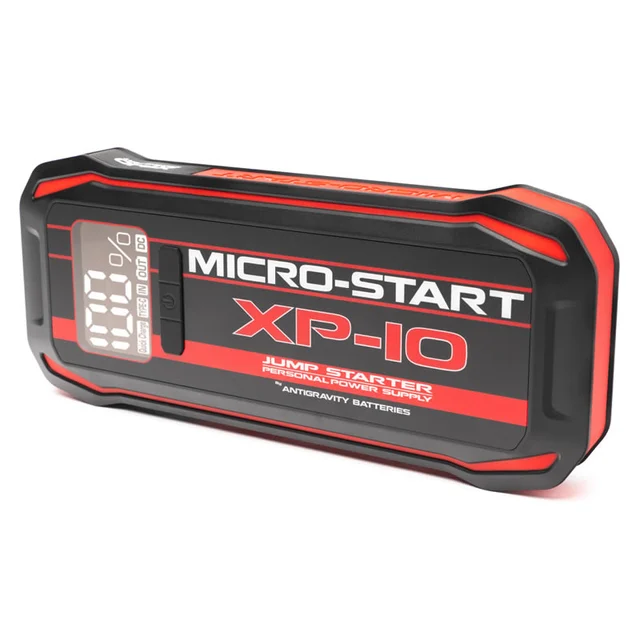
A capable jump starter wrapped inside a full portable power supply, complete with laptop and device outputs.
Best for: Overlanders, van-lifers, and gadget-heavy travelers who want one device to jump the car and run their electronics.
- Multi-voltage outputs charge laptops, phones, and 12V gear in addition to jump-starting
- Strong real-world cranking for cars up to V8, with a bright built-in flashlight
- USB-C on this second-generation model and a large onboard battery for repeated device top-ups
- Ships as a complete kit with clamps, cables, and a carry case
- You pay for power-bank features that a driver who only wants to start a car will never use
- Bulkier than a dedicated pack, and its clamp harness feels less refined than NOCO's
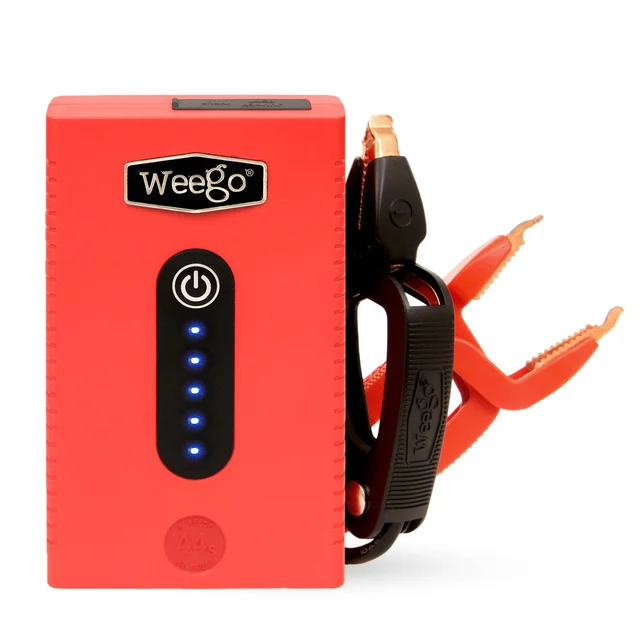
Beautifully built and refreshingly honest about its specs, but you pay mid-range money for entry-level cranking power.
Best for: Motorcycle and small-car owners who specifically want the most compact pack and are willing to pay for it.
- Weego rates conservative, honest cranking amps instead of inflated peak numbers
- Water-resistant housing and smart clamps with reverse-polarity and short-circuit protection
- Genuinely pocketable and pleasant to handle
- Modest cranking output leaves it underpowered for larger engines and cold starts
- Costs about as much as a GB40 that cranks noticeably harder
- The brand's higher-capacity models have thinned out, limiting the step-up path
| Criteria | NOCO Boost Plus GB40 Top pick | NOCO Boost X GBX55 | Antigravity XP-10-G2 Micro-Start | Weego 44s |
|---|---|---|---|---|
| Verdict | Buy it | Buy it | It depends | Skip it |
| Best for | The vast majority of car and small-SUV owners who want one dependable pack and no fuss. | Owners of trucks, V8s, diesels, or anyone in a cold climate who also wants a fast-charging power bank. | Overlanders, van-lifers, and gadget-heavy travelers who want one device to jump the car and run their electronics. | Motorcycle and small-car owners who specifically want the most compact pack and are willing to pay for it. |
| Price tier | $$ · mid-range | $$$ · premium | $$$ · premium | $$ · mid-range |
| Peak cranking rating | 1000A | 1750A | ~600 cranking amps (higher peak) | Modest, honestly rated |
| Engine size it handles | Most 4- and 6-cyl gas, small diesel | Large gas and diesel | Up to V8 gas | Small cars and motorcycles |
| Recharge input | Micro-USB (slow) | USB-C PD (about an hour) | USB-C | Micro-USB / USB-C |
| Safety features | Spark-proof, reverse-polarity | Spark-proof, reverse-polarity, override | Reverse-polarity, short-circuit | Reverse-polarity, short-circuit |
| Extra functions | USB power bank, flashlight | Fast power bank, flashlight | Full power supply, laptop outputs | USB power bank, flashlight |
| Size and portability | Compact | Larger, heavier | Bulkier kit | Most compact |
| Value for the power | Excellent | Strong if you need the power | Good only if you use the extras | Weak for the price |
| Price tier | $$ · mid-range | $$$ · premium | $$$ · premium | $$ · mid-range |
Which one is right for you?
- The vast majority of car and small-SUV owners who want one dependable pack and no fuss. Buy it NOCO Boost Plus GB40
- Owners of trucks, V8s, diesels, or anyone in a cold climate who also wants a fast-charging power bank. Buy it NOCO Boost X GBX55
- Overlanders, van-lifers, and gadget-heavy travelers who want one device to jump the car and run their electronics. It depends Antigravity Batteries Antigravity XP-10-G2 Micro-Start
- Motorcycle and small-car owners who specifically want the most compact pack and are willing to pay for it. Skip it Weego 44s
How we judged the field
We don’t run our own garage lab. Instead, we synthesize independent bench testing, expert teardowns, and the long tail of owner reports that accumulate over years of real winters and dead batteries. That combination is more useful than any single test, because a jump pack’s job is to work on the one cold morning you need it, sometimes years after you bought it.
Four things mattered most. First, real cranking power rather than the inflated peak-amp figure on the box. Second, safety engineering: spark-proof connections and reverse-polarity protection that stop a stressed, distracted person from damaging the car or themselves. Third, recharge speed and how the pack holds a charge in storage. And fourth, honest value, meaning the cranking muscle you actually get for the money, not the feature list.
NOCO Boost Plus GB40 - buy
The GB40 has been the category’s safe answer for years, and nothing here dislodges it. Its 1000A rating comfortably turns over most four- and six-cylinder gas engines and many small diesels, which covers the overwhelming majority of cars on the road. Owners consistently praise how forgiving it is: the spark-proof clamps and reverse-polarity protection mean a first-timer working in the dark is very unlikely to make an expensive mistake. It also earns its keep between emergencies as a USB power bank and a legitimately useful flashlight. The only real knocks are the dated micro-USB charging input, which is slow, and predictable strain against a big V8 or diesel in deep cold. For most people, it is the right purchase and the end of the search.
NOCO Boost X GBX55 - buy
The GBX55 is what you buy when the GB40 isn’t quite enough. Its 1750A rating gives you headroom for larger gas engines and diesels, and the move to USB-C Power Delivery is a bigger deal than it sounds: the pack refills in about an hour and can fast-charge a laptop or phone in a pinch. A manual override mode lets it force a jump on a deeply discharged battery that smart-detection systems would otherwise refuse. It carries the same safety pedigree as the GB40. The trade-offs are simply price and bulk, so it is overkill for a commuter hatchback but ideal for trucks, cold climates, and anyone who wants the power bank to keep up with modern devices.
Antigravity XP-10-G2 Micro-Start - it depends
The XP-10-G2 is really a portable power supply that happens to jump-start a car, and whether that’s smart depends entirely on you. If you want one device that can crank a V8, then run a laptop, top up phones, and power 12V gear on a long trip, it is a genuinely versatile companion and ships as a complete kit. But if all you need is to start a car, you’re paying a premium for outputs and capacity you’ll never touch, in a bulkier body with a clamp harness that feels less polished than NOCO’s. It’s a great buy for overlanders and gadget-heavy travelers, and the wrong buy for a glovebox-only backup.
Weego 44s - skip
This is the hardest verdict, because the Weego 44s is a lovely little product. It is well-built, water-resistant, and refreshingly honest, rating conservative real cranking amps while rivals shout inflated peak numbers. The problem is value. It costs about what a NOCO GB40 does, yet cranks noticeably less, and its modest output leaves it underpowered for larger engines and cold starts. With the brand’s higher-capacity models thinned out, there isn’t a clean step-up path either. Unless you specifically want the most pocketable pack and will pay for that compactness, you get more starting muscle for the same money elsewhere.
NOCO Boost Plus GB40 vs NOCO Boost X GBX55: which should you buy?
This is the real decision for most shoppers, and it comes down to your engine and your climate. The GB40 is the value champion: buy it if you drive a typical car or small SUV, park somewhere with mild winters, and don’t mind slow micro-USB recharging. It will start your car and cost you less.
Step up to the GBX55 if any of three things is true: you have a large gas engine or a diesel, you face genuinely cold winters where batteries and jump packs both lose punch, or you want USB-C Power Delivery so the pack recharges fast and doubles as a serious device charger. You are paying more for power and speed, so only pay it if you’ll use them. If you’re genuinely unsure, the GB40 is the safer default, and it’s the pack we’d hand to a friend without a second thought.
What to look for
- Cranking amps, not peak amps. Match the maker’s stated engine-size support to your car; ignore the giant burst number on the box.
- Reverse-polarity and spark-proof protection. These are the features that keep a stressed, distracted user safe. Treat them as mandatory.
- Recharge input and charge retention. USB-C Power Delivery recharges far faster than micro-USB, and any pack must hold its charge in storage to be useful.
- Real portability. It only helps if it actually lives in your car, so weight and size matter.
- Honest brand track record. Favor units with years of consistent owner reports over newcomers with only inflated spec sheets.
Our final take
Most drivers should stop at the NOCO Boost Plus GB40: it has the power a typical car needs, the best safety reputation in the category, and a fair price. Upgrade to the NOCO Boost X GBX55 if you drive something big, live somewhere cold, or want fast USB-C charging. Consider the Antigravity XP-10-G2 only if you truly want a portable power supply that also jumps a car. And skip the Weego 44s: it’s well-made and honest, but you can get more cranking power for the same money. Whatever you choose, keep it charged, store it out of extreme heat, and never clamp it to a frozen or damaged battery.
Questions, answered
Which clamp goes where, and what happens if I get the polarity wrong?
Connect the red clamp to the battery's positive (+) terminal and the black clamp to a bare metal ground point on the engine or chassis, away from the battery. Every pack here has reverse-polarity protection, meaning it will refuse to send power (and usually beep or flash) if the clamps are backwards, which prevents sparks and damage. That protection is a safety net, not a license to be careless: always double-check the terminals, since older or cheaper units may not protect you as reliably.
Can I use a jump starter on a frozen or damaged battery?
No. Never attempt to jump a battery that is visibly cracked, leaking, swollen, or frozen (ice inside a battery can look like a slushy, distorted case). Jumping a frozen or damaged battery can cause it to rupture or, in rare cases, explode, spraying acid. If the battery is damaged or has been frozen solid, let a professional inspect and replace it rather than trying to force a start.
What do the peak amp numbers actually mean?
Peak amps are a brief, instantaneous burst figure that brands love to print because it looks impressive; cranking amps, the sustained current the pack can actually deliver, matter far more for starting a car. Weego is unusual in rating conservative real cranking amps, while many competitors quote only the flattering peak. When comparing packs, focus on the engine sizes the maker says it supports rather than the biggest number on the box.
Do I need to disconnect anything before jumping my car?
Turn off the ignition and all accessories first. Attach the clamps with the pack powered off, switch it on, then start the engine in short attempts of a few seconds with a pause between tries. Once the car is running, turn the pack off and remove the black (ground) clamp first, then the red one. Recharge the pack soon after so it is ready for the next time.
How should I store a lithium jump pack so it works when I need it?
Keep it charged to roughly half or more and top it up every few months, since lithium cells self-discharge over time and a flat pack cannot start anything. Avoid leaving it in extreme heat, such as a sun-baked glovebox in summer, which shortens battery life. A quick charge check when the seasons change is the single best habit for making sure it delivers on the morning you actually need it.
Deciding between the top two? See our head-to-head: NOCO Boost Plus GB40 vs NOCO Boost X GBX55.
More Automotive reviews
 The Best Leather Conditioners: 4 Compared (and One to Skip)
  The Best LED Headlight Bulbs: 4 Compared (and One to Skip)
  The Best Metal Polishes: 4 Compared (and One to Skip)
  The Best OBD2 Scanners: 4 Compared (and One to Skip)
  The Best Oil Drain Pans: 4 Compared (and One to Skip)
  The Best Paint Sealants: 4 Compared (and One to Skip)