

Beauty & Grooming
The Best At-Home IPL Hair Removal Devices: 4 Compared (and One to Skip)
We compared four current at-home IPL devices on safety sensors, comfort, speed, and long-term value to find the ones worth owning.
The short version
After weighing maker specs and owner reports, the Braun Silk·expert Pro 5 is the best all-around at-home IPL device: its skin-tone sensor sets a safe intensity for you and it treats large areas quickly, though it commands a flagship price. The Ulike Air 10 is the value runner-up, with ice-cooling that owners call the most comfortable IPL they have used and dual lamps that keep sessions short. The Philips Lumea IPL 9000 Series with SenseIQ has the widest attachment set and a 5-year warranty, but its sensor only suggests an intensity and it costs as much as the Braun, so it makes sense mainly if face and bikini attachments matter to you. The Nood Flasher 2.0 is affordable and pleasant but lacks a skin-tone sensor and is slower, and rivals now offer more for similar money. All IPL devices work best on the contrast between dark hair and lighter skin, and none suit very light hair or the darkest skin tones. Best for: light-to-medium skin with dark hair who want salon-style reduction at home, with the Braun for hands-off safety and the Ulike for comfort-per-dollar.
Our picks at a glance
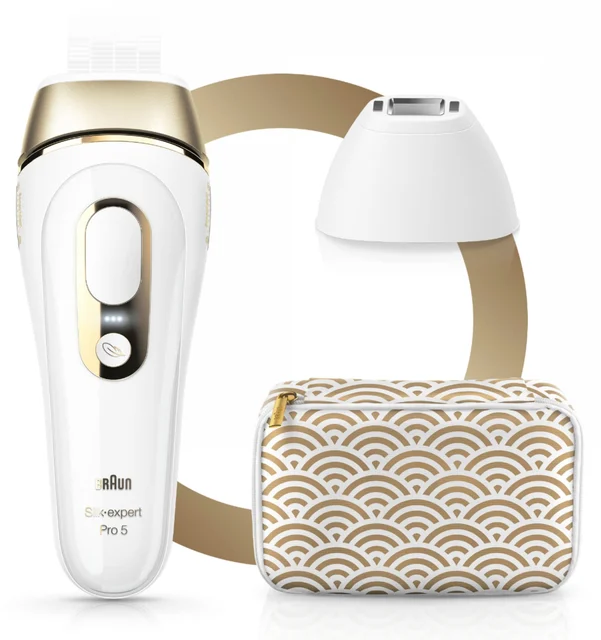
- Braun Silk·expert Pro 5 (PL5137) - Buy. The most complete at-home IPL: a genuinely automatic skin-tone sensor, fast flashing, and a long track record.
- Ulike Air 10 - Buy. The comfort champion: sapphire ice-cooling plus dual lamps make fast, nearly painless full-body sessions.
- Philips Lumea IPL 9000 Series with SenseIQ (BRI984) - It depends. Four curved attachments and the longest warranty here, but its sensor only suggests an intensity and it is slower on legs than the Braun.
- Nood The Flasher 2.0 - Skip. A likeable, affordable handset that simply does less than similarly priced rivals.
The verdict in 30 seconds
What mattered most
- Automatic skin-tone sensor
- Comfort / cooling
- Full-body session speed
- Cordless use
- Lamp life
- Best-suited skin & hair
At-home IPL (intense pulsed light) has gone from novelty to genuinely useful, but the four best-known devices differ far more than their marketing suggests. We weighed maker specs and a large volume of owner reports to sort them out. Two earn a clear buy, one is a strong device that only makes sense for certain shoppers, and one is easy to skip now that better-equipped rivals cost about the same.
The most complete at-home IPL: a genuinely automatic skin-tone sensor, fast flashing, and a long track record.
Best for: Anyone who wants the safest, most hands-off experience and is willing to pay the most for it.
- Skin-tone sensor reads your skin and automatically adjusts each flash for a safe intensity, so there is no manual guesswork
- Braun quotes 5 minutes for both lower legs and about 10 minutes for a full body, gliding over the skin as it flashes automatically
- Rated for 400,000 flashes, with 10 intensity levels and a precision cap for smaller areas
- The most expensive device here, and the sensor lockout will refuse to fire on darker skin tones
- Corded operation means you are tethered to an outlet
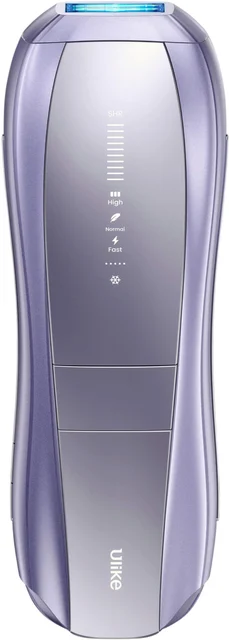
The comfort champion: sapphire ice-cooling plus dual lamps make fast, nearly painless full-body sessions.
Best for: Sensitive users who want speed and comfort without stepping up to flagship pricing.
- Ulike says its ice-cooling holds a 65°F contact temperature, which owners repeatedly describe as the most comfortable IPL they have used
- Two light sources deliver a wide window and quick flashes, so a full-body pass is short
- Ulike's SkinSensor adapts each flash to your skin tone, delivering less energy or none at all, which adds a safety layer
- Costs more than the simpler budget options
- The handset must stay plugged in
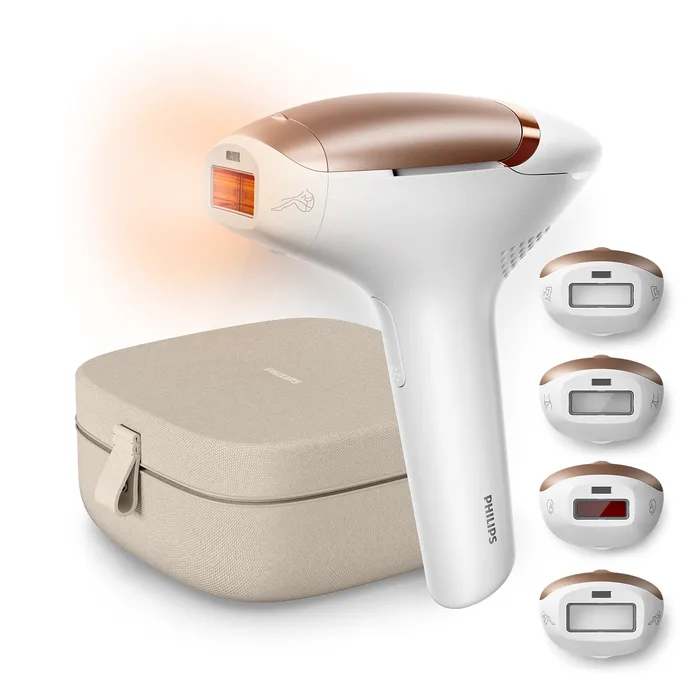
Four curved attachments and the longest warranty here, but its sensor only suggests an intensity and it is slower on legs than the Braun.
Best for: Buyers who want dedicated face, bikini and underarm attachments and a long warranty, and are happy to choose the intensity themselves.
- Four curved attachments (body, face with a red filter, bikini and underarm), the widest set in this group
- Philips states a 5-year global warranty and says this is its first Lumea IPL with both EU MDR and FDA clearance
- A skin contact sensor blocks flashes without skin contact, and a SmartSkin sensor detects skin tone
- Philips says the SmartSkin sensor suggests an intensity; you still pick one of five settings yourself, where the Braun sets it automatically
- Philips quotes 11 minutes for one lower leg, against Braun's 5 minutes for both
- Corded only, on a 2 m cord, and Philips publishes no flash count
- Priced at the top of the market, often as high as the Braun
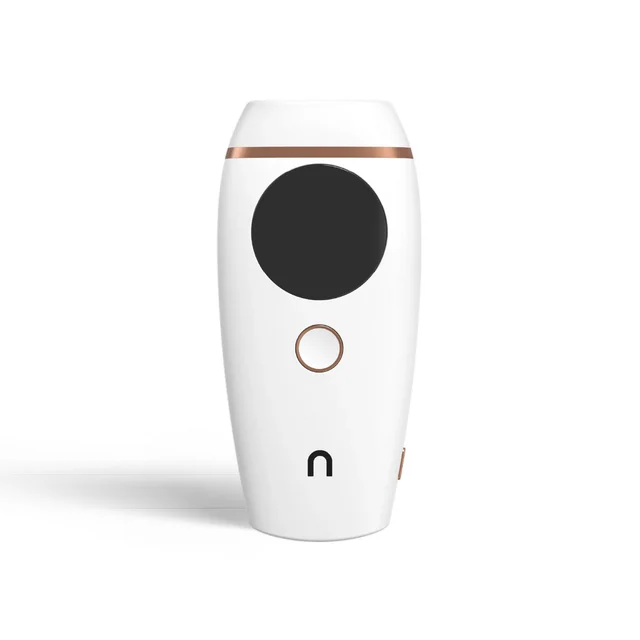
A likeable, affordable handset that simply does less than similarly priced rivals.
Best for: Budget-focused beginners with clearly suitable skin and hair who want the cheapest way in.
- The lowest price of the four and pleasantly simple to operate
- Owners report mild, comfortable flashes and steady reduction with consistent use
- Nood offers a lifetime flash guarantee, with no cartridges to replace
- No automatic skin-tone sensor, so you set intensity yourself and carry more responsibility for using it safely
- Nood lists a 1-second flash rate, slower to cover large areas than the dual-lamp Ulike, which flashes every 0.5 seconds in Fast mode
- For not much more money, competing devices add sensors, cooling, or speed
| Criteria | Braun Silk·expert Pro 5 (PL5137) Top pick | Ulike Air 10 | Philips Lumea IPL 9000 Series with SenseIQ (BRI984) | Nood The Flasher 2.0 |
|---|---|---|---|---|
| Verdict | Buy it | Buy it | It depends | Skip it |
| Best for | Anyone who wants the safest, most hands-off experience and is willing to pay the most for it. | Sensitive users who want speed and comfort without stepping up to flagship pricing. | Buyers who want dedicated face, bikini and underarm attachments and a long warranty, and are happy to choose the intensity themselves. | Budget-focused beginners with clearly suitable skin and hair who want the cheapest way in. |
| Price tier | $$$$ · flagship | $$$ · premium | $$$$ · flagship | $$ · mid-range |
| Automatic skin-tone sensor | Yes, auto-adjusts each flash | Yes, lowers or withholds energy | Detects skin tone, suggests a setting | No, you set intensity manually |
| Comfort / cooling | Fast pulses feel mild on low settings | Active ice-cooling, most comfortable | Red filter on the face attachment | Mild flashes, no active cooling |
| Full-body session speed | Very fast, gliding mode | Very fast, dual lamps | Slower, 11 min per lower leg (Philips) | Slower, 1 flash per second |
| Cordless use | No, corded | No, corded | No, corded (2 m cord) | No, corded |
| Lamp life | 400,000 flashes | Not published by Ulike | Not published by Philips | Lifetime flash guarantee |
| Best-suited skin & hair | Light-to-medium skin, dark hair | Fair-to-medium skin, dark hair | Light-to-medium skin, dark hair | Fair-to-medium skin, dark hair |
| Attachments included | Precision cap | Razor (goggles as a gift offer) | Body, face, underarm, bikini | Minimal, handset-focused |
| Price tier | $$$$ · flagship | $$$ · premium | $$$$ · flagship | $$ · mid-range |
Which one is right for you?
- Anyone who wants the safest, most hands-off experience and is willing to pay the most for it. Buy it Braun Silk·expert Pro 5 (PL5137)
- Sensitive users who want speed and comfort without stepping up to flagship pricing. Buy it Ulike Air 10
- Buyers who want dedicated face, bikini and underarm attachments and a long warranty, and are happy to choose the intensity themselves. It depends Philips Lumea IPL 9000 Series with SenseIQ (BRI984)
- Budget-focused beginners with clearly suitable skin and hair who want the cheapest way in. Skip it Nood The Flasher 2.0
How we judged the field
We do not run our own lab. Instead, we weighed maker specs and a large volume of owner reports to see where these four devices genuinely differ, then weighed the factors that actually affect results and daily use: whether the device has an automatic skin-tone sensor that sets a safe intensity for you, how comfortable each flash feels, how quickly you can cover a large area, whether it runs corded or cordless, lamp longevity, and honest value at each price. IPL is a commitment of several weeks before you judge it, so ease of use and safety features matter as much as raw output. We also kept one hard limit front of mind: every IPL device relies on the contrast between dark hair and lighter skin, so none of them suit very light hair or the darkest skin tones.
Braun Silk·expert Pro 5 (PL5137)
Buy itThis is the device to beat. Its standout feature is a skin-tone sensor that reads your skin and automatically adjusts each flash for a safe intensity, which removes the single biggest source of user error. Braun quotes 5 minutes for both lower legs and about 10 minutes for a full body: you glide it over the skin and it flashes automatically. It runs corded, is rated for 400,000 flashes, and includes a precision cap for smaller areas. The catch is price: it sits at the top of the market, and its sensor will lock out on skin it judges too dark to treat safely. If you want the most hands-off, foolproof experience and will pay for it, this is the one.
Ulike Air 10
Buy itThe Ulike is the value pick that most people will actually be happiest with. Its calling card is sapphire ice-cooling, which Ulike says holds a 65°F contact temperature, and owner after owner describes it as the most comfortable IPL they have tried. Two light sources give it a wide treatment window and quick flashes, so full-body sessions stay short, and its SkinSensor lowers or withholds energy on tones it reads as too dark. It costs more than the budget devices and, like most, must stay plugged in, but for comfort and speed per dollar it is hard to beat.
Philips Lumea IPL 9000 Series with SenseIQ (BRI984)
It dependsThe current US Lumea 9000 is the BRI984, which replaces the cordless BRI958 that Philips’ US catalog no longer lists, and it is now corded only. Its strength is coverage: four curved attachments, a 4.1 cm² body window, a 2 cm² face attachment with a red filter, and 3 cm² bikini and underarm heads. Philips backs it with a 5-year global warranty and says it is its first Lumea IPL with both EU MDR and FDA clearance. A skin contact sensor stops it flashing without contact. The catch is the sensor: Philips says SmartSkin detects your skin tone and suggests an intensity, and you choose from five settings yourself, which is a step down from the Braun’s automatic adjustment. It is also slower, with Philips quoting 11 minutes for one lower leg against Braun’s 5 for both, it publishes no flash count, and the price often matches the flagship Braun. If dedicated face and bikini attachments and a long warranty are what you want, it earns its keep; if not, you can get comparable results for less.
Nood The Flasher 2.0
Skip itThere is nothing wrong with the Nood, and that is almost the problem. It is the cheapest of the four, refreshingly simple to operate, and owners find its flashes mild and its results steady with consistent use, helped by a lifetime flash guarantee and no cartridges to buy. But Nood lists no automatic skin-tone sensor, so intensity selection and safety are on you, and at one flash per second it is slower to cover large areas than the dual-lamp Ulike. Because devices with sensors, cooling, or more speed now cost only a little more, the Nood is the one we would pass on unless the lowest possible entry price is the deciding factor.
Braun Silk·expert Pro 5 vs Ulike Air 10: which should you buy?
These are our two winners, and the choice comes down to what you value. The Braun is the safety and speed leader: its skin-tone sensor means you never guess at settings, and Braun quotes about 10 minutes for a full-body session. It also asks for the highest price in this lineup. The Ulike counters with the comfort that owners rate highest, thanks to active ice-cooling, plus dual lamps that keep sessions fast, all at a lower premium. If you want the most automated, worry-free experience and the budget is there, take the Braun. If you have sensitive skin, want short comfortable sessions, and care about value, the Ulike is the smarter buy for most people.
What to look for
- A skin-tone sensor: automatic intensity setting is the biggest safety and ease-of-use upgrade; only the Nood here omits it.
- Suitability for your coloring: IPL needs dark hair and lighter skin, and does not work on very light, gray, or red hair or the darkest skin tones.
- Comfort features: active cooling, like the Ulike’s, makes a real difference on sensitive areas.
- Speed and window size: wider heads and gliding or dual-lamp designs cut full-body time dramatically.
- Corded vs cordless: cordless helps with awkward angles; corded never stalls on battery. All four here are corded.
- Total cost over time: unlimited-flash devices avoid cartridge costs, but a higher upfront price can still buy meaningful features.
Our final take
For most shoppers this is a two-horse race. The Braun Silk·expert Pro 5 is the most complete and foolproof at-home IPL device, and it is our overall pick for anyone who wants the safest, most automated experience and will pay a flagship price for it. The Ulike Air 10 is the value runner-up and the one we would recommend to the widest audience, thanks to standout cooling comfort and quick sessions at a lower price. The Philips Lumea IPL 9000 Series is worth its premium only if its face, bikini and underarm attachments and 5-year warranty are a priority for you. And the Nood Flasher 2.0, while perfectly pleasant, is outclassed by rivals that offer more for similar money. Whichever you choose, remember that IPL rewards patience and consistency, works only on suitable hair and skin combinations, and is not a substitute for professional advice if you are unsure it is right for you.
Questions, answered
How does at-home IPL actually work, and how long until I see results?
IPL sends broad-spectrum light into the skin, where pigment in the hair follicle absorbs it and converts it to heat that gradually weakens regrowth. Because it relies on the contrast between dark hair and lighter surrounding skin, it works best on that combination. Makers and most owners report visible thinning after a few weeks of consistent use, with the fuller effect after a roughly 8-to-12-week starting schedule followed by occasional top-ups. This is general product information, not medical advice; if you have any doubt about whether IPL is appropriate for your skin, a medical condition, medication you take, or a mole or tattoo in the area, consult a qualified professional before starting.
Is at-home IPL safe for every skin and hair color?
No. Because IPL targets pigment, it is generally effective on fair-to-medium skin with dark hair, and it is not effective on very light, gray, red, or white hair. It is also not recommended for the darkest skin tones, where the light can be absorbed by the skin rather than the follicle. Devices with an automatic skin-tone sensor, like the Braun and Ulike here, will reduce power or refuse to fire on tones they judge unsafe. The Philips detects skin tone and suggests a setting, and the Nood leaves intensity selection to you.
Which device is the most comfortable to use?
Owner reports consistently point to the Ulike Air 10, whose sapphire ice-cooling keeps the contact surface cold and takes the sting out of each flash. The Braun and Philips are described as comfortable at moderate settings, feeling like a warm snap, while the Nood is mild but has no active cooling. Sensation varies by body area and intensity for everyone.
Corded or cordless, and does it matter?
All four devices in this group are corded, including the current Philips Lumea 9000, which Philips lists for corded use on a 2 m cord. That means you are tethered to an outlet but never wait on a battery during a long session. Cordless IPL helps with hard-to-reach spots like the back of the legs, but for most people corded is perfectly workable.
Do I still need to shave, and is IPL permanent?
Yes, you shave before each session so the light targets the follicle below the skin rather than hair on the surface. IPL delivers long-term reduction rather than guaranteed permanent removal; most people need periodic maintenance flashes to keep results, and regrowth that does return tends to be finer and sparser. Results vary by individual, hair type, and how closely you follow the recommended schedule.
Deciding between the top two? See our head-to-head: Braun Silk·expert Pro 5 (PL5137) vs Ulike Air 10.
More Beauty & Grooming reviews
 The Best Jewelry Organizers: 4 Compared (and One to Skip)
  The Best LED Face Masks: 4 Compared (and One to Skip)
  The Best Lighted Makeup Mirrors: 4 Compared (and One to Skip)
  The Best Lip Balms with SPF: 4 Compared (and One to Skip)
  The Best Mineral Sunscreens: 4 Compared (and One to Skip)
  The Best Nail Clippers: 4 Compared (and One to Skip)