

Garden & Outdoor Living
The Best Gas Grills for Backyards: 4 Compared (and One to Skip)
We compared four buyable propane grills on even heat, build quality, searing, and long-term durability to find the ones worth your patio space.
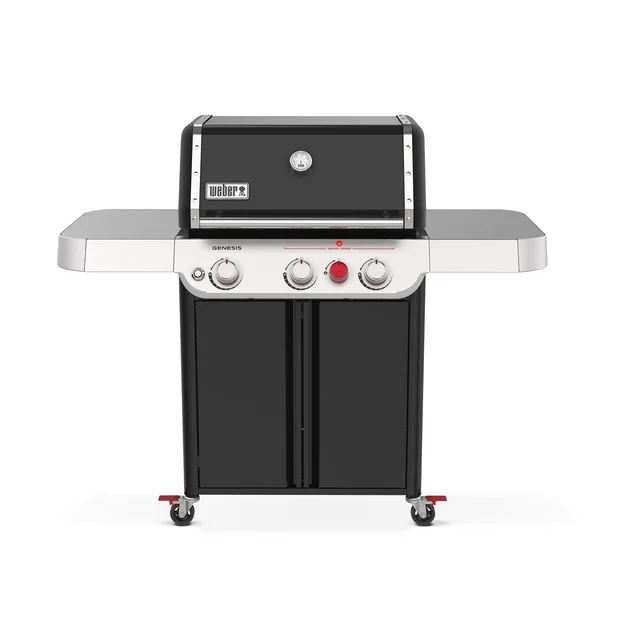
The short version
If you grill regularly and want one grill that lasts, the Weber Genesis E-325 is the pick: the most even heat in the group, a true sear burner, and a build that shrugs off years of use. The 2025 Weber Spirit E-325 is the smarter spend for most families, giving you the same even-heating approach and a new sear-boost burner in a smaller, cheaper cabinet. The Char-Broil Performance 4-Burner is a legitimate budget option - lots of cooking space and features for the money - but expect to fight chipping enamel and thin support. Skip the Nexgrill 5-Burner: its spec sheet dazzles, but owners report uneven heat and early rust that a big BTU number can't fix. Best for: most backyards, the Weber Spirit E-325 hits the sweet spot of quality and price.
Our picks at a glance
- Weber Genesis E-325 (Liquid Propane) - Buy. The grill that does everything well and is built to still be doing it in ten years.
- Weber Spirit E-325 (2025, Liquid Propane) - Buy. Most of the Weber magic - even heat, real searing, honest build - at a mid-range price.
- Char-Broil Performance Series 4-Burner Gas Grill with Side Burner - It depends. A lot of grilling real estate and features for budget money - if you accept the durability trade-offs.
- Nexgrill 5-Burner Propane Gas Grill with Side Burner (Stainless) - Skip. Five burners and a huge BTU number that don't add up to a grill worth buying.
The verdict in 30 seconds
What mattered most
- Even heat & temp control
- Build quality & durability
- Searing power
- Cooking capacity
- Warranty & support
- Assembly
A backyard propane grill is a multi-year purchase, and the specs on the box (burner counts, big BTU numbers) are almost useless for telling the good ones apart. We synthesized independent testing and long-term owner reports to judge four popular models on what actually matters: even heat, real searing power, and whether the thing survives more than a couple of seasons. Two of these are easy recommendations, one is a fine budget buy if you go in with clear eyes, and one looks great on the sticker but earns a skip.
The grill that does everything well and is built to still be doing it in ten years.
Best for: Frequent hosts who want a set-and-forget grill that lasts a decade and cooks evenly every time.
- Tapered PureBlu burners deliver some of the most even heat reviewers measure in the class
- Dedicated high-output Sear Zone burner for genuine steakhouse marks
- Heavy, well-finished build with a long parts warranty owners rarely need to use
- Roomy grate area comfortably feeds a party of 10-15
- A real premium-tier outlay versus big-box grills with similar burner counts
- Large footprint and weight make it a permanent-spot grill, not a mover
Amazon had no buyable listing for this when we last checked. The link still works if it returns.
Find it on Amazon Read our detailed assessmentOwn the Weber Genesis E-325 (Liquid Propane)? Tell us how it held up.
Thanks. Counted, and shown once enough owners have weighed in.
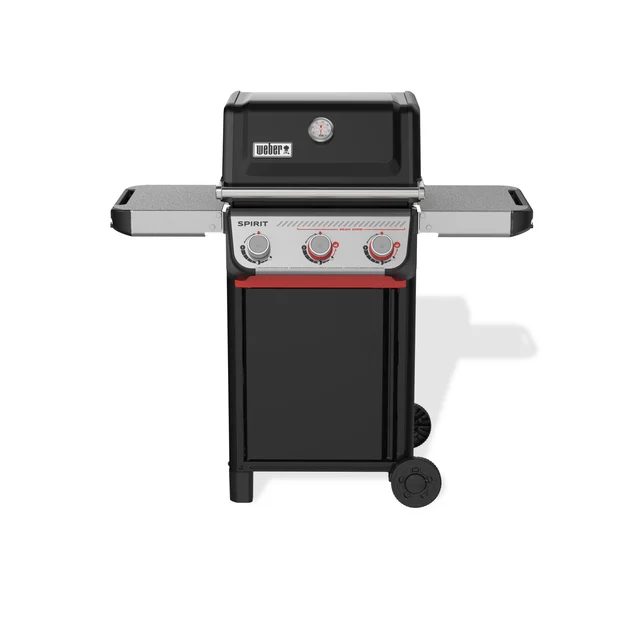
Most of the Weber magic - even heat, real searing, honest build - at a mid-range price.
Best for: Weeknight family grillers who want Weber quality without stepping up to premium money.
- Same even-heating burner philosophy as pricier Webers in a smaller cabinet
- Added Sear Zone boost burner and one-hand Snap-Jet ignition on the 2025 model
- Excellent value: reviewers repeatedly call it the best reliability-per-dollar in its tier
- Compact enough for smaller patios without feeling cramped to cook on
- More painted steel and fewer premium touches than the Genesis
- Primary grate space suits small families more than big weekend crowds
Own the Weber Spirit E-325 (2025, Liquid Propane)? Tell us how it held up.
Thanks. Counted, and shown once enough owners have weighed in.
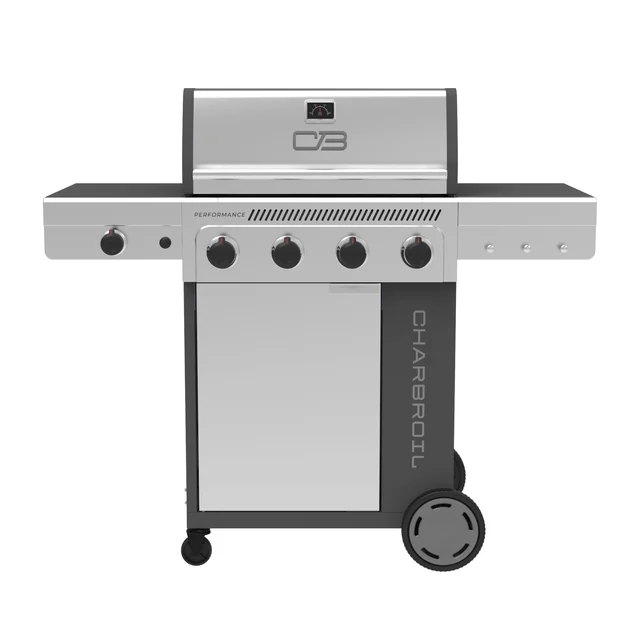
A lot of grilling real estate and features for budget money - if you accept the durability trade-offs.
Best for: Occasional grillers who want maximum size and features for the least money and don't mind babying it.
- Large main cooking area plus a warming rack and a usable side burner
- Cooks well and fairly evenly once it is assembled and dialed in
- Strong feature-for-the-price value for casual, once-or-twice-a-week cooks
- Owners report the enamel coating chips and rusts once scratched
- Assembly is fiddly and customer support is widely described as frustrating
Amazon had no buyable listing for this when we last checked. The link still works if it returns.
Find it on Amazon Read our detailed assessmentOwn the Char-Broil Performance Series 4-Burner Gas Grill with Side Burner? Tell us how it held up.
Thanks. Counted, and shown once enough owners have weighed in.
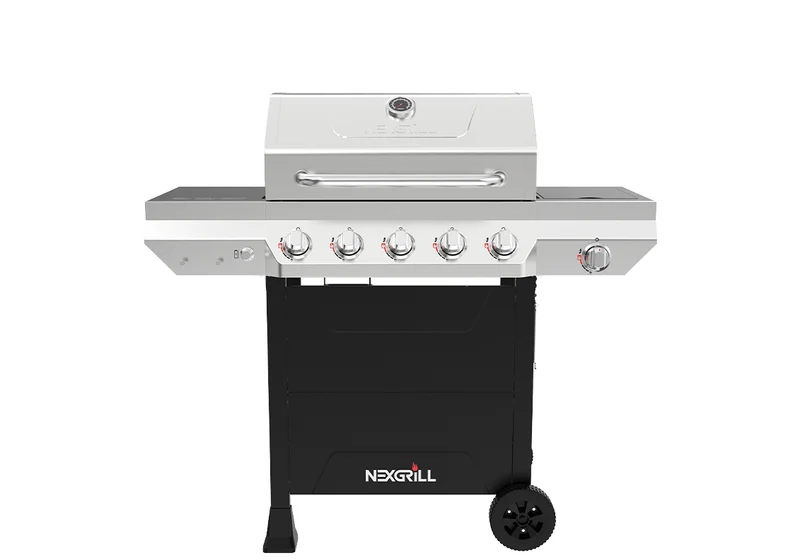
Five burners and a huge BTU number that don't add up to a grill worth buying.
Best for: Few people - the spec sheet flatters a grill that owners struggle to keep alive.
- Impressive spec sheet: five burners, side burner, and a high total BTU rating
- Assembles quickly and heats up fast out of the box
- Owners report uneven heat that pools toward the back of the firebox
- Thin-gauge steel and porcelain grates that chip and rust early, sometimes within a month
- Support commonly calls early rust 'normal wear,' leaving owners on their own
Own the Nexgrill 5-Burner Propane Gas Grill with Side Burner (Stainless)? Tell us how it held up.
Thanks. Counted, and shown once enough owners have weighed in.
| Criteria | Weber Genesis E-325 (Liquid Propane) Top pick Buy it | Weber Spirit E-325 (2025, Liquid Propane) Buy it Buy | Char-Broil Performance Series 4-Burner Gas Grill with Side Burner It depends | Nexgrill 5-Burner Propane Gas Grill with Side Burner (Stainless) Skip it Buy |
|---|---|---|---|---|
| Best for | Frequent hosts who want a set-and-forget grill that lasts a decade and cooks evenly every time. | Weeknight family grillers who want Weber quality without stepping up to premium money. | Occasional grillers who want maximum size and features for the least money and don't mind babying it. | Few people - the spec sheet flatters a grill that owners struggle to keep alive. |
| Price tier | $$$ · premium | $$ · mid-range | $ · budget | $ · budget |
| Even heat & temp control | Excellent - very even across the grate | Excellent - same burner design, smaller area | Good once dialed in; some hot spots | Uneven - heat pools at the back |
| Build quality & durability | Best-in-class, heavy and well-finished | Solid; more painted steel than Genesis | Mixed - sturdy frame, thin enamel that chips | Thin steel; grates rust early |
| Searing power | Dedicated Sear Zone burner | Boost Sear Zone burner (2025) | High BTU but no true sear zone | High total BTU, weak real-world sear |
| Cooking capacity | Large - feeds 10-15 | Moderate - small families | Large main grate plus warming rack | Large on paper across 5 burners |
| Warranty & support | Long parts warranty, strong support | Solid multi-year coverage | Shorter coverage; support gripes common | Limited; support widely criticized |
| Assembly | Straightforward, fewer parts | Straightforward | Fiddly, part-fit complaints | Many parts, alignment issues |
| Price tier | $$$ · premium | $$ · mid-range | $ · budget | $ · budget |
Which one is right for you?
- Frequent hosts who want a set-and-forget grill that lasts a decade and cooks evenly every time. Buy it Weber Genesis E-325 (Liquid Propane)
- Weeknight family grillers who want Weber quality without stepping up to premium money. Buy it Weber Spirit E-325 (2025, Liquid Propane)
- Occasional grillers who want maximum size and features for the least money and don't mind babying it. It depends Char-Broil Performance Series 4-Burner Gas Grill with Side Burner
- Few people - the spec sheet flatters a grill that owners struggle to keep alive. Skip it Nexgrill 5-Burner Propane Gas Grill with Side Burner (Stainless)
How we judged the field
We don’t run our own test kitchen. Instead, we synthesize independent testing and a large volume of long-term owner reports, then weigh them against the things that actually separate a good backyard grill from a bad one. Four criteria did most of the work.
First, even heat - the ability to cook a full grate of food without a scorched back row and a raw front. Second, searing power, meaning a zone that gets genuinely hot for steaks and burgers rather than just warm-everywhere. Third, build quality and durability, which owner reports expose better than any spec sheet: how the steel holds up, whether grate coatings chip, and how fast rust sets in. Fourth, value in context - a budget grill and a premium grill can both be smart buys, so we judged each against what it costs and who it’s for. What we deliberately ignored: raw BTU numbers and burner counts, which flatter cheap grills and tell you almost nothing about how a grill cooks.
Weber Genesis E-325 (Liquid Propane)
Buy itThe Genesis is the grill reviewers keep landing on when they’re allowed to spend real money, and the owner data backs it up. Its tapered burners generate consistent flame along their whole length, which translates to the most even grate temperatures in this group - you can load the whole surface and trust it. A dedicated Sear Zone burner gives you the high, focused heat that budget grills fake with big BTU claims. Just as important is what happens over time: the build is heavy and well-finished, the warranty is long, and owners report years of use without the rust and burn-through that sink cheaper grills. The catch is simply price and size. This is a premium purchase and a big, stay-put appliance. But if you grill often and want to buy once, it’s the clear top pick.
Weber Spirit E-325 (2025, Liquid Propane)
Buy itThe Spirit is where most people should actually look. The 2025 refresh brought the same even-heating burner philosophy down into a smaller, cheaper cabinet and added the touches that used to justify stepping up - a Sear Zone boost burner and a one-hand Snap-Jet ignition. In testing and owner reports it earns the same praise the line always has: it lights every time, cooks evenly, and holds up. You give up some capacity and some of the Genesis’s premium heft and materials, so it’s better suited to small families than to feeding a crowd of fifteen. For the money, though, it’s the strongest reliability-per-dollar grill here, and for a typical backyard it’s the one we’d buy.
Char-Broil Performance Series 4-Burner Gas Grill with Side Burner
It dependsThis is the honest budget pick, and whether it’s right for you comes down to expectations. On the plus side, you get a lot of grill for a little money: a large main cooking area, a warming rack, and a working side burner, and once it’s assembled and dialed in it cooks reasonably evenly. The trade-offs are equally real. Owners report that the porcelain enamel chips easily and rusts once scratched, assembly is fiddly, and customer support is a common frustration. None of that is disqualifying if you’re a casual cook who grills once or twice a week, keeps it covered, and treats it as a few-season grill rather than a decade-long one. Go in expecting to baby it and it’s fine value; expect Weber longevity and you’ll be disappointed.
Nexgrill 5-Burner Propane Gas Grill with Side Burner
Skip itThe Nexgrill is the cautionary tale of this roundup - a grill built to win on the spec sheet. Five burners, a side burner, a big total BTU rating, and a stainless look make it jump out on a store shelf or a listing page. In the backyard, the story changes. Owners repeatedly report heat that pools toward the back of the firebox rather than spreading evenly, so cooking a full grate means constant food-shuffling. Worse are the durability reports: thin-gauge steel and grate coatings that chip and rust early, sometimes within the first month - and support that has told owners early rust is simply ‘normal wear.’ It assembles quickly and heats fast, and that’s about the extent of the good news. When a comparable-money Char-Broil cooks more predictably and Weber’s Spirit outlasts it many times over, there’s no case for buying this one.
Sources
Specs in this review come from these pages.
Weber Genesis E-325 vs Weber Spirit E-325: which should you buy?
This is the decision most serious shoppers actually face, and happily there’s no wrong answer - both are genuinely good. The Genesis is the better grill on every objective axis: more even heat across a bigger surface, a heftier and better-finished build, more capacity for entertaining, and a longer runway before anything wears out. If you host often, cook for big groups, or simply want to buy one grill for the next decade, the extra money is well spent.
The Spirit wins on value, and for most households that’s the deciding factor. The 2025 model closed much of the feature gap with its added sear burner and upgraded ignition, and it brings the same even-heating design into a footprint that fits smaller patios. You’re trading some capacity and some premium materials for a meaningfully lower price. Our rule of thumb: if you regularly cook for more than about six people or want maximum longevity, get the Genesis; otherwise, the Spirit gives you the great majority of the experience for less, and it’s the pick we’d make for a typical backyard.
What to look for
- Even heat over BTUs. A grill that spreads heat evenly beats one with a bigger power number and hot spots. Look for burner designs and reviews that mention consistent grate temperatures.
- A real sear zone. For steaks and burgers you want one area that gets genuinely hot, not just broad medium heat everywhere.
- Build quality and grate coating. Heavier steel and durable grate coatings are what separate a decade-long grill from a two-season one. Chipping enamel is the classic early failure point.
- The right size, not the biggest. Three burners feed most families with room for two-zone cooking; only go bigger if you truly cook for crowds.
- Warranty and support reputation. Long parts coverage and a support team that honors it are worth real money when something fails.
- Fuel type. Propane for portability and no install; natural gas for cheaper fuel and no refills if you can run a line.
Our final take
Buy the Weber Genesis E-325 if you cook often and want the best all-around grill that will still be going strong in ten years - it leads on even heat, searing, and durability. For most backyards, though, the 2025 Weber Spirit E-325 is the smarter spend, delivering the same even-heating approach and a new sear-boost burner in a smaller, cheaper package. The Char-Broil Performance 4-Burner is a fair budget choice if you want maximum size and features for the least money and accept that you’ll need to baby it. And skip the Nexgrill 5-Burner: its spec sheet is the best thing about it, and owners pay for that later in uneven heat and early rust. Buy on even heat and build, not on burner counts, and you’ll be happy with your grill for years.
Questions, answered
Propane or natural gas - which should I get?
Propane is the default for most backyards: the tank makes the grill portable and there's no installation. Natural gas means you never refill a tank and fuel is cheaper per cook, but it requires a gas line run to your patio and locks the grill in place. Most of these models are sold in both versions, so choose based on whether you already have (or want to pay for) a gas line.
Do more burners or higher BTUs mean a better grill?
No, and this is the single biggest trap when shopping. A well-designed grill directs heat efficiently to the cooking surface, so a lower-BTU Weber can out-cook a cheaper grill claiming far more power. Burner count mainly affects cooking-zone flexibility and size, not quality. Judge grills on even heat and build, not on the biggest number on the box.
How many burners do I actually need?
For most families, three burners is plenty - it gives you enough surface for a full meal plus room to set up a two-zone fire for indirect cooking. Step up to four or more only if you regularly cook for large groups or want a dedicated side burner. A quality three-burner beats a flimsy five-burner almost every time.
Cast iron or stainless steel cooking grates?
Porcelain-coated cast iron holds heat well and leaves great sear marks, but if the coating chips it will rust, which is exactly the failure owners report on budget models. Stainless grates resist rust better and need less babying. Either works if the coating quality is good; on cheap grills, grate coating is often the first thing to fail.
How long should a gas grill last, and how do I make it last?
A budget grill may give you two to four seasons; a well-built one can run a decade or more. The difference is partly metal quality and partly care: use a cover, clean the grates, empty the grease tray, and store or shield it from constant weather. Rust and burner burn-through are the usual killers, and both are slowed dramatically by keeping the grill covered and dry.
Deciding between the top two? See our head-to-head: Weber Genesis E-325 (Liquid Propane) vs Weber Spirit E-325 (2025, Liquid Propane).
More in Garden & Outdoor Living
Gas Grills, Explained Plain-English guide → Weber Genesis E-325 (Liquid Propane) vs Weber Spirit E-325 (2025, Liquid Propane) Head-to-head →  The Best Grill Brushes: 4 Compared (and One to Skip)
  The Best Cordless Hedge Trimmers: 4 Compared (and One to Skip)
  The Best Garden Hose Reels: 4 Compared (and One to Skip)
  Which Lawn Spreader Should You Buy?