

Garden & Outdoor Living
The Best Fire Pits: 4 Compared (and One to Skip)
We compared four patio fire pits across propane and smokeless wood-burning designs on heat, smoke, build, portability, and value.
The short version
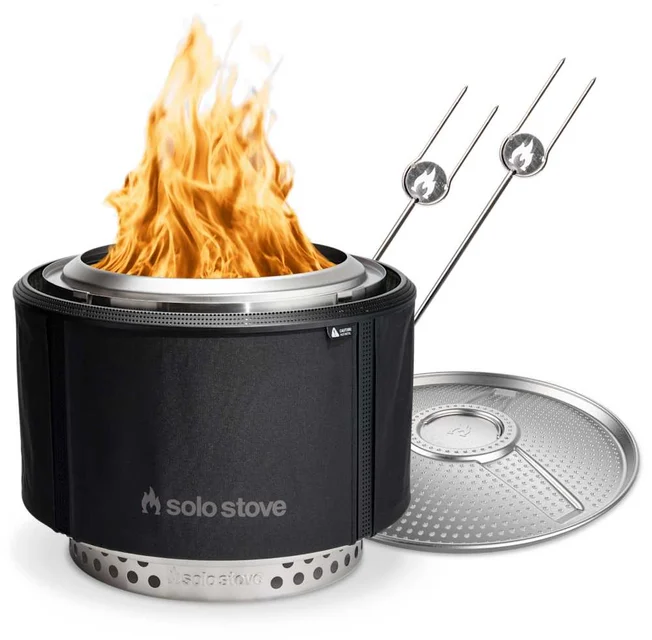
For a patio, the Solo Stove Bonfire 2.0 is the smart default: a low-smoke wood fire, light enough for one person to move, and a tip-and-empty ash pan. Cooks and buy-it-for-life types should spend up for the Breeo X Series 24, a heavy American-made pit built to grill over - just plan to leave it put. If you can't or won't burn wood, the Outland Living Cypress propane pit is a genuine "depends": instant, smokeless, deck- and fire-ban-friendly, but a gas flame with no real embers. Skip the BioLite FirePit+ for patio duty - it's a clever packable camping fire-and-grill whose small, battery-fan-dependent firebox is overkill for a fixed patio and underpowered as its centerpiece. Best for: patio owners who want the most fire with the least smoke and fuss should start with the Solo Stove Bonfire 2.0.
Our picks at a glance
- Solo Stove Bonfire 2.0 - Buy. The smokeless wood-burning pit that gets the balance of size, weight, and clean burn right for most patios.
- Breeo X Series 24 - Buy. A heavy, American-made smokeless pit built to cook on and last decades - if you never plan to move it.
- Outland Living Cypress Fire Pit - It depends. Easy-start propane with no smoke, no ash, and no wood run - as long as you can live without real embers.
- BioLite FirePit+ - Skip. A clever battery-fan campfire-and-grill that's overkill for a fixed patio and underpowered as its centerpiece.
The verdict in 30 seconds
What mattered most
- Fuel type
- Heat for a patio
- Smoke performance
- Build & durability
- Portability
- Cooking ability
A patio fire pit splits neatly into two camps: smokeless wood-burning bowls that chase the crackle of a real fire with far less smoke, and propane units that trade embers for push-button convenience. We weighed four popular 2026 models against maker specs and owner reports. Two earn a clear buy, one is a genuine "it depends," and one is a fine product that most patio shoppers should skip.
The smokeless wood-burning pit that gets the balance of size, weight, and clean burn right for most patios.
Best for: Most patio owners who want the least-smoke wood fire with the least hassle.
- Double-wall 360-degree airflow delivers a genuinely low-smoke burn once it's up to temperature
- Light enough for one person to move or store off-season
- The 2.0 update adds a removable base plate and ash pan, so cleanup is a tip-and-empty job
- Stainless steel build and a warranty backed by the maker
- Radiant heat is modest - it warms a close circle, not a whole patio
- Cooking needs extra accessories that add up quickly
Amazon had no buyable listing for this when we last checked. The link still works if it returns.
Find it on Amazon Read our detailed assessmentOwn the Solo Stove Bonfire 2.0? Tell us how it held up.
Thanks. Counted, and shown once enough owners have weighed in.
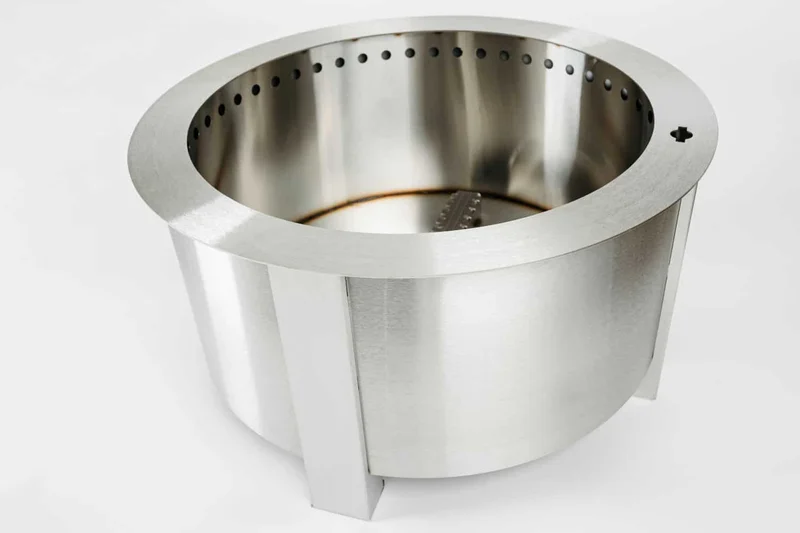
A heavy, American-made smokeless pit built to cook on and last decades - if you never plan to move it.
Best for: Owners who want a year-round centerpiece and plan to cook over the fire.
- Heavy-gauge 304 stainless or corten steel construction built for long life
- Purpose-built for live-fire cooking with the Outpost grate - burgers, cast iron, even a whole chicken
- Secondary combustion produces a clean, tall flame with little smoke
- Made in Pennsylvania with a limited lifetime warranty
- Weighs over 60 pounds, so it is realistically a two-person lift and a permanent fixture
- Premium price, and cooking accessories push it higher
Own the Breeo X Series 24? Tell us how it held up.
Thanks. Counted, and shown once enough owners have weighed in.
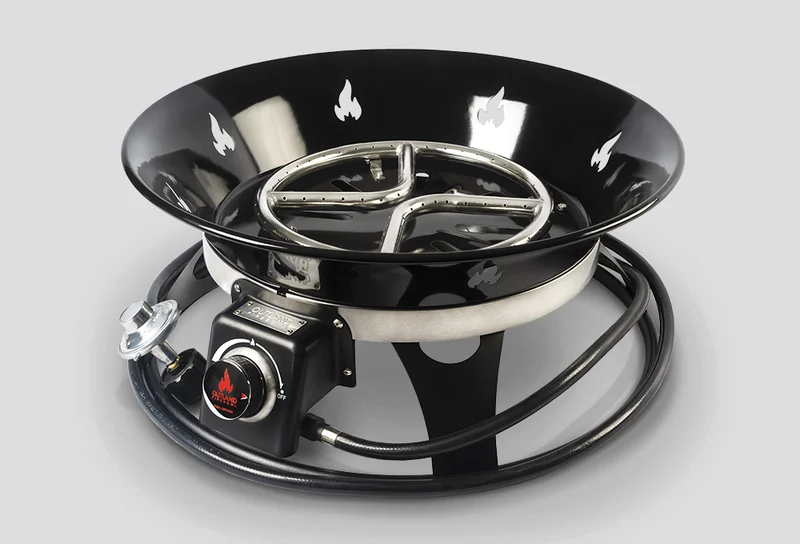
Easy-start propane with no smoke, no ash, and no wood run - as long as you can live without real embers.
Best for: Deck dwellers, fire-ban areas, and anyone who values convenience over campfire authenticity.
- Instant on and instant off - no fire-tending, no smoke, no ash to shovel
- Listed by Outland as CSA approved for use during most fire bans (check local rules)
- Fairly light at 26 lb, with a pre-attached hose and regulator for a 20 lb propane tank
- Rated up to 58,000 BTU per hour
- It's a gas flame over lava rock - you lose the crackle, ember glow, and smell of real wood
- You're tethered to a 20 lb propane tank that needs somewhere to hide and refills
- Not smokeless in the combustion sense - there's simply no wood to smoke
Own the Outland Living Cypress Fire Pit? Tell us how it held up.
Thanks. Counted, and shown once enough owners have weighed in.
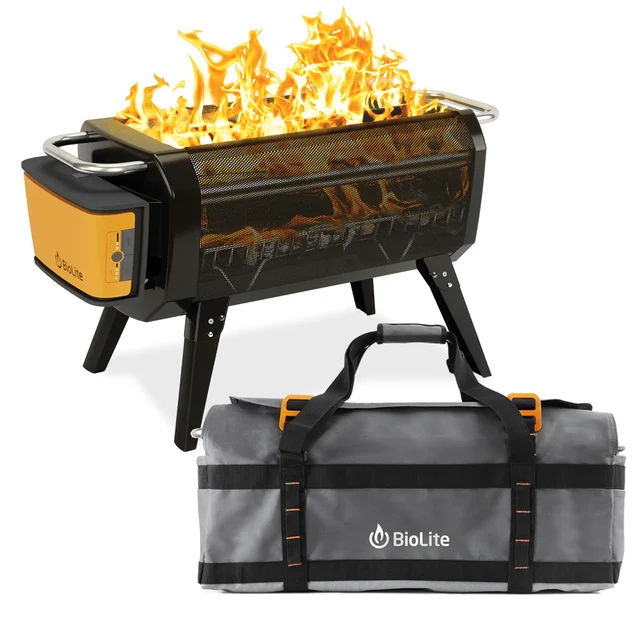
A clever battery-fan campfire-and-grill that's overkill for a fixed patio and underpowered as its centerpiece.
Best for: Campers and tailgaters who want one packable fire-and-grill - not patio owners.
- X-ray mesh sides and a fan-fed burn make for lively, visible flames
- Burns firewood or charcoal and includes a grill grate for hibachi-style cooking
- Folding legs and an included carry bag make it packable for camping and tailgating
- Small firebox throws limited heat - it struggles to warm a patio group
- The smokeless claim leans on the rechargeable fan; when the battery's flat, so is the airflow
- You pay a premium for portability features a stationary patio never uses
Own the BioLite FirePit+? Tell us how it held up.
Thanks. Counted, and shown once enough owners have weighed in.
| Criteria | Solo Stove Bonfire 2.0 Top pick Buy it | Breeo X Series 24 Buy it Buy | Outland Living Cypress Fire Pit It depends Buy | BioLite FirePit+ Skip it Buy |
|---|---|---|---|---|
| Best for | Most patio owners who want the least-smoke wood fire with the least hassle. | Owners who want a year-round centerpiece and plan to cook over the fire. | Deck dwellers, fire-ban areas, and anyone who values convenience over campfire authenticity. | Campers and tailgaters who want one packable fire-and-grill - not patio owners. |
| Price tier | $$ · mid-range | $$$ · premium | $ · budget | $$ · mid-range |
| Fuel type | Wood (smokeless) | Wood (smokeless) | Propane gas | Wood or charcoal (fan-assisted) |
| Heat for a patio | Moderate, close-in warmth | Strong, sustained | Up to 58,000 BTU/hr | Limited - small firebox |
| Smoke performance | Very low once hot | Very low once hot | No wood smoke at all | Low only with fan running |
| Build & durability | Stainless steel | Heavy-gauge 304 stainless or corten, limited lifetime warranty | Powder-coated steel, 304 stainless burner | Steel and mesh, adds a battery to fail |
| Portability | Light - one-person lift | Heavy - two-person lift (over 60 lb) | Light and packable | Very packable, folding legs |
| Cooking ability | Good with accessories | Excellent - built to cook | None (gas fire only) | Grill grate included |
| Setup & cleanup | Fast; removable ash pan | Simple; heavy to reposition | Instant on/off, no ash | Fan and battery to manage |
| Price tier | $$ · mid-range | $$$ · premium | $ · budget | $$ · mid-range |
Which one is right for you?
- Most patio owners who want the least-smoke wood fire with the least hassle. Buy it Solo Stove Bonfire 2.0
- Owners who want a year-round centerpiece and plan to cook over the fire. Buy it Breeo X Series 24
- Deck dwellers, fire-ban areas, and anyone who values convenience over campfire authenticity. It depends Outland Living Cypress Fire Pit
- Campers and tailgaters who want one packable fire-and-grill - not patio owners. Skip it BioLite FirePit+
How we judged the field
We don’t run our own burn lab. Instead we weighed maker specs and a wide read of owner reports, then weighed the things that actually decide whether you love a patio fire pit a year later: how much smoke it really produces, how much usable heat it throws, how it’s built and warrantied, how easy it is to move and clean, and whether it can do double duty as a cooker. Because the topic spans two very different technologies, we deliberately included both smokeless wood-burning bowls and a propane unit, and we held each to the standard its own buyers care about. Price is treated in tiers rather than exact figures, since fire-pit pricing swings with bundles and season.
A note on the word “smokeless”: every wood pit here can still smoke at startup and when you add fresh or damp logs. The double-wall designs cut smoke dramatically once hot - that’s the honest bar we judged against, not a literal zero.
Solo Stove Bonfire 2.0
Buy itThe Bonfire 2.0 is the pit we’d hand most patio owners without a second thought. Its 360-degree airflow drives a secondary burn that is designed to be low-smoke once it’s up to temperature, and the flame it produces is tall and clean. What sets it apart from heavier rivals is livability: it is light enough for a one-person carry, so it moves out of the way for a party or into the garage for winter. The 2.0 revision fixed the old cleanup gripe by adding a removable base plate and ash pan - you tip it, empty it, and you’re done. Heat is the honest limitation; it warms the circle around it rather than a whole deck, and cooking means buying into accessories. For the money, it’s the best all-rounder.
Breeo X Series 24
Buy itIf the Solo Stove is the sensible default, the Breeo X Series 24 is the heirloom. It’s a thick, heavy, Pennsylvania-made pit that is built from heavy-gauge 304 stainless or corten steel for long life, and it’s built from the ground up to cook on - pair it with the Outpost grate and you’ve got room for burgers, a cast-iron pan, or a spatchcock chicken over a clean secondary-burn flame. The catch is right there in the spec sheet: at over 60 pounds it’s a two-person lift and, realistically, a permanent fixture. You buy this one knowing where it will live for the next decade. It costs more than the Solo Stove and the cooking gear adds up, but for people who want a year-round centerpiece and genuinely cook outdoors, it earns every bit of the premium.
Outland Living Cypress Fire Pit
It dependsThe Cypress is the answer to “what if I can’t or won’t deal with wood?” It lights manually, with a control knob to shut it off, and produces a bright flame with no smoke, no ash, and no trip to the woodpile. Because Outland lists it as CSA approved and it throws no embers, it is frequently allowed on decks and during wood-fire bans where the others aren’t. Those are real, meaningful advantages - which is why this is a genuine “depends” and not a skip. But you should go in clear-eyed: this is a gas flame over lava rock, so you give up the crackle, the ember glow, and the smell that make a fire feel like a fire. You’re also tethered to a 20 lb propane tank that needs a hiding spot and periodic refills. For the right buyer it’s a smart, affordable choice; for someone chasing campfire romance, it will disappoint.
BioLite FirePit+
Skip itThe FirePit+ is a genuinely clever product - X-ray mesh sides, a battery-powered fan that feeds the flames, wood-or-charcoal flexibility, and an included grill grate - and for camping or tailgating it’s a treat. On a patio, though, it’s the wrong tool. The firebox is small, so it throws limited heat for a group; it is more about the show than the warmth. Its low-smoke performance leans on that battery-powered fan, which means the cleanest burn depends on a charge and adds one more component that can fail. And you’re paying a mid-range price largely for portability a stationary patio never uses. Nothing here is broken - it’s simply mismatched to the job. Buy it if you want one packable fire-and-grill for the road; skip it as your patio centerpiece.
Sources
Specs in this review come from these pages.
Solo Stove Bonfire 2.0 vs Breeo X Series 24: which should you buy?
This is the real decision for most wood-fire shoppers, and it comes down to one question: will your pit move, or stay put? The Solo Stove Bonfire 2.0 is the lightweight, low-fuss pick - one-person portable, quick to clean, and cheaper - and both use a double-wall secondary burn for low smoke. The Breeo X Series 24 answers with heavy-gauge American-made steel, and a cooking surface the Solo Stove can’t match without a cart of accessories, at a much higher weight and price.
Choose the Solo Stove if you value flexibility, easy storage, and the best value - it’s the better fit for the majority of patios. Choose the Breeo if the pit will live in one spot year-round and you actually plan to grill over it. Both are genuinely good; they’re simply built for different owners.
What to look for
- Fuel that fits your life: wood for real flames and cooking; propane for instant, smoke-free, deck- and ban-friendly convenience.
- A real secondary-burn design if you want low smoke from a wood pit - double walls and airflow holes, not just a marketing label.
- Weight you can live with: decide up front whether you need to move and store it, or whether it’s a permanent fixture.
- Cleanup features like a removable ash pan; they matter more over a season than any spec.
- Heat for the space: bigger bowls warm more people - compact pits are for close-in ambiance, not whole-patio heat.
- Deck and burn-ban rules: confirm local codes, and favor propane units listed as CSA approved or a proper heat shield for decks.
- Warranty and materials: stainless or heavy-gauge steel plus a lifetime warranty signal a pit that lasts.
Our final take
For most patios, start with the Solo Stove Bonfire 2.0 - it delivers the cleanest wood fire with the least weight and the least hassle, and it’s priced to say yes to. Cooks and forever-buyers should spend up for the Breeo X Series 24, a heavy, superbly built pit made to grill over, as long as they’re happy to leave it in one place. If wood isn’t practical, the Outland Living Cypress is a legitimate propane alternative that trades embers for effortless, smoke-free, deck-friendly warmth. The BioLite FirePit+ is the odd one out here: a fine camping companion, but the wrong buy for a patio. Match the fuel and the format to how you’ll actually use it, and any of the first three will earn its spot in the yard.
Questions, answered
Are smokeless fire pits actually smokeless?
No - "smokeless" is relative. Double-wall pits like the Solo Stove and Breeo use a secondary burn that dramatically cuts smoke once the fire is hot and you're using dry, seasoned wood. Expect some smoke at startup, when adding fresh logs, or when the wood is damp. They're far cleaner than a traditional open pit, not literally smoke-free.
Propane or wood-burning - which is better for a patio?
It depends on what you value. Wood pits (Solo Stove, Breeo) give you real flames, crackle, and the smell of a fire, plus the option to cook over them. Propane (Outland) trades all of that for instant on/off convenience, zero ash, no wood storage, and - because there's no wood smoke - easier use on decks and during many burn bans. Neither is universally 'better'; pick the trade-off you'll actually enjoy.
Can I put a fire pit on a wooden deck?
With caution and the right setup. Propane units like the Outland Cypress are often an easier deck choice, especially with a heat shield or barrier mat. Wood-burning pits can get very hot at the base and should sit on a stand plus a protective mat rather than directly on boards. Always leave clearance from railings, walls, and anything overhead, and confirm your local codes.
Will a fire pit actually keep me warm?
A wood pit warms a close circle rather than a whole yard; bigger bowls like the Breeo X Series 24 push more heat than compact units. Propane pits give steady, controllable warmth for their size. The BioLite's small firebox is the weakest heater here, which is part of why we steer patio buyers elsewhere. For real warmth, size up and sit close.
Are fire pits allowed during burn bans?
Often the two types are treated differently: wood-burning pits are usually restricted first, while propane units like the Outland, which Outland lists as CSA approved, are frequently still permitted because they produce no embers or wood smoke. Rules vary widely by city, county, and HOA, so always check your local restrictions before lighting up.
Deciding between the top two? See our head-to-head: Solo Stove Bonfire 2.0 vs Breeo X Series 24.
More in Garden & Outdoor Living
Fire Pits, Explained Plain-English guide → Solo Stove Bonfire 2.0 vs Breeo X Series 24 Head-to-head →  The Best Garden Hoses: 4 Compared (and One to Skip)
  The Best Garden Kneelers: 6 Compared (and One to Skip)
  The Best Gas Grills for Backyards: 4 Compared (and One to Skip)
  The Best Grill Brushes: 4 Compared (and One to Skip)