

Health & Wellness
The Best Ear Wax Removal Kits: 4 Compared (and One to Skip)
We compared softening drops, an irrigation bottle, a camera ear pick and ear candles against the guidance of ear, nose and throat specialists and the FDA.
The short version
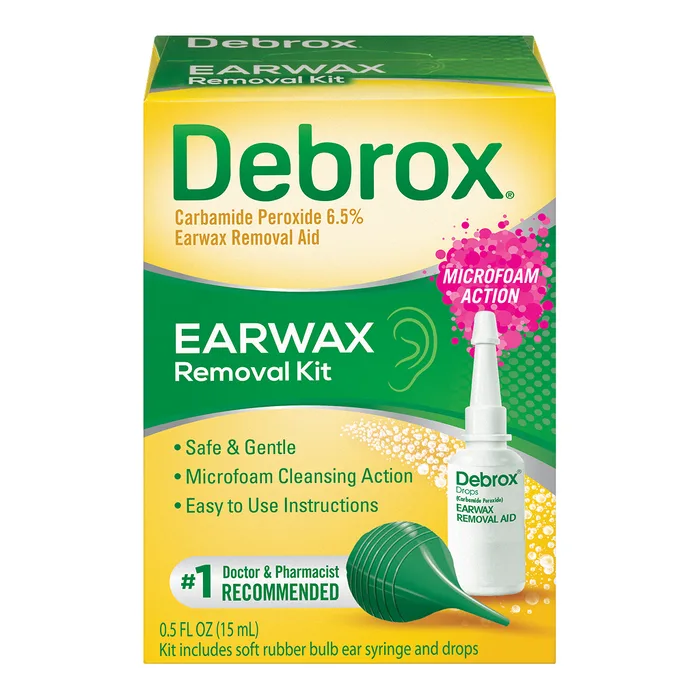
The Debrox Earwax Removal Kit is our pick: 6.5% carbamide peroxide drops that foam and soften wax, plus a soft rubber bulb syringe to rinse it out, matching the drops-then-irrigation approach ear specialists describe. The Elephant Ear Washer is the upgrade for stubborn wax, a trigger-spray irrigation bottle invented by a physician and used in medical offices. The Bebird EarSight M9 lets you see inside the ear canal, but it also puts a tool inside it, which is where most home injuries start. Skip ear candles like Wally's Natural: the FDA says there is no validated evidence they work and considers them dangerous when used as labeled. Best for: people with occasional wax buildup and healthy eardrums.
Our picks at a glance
- Debrox Earwax Removal Kit - Buy. Carbamide peroxide drops that soften wax, plus a bulb syringe to rinse it out.
- Doctor Easy Elephant Ear Washer - Buy. A physician-designed trigger spray bottle that makes rinsing out softened wax easier.
- Bebird EarSight M9 Ear Cleaner - It depends. A camera ear pick that lets you see inside the canal, but still puts a tool where specialists advise caution.
- Wally's Natural Beeswax Ear Candles - Skip. Popular beeswax ear candles that the FDA says are unproven and dangerous when used as labeled.
The verdict in 30 seconds
What mattered most
- Method
- Enters the ear canal
- Supported by
- Main risk
- Includes
- Ages
Most ears clean themselves, but some people build up enough wax to muffle hearing or cause discomfort. The home options range from drops and gentle irrigation to camera-equipped ear picks and ear candles. Ear specialists and the FDA have been clear about which of these are sensible and which are not. We compared a drops-and-syringe kit, a physician-designed irrigation bottle, a camera ear cleaner and a best-selling brand of ear candles.
Carbamide peroxide drops that soften wax, plus a bulb syringe to rinse it out.
Best for: Most adults with occasional wax buildup and no ear problems.
- 6.5% carbamide peroxide drops foam on contact to soften and loosen wax.
- Includes a soft rubber bulb ear syringe for gently flushing with warm water after treatment.
- Clear directions: 5 to 10 drops, twice daily for up to four days, for adults and children over 12.
- Works gradually over several days rather than in one session.
- Mild bubbling or crackling sounds while the drops work, which Debrox says is normal.
- Not for people with ear drainage, pain, dizziness, a perforated eardrum or recent ear surgery without a doctor's advice.
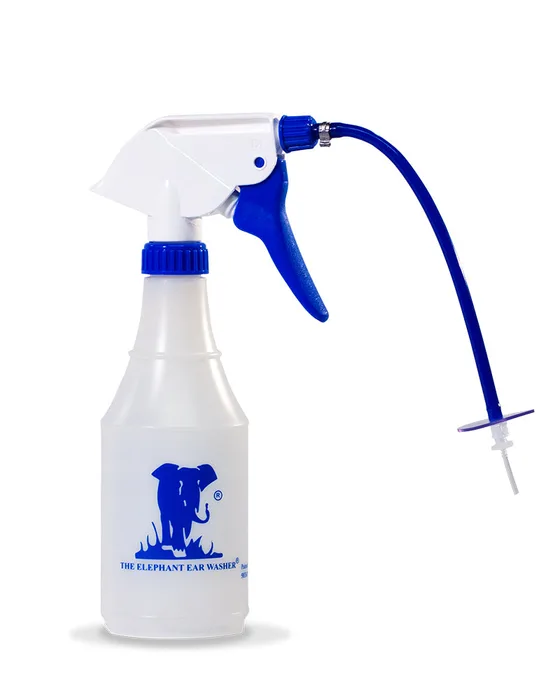
A physician-designed trigger spray bottle that makes rinsing out softened wax easier.
Best for: People with stubborn wax who have healthy eardrums and want a more thorough rinse.
- Invented by a physician and sold to medical professionals since 1997.
- Trigger spray bottle replaces repeatedly refilling a bulb syringe.
- Comes with 3 disposable tips to avoid cross contamination.
- Irrigation is not suitable for everyone; ear specialists advise caution with diabetes, a perforated eardrum, ear tubes or ear canal skin problems.
- Use body-temperature water; cold water can cause dizziness.
- Messier than drops alone; you need a basin and a towel.
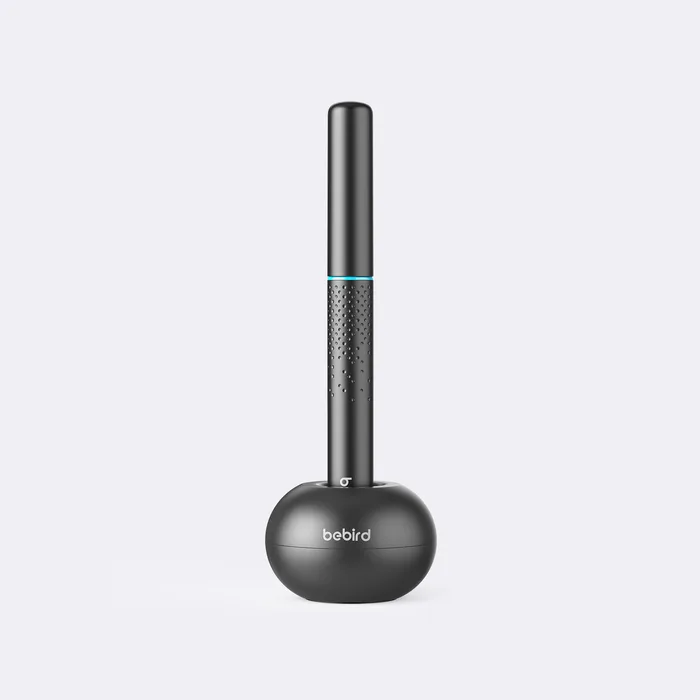
A camera ear pick that lets you see inside the canal, but still puts a tool where specialists advise caution.
Best for: People who want to check their ears and are disciplined about looking rather than digging.
- 1080P camera with 6 LED lights and an app for real-time viewing and recording.
- Lets you see whether wax is actually present before doing anything.
- Comes with a storage stand to keep tips clean.
- It is still a pick inside the ear canal, and specialists warn that most cleaning attempts push wax deeper or risk injury.
- A camera view does not make it safe to remove wax near the eardrum.
- Bebird's marketing about reducing doctor visits is not a substitute for seeing a clinician when something is wrong.
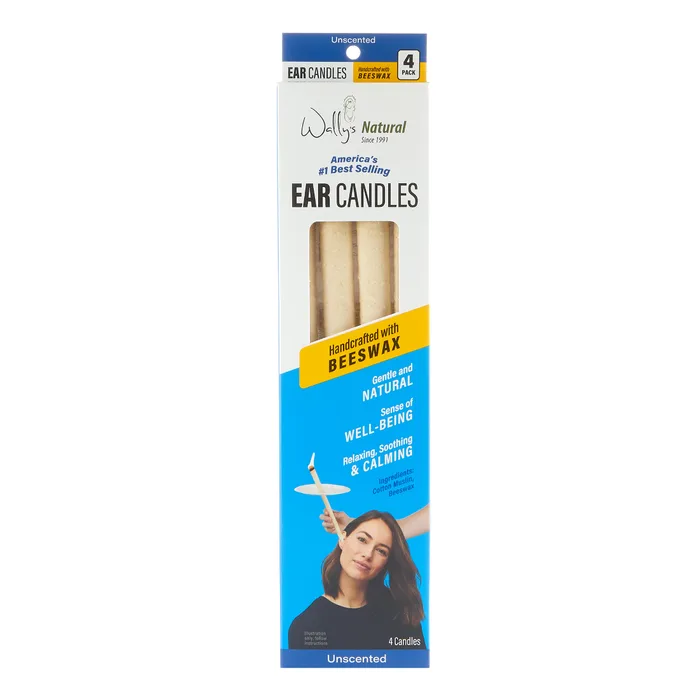
Popular beeswax ear candles that the FDA says are unproven and dangerous when used as labeled.
Best for: No one looking to remove ear wax.
- Widely sold in several waxes and scents.
- Inexpensive per candle.
- No chemicals go into the ear canal.
- The FDA says there is no validated scientific evidence that ear candles remove ear wax.
- The FDA considers ear candles dangerous when used according to their labeling, citing the risk of burns to the face, hair and ear.
- The FDA has an import alert for detaining ear candles at the border.
- Using an open flame near the face to treat a problem it does not solve is the wrong trade-off.
| Criteria | Debrox Earwax Removal Kit Top pick | Doctor Easy Elephant Ear Washer | Bebird EarSight M9 Ear Cleaner | Wally's Natural Beeswax Ear Candles |
|---|---|---|---|---|
| Verdict | Buy it | Buy it | It depends | Skip it |
| Best for | Most adults with occasional wax buildup and no ear problems. | People with stubborn wax who have healthy eardrums and want a more thorough rinse. | People who want to check their ears and are disciplined about looking rather than digging. | No one looking to remove ear wax. |
| Price tier | $ · budget | $$ · mid-range | $$ · mid-range | $ · budget |
| Method | Softening drops + bulb rinse | Trigger spray irrigation | Camera-guided ear pick | Burning candle |
| Enters the ear canal | Drops and water only | Water via disposable tip | Yes, a pick | Candle placed at the canal |
| Supported by | Specialist guidance on drops and irrigation | Specialist guidance on irrigation | Camera helps you see; picks need caution | FDA: no validated evidence |
| Main risk | Irritation; not for perforated eardrums | Not for diabetes, perforation, ear tubes | Scratches or pushing wax deeper | Burns to face, hair and ear |
| Includes | Drops + soft bulb syringe | Bottle + 3 disposable tips | Camera tool + stand | Candles |
| Ages | 12 and over; under 12 ask a doctor | Not specified | Not specified | Not applicable |
| Ongoing cost | Replacement drops | Replacement tips | Replacement tips | More candles |
| Best for | Most people | Stubborn wax | Checking, not digging | No one |
Which one is right for you?
- Most adults with occasional wax buildup and no ear problems. Buy it Debrox Earwax Removal Kit
- People with stubborn wax who have healthy eardrums and want a more thorough rinse. Buy it Doctor Easy Elephant Ear Washer
- People who want to check their ears and are disciplined about looking rather than digging. It depends Bebird EarSight M9 Ear Cleaner
- No one looking to remove ear wax. Skip it Wally's Natural Beeswax Ear Candles
How we judged the field
Five things matter for home ear wax care: whether the method is supported by ear specialists, what it puts inside the ear canal, who should not use it, how easy it is to use correctly, and what it costs to keep using. Safety comes first, because the ear canal is delicate and the eardrum sits at the end of it. We leaned on the guidance of ear, nose and throat specialists and the FDA rather than product claims.
The field splits into softening drops, irrigation, tools that go into the canal, and ear candles. Specialists describe drops and irrigation as home options, warn that most cleaning attempts push wax deeper, and the FDA has warned against ear candles. We picked one product from each approach and compared them against that guidance.
The Debrox Earwax Removal Kit follows the approach ear specialists describe for home care: soften the wax, then rinse it out. The drops contain 6.5% carbamide peroxide, which releases oxygen and foams on contact to soften and loosen wax, and Debrox notes you may hear mild bubbling or crackling while it works. You use 5 to 10 drops, keep them in for several minutes, and repeat twice a day for up to four days, then gently flush any remaining wax with warm water using the included soft rubber bulb syringe. It is labeled for adults and children over 12. Debrox’s warnings are worth reading: ask a doctor first if you have ear drainage, pain, irritation, dizziness, an injury or hole in the eardrum, or recent ear surgery, and stop if wax remains after four days. For most people with occasional buildup, this is the right place to start.
The Doctor Easy Elephant Ear Washer makes the rinse step more effective. It was invented by a general practice physician who wanted an efficient way to remove wax, and Doctor Easy says it has been sold to medical professionals since 1997. Instead of repeatedly refilling a bulb syringe, you fill a trigger spray bottle and flush through a disposable tip, three of which are included. Doctor Easy also suggests softening stubborn wax with drops first. Irrigation is not for everyone, though. Ear specialists advise caution if you have diabetes, a hole in the eardrum, an ear tube, skin problems such as eczema in the ear canal, or a weakened immune system. Use body-temperature water, since cold water can cause dizziness, and expect some mess. With healthy ears and stubborn wax, it is the most thorough home rinse here.
The Bebird EarSight M9 puts a camera on the end of an ear pick. A 1080P camera with 6 LED lights streams to an app, so you can see and record the inside of your ear canal, and a stand keeps the tool and tips tidy. Seeing whether wax is actually there is genuinely useful, since many people clean ears that do not need it. The problem is the second half of the tool. It is still a pick inside the ear canal, and ear specialists warn that most cleaning attempts push wax deeper and can injure the eardrum. A clear picture does not make scraping near the eardrum safe. Bebird’s suggestion that it can reduce doctor visits is marketing, not medical advice. If you use it to look, and leave removal to drops, irrigation or a clinician, it can help. If it tempts you to dig, skip it.
Wally’s Natural Beeswax Ear Candles are one of the best-known brands of a product the FDA has repeatedly warned about. Ear candling involves lighting the top of a hollow wax cone placed at the ear canal. The FDA says there is no validated scientific evidence that ear candles work for their intended use, and considers them dangerous when used according to their labeling because a lit candle near the face carries a high risk of burns to the skin, hair and ear. The FDA also maintains an import alert that allows ear candles to be detained at the border. Wally’s sells them in beeswax, paraffin and soy, in several scents and pack sizes, and they are cheap. None of that changes the evidence. For wax that needs removing, softening drops and gentle irrigation do the job without an open flame next to your face.
Debrox Earwax Removal Kit vs Doctor Easy Elephant Ear Washer: which should you buy?
The Debrox kit and the Elephant Ear Washer work best together rather than as rivals. Debrox softens wax over a few days and includes a basic bulb syringe for rinsing. The Elephant Ear Washer replaces that bulb with a trigger spray bottle that makes the rinse faster and more thorough.
Start with Debrox. If wax remains after the recommended days and you have healthy ears, add the Elephant Ear Washer for the rinse. If you have diabetes, an eardrum problem or ear tubes, skip irrigation entirely and see a clinician.
What to look for
- Soften first: drops make wax easier and gentler to remove.
- Rinse, do not dig: irrigation removes softened wax without putting a tool deep in the canal.
- Clear warnings: good products tell you who should not use them.
- Body-temperature water: cold water in the ear can cause dizziness.
- Disposable or cleanable tips: they keep ear tools hygienic.
- No flames: ear candles are unproven and risky according to the FDA.
Our final take
For most people, soften and rinse. The Debrox Earwax Removal Kit is our pick because its peroxide drops and bulb syringe follow the approach ear specialists describe. The Elephant Ear Washer is worth adding if wax is stubborn and your ears are healthy. A camera tool like the Bebird EarSight M9 can help you see, but it is not a license to dig. Skip ear candles like Wally’s Natural: the FDA says they are unproven and dangerous. If you have pain, drainage, dizziness or hearing loss, see a clinician. Children under 12 should see a doctor first.
Questions, answered
Do I need to remove ear wax at all?
Usually not. Ear wax protects the ear canal, and in most people it moves out on its own. It becomes worth treating when it builds up enough to muffle hearing or cause discomfort. If you are not sure, a clinician can look and tell you.
Why not use cotton swabs?
Ear, nose and throat specialists warn that most cleaning attempts push wax deeper into the ear canal, which narrows partway in, and can cause blockage. Swabs can also accidentally injure the eardrum. Keep them to the outer ear.
Are ear drops safe?
Specialists describe mineral oil, baby oil, glycerin, commercial drops and peroxide-based drops as options for softening wax. Follow the label and stop if you have pain, drainage or dizziness. Do not use drops if you have or suspect a hole in the eardrum unless a doctor tells you to.
Who should not irrigate their ears at home?
Ear specialists advise caution with irrigation if you have diabetes, a hole in the eardrum, a tube in the eardrum, skin problems such as eczema in the ear canal, or a weakened immune system. In those cases, ask a doctor instead. Use body-temperature water to avoid dizziness.
When should I see a doctor?
See a clinician if home treatment does not help, if wax blocks your hearing, or if you have ear pain, drainage, bleeding or dizziness. An ENT specialist can prescribe drops or remove wax by washing or suction. Children under 12 should see a doctor before using drops.
Deciding between the top two? See our head-to-head: Debrox Earwax Removal Kit vs Doctor Easy Elephant Ear Washer.
More Health & Wellness reviews
 The Best Earplugs for Sleeping: 4 Compared (and One to Skip)
  The Best Electric Heated Blankets: 4 Compared (and One to Skip)
  The Best Escape Ladders: 4 Compared (and One to Skip)
  The Best Essential Oil Diffusers for Home: 4 Compared (and One to Skip)
  The Best Eye Wash Stations: 4 Compared (and One to Skip)
  The Best Fire Extinguishers: 4 Compared (and One to Skip)