

Outdoors & Fitness
The Best Composters: 4 Compared (and One to Skip)
We compared outdoor tumblers, a hot stationary bin, and two electric countertop units on speed, capacity, pest resistance, and what the output actually is.
The short version
If you have any outdoor space, a real composter beats an electric one: the Maze Easy-Turn tumbler is our pick for most people thanks to its dual chambers and effort-saving geared handle, while the insulated HOTBIN 200L is the fastest stationary option and keeps working through winter. Electric countertop units are a different tool entirely: the FoodCycler Eco 5 is a solid food-waste reducer for apartments, but understand it makes dehydrated ground scraps you still have to finish in soil, not compost. The Lomi 3 does the same core job while marketing it as compost, and charges more plus pod costs for the privilege, so we skip it. Buy an electric unit only if an outdoor bin is truly impossible. Best for: yard owners who want faster, pest-resistant compost, with the FoodCycler as the no-yard backup.
Our picks at a glance
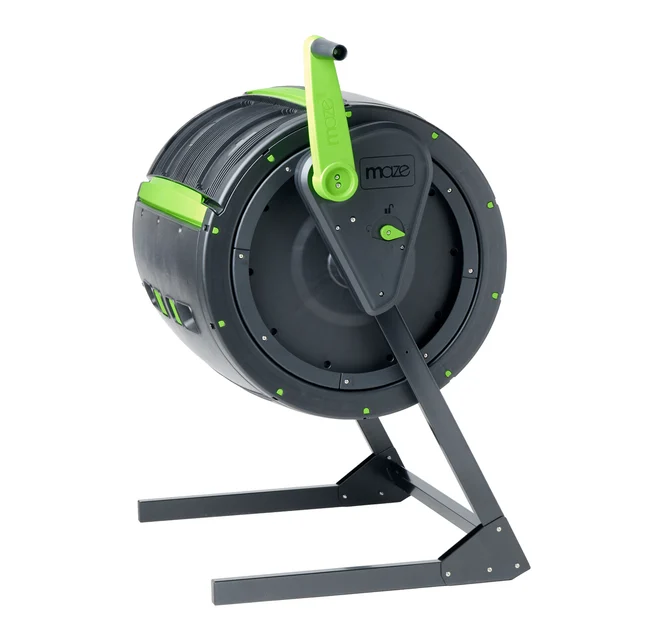
- Maze Easy-Turn 65 Gal Compost Tumbler - Buy. A big dual-chamber barrel with a geared crank that makes turning a full load genuinely easy.
- HOTBIN 200L Composter - Buy. An insulated stationary bin that holds real heat, composting fast and even through winter.
- FoodCycler Eco 5 - It depends. A quiet countertop unit that shrinks food scraps into a dry crumble in hours; useful, but it is not finished compost.
- Lomi 3 - Skip. Marketed as making "compost" on your counter, but it mostly dehydrates and grinds, for a premium and ongoing pod costs.
The verdict in 30 seconds
What mattered most
- Type
- Capacity
- Turning / aeration
- Speed to usable output
- Pest & odor resistance
- What the output is
"Composter" now covers three very different machines: barrel tumblers you crank in the yard, insulated stationary bins that run hot, and countertop electric units that hum on your kitchen counter. They do not produce the same thing, and one popular category barely makes compost at all. We synthesized independent testing and a large pool of owner reports to sort the genuinely useful from the over-marketed. The result is two easy buys, one that depends entirely on your living situation, and one to skip.
A big dual-chamber barrel with a geared crank that makes turning a full load genuinely easy.
Best for: Most households with a yard who want faster, tidier, pest-resistant compost without babysitting a pile.
- Two internal chambers let you cure a finished batch while still feeding the other side
- Geared handle turns a heavy, wet load with far less effort than a bare drum
- Sealed barrel and off-ground stand keep rodents out and speed things up versus an open pile
- Batch tumblers hold less than a big stationary bin, so heavy garden waste can overwhelm it
- Plastic-and-steel assembly takes patience and produces best results only when you balance greens and browns
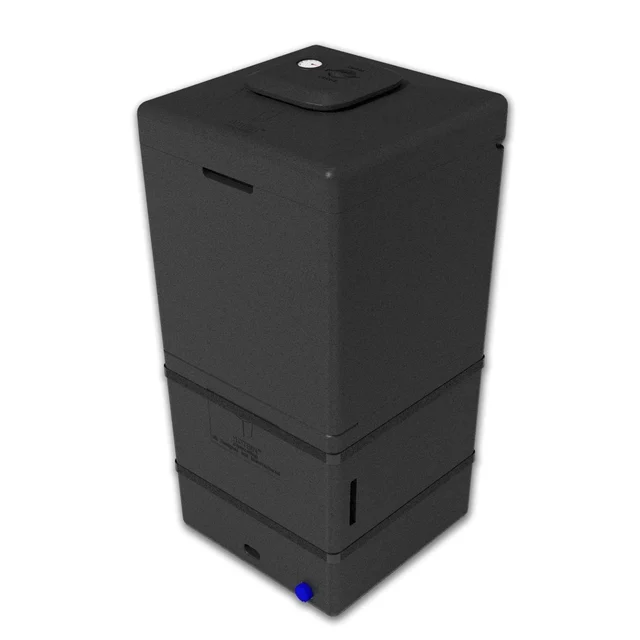
An insulated stationary bin that holds real heat, composting fast and even through winter.
Best for: Serious gardeners who generate steady waste year-round and want the fastest finished compost from a stationary unit.
- Thick insulated walls trap the heat compost generates, so it works quickly and keeps going in cold weather
- Continuous feed with a large capacity handles kitchen scraps and garden waste together
- Sealed body with a filtered valve controls odor and resists pests better than an open bin
- Premium price for what is still a static bin
- Needs the right mix, moisture, and bulking material to hit and hold temperature; ignore that and it stalls
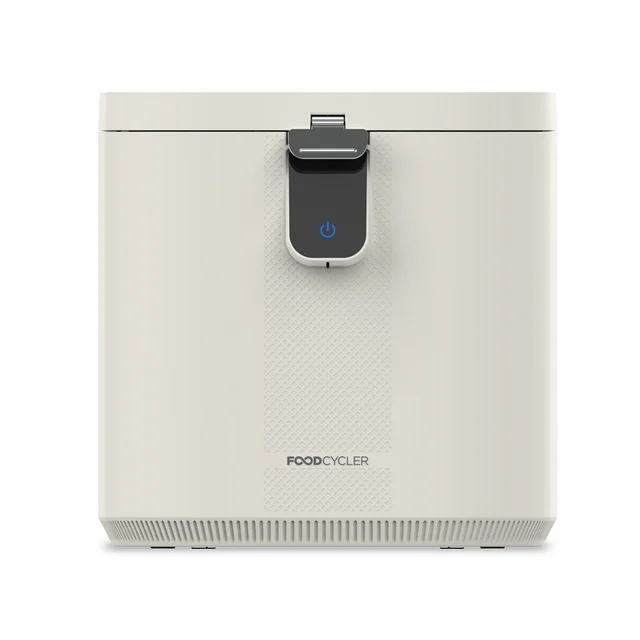
A quiet countertop unit that shrinks food scraps into a dry crumble in hours; useful, but it is not finished compost.
Best for: Apartment and no-yard households who want to cut food waste and odor and will finish the crumble in soil or a green-bin program.
- Dries and grinds scraps overnight with little noise or smell, ideal where an outdoor bin is impossible
- Big volume reduction makes trash lighter and keeps food waste out of a stinky kitchen caddy
- No proprietary pods required, and running costs are modest per cycle
- The output is dehydrated ground scraps, not cured compost; it still needs to be mixed into soil or a real bin to break down
- Carbon filters are a recurring replacement cost, and it runs on grid electricity
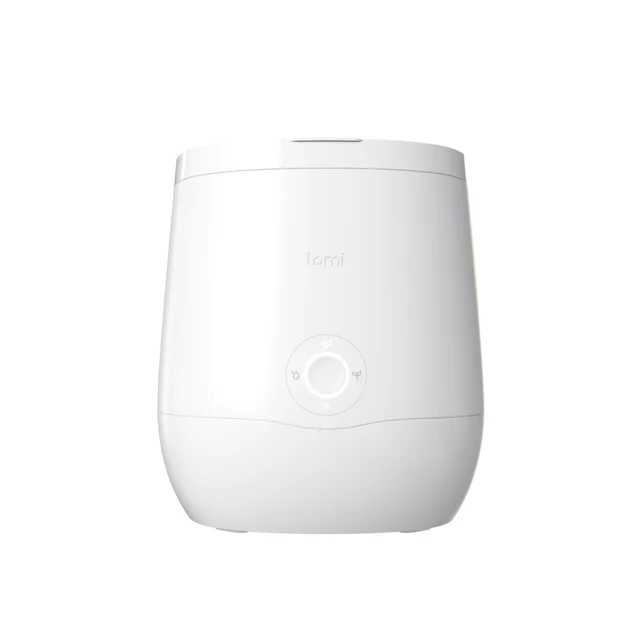
Marketed as making "compost" on your counter, but it mostly dehydrates and grinds, for a premium and ongoing pod costs.
Best for: Almost no one over the alternatives: pick the FoodCycler for the same result for less, or a real bin if you have any outdoor space.
- Attractive, quiet appliance that reduces scrap volume and odor overnight
- Simple one-button operation that fits a small kitchen
- Its fastest modes produce dehydrated, ground scraps, not soil-ready compost, despite the marketing
- The mode that gets closest to a soil amendment leans on consumable pods and a longer cycle, adding cost and time
- Costs more than units that do the same core job without the compost claims
| Criteria | Maze Easy-Turn 65 Gal Compost Tumbler Top pick | HOTBIN 200L Composter | FoodCycler Eco 5 | Lomi 3 |
|---|---|---|---|---|
| Verdict | Buy it | Buy it | It depends | Skip it |
| Best for | Most households with a yard who want faster, tidier, pest-resistant compost without babysitting a pile. | Serious gardeners who generate steady waste year-round and want the fastest finished compost from a stationary unit. | Apartment and no-yard households who want to cut food waste and odor and will finish the crumble in soil or a green-bin program. | Almost no one over the alternatives: pick the FoodCycler for the same result for less, or a real bin if you have any outdoor space. |
| Price tier | $$ · mid-range | $$$ · premium | $$ · mid-range | $$$ · premium |
| Type | Outdoor dual-chamber tumbler | Insulated stationary hot bin | Electric countertop reducer | Electric countertop reducer |
| Capacity | Large batch (two chambers) | Large, continuous feed | Small, a few days of scraps | Small, a few days of scraps |
| Turning / aeration | Geared crank, easy to spin | No turning; add bulking agent | Automatic internal grinding | Automatic internal grinding |
| Speed to usable output | Weeks per batch | Fastest for a static bin | Hours (but not finished) | Hours (but not finished) |
| Pest & odor resistance | Sealed, off-ground: strong | Sealed with filter: strong | Indoors, filtered: strong | Indoors, filtered: strong |
| What the output is | Real compost | Real compost | Dehydrated ground scraps | Dehydrated ground scraps |
| Power needed | None | None | Grid electricity | Grid electricity |
| Price tier | $$ · mid-range | $$$ · premium | $$ · mid-range | $$$ · premium |
Which one is right for you?
- Most households with a yard who want faster, tidier, pest-resistant compost without babysitting a pile. Buy it Maze Easy-Turn 65 Gal Compost Tumbler
- Serious gardeners who generate steady waste year-round and want the fastest finished compost from a stationary unit. Buy it HOTBIN 200L Composter
- Apartment and no-yard households who want to cut food waste and odor and will finish the crumble in soil or a green-bin program. It depends FoodCycler Eco 5
- Almost no one over the alternatives: pick the FoodCycler for the same result for less, or a real bin if you have any outdoor space. Skip it Lomi 3
How we judged the field
We don’t run our own compost lab. Instead we pulled together independent testing and a broad pool of owner reports, then weighed the machines on what actually matters day to day: how much they hold, how fast they turn scraps into something usable, how hard they are to aerate or turn, how well they fend off rodents and odor, and, crucially, what the finished output really is. That last point splits the category in two. Outdoor tumblers and insulated bins make real compost. Electric countertop units make a dehydrated, ground-up crumble, and a lot of marketing blurs that line. We kept the two jobs separate and judged each unit against the right expectation.
Maze Easy-Turn 65 Gal Compost Tumbler - buy
This is the sweet spot for most people with a yard. It’s a large barrel split into two internal chambers, so you can let one side cure into finished compost while you keep feeding the other, giving you a near-continuous supply instead of one stop-start batch. The headline feature is the geared crank: a full tumbler packed with wet scraps is genuinely heavy, and independent testing and owner reports consistently note that a geared handle makes turning it far less of a wrestling match than the bare-drum designs. Because the barrel is sealed and sits up on a stand, rodents can’t get in the way they do with an open pile, and the enclosed tumbling speeds decomposition. The trade-offs are the usual tumbler ones: batch capacity is smaller than a big stationary bin, so a weekend of heavy garden clean-up can overwhelm it, and you still have to balance greens and browns to get good results. For everyday kitchen-and-garden composting, though, it’s the easiest recommendation here.
HOTBIN 200L Composter - buy
The HOTBIN is the pick when you want speed and volume from something you don’t have to turn. It’s a thick-walled insulated bin, and that insulation is the whole point: composting generates its own heat, and trapping that heat lets the HOTBIN run hot enough to break material down quickly and keep working through cold months when other bins go dormant. It takes continuous feeding of both kitchen scraps and garden waste, and the sealed body with a filtered valve keeps odor and pests in check. Owner reports are clear that it rewards technique: you need to feed it a decent mix, watch moisture, and add a bulking agent so air can move, or it stalls and cools. It also costs meaningfully more than a plastic tumbler. But if you compost a lot and want the fastest finished product from a stationary unit, the premium buys real performance.
FoodCycler Eco 5 - it depends
Here’s where you have to be honest about what you’re buying. The FoodCycler is a quiet countertop appliance that dries and grinds a few days’ worth of scraps into a dry crumble overnight, with very little smell. For an apartment, a tiny yard, or a cold climate where an outdoor bin is a hassle, that’s genuinely useful: it slashes the volume and odor of food waste and keeps a kitchen caddy from turning rank. What it does not make is compost. The output is dehydrated ground scraps that still need to be worked into soil or a real bin to actually decompose. Treated as a food-waste reducer it’s a reliable, sensibly priced tool that doesn’t lock you into proprietary pods. Treated as a “composter” that produces garden-ready soil, it will disappoint. Whether it’s right for you comes down entirely to your living situation and your expectations, which is why it lands on “it depends.”
Lomi 3 - skip
The Lomi does essentially the same thing as the FoodCycler, dehydrate and grind scraps, but markets it much harder as making “compost,” and that’s where we part ways. Its quick modes produce the same dehydrated crumble, not soil-ready compost, and the mode that gets closest to a usable soil amendment leans on consumable pods and a longer cycle, which adds both cost and time. It’s an attractive, quiet appliance, and if it were priced below the alternatives we might call it a wash. But it generally costs more than units that do the identical core job with less marketing spin. Given that the FoodCycler delivers the same result for less, and that anyone with outdoor space is better served by a real bin, there’s no scenario where the Lomi is the smart pick. Skip it.
Maze Easy-Turn vs HOTBIN 200L: which should you buy?
Both make real compost and both beat an open pile, so this comes down to how you work and how much you produce. The Maze Easy-Turn is the better default: it’s less expensive, its dual chambers keep a finished batch and a working batch going at once, and the geared crank makes aeration something you’ll actually keep doing. It’s the low-fuss, tidy choice for a typical household. The HOTBIN costs more and asks for more attention to mix and moisture, but in return it composts faster, swallows more material, and keeps running in winter thanks to its insulation. Choose the Maze if you want convenience and pest-resistant composting without a big outlay; step up to the HOTBIN if you generate steady waste year-round and want the quickest finished compost a stationary bin can give.
What to look for
- Match the machine to the output you need. Tumblers and insulated bins make real compost; electric countertop units make a dehydrated crumble you still have to finish. Decide which you actually want before you buy.
- Capacity vs your waste stream. Batch tumblers are compact but can be overwhelmed by heavy garden waste; continuous-feed stationary bins hold more.
- Turning and aeration effort. A geared crank or a design that doesn’t need turning at all makes the difference between a system you maintain and one you abandon.
- Heat retention. Insulation is what lets a bin work fast and keep going in cold weather; thin-walled bins slow to a crawl in winter.
- Pest and odor control. Sealed, off-ground, or filtered designs beat open piles. What you feed it matters as much as the hardware.
- Running costs. Electric units use grid power and consumable filters (and sometimes pods); factor that in against a one-time bin purchase.
Our final take
If you have any outdoor space, buy a real composter. The Maze Easy-Turn tumbler is the right call for most people, with dual chambers and a crank that makes upkeep painless, and the insulated HOTBIN 200L is the upgrade for high-volume, year-round composting. Electric countertop units are a separate tool: the FoodCycler Eco 5 is a legitimately handy food-waste reducer for apartments, as long as you know its crumble isn’t finished compost. The Lomi 3 does the same job while charging more and calling it something it isn’t, so it’s the one to skip. Buy the electric route only when an outdoor bin is genuinely off the table.
Questions, answered
Do electric "composters" actually make compost?
Mostly no. Units like the FoodCycler and Lomi dry and grind your scraps into a dehydrated crumble in a few hours. That is not finished compost, which is the stable, cured product of microbes working over weeks. The crumble still has to be mixed into soil or a real compost bin to break down. They are food-waste reducers, and useful as that, but the "compost in hours" framing oversells what comes out.
Tumbler or stationary bin: which composts faster?
A well-insulated stationary hot bin like the HOTBIN generally reaches and holds high temperatures better, so it can finish faster and even work in winter. A tumbler is faster than an open pile and much easier to aerate, but it cools down between turns. Both beat an unmanaged heap; the tumbler wins on convenience and pest control, the insulated bin wins on raw speed and capacity.
Why choose a dual-chamber tumbler over a single drum?
With two chambers you fill one side while the other finishes curing, so you always have a batch working and a batch nearly done. A single drum forces you to stop adding fresh scraps while the current load matures, or you keep restarting the clock. Dual chambers give you a more continuous supply of finished compost from a compact unit.
How do I keep pests and smells down?
Sealed designs help a lot: an off-ground tumbler and an insulated bin with a filtered valve are both far more pest- and odor-resistant than an open pile. The bigger lever is what you add. Keep a balance of "greens" (scraps) and "browns" (dry leaves, cardboard), avoid meat and dairy in backyard systems, and don't let it go soggy. Odor usually means too wet or too much nitrogen, not the bin's fault.
I live in an apartment with no outdoor space. What should I get?
A countertop electric unit like the FoodCycler Eco 5 is the practical choice; it cuts food-waste volume and kitchen odor overnight. Just have a plan for the output: mix small amounts into potted plants, share it with a neighbor's garden, or add it to a municipal green-bin or community compost program. On its own the crumble is a pre-compost material, not a finished soil you should pile onto plants undiluted.
Deciding between the top two? See our head-to-head: Maze Easy-Turn 65 Gal Compost Tumbler vs HOTBIN 200L Composter.
More Outdoors & Fitness reviews
 The Best Hard Coolers of 2026: Tested Value vs. Premium, and One to Skip
  The Best Dry Bags: 4 Compared (and One to Skip)
  The Best Electric Bikes: 4 Compared (and One to Skip)
  The Best Electric Scooters: 4 Compared (and One to Skip)
  The Best Elliptical Trainers: 4 Compared (and One to Skip)
  The Best Exercise Bikes: 4 Compared (and One to Skip)