

Outdoors & Fitness
The Best Rock Climbing Shoes: 4 Compared (and One to Skip)
We compared four current rock climbing shoes on edging precision, sensitivity, rubber quality, fit and long-term value.
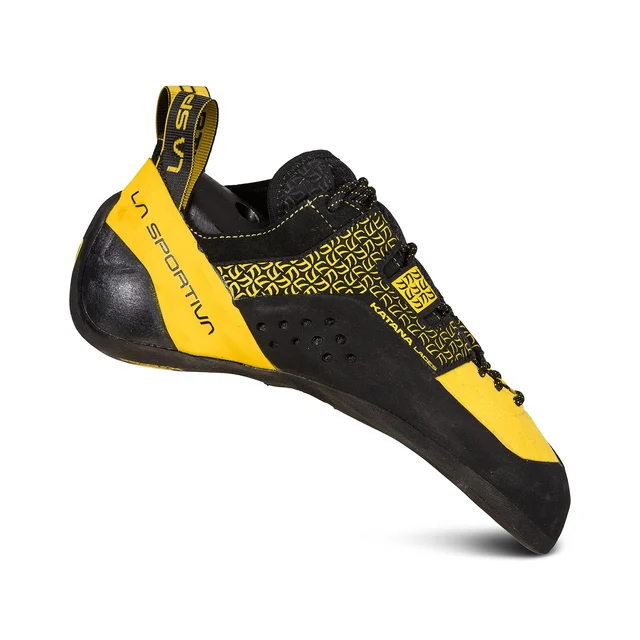
The short version
The La Sportiva Katana Lace is the best all-round rock climbing shoe you can buy in 2026, combining top-tier edging with a lace closure that stays wearable across a full multi-pitch day. The Scarpa Instinct VS is the sharper tool for steep sport and bouldering, with the best heel hooking here, but it demands a long, uncomfortable break-in and struggles in cracks. The La Sportiva Tarantulace is still the correct first pair for almost everyone: thick durable rubber, an adjustable lace fit, and enough performance to reach intermediate grades. The Black Diamond Momentum is the one to skip, because its rubber is not sticky enough and its sole is too thick to feel through, which costs you more than its comfort gains you. Buy one good pair rather than two mediocre ones, and get your feet measured in person before committing. Best for: climbers who want a single versatile shoe (Katana Lace), steep-terrain specialists (Instinct VS), and beginners (Tarantulace).
Our picks at a glance
- La Sportiva Katana Lace - Buy. The most complete one-shoe answer for sport, trad and technical face climbing.
- Scarpa Instinct VS - It depends. Elite precision and heel hooking for steep terrain, if you can survive the break-in.
- La Sportiva Tarantulace - Buy. Still the best first pair of climbing shoes anyone can buy.
- Black Diamond Momentum - Skip. Comfortable and breathable, but the rubber and sole give up too much on the wall.
The verdict in 30 seconds
What mattered most
- Best use
- Profile
- Edging precision
- Sensitivity
- Rubber
- Closure
Climbing shoes are the one piece of gear where the most expensive option is often the wrong one. Fit, terrain and your current ability matter more than price, and a painful high-performance shoe can actively slow your progress. We synthesized independent testing and owner reports across four shoes that are current and buyable in 2026: one that does everything well, one specialist worth the pain if you climb steep, the best-value first pair, and one comfortable shoe that gives up too much on the wall.
The most complete one-shoe answer for sport, trad and technical face climbing.
Best for: Climbers buying one serious pair to cover sport routes, technical trad and vertical face climbing.
- Rated among the best edging shoes available thanks to a pointed toe, supportive midsole and Vibram XS Edge rubber
- Lace closure lets you run it loose on approaches and long pitches, then cinch down for hard moves
- Only mildly downturned, so it stays comfortable across a full multi-pitch day
- Resoles well, which stretches the cost over several seasons
- Gives up ground to properly downturned shoes on steeply overhanging boulders
- Laces are slow if you strip your shoes between every attempt
- Premium price that is hard to justify for a first pair
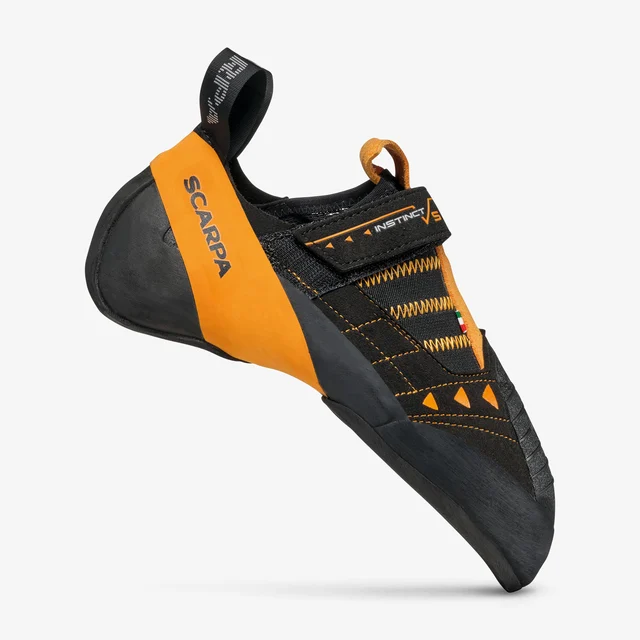
Elite precision and heel hooking for steep terrain, if you can survive the break-in.
Best for: Intermediate to advanced climbers pushing grades on steep sport routes and gym boulders.
- Precise Vibram XS Edge forefoot with Scarpa's Bi-Tension support holds tiny edges reliably
- Sculpted heel with Vibram XS Grip 2 rubber and high-coverage toe and heel rubber make hooks unusually secure
- Single velcro strap suits the on-and-off rhythm of bouldering
- Reviewers find it accommodating for medium to slightly wide feet
- Long break-in with very little stretch, so early sessions are uncomfortable
- High-volume toe box makes thin cracks awkward and painful
- The precision only pays off once your footwork is deliberate enough to use it
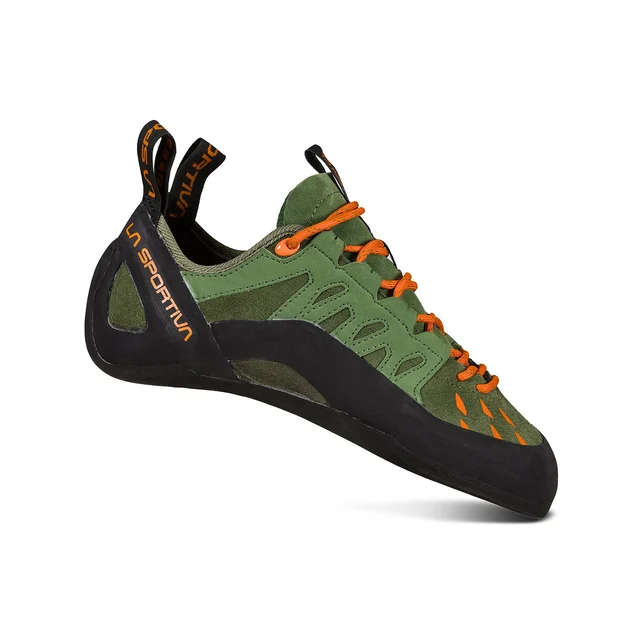
Still the best first pair of climbing shoes anyone can buy.
Best for: New and recreational climbers who want a comfortable, durable shoe to build technique in.
- Thick FriXion RS rubber, so it survives beginner footwork
- Lace closure lets you take up the stretch as the unlined upper relaxes
- Flat, comfortable last you can wear for a whole session while learning technique
- Costs a fraction of a premium shoe and still climbs into intermediate grades
- FriXion RS is durable rather than sticky, so it hits a friction ceiling on polished or slick holds
- Soft midsole means tired feet if you stand on small edges for long stretches
- Not precise enough for cracks, pockets or genuinely hard technical climbing
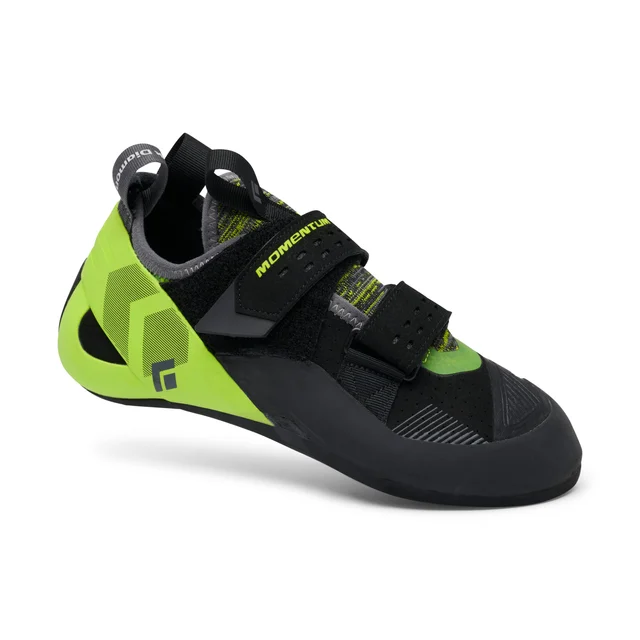
Comfortable and breathable, but the rubber and sole give up too much on the wall.
Best for: Climbers whose feet simply will not tolerate a conventional shoe and who value comfort above all.
- Knit tongue and micro suede upper breathe well and stay comfortable far longer than most climbing shoes
- Flat, forgiving last that will not scare off a first-timer
- Available in both velcro and lace versions
- Reviewers report the rubber is not sticky out of the box, though Black Diamond says the current Black Label rubber has improved grip
- Reviewers find the sole muffles sensitivity without being stiff enough to edge well
- Weak on slabs and small edges, which is exactly where beginners spend their time
- Sizing runs large enough that many buyers size down substantially
- Beginners outgrow it quickly and it is not worth resoling
| Criteria | La Sportiva Katana Lace Top pick | Scarpa Instinct VS | La Sportiva Tarantulace | Black Diamond Momentum |
|---|---|---|---|---|
| Verdict | Buy it | It depends | Buy it | Skip it |
| Best for | Climbers buying one serious pair to cover sport routes, technical trad and vertical face climbing. | Intermediate to advanced climbers pushing grades on steep sport routes and gym boulders. | New and recreational climbers who want a comfortable, durable shoe to build technique in. | Climbers whose feet simply will not tolerate a conventional shoe and who value comfort above all. |
| Price tier | $$ · premium | $$ · premium | $ · budget | $ · budget |
| Best use | Sport, technical trad, multi-pitch, vertical face | Steep sport and bouldering, heel and toe hooks | Learning, gym sessions, easy to moderate outdoor routes | Casual gym and first-timer comfort |
| Profile | Mildly downturned, low-profile pointed toe | Moderately downturned, high toe box | Flat and neutral | Flat and neutral |
| Edging precision | Excellent, among the best in the field | Excellent on small edges | Adequate for the grade, softens under load | Weak, the main complaint in reviews |
| Sensitivity | Moderate, biased toward support | Good, with sticky XS Grip 2 heel rubber | Moderate, soft midsole helps smearing | Poor, thick sole muffles feel |
| Rubber | Vibram XS Edge, stiff and grippy | Vibram XS Edge sole with XS Grip 2 heel | FriXion RS, thick and durable rather than sticky | Black Label rubber; earlier versions reported slippery when new |
| Closure | Full lace, most adjustable | Single velcro strap, fastest | Lace, takes up stretch well | Two velcro straps or lace version |
| Comfort and break-in | Comfortable for long days, moderate break-in | Painful early, long break-in, minimal stretch | Comfortable from the start, unlined upper stretches | Most comfortable here by a wide margin |
| Price tier | $$ · premium | $$ · premium | $ · budget | $ · budget |
Which one is right for you?
- Climbers buying one serious pair to cover sport routes, technical trad and vertical face climbing. Buy it La Sportiva Katana Lace
- New and recreational climbers who want a comfortable, durable shoe to build technique in. Buy it La Sportiva Tarantulace
- Intermediate to advanced climbers pushing grades on steep sport routes and gym boulders. It depends Scarpa Instinct VS
- Climbers whose feet simply will not tolerate a conventional shoe and who value comfort above all. Skip it Black Diamond Momentum
How we judged the field
We do not run a lab. We read across independent testing from climbing gear testers, manufacturer spec sheets, and a large volume of owner reports from gyms, crags and long-term durability threads, then look for the points where those sources agree. Climbing shoes are unusually personal, so we weighted the criteria that survive differences in foot shape and preference.
Four things mattered most. First, edging precision: how reliably the toe holds a small, positive edge when you weight it. Second, sensitivity, meaning how much of the hold you can actually feel through the sole, which is what makes smearing and steep footwork possible. Third, rubber quality and how much of it there is, because sticky compounds grip better and thick compounds last longer, and you rarely get both. Fourth, fit and break-in: a shoe that hurts too much to wear for a full session is a shoe you will not improve in.
We also weighted resole-ability and how long each shoe stays useful as you get better. A cheap shoe you replace in six months is not a bargain, and a specialist shoe you outgrow the other way (because it only works on steep terrain) is not versatile.
If you buy one shoe and expect it to handle vertical sport routes, technical trad, long multi-pitch days and the occasional gym session, this is the shoe most reviewers keep landing on. Recent versions kept the pointed, low-profile toe and the stiff-ish midsole while making the fit less punishing, and the combination is what makes it work: independent testers consistently rate its edging among the best available, because Vibram XS Edge rubber plus a supportive midsole means the toe does not collapse when you stand up on a matchstick edge.
The lace closure is the quiet advantage. You can run it loose across the forefoot for a long day and cinch it down for a redpoint burn, which velcro shoes simply cannot do. Owners report that this makes the Katana Lace far more wearable over a multi-pitch day than any similarly performing shoe.
The trade-offs are real but narrow. It is only mildly downturned, so on steeply overhanging boulder problems it gives up ground to a properly aggressive shoe. Laces are slower than velcro if you take your shoes off between every gym problem. And it is a premium purchase. But it is the one shoe here least likely to hold you back across styles of climbing, and it takes resoles well, so the cost per year of use is better than it looks.
The Instinct VS is one of the most complete high-performance shoes on the market, and that is exactly why it is not a blanket recommendation. It pairs a precise Vibram XS Edge forefoot for tiny edges with a Vibram XS Grip 2 heel and high-coverage toe and heel rubber, which is why reviewers single out its heel hooking. One velcro strap means it goes on and comes off fast. On steep sport routes and gym boulders it does almost everything well.
The catch is that it demands something from you. Independent testers note a long break-in and very little stretch, so the first few weeks are uncomfortable in a way the Katana Lace is not. The toe box sits high, which makes thin hand and finger cracks awkward. And the precision only pays off if your footwork is already good enough to place a toe deliberately; a climber still learning to trust their feet will not feel the difference over a shoe costing far less.
Buy it if you are pushing grades on steep terrain, you have climbed enough to know your foot shape, and you are willing to suffer through the break-in. If you are shopping for your first or second pair, this is the wrong shoe at the wrong time.
The best value in climbing footwear has been the same shoe for years. The Tarantulace has a flat, comfortable last, a lace closure that lets you dial the fit as the unlined leather stretches, and thick FriXion RS rubber. That extra rubber is the whole point: new climbers drag their feet, scuff their toes and wear through soles fast, and this shoe absorbs that abuse for a fraction of a premium shoe’s price.
It is genuinely good, not just cheap. Owners routinely report climbing well into intermediate grades in them before feeling limited, and the lace closure is a real advantage over the velcro shoes in the same bracket, because the unlined upper stretches and laces let you take that up.
Where it stops: FriXion RS is durable rather than sticky, so on polished gym volumes or slick vertical limestone you will find the friction ceiling. The soft midsole also means your feet tire faster if you spend a long time standing on small holds. Neither of those matters much in your first year or two, and by the time they do, you will know enough about your own feet to choose a specialist shoe properly.
The Momentum is not a bad object. The knit tongue and micro suede upper breathe well, the flat last is genuinely comfortable, and it is one of the few climbing shoes you can wear for an hour without wanting to take it off. If comfort were the only criterion it would win.
The problem is the climbing. Reviewers repeatedly flag the same two issues: the rubber is not sticky enough out of the box (Black Diamond says the current Black Label rubber has improved grip), and the sole is thick enough to kill sensitivity without being stiff enough to edge well. That is the worst combination, because it means you feel less and hold less. Testers describe slab and small-edge performance as the weak point, and note that new climbers have to be unusually precise with their foot placement to compensate, which is exactly the wrong demand to put on a beginner. Multiple reviews also mention it running large enough that some buyers size down substantially.
It also has a short useful life as a climbing tool. Beginners outgrow it quickly, and it is not a shoe worth resoling. For similar money you can have the Tarantulace, which is stickier where it counts, has more rubber, adjusts as it stretches, and will keep up with you a lot longer. Buy the Momentum only if a wide, comfortable knit fit is the single thing standing between you and climbing at all.
La Sportiva Katana Lace vs Scarpa Instinct VS: which should you buy?
These are the two strongest shoes here, and they are strong at different things.
Take the Katana Lace if your climbing is mostly vertical to gently overhanging: sport routes, technical trad, slabs, multi-pitch. Its edging is at least the equal of the Instinct VS on small vertical holds, the laces let you loosen it for a long approach or a five-pitch day, and the flatter profile is far more comfortable to leave on between pitches. It also handles cracks better, because the toe box is lower.
Take the Instinct VS if your climbing tilts steep: gym bouldering, overhanging sport, anything where heel hooks and toe hooks decide the move. The sculpted heel and its XS Grip 2 rubber are noticeably better than the Katana’s, and the single strap suits the take-them-off-between-attempts rhythm of bouldering. Accept that break-in is slow and that it will never be comfortable in a crack.
If you genuinely cannot pick, the Katana Lace is the safer default, because it is competent everywhere and pleasant to wear, while the Instinct VS is excellent in a narrower band and asks more of you to get there.
What to look for
- Match the profile to your terrain. Flat or mildly downturned shoes suit slabs, vertical faces and long routes. Aggressively downturned shoes suit steep, overhanging climbing and little else.
- Stiffness is a trade against sensitivity. Stiff shoes support your foot on tiny edges and reduce fatigue on long routes. Soft shoes let you feel and smear. You cannot have both in one pair.
- Rubber compound over rubber thickness, once you are past beginner. Sticky compounds grip better; thick compounds last longer. New climbers should take the thickness, experienced climbers should take the stickiness.
- Laces adjust, velcro is fast. Laces are better for long days, changing foot volume, and shoes that stretch. Velcro is better for bouldering and gym sessions with frequent removal.
- Size for your actual foot, in person if you can. Brands use different lasts, and unlined leather stretches noticeably while synthetic uppers barely move. Sizing advice from someone else’s foot is close to worthless.
- Check whether it can be resoled. A resole costs a fraction of a new pair, so a resole-friendly premium shoe can be cheaper over three years than repeatedly replacing a budget one.
- Do not buy an aggressive shoe first. Downturned, painful shoes teach bad footwork because you avoid weighting your feet. Comfort first, performance second, at least until you have a season behind you.
Our final take
The La Sportiva Katana Lace is the pick because it refuses to be bad at anything: elite edging, a fit you can adjust across a full day, and enough versatility to cover sport, trad and gym without a second pair. It costs real money, but it lasts, resoles well, and will not be the reason you fall off.
The Scarpa Instinct VS is the better shoe for a specific climber, the one working steep terrain who wants the best heel hooking available and is prepared to break the shoe in. The La Sportiva Tarantulace remains the correct first purchase for nearly everyone: durable, adjustable, comfortable enough to build technique in, and cheap enough that outgrowing it does not sting.
The Black Diamond Momentum is the one to leave. It is comfortable, and that is where the case for it ends. Its rubber gives up grip and its sole gives up feel, so it teaches you less and holds you back sooner than the similarly priced alternative sitting next to it on the shelf.
Questions, answered
How tight should climbing shoes be?
Snug with no dead air, toes flat or gently curled, and no painful pressure points when you stand up on an edge. The old advice about agonising downsizing came from an era of thin, stretchy leather shoes and hard outdoor face climbing. Modern shoes fit better and most owners report climbing better in a size they can actually wear for a full session. If it hurts so much that you take the shoes off between every problem, you sized too small.
Do climbing shoes stretch?
It depends on the upper. Unlined leather shoes like the Tarantulace can relax noticeably as they take on sweat and shape to your foot, which is one reason a lace closure helps. Lined leather stretches a little. Synthetic uppers, including much of what is on high-performance shoes, barely move at all. Reviewers note the Instinct VS in particular stretches very little, so buy that one to fit rather than expecting relief later.
Should a beginner buy aggressive downturned shoes?
No. A downturned shoe is built to pull your toes into a steep hold, and it is uncomfortable enough that new climbers unconsciously avoid weighting their feet, which is the opposite of what you want while learning footwork. Start flat and comfortable, spend a season or two building technique, then buy a specialist shoe once you know your foot shape and what terrain you actually climb.
Is it worth resoling climbing shoes?
For a premium shoe, usually yes. A resole costs a fraction of a new pair and a well-built shoe can go through several before the upper gives out, which is a large part of why the Katana Lace and Instinct VS are better value than their price suggests. Send them before you wear through the rand, the rubber strip around the toe, because rand repair costs more and never restores the original shape as well. Budget shoes like the Momentum are generally not worth the trip.
How many pairs of climbing shoes do I actually need?
One, until you can name a specific thing your current shoes stop you doing. A single versatile pair like the Katana Lace covers sport, trad and gym climbing at nearly any grade a recreational climber reaches. Most people who own three pairs bought the second and third to fix a problem that was really about technique. Once you are projecting hard on a particular style, a second specialist pair starts to make sense.
Deciding between the top two? See our head-to-head: La Sportiva Katana Lace vs Scarpa Instinct VS.
More Outdoors & Fitness reviews
 The Best Composters: 4 Compared (and One to Skip)
  The Best Hard Coolers of 2026: Value vs. Premium, and One to Skip
  The Best Cornhole Sets: 4 Compared (and One to Skip)
  The Best Dartboards: 4 Compared (and One to Skip)
  The Best Disc Golf Sets: 4 Compared (and One to Skip)
  The Best Dopp Kits: 4 Compared (and One to Skip)