

Outdoors & Fitness
The Best Chainsaws for Homeowners: 4 Compared (and One to Skip)
We compared four homeowner chainsaws across battery and gas on cutting power, bar length, tensioning, weight, safety, and oiling.
The short version
For most homeowners the EGO Power+ 18" (CS1804) is the saw to buy: it cuts like a light gas saw, runs off one 56V battery, has an 18-inch bar for bigger logs, and offers tool-free tensioning plus a solid chain brake at a mid-range price. If you already own Milwaukee M18 tools, the M18 FUEL 16" chainsaw is a strong, fast-cutting alternative that shares your batteries. The Makita 36V (18V X2) LXT 16" is lighter and lovely, but only makes financial sense if you're already on Makita's 18V LXT platform. The STIHL MS 170 is a fine budget gas saw, yet for typical homeowner cutting its fuel mixing, pull-starting, and upkeep make it the one to skip unless you work off-grid. Best for: homeowners who want dependable, low-hassle cutting for firewood and cleanup without buying into gas.
Our picks at a glance
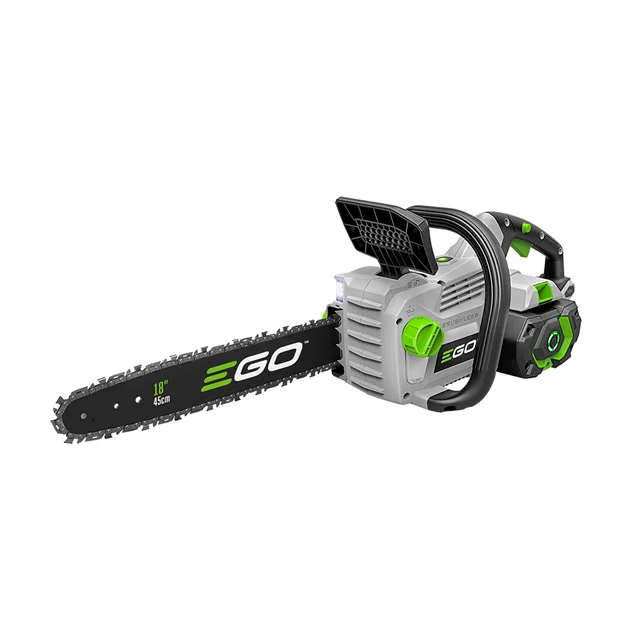
- EGO Power+ 18" Cordless Chain Saw (CS1804) - Buy. The best all-round homeowner chainsaw: gas-like cutting from a single 56V battery, an 18-inch bar, and genuinely tool-free tensioning.
- Milwaukee M18 FUEL 16" Chainsaw (2727-21HD) - Buy. A pro-grade 16-inch battery saw that cuts hard and fast, and a no-brainer if you already live on the M18 platform.
- Makita 36V (18V X2) LXT Brushless 16" Chain Saw (XCU04PT) - It depends. A refined, lighter 16-inch saw that's a great value if you already own Makita 18V LXT batteries, and a pricier proposition if you don't.
- STIHL MS 170 Gas Chainsaw - Skip. A dependable entry gas saw, but for most homeowners in 2026 the fuel-mixing, pull-starting, and maintenance no longer pay off versus battery.
The verdict in 30 seconds
What mattered most
- Power source
- Bar length
- Chain tensioning
- Chain brake & kickback
- Auto-oiler
- Weight, ready to cut
Cutting firewood, clearing storm damage, and taking down the odd tree no longer means wrestling a gas saw. We synthesized independent testing and owner reports across four popular chainsaws that span light battery to full gas: two we'd happily recommend, one that only makes sense for a specific buyer, and one most homeowners should now skip. The right pick comes down to how much wood you cut, whether you already own a battery platform, and how far you work from an outlet.
The best all-round homeowner chainsaw: gas-like cutting from a single 56V battery, an 18-inch bar, and genuinely tool-free tensioning.
Best for: Homeowners who want one saw for firewood, cleanup, and occasional felling without touching gas.
- Long 18-inch bar handles bigger logs and small felling that shorter saws can't
- Runs on one 56V battery, so there's no fuel to mix, no pull-starting, and instant on/off
- Tool-free chain tensioning and an inertia-activated chain brake owners repeatedly call out as easy and safe
- Ships as a kit with battery and charger, so it works out of the box
- One battery only powers so much continuous cutting; heavy users will want a spare
- Heavier at the bar than the shorter 16-inch saws once the battery is fitted
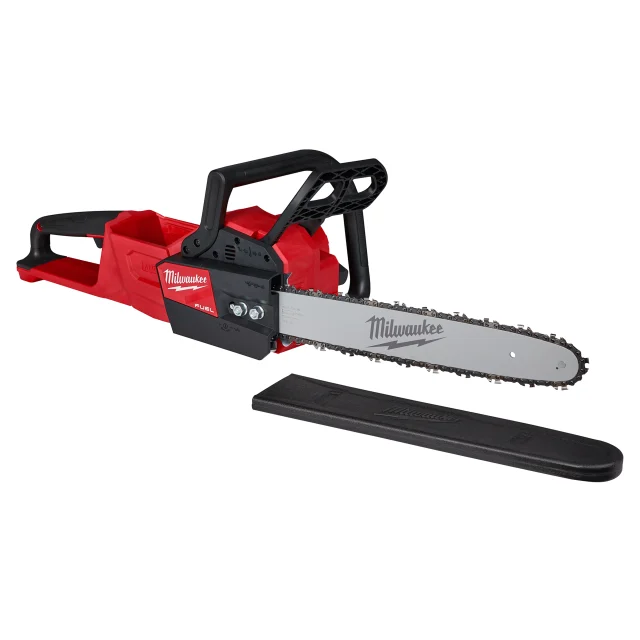
A pro-grade 16-inch battery saw that cuts hard and fast, and a no-brainer if you already live on the M18 platform.
Best for: Owners already invested in Milwaukee M18 who want serious cutting power in a battery saw.
- Brushless motor and a high-output pack deliver cutting speed independent testing rates near gas for a homeowner
- 16-inch bar, metal bucking spikes, and a variable-speed trigger give real control in firewood and bucking
- Shares one battery with a huge M18 tool lineup, so owners avoid buying into a second platform
- Automatic chain oiler and a chain brake as standard
- Premium price, and the big high-output battery it needs adds cost and weight
- Overkill if you don't already own M18 tools and only cut a few times a year
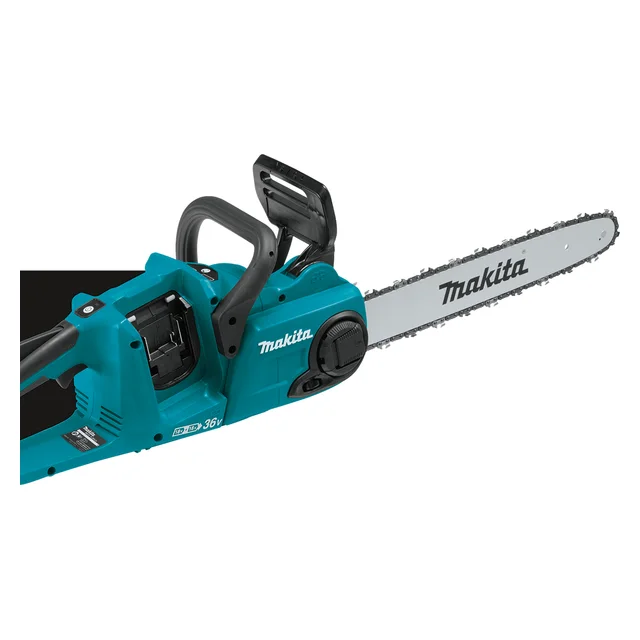
A refined, lighter 16-inch saw that's a great value if you already own Makita 18V LXT batteries, and a pricier proposition if you don't.
Best for: Existing Makita 18V LXT owners who value light weight and refinement over the longest bar.
- Among the lightest and best-balanced saws here, which owners note reduces fatigue on longer sessions
- Runs two standard 18V LXT batteries, so it shares packs with a large Makita cordless range
- Tool-less chain adjustment and an adjustable automatic oiler
- Electric chain brake and a front hand guard for kickback protection
- Needs two 18V batteries charged and fitted for every use
- Only worth the premium if you're already in the LXT ecosystem; buying in from scratch is expensive
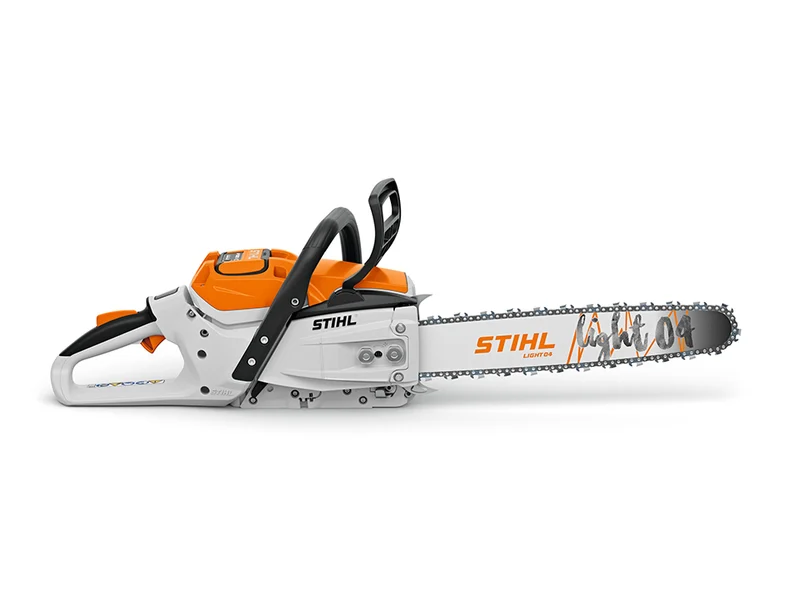
A dependable entry gas saw, but for most homeowners in 2026 the fuel-mixing, pull-starting, and maintenance no longer pay off versus battery.
Best for: Rural or off-grid users who cut for hours away from power and don't mind gas upkeep.
- Lowest entry cost of the group and a light powerhead
- Refuels in seconds and runs all day far from any outlet
- Proven Quickstop chain brake and Ematic automatic bar lubrication
- Simple, well-supported design with wide dealer service
- Requires mixing 50:1 fuel, pull-starting, and ongoing engine maintenance
- Chain tensioning uses a side screw and tool rather than the tool-free systems on the battery saws
- More noise, fumes, and vibration than the cordless options for the same light-to-moderate cutting
| Criteria | EGO Power+ 18" Cordless Chain Saw (CS1804) Top pick | Milwaukee M18 FUEL 16" Chainsaw (2727-21HD) | Makita 36V (18V X2) LXT Brushless 16" Chain Saw (XCU04PT) | STIHL MS 170 Gas Chainsaw |
|---|---|---|---|---|
| Verdict | Buy it | Buy it | It depends | Skip it |
| Best for | Homeowners who want one saw for firewood, cleanup, and occasional felling without touching gas. | Owners already invested in Milwaukee M18 who want serious cutting power in a battery saw. | Existing Makita 18V LXT owners who value light weight and refinement over the longest bar. | Rural or off-grid users who cut for hours away from power and don't mind gas upkeep. |
| Price tier | $$ · mid-range | $$$ · premium | $$$ · premium | $ · budget |
| Power source | 56V battery (5.0Ah kit) | M18 battery (high-output kit) | 36V — two 18V LXT (5.0Ah) | 30.1cc gas, 50:1 mix |
| Bar length | 18 in | 16 in (also 14 in) | 16 in | 16 in (also 12/14 in) |
| Chain tensioning | Tool-free | Built-in knob, no tools | Tool-less lever | Side screw, needs tool |
| Chain brake & kickback | Inertia chain brake | Chain brake | Electric chain brake + hand guard | Quickstop chain brake |
| Auto-oiler | Automatic | Automatic | Adjustable automatic | Ematic automatic |
| Weight, ready to cut | Mid, ~14 lb with battery | Heaviest, ~14 lb with battery | Lightest, ~11-12 lb with batteries | Powerhead ~8.6 lb plus fuel |
| Refuel / recharge | Swap one 56V pack | Swap one M18 pack | Swap two 18V packs | Refill fuel in seconds |
| Price tier | $$ · mid-range | $$$ · premium | $$$ · premium | $ · budget |
Which one is right for you?
- Homeowners who want one saw for firewood, cleanup, and occasional felling without touching gas. Buy it EGO Power+ 18" Cordless Chain Saw (CS1804)
- Owners already invested in Milwaukee M18 who want serious cutting power in a battery saw. Buy it Milwaukee M18 FUEL 16" Chainsaw (2727-21HD)
- Existing Makita 18V LXT owners who value light weight and refinement over the longest bar. It depends Makita 36V (18V X2) LXT Brushless 16" Chain Saw (XCU04PT)
- Rural or off-grid users who cut for hours away from power and don't mind gas upkeep. Skip it STIHL MS 170 Gas Chainsaw
How we judged the field
We don’t run our own cutting lab. Instead we synthesize independent testing, expert teardowns, and aggregated owner reports, then weigh them against what actually matters for a homeowner saw. Our priorities, in order: real-world cutting power and how it holds up in hardwood; bar length matched to typical firewood and light felling; safety, especially the chain brake and kickback protection; how easy the saw is to live with, which covers chain tensioning, the automatic oiler, weight, and balance; and finally value, including whether you already own a compatible battery platform.
We deliberately spanned the range, from lighter cordless saws to a full gas engine, so the comparison reflects the real choice you face rather than four near-identical models. Across sources, three themes came up again and again: high-voltage battery saws have closed most of the gap to small gas saws, tool-free tensioning changes how often owners keep the chain right, and the biggest hidden cost is the battery platform you commit to.
EGO Power+ 18” Cordless Chain Saw (CS1804) - buy
This is the saw we’d hand most homeowners. The 18-inch bar is the longest here, so it takes on bigger logs and small felling that the 16-inch saws struggle with, and the 56V battery drives it with cutting speed reviewers consistently describe as close to a light gas saw. Because it’s a single-battery design, there’s no fuel to mix and no pull cord, just squeeze and cut. Owners repeatedly praise the tool-free chain tensioning and the inertia-activated chain brake as making the saw approachable and safe, and the automatic oiler keeps the bar lubricated without fuss. It arrives as a kit with battery and charger, so it works the day it lands. The honest caveats: one battery only sustains so much continuous cutting before a recharge, and with the pack fitted it carries a bit more weight out at the bar than the shorter saws. Neither is a dealbreaker for typical use, and a spare battery solves the first.
Milwaukee M18 FUEL 16” Chainsaw (2727-21HD) - buy
If you already own Milwaukee M18 tools, this is arguably the smarter buy than starting a new platform. The brushless motor paired with a high-output battery delivers cutting speed that independent testing rates among the strongest in the cordless class, and the 16-inch bar, metal bucking spikes, and variable-speed trigger give real control when bucking firewood. It carries the expected automatic oiler and chain brake. The trade-offs are cost and heft: it’s a premium saw, and the large high-output pack it wants adds both price and weight, so it makes the most sense when the battery is already in your garage rather than a fresh purchase. For an M18 owner who cuts regularly, it’s an easy recommendation; for someone buying in cold to cut twice a year, the EGO is the more sensible spend.
Makita 36V (18V X2) LXT Brushless 16” Chain Saw (XCU04PT) - it depends
The Makita is the most refined saw in the group and among the lightest and best balanced, which owners say noticeably cuts fatigue on longer sessions. It runs on two standard 18V LXT batteries rather than a single dedicated pack, so it shares power with one of the widest cordless lineups on the market, and it pairs tool-less chain adjustment with an adjustable automatic oiler, an electric chain brake, and a front hand guard. So why “it depends”? The value math hinges entirely on whether you already own LXT batteries. If you do, this is a superb, light 16-inch saw. If you don’t, you’re buying two batteries and a charger to feed it, which pushes the real cost up against saws that do more for the money. It also always needs two packs charged and fitted, a small but real bit of overhead.
STIHL MS 170 Gas Chainsaw - skip
None of this is a knock on the MS 170 as a machine; it’s a proven, well-supported budget gas saw with the lowest entry cost here, a light powerhead, a Quickstop chain brake, and Ematic automatic bar lubrication. The problem is fit for the modern homeowner. To use it you mix 50:1 fuel, pull-start a cold engine, and keep up with the maintenance any small two-stroke needs, and you tension the chain with a side screw and a tool rather than by hand. For the light-to-moderate cutting most homeowners actually do, the battery saws deliver comparable results with far less hassle, less noise, and no fumes. Gas earns its place only in a specific case: hours of continuous cutting far from any outlet, where refueling in seconds beats recharging. If that’s not you, skip it and put the money toward a cordless saw or a spare battery.
EGO Power+ CS1804 vs Milwaukee M18 FUEL 16”: which should you buy?
These are the two strongest saws here, and the decision is refreshingly clear. Both cut hard, both carry a chain brake and automatic oiler, and both are pleasant to live with. The EGO gives you a longer 18-inch bar and a lower, mid-range price, and as a self-contained kit it’s the better choice if you’re starting fresh and want one saw that does everything from firewood to the occasional small tree. The Milwaukee counters with class-leading cutting speed and, crucially, battery sharing: if your garage already runs on M18, you skip buying into a platform and just add the tool. So the tiebreaker is your existing batteries. No cordless platform yet, or invested in EGO? Take the CS1804 for its bar length and value. Already on Milwaukee M18? The M18 FUEL 16” is the pick, and you’ll appreciate its speed. Either way you end up with a saw that handles the vast majority of homeowner cutting without a drop of gas.
What to look for
- Cutting power matched to your wood: a high-voltage battery saw (roughly 40V and up) or a small gas engine handles firewood and light felling; avoid underpowered saws that bog in hardwood.
- Bar length: 14 to 16 inches suits most homeowners; step up to 18 inches only if you regularly cut larger logs or drop small trees.
- Chain brake and kickback protection: insist on an inertia or electric chain brake and a front hand guard; it’s the feature that protects you most.
- Tool-free chain tensioning: hand-adjustable tension gets kept right far more often than a screw-and-tool system.
- Automatic oiler: an auto-oiler, ideally with a level window, keeps the bar and chain lubricated and lasting longer.
- Weight and balance: lighter, well-balanced saws are safer and less tiring; feel the saw with the battery fitted, not bare.
- Battery platform: the biggest hidden cost is the battery, so buying into a system you already own usually saves the most.
Our final take
For most homeowners, the modern answer is a high-voltage battery saw, and the EGO Power+ CS1804 is the best all-round pick: the longest bar here, near-gas cutting, tool-free tensioning, and a strong safety kit at a mid-range price, ready to run out of the box. If you already own Milwaukee M18, the M18 FUEL 16” is the faster-cutting choice that shares your batteries, and Makita LXT owners will love the lighter XCU04PT for the same platform reason. The STIHL MS 170 remains a capable budget gas saw, but for typical homeowner cutting its fuel, pull-start, and upkeep make it the one to skip unless you genuinely work off-grid. Buy the saw that matches how much wood you cut and the batteries you already own, and you’ll spend far more time cutting than fussing.
Questions, answered
Are battery chainsaws really powerful enough to replace a gas saw for a homeowner?
For the great majority of homeowner tasks, yes. Independent testing and owner reports agree that high-voltage saws like the EGO 56V and Milwaukee M18 FUEL cut light-to-moderate hardwood and firewood at speeds close to a comparable small gas saw. Gas still wins for all-day, back-to-back cutting far from power, because you refuel in seconds instead of recharging. If you cut occasionally and stay near an outlet, battery is the easier, cleaner choice.
What bar length do I need?
Match the bar to the wood. A 14-to-16-inch bar covers most limbing, pruning, and firewood up to roughly a foot thick, and it's lighter and easier to control. Step up to an 18-inch bar, like the EGO CS1804, if you regularly cut larger logs or drop small trees. As a rule the bar should be a couple of inches longer than the diameter of what you cut most, and beginners are usually safer starting shorter.
How important is the chain brake, and are these saws safe for a beginner?
The chain brake is the single most important safety feature: it stops the chain almost instantly if the saw kicks back toward you. Every saw here has one, and the battery models add front hand guards and inertia or electric activation. That makes a modern cordless saw a reasonable first chainsaw, but the basics still apply, so wear chaps, gloves, and eye and ear protection, keep the tip clear to avoid kickback, and never cut above shoulder height.
Does tool-free chain tensioning actually matter?
It matters more than people expect, because a chainsaw chain stretches and needs re-tensioning during use. The EGO, Milwaukee, and Makita let you adjust tension by hand in seconds, which encourages you to keep the chain correctly set, whereas the STIHL MS 170 uses a side screw and a tool. A properly tensioned chain cuts better and is safer, so easier adjustment tends to mean it actually gets done.
Battery or gas: which is cheaper and easier to live with?
Battery saws are cheaper to run and far lower maintenance day to day: no fuel to mix, no spark plugs or carburetors, and nothing to drain for storage. Their higher up-front cost mostly comes from the battery, which is why buying into a platform you already own, like Milwaukee M18 or Makita LXT, saves the most. Gas like the MS 170 costs less to buy and refuels instantly, but you trade that for mixing fuel, pull-starting, engine upkeep, and more noise and fumes.
Deciding between the top two? See our head-to-head: EGO Power+ 18" Cordless Chain Saw (CS1804) vs Milwaukee M18 FUEL 16" Chainsaw (2727-21HD).
More Outdoors & Fitness reviews
 The Best Climbing Chalk: 4 Compared (and One to Skip)
  The Best Climbing Harnesses: 4 Compared (and One to Skip)
  The Best Rock Climbing Shoes: 4 Compared (and One to Skip)
  The Best Commuter Bike Helmets: Real Safety You'll Actually Wear (and One to Skip)
  The Best Composters: 4 Compared (and One to Skip)
  The Best Hard Coolers of 2026: Tested Value vs. Premium, and One to Skip