

Home Gym
The Best Spin Bikes: 4 Compared (and One to Skip)
We compared four indoor cycling bikes on resistance type, ride feel, app freedom, and whether the hardware is worth it without a subscription.
The short version
For most riders the Schwinn IC4 is the smart buy: belt-driven magnetic resistance with 100 precise levels, Bluetooth that talks to any app, and no forced membership. The Peloton Bike+ is the flagship, and its rotating screen and auto-follow resistance make it the best guided-class bike, but only if you will pay for and use the subscription. The Yosuda EB1 is a fine tight-budget magnetic option if you accept a lighter feel and lighter support. Avoid the friction-pad Sunny SF-B1002: the felt pad wears, resistance is not repeatable, and there are no built-in metrics. Best for: buyers who want studio-style magnetic resistance and app freedom without paying for a screen or a subscription.
Our picks at a glance
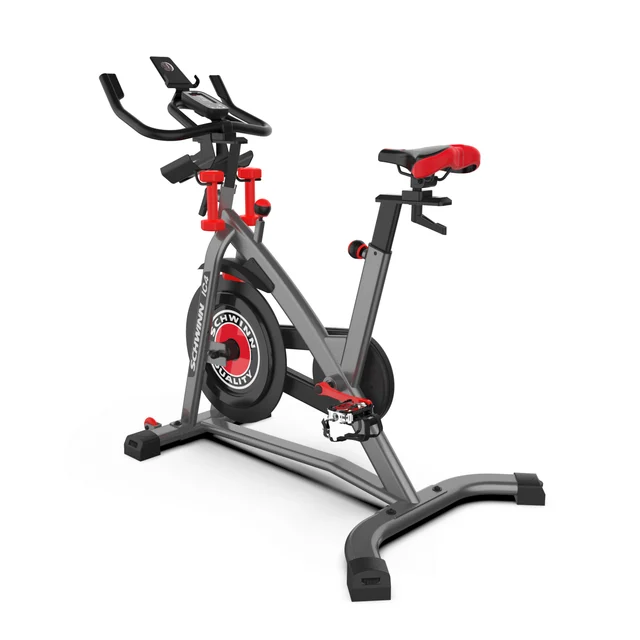
- Schwinn IC4 Indoor Cycling Bike - Buy. Studio-quiet magnetic resistance and true app freedom without a forced subscription: the value pick for most people.
- Peloton Bike+ - Buy. The most polished connected-class experience there is, worth the premium only if you will actually use the membership.
- Yosuda EB1 Magnetic Indoor Cycling Bike - It depends. A genuinely quiet magnetic bike at a rock-bottom price, if you accept a lighter feel and thinner support.
- Sunny Health & Fitness SF-B1002 Belt Drive Indoor Cycling Bike - Skip. A heavy-flywheel friction bike that feels solid but hides real long-term costs: skip it for a magnetic bike.
The verdict in 30 seconds
What mattered most
- Resistance type
- Built-in screen
- App freedom
- Subscription to be useful
- Resistance precision
- Ongoing maintenance
A spin bike is a studio-style indoor cycle: a heavy flywheel, a low aggressive riding position, and resistance you dial up for sprints and climbs. That makes it a different animal from a comfy upright exercise bike, and the single biggest decision is magnetic resistance versus an old-school friction pad. We leaned on independent testing and long-term owner reports to sort four popular 2026 bikes. Two are easy recommendations for very different budgets, one is a fine tight-budget pick with caveats, and one is a bike we'd steer most people away from.
Studio-quiet magnetic resistance and true app freedom without a forced subscription: the value pick for most people.
Best for: Most home riders who want quiet, precise magnetic resistance and the freedom to use any app they like
- Belt-driven magnetic resistance is near-silent and effectively maintenance-free, with 100 micro-adjustable levels shown on the console
- Bluetooth broadcasts your cadence, speed and resistance to almost any app (Peloton, Zwift and others), so you are never locked to one ecosystem or a mandatory membership
- Comes ready to ride with dual-sided pedals, a media shelf, a heart-rate armband and a pair of light dumbbells
- The console is a basic backlit LCD, so you supply your own tablet or phone for classes
- The resistance dial is analog, so on-screen targets are a manual match rather than automatic
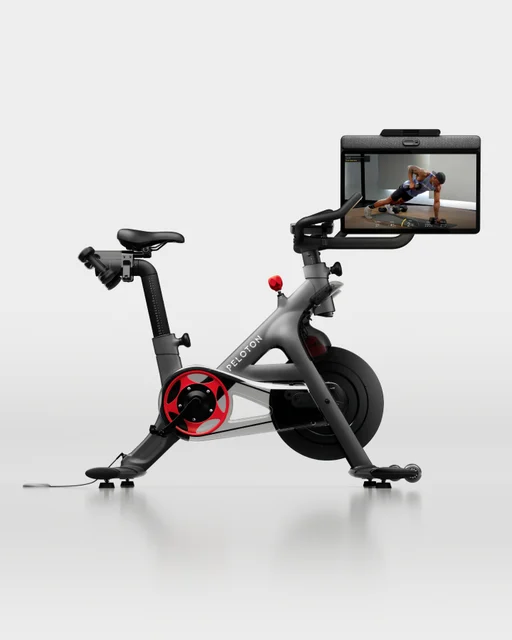
The most polished connected-class experience there is, worth the premium only if you will actually use the membership.
Best for: Riders who want the best guided-class experience and will commit to the monthly membership
- A large rotating HD touchscreen swivels for off-bike workouts, and the class library and instructors are widely rated the best in the category
- Auto-follow resistance turns the magnetic resistance to the instructor's target for you, so you can focus on the ride
- Premium build, quiet ride and strong resale value that owners consistently note
- Expensive hardware plus an ongoing monthly membership that the full experience depends on
- The bike is far less capable without the subscription and offers little third-party app support, so you are buying into one ecosystem
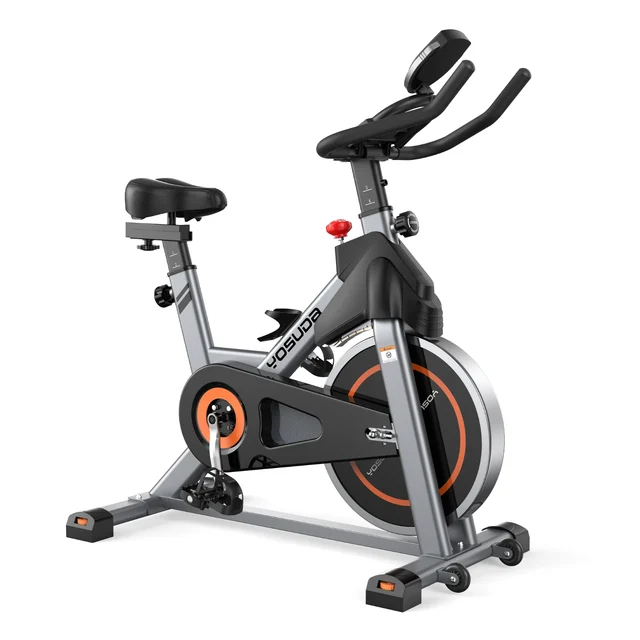
A genuinely quiet magnetic bike at a rock-bottom price, if you accept a lighter feel and thinner support.
Best for: Casual riders and first-timers on a tight budget who want smooth magnetic resistance without spending more
- Magnetic resistance at a budget price means a quiet ride with nothing to wear out, unlike the friction bikes it competes with
- Compact footprint, a simple phone or tablet holder and app-agnostic use, so you bring your own workout
- Straightforward assembly that owners describe as quick
- Lighter flywheel and a less planted, less refined feel than a mid-range bike
- Basic console and modest warranty and support compared with established fitness brands
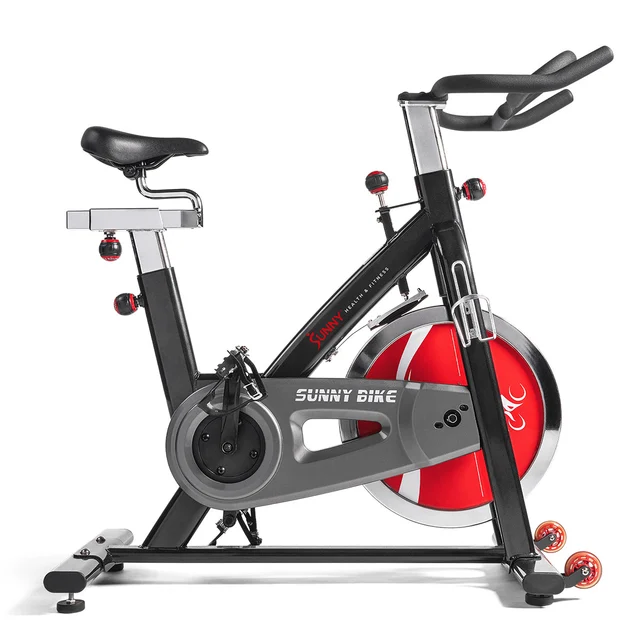
A heavy-flywheel friction bike that feels solid but hides real long-term costs: skip it for a magnetic bike.
Best for: Skip for most people; only consider it if you specifically want a bare-bones, electronics-free flywheel and truly do not care about data
- Very heavy flywheel gives a weighty, road-like momentum some riders love
- Dead simple and inexpensive, with no electronics to fail
- Resistance comes from a felt friction pad that wears down, drifts out of adjustment, and eventually needs replacing
- Resistance is an unmarked knob rather than numbered levels, so workouts are hard to repeat, and the base bike has no metrics, Bluetooth or app support
| Criteria | Schwinn IC4 Indoor Cycling Bike Top pick | Peloton Bike+ | Yosuda EB1 Magnetic Indoor Cycling Bike | Sunny Health & Fitness SF-B1002 Belt Drive Indoor Cycling Bike |
|---|---|---|---|---|
| Verdict | Buy it | Buy it | It depends | Skip it |
| Best for | Most home riders who want quiet, precise magnetic resistance and the freedom to use any app they like | Riders who want the best guided-class experience and will commit to the monthly membership | Casual riders and first-timers on a tight budget who want smooth magnetic resistance without spending more | Skip for most people; only consider it if you specifically want a bare-bones, electronics-free flywheel and truly do not care about data |
| Price tier | $$ · mid-range | $$$$ · flagship | $ · budget | $ · budget |
| Resistance type | Magnetic, 100 levels | Magnetic, auto-adjust | Magnetic, micro-adjust | Friction felt pad |
| Built-in screen | No, bring a tablet | Large rotating HD touchscreen | No, phone holder | No, base model |
| App freedom | App-agnostic via Bluetooth | Peloton ecosystem only | App-agnostic, bring your own | None on base model |
| Subscription to be useful | Not required | Required for classes | Not required | Not required |
| Resistance precision | 100 numbered levels | Precise, auto-set to target | Micro-adjust, basic readout | Unmarked, not repeatable |
| Ongoing maintenance | Low | Low | Low | Higher, pad wears out |
| Included extras | Dumbbells, HR armband, mat shelf | Premium audio, camera | Phone holder, bottle holder | Bottle holder |
| Price tier | $$ · mid-range | $$$$ · flagship | $ · budget | $ · budget |
Which one is right for you?
- Most home riders who want quiet, precise magnetic resistance and the freedom to use any app they like Buy it Schwinn IC4 Indoor Cycling Bike
- Riders who want the best guided-class experience and will commit to the monthly membership Buy it Peloton Bike+
- Casual riders and first-timers on a tight budget who want smooth magnetic resistance without spending more It depends Yosuda EB1 Magnetic Indoor Cycling Bike
- Skip for most people; only consider it if you specifically want a bare-bones, electronics-free flywheel and truly do not care about data Skip it Sunny Health & Fitness SF-B1002 Belt Drive Indoor Cycling Bike
How we judged the field
We don’t run our own lab. Instead we synthesize independent testing and a large volume of long-term owner reports, then weigh the things that actually shape daily use of an indoor cycling bike. Four criteria did most of the sorting.
- Resistance type and feel. Magnetic resistance is quiet, consistent and maintenance-free; friction pads are cheaper but wear out and drift. This one distinction separates the field more than any other.
- Ride quality. Flywheel weight, frame stability and adjustability decide whether a bike feels planted during a hard standing effort or flexes and wanders.
- App freedom and metrics. Whether the bike broadcasts your data over Bluetooth, which apps it works with, and whether you are locked into one ecosystem or a mandatory subscription.
- Long-term value. Build quality, warranty, support and what the bike is worth to you if you ever stop paying for a membership.
The IC4 is the bike we’d point most people to first. Its belt-driven magnetic resistance is genuinely quiet and has effectively nothing to wear out, and the dial offers 100 micro-adjustable levels with the current number shown on the console, so efforts are easy to repeat. The part owners rave about is freedom: it broadcasts cadence, speed and resistance over Bluetooth to nearly any app, from Peloton to Zwift, with no membership required to make the hardware useful. It also arrives ready to train, with dual-sided pedals, a media shelf, a heart-rate armband and light dumbbells. The trade-off is the plain LCD console; you bring your own tablet, and you nudge the resistance to match on-screen targets by hand. For the money, that is an easy compromise.
If the guided class is the whole reason you’re buying, the Bike+ is the best in the category. The large touchscreen rotates for off-bike workouts, the instruction and production quality are widely considered the benchmark, and auto-follow resistance sets the magnetic brake to the instructor’s target so you can just ride. It’s beautifully built and holds its value. The honest caveats are cost and commitment: the hardware is a premium buy, the full experience leans on an ongoing monthly membership, and the bike offers little third-party app support, so you are buying into one ecosystem. Riders who use the membership tend to love it; anyone unsure they’ll stick with classes should think hard before paying flagship money.
The Yosuda earns its spot by doing the important thing right at a budget price: it uses magnetic resistance, so it stays quiet and has nothing to wear down, which already puts it ahead of cheap friction bikes. It’s compact, app-agnostic with a simple phone or tablet holder, and owners find it quick to assemble. What you give up is refinement. The flywheel is lighter and the ride feels less planted than a mid-range bike, the console is basic, and the warranty and support don’t match an established fitness brand. If your budget is tight and you mainly want a smooth, quiet ride, it’s a reasonable buy; if you can stretch further, the IC4 is a meaningful step up.
This is the bike we’d steer most people away from, and it’s a useful lesson in why. It’s inexpensive and its very heavy flywheel gives a satisfying, road-like momentum. But resistance comes from a felt friction pad pressed against the wheel: independent testing and owner reports agree the pad wears down over time, drifts out of adjustment, and eventually needs replacing. Because resistance is an unmarked knob rather than numbered levels, workouts are hard to repeat, and the base bike has no metrics, Bluetooth or app support at all. None of that makes it dangerous, but a budget magnetic bike gives you a quieter, lower-maintenance, more repeatable ride for similar money. Skip it unless you specifically want a bare-bones flywheel and truly don’t care about data.
Schwinn IC4 vs Peloton Bike+: which should you buy?
This is the real decision for most shoppers, and it comes down to what you’re paying for. The Peloton Bike+ sells an experience: a rotating screen, auto-follow resistance, and the best class library in the business, delivered seamlessly as long as you keep paying the membership. The Schwinn IC4 sells capable, open hardware: the same core magnetic-and-belt setup that feels great to ride, plus Bluetooth that lets you follow the exact same Peloton classes (or Zwift, or anything else) on your own tablet, with no subscription lock and no built-in screen to pay for.
If you know you’ll live inside guided classes and you value auto-resistance and a big swiveling screen, the Bike+ is worth its premium. If you want studio-quality resistance, the freedom to switch apps, and to spend far less up front and monthly, the IC4 does the fundamentals just as well. That flexibility is why the IC4 is our overall pick and the Bike+ is the runner-up.
What to look for
- Magnetic resistance, not friction. It’s quieter, more consistent, and has nothing to wear out or replace.
- A belt drive. Belts are near-silent and don’t need the lubrication or tensioning a chain does.
- Numbered resistance levels or a data readout. Marked levels let you repeat and progress workouts; an unmarked knob doesn’t.
- Bluetooth and app freedom. A bike that broadcasts your metrics to any app avoids locking you into one ecosystem or a mandatory fee.
- A stable frame and a heavy enough flywheel. These decide whether hard, standing efforts feel planted or flexy.
- Proper adjustability. Four-way seat and handlebar adjustment matters for comfort and for fitting more than one rider.
- Honest total cost. Factor any required membership and, for friction bikes, the ongoing cost of replacement pads.
Our final take
Most people should buy the Schwinn IC4. It nails the fundamentals of a good spin bike, quiet magnetic resistance, precise repeatable levels and a stable ride, and then adds the freedom to use any app without a subscription, which is exactly what keeps a bike useful for years. Choose the Peloton Bike+ instead if the guided-class experience is the point and you’ll use the membership; its screen and auto-resistance are the best in the category. The Yosuda EB1 is a sensible tight-budget magnetic option with a lighter feel, and the friction-pad Sunny SF-B1002 is the one to skip. When in doubt, spend on magnetic resistance and open connectivity, not on a screen you may not need.
Questions, answered
What is the difference between a spin bike and a regular upright exercise bike?
A spin bike (indoor cycling bike) uses a heavy flywheel and a forward, aggressive riding position that mimics an outdoor road bike, so you can stand, sprint and climb. A standard upright exercise bike sits you more upright for lower-intensity, comfort-focused pedaling. All four bikes here are true spin bikes.
Do I need a subscription to use these bikes?
Only the Peloton Bike+ really depends on a membership for its core experience. The Schwinn IC4 and Yosuda EB1 work fully on their own and broadcast your metrics to free or third-party apps, and the Sunny SF-B1002 has no app at all. If you want to avoid a monthly fee, the IC4 is the strongest choice.
Magnetic versus friction resistance: does it really matter?
Yes. Magnetic resistance (the IC4, Bike+ and Yosuda) is quiet, consistent and effectively maintenance-free because nothing touches the flywheel. Friction resistance (the Sunny SF-B1002) presses a felt pad against the wheel; it works, but the pad wears, drifts out of adjustment and eventually needs replacing, and the resistance is not numbered so workouts are hard to repeat.
Can I use a spin bike with Peloton or Zwift without buying a Peloton?
Yes. Bikes like the Schwinn IC4 broadcast cadence, speed and resistance over Bluetooth, so you can follow along in the Peloton app, Zwift and many others on your own tablet. You match the on-screen resistance target by hand rather than having it set automatically, which only the Peloton Bike+ does.
How much space do they need and how loud are they?
All four have a compact, roughly bike-sized footprint with transport wheels, and most fit in a corner or spare room. The three magnetic bikes are quiet enough for apartments and shared walls; the friction Sunny is a bit louder because the pad contacts the flywheel. This is general product information to help you choose, not exercise or health advice, so check with a professional before starting a new training program.
Deciding between the top two? See our head-to-head: Schwinn IC4 Indoor Cycling Bike vs Peloton Bike+.
More Home Gym reviews
 The Best Ab Rollers: 4 Compared (and One to Skip)
  Best Adjustable Dumbbells: 4 Sets Compared (and One to Skip)
  The Best Adjustable Kettlebells (2026): Four Bells Compared, One to Skip
  The Best Barbells for Home Gyms: 4 Compared (and One to Skip)
  The Best Bumper Plates: 4 Compared (and One to Skip)
  The Best Elliptical Trainers: 4 Compared (and One to Skip)