Consumer advocacy
The Subscription Trap: When Gadgets Hold Their Own Features Hostage
More and more hardware ships crippled on purpose, then rents you back the parts that make it useful. Here's how to spot it before you buy.
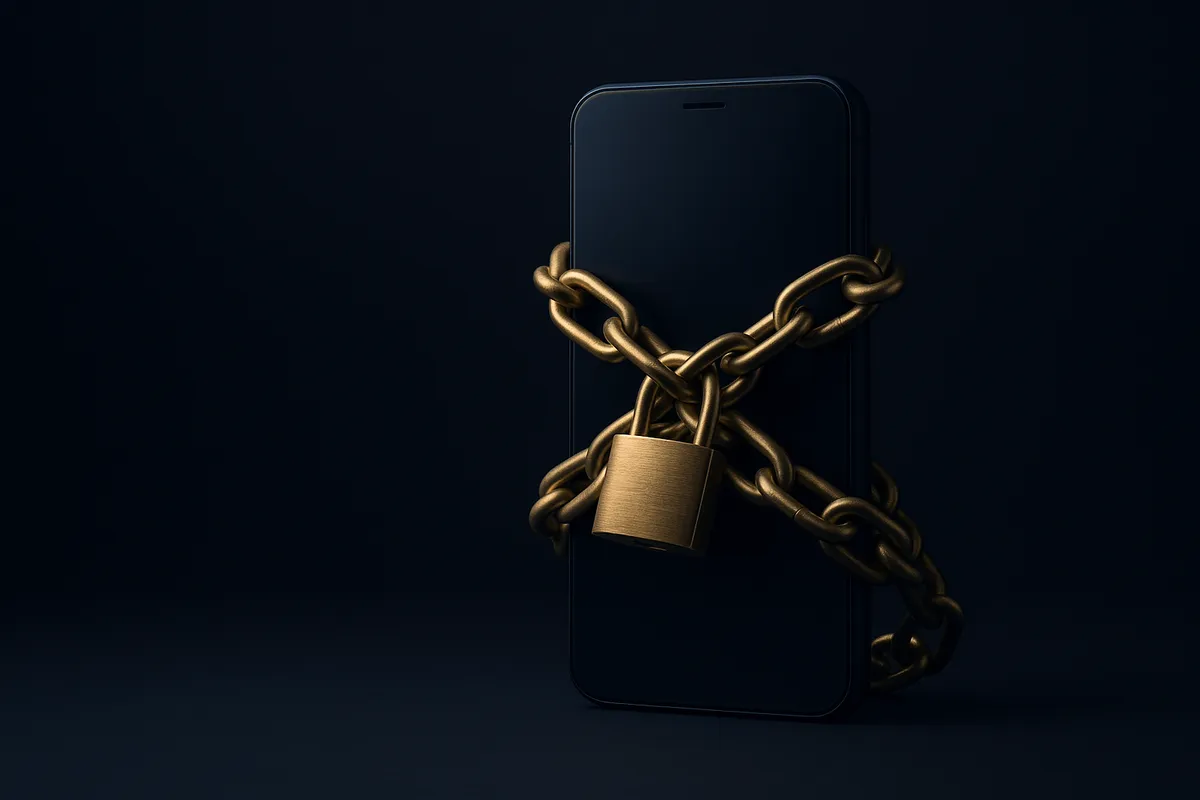
Somewhere along the way, “buy” stopped meaning “own.” You pay the full price for a security camera, bring it home, mount it, and then discover the recordings you watched it capture vanish after a day unless you start paying monthly. The hardware is yours. The reason you bought it is a rental.
This is the subscription trap, and it has quietly spread from software into physical objects. The pattern is always the same: sell a capable device at a competitive price, disable or degrade the feature that actually sold it, and offer that feature back as a recurring fee. It’s a good business model. It is a bad deal for you, and it is worth learning to see coming.
The features being held hostage
Start with cameras and video doorbells. The device records perfectly well. But without a plan, many of them throw that footage away almost immediately, or refuse to save it at all. The one moment you bought the camera for, the package that walked off, the car that got hit, is exactly the moment behind the paywall.
Cars are worse, because the feature is already installed. Heated seats, a bit of extra acceleration, remote start, driver-assist features, all physically present in the vehicle you paid for, switched off in software until you subscribe. You are not buying the hardware. You are renting permission to use what’s already bolted in.
Printers ran this playbook first. Cheap printer, expensive ink, and now ink you rent by the month, where the printer can refuse third-party cartridges or throttle your page count if you cancel. A tool you own, metering itself against you.
Then there’s the broad category of smart-home gear that is inert without a plan or, sometimes, without the maker’s servers staying online at all. Sensors, hubs, and pet feeders that do nothing useful the moment a subscription lapses or a company sunsets the app. Independent testing and owner reports keep surfacing the same disappointment: a well-built device turned into a paperweight not because it broke, but because a business decision reached across the internet and switched it off. We flag this pattern in our most-overrated products list, because a glowing spec sheet means little if the thing quietly stops working when you stop paying.
Fair fee, or ransom?
Let’s be fair, because not every subscription is a scam. There’s a real line here, and it’s easy to draw once you see it.
A subscription is defensible when it pays for something that genuinely costs the company money every single month: storing your video on their servers, a live person watching an alarm, cellular connectivity, ongoing map or threat updates. That’s a service. Services cost money to run, and paying for them is normal.
A subscription is a ransom when it unlocks a feature that lives entirely inside the device, runs on hardware you already bought, and costs the maker nothing extra to let you use. Heated seats don’t get more expensive to operate because you paid the fee. A camera saving to a memory card in its own body isn’t using anyone’s cloud. When the only thing standing between you and a feature is a monthly invoice, that’s not a service. That’s a lock the manufacturer installed on your own property and kept the key to.
The question to ask is simple: if this company vanished tomorrow, would the feature still work? If yes, you own it. If no, you’re leasing.
How to spot it before you buy
The trap is avoidable, but only if you look past the listing. A few habits catch almost all of it.
Read the maker’s own support and FAQ pages, not the marketing copy. That’s where the words plan, premium, membership, and cloud live, and where you learn what actually stops working without them. If recording, unlocking, alerts, or basic automation are gated, the sticker price is a down payment.
Search owner discussions for a specific phrase: “stops working without.” Real buyers are blunt about which features evaporated after a free trial ended. This is the kind of after-the-honeymoon reality we care about most, and it rarely shows up in a first-week write-up.
Favor devices with local, offline fallback. A camera that records to a card. A lock that opens with a code whether or not the app is online. A thermostat that holds its schedule on its own. Local control isn’t just cheaper; it’s insurance against the company changing its mind, raising the fee, or shutting down entirely.
And weigh the true cost, not the shelf price. A pricier gadget that works forever, free, often beats a cheaper one that bills you monthly to stay useful. Do that arithmetic before you’re at the checkout, not after the trial expires.
So what should you do
Assume nothing works for free until the maker says so in writing. Before you buy anything with an app, a hub, or a “smart” label, find out which features are subscription-gated and which survive on their own. Prefer the device whose essential job, recording, unlocking, printing, sensing, is done locally and stays done whether or not you keep paying and whether or not the company sticks around.
The good news is that manufacturers respond to what people refuse to buy. Every time a shopper picks the camera with free local recording over the one that holds footage hostage, it registers. Owning your hardware shouldn’t be a premium tier. Spend like it isn’t, and read the fine print before the fine print reads you. When we review connected gear, we treat a mandatory subscription as a strike against it, not a footnote, and you can see how that shakes out across our reviews.
Real Buyer Experiences is reader-supported and independent. We synthesize independent testing and owner reports into one honest verdict - we never trade a recommendation for payment. How we review →