

Opinion
The War on Repairability - and Why It Should Change What You Buy
Glued-in batteries, serialized parts, and disposable design have quietly made repairability a real buying criterion. Here is how to weigh it.
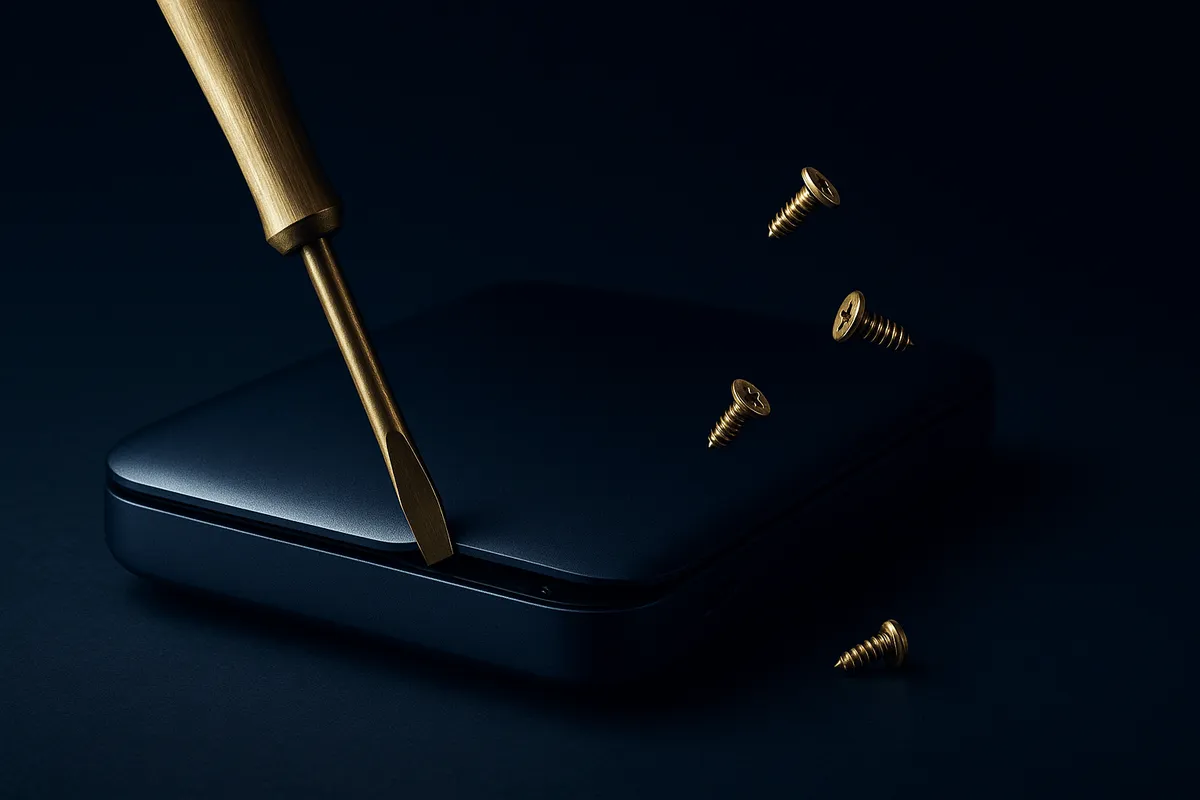
Somewhere along the way, “they don’t make them like they used to” stopped being a grumble and became a design strategy. Batteries are glued in. Parts are serialized so a genuine component from an identical unit refuses to work until the mothership blesses it. Screws are shaped so your screwdriver set is useless. And the quiet result is that a lot of what you buy is engineered to be replaced, not repaired. That is not nostalgia talking. It is a buying problem, and it deserves a line on your checklist right next to price and performance.
Let me state the argument plainly: repairability is a real purchase criterion, not an activist footnote. A device you can fix is cheaper to own, lasts longer, and keeps its resale value. A device you cannot fix is a subscription you paid for up front, billed in full the day a single cheap part fails.
The four tricks that shorten a product’s life
Start with glued-in batteries. Every lithium battery is a consumable - it degrades on a clock whether the rest of the device is pristine or not. When that battery is a slide-in module, replacing it is a minor errand. When it is buried under adhesive and a laminated screen, a worn battery quietly becomes the expiration date of the whole product. Reviewers and teardown communities have documented this for years: the battery, not the chip, is what usually kills the device.
Then there is parts serialization, the sneakiest of the bunch. A part is paired in software to one specific unit, so even a genuine screen or battery harvested from an identical model throws warnings, loses features, or simply won’t function until the manufacturer authorizes it. This turns independent repair from a screwdriver job into a permission problem, and permission is exactly what these systems are designed to withhold.
Add proprietary screws and fasteners - pentalobe heads, hidden clips, one-way tabs - whose only real function is to make the inside of the product a place you are not invited. And wrap it all in disposable design: sealed enclosures, soldered storage, ribbon cables that tear on the first open. Individually, each choice can be defended as thinness or waterproofing. Together, they add up to a machine that is easier to throw away than to save.
Where it bites hardest
This is not evenly distributed, so aim your skepticism. Small appliances are quietly some of the worst offenders - cordless vacuums, electric toothbrushes, and kitchen gadgets with sealed batteries and no service parts, sold cheap enough that repair is never on the table. True wireless earbuds are almost a caricature of the problem: tiny glued cases, non-replaceable cells, and a two-to-three-year lifespan baked in by chemistry. Some laptops and phones land on both ends of the spectrum - a few makers now sell parts, manuals, and modular batteries, while others solder everything and serialize the rest. The category doesn’t tell you the answer; the specific model does.
If you want the flip side of this argument, plenty of pricey gear underdelivers for reasons that have nothing to do with repairability, which is its own kind of waste - our most overrated list is the companion piece to this one.
Why this belongs in your total-cost math
Think in total cost of ownership, not sticker price. A slightly more expensive device you can keep running for years is usually cheaper per year than a sealed bargain you replace on the manufacturer’s schedule. Resale matters too: repairable products hold value because a buyer knows they can service them. And there is the e-waste dimension, which is not just a guilt trip - every unrepairable gadget is a pile of mined metals and a landfill entry that a replaceable battery would have prevented. The evidence from repair advocates and independent testers points the same direction: fixable things last longer and cost less over their life.
The encouraging part is that the right-to-repair movement has started to bite back. Several regions now require makers to sell parts and publish manuals, some mandate repairability labeling at the point of sale, and a handful of large manufacturers have - grudgingly or otherwise - launched self-repair programs and started walking back the worst serialization. Progress is uneven and enforcement is patchy, so treat it as a tailwind, not a guarantee.
So what should you actually do?
Make repairability a tiebreaker, then a filter. Before you buy anything you intend to keep for years, run four quick checks. Does the maker sell official parts and manuals? Is there a published repair or teardown score? Is the battery described as replaceable? Are the screws standard? If the answers are yes, that product has quietly told you it expects to be around a while. If the marketing says “built to last” but there is no parts store and no way in, believe the hardware, not the copy.
We fold this into how we judge products - durability and serviceability sit alongside performance in our verdicts, and the category-by-category buying context lives in the Explained guides. You do not need to become a soldering hobbyist to benefit. You just need to stop treating “can I keep this alive” as someone else’s problem, and start treating it as one more thing the product has to earn before it earns your money.
Real Buyer Experiences is reader-supported and independent. We synthesize independent testing and owner reports into one honest verdict - we never trade a recommendation for payment. How we review →