Analysis
The Upgrade Treadmill: You Probably Don't Need the New One
Every cycle brings a new phone, laptop, or GPU pitched as essential. Last year's is usually still excellent. Here is how to tell manufactured FOMO from a real reason to upgrade.
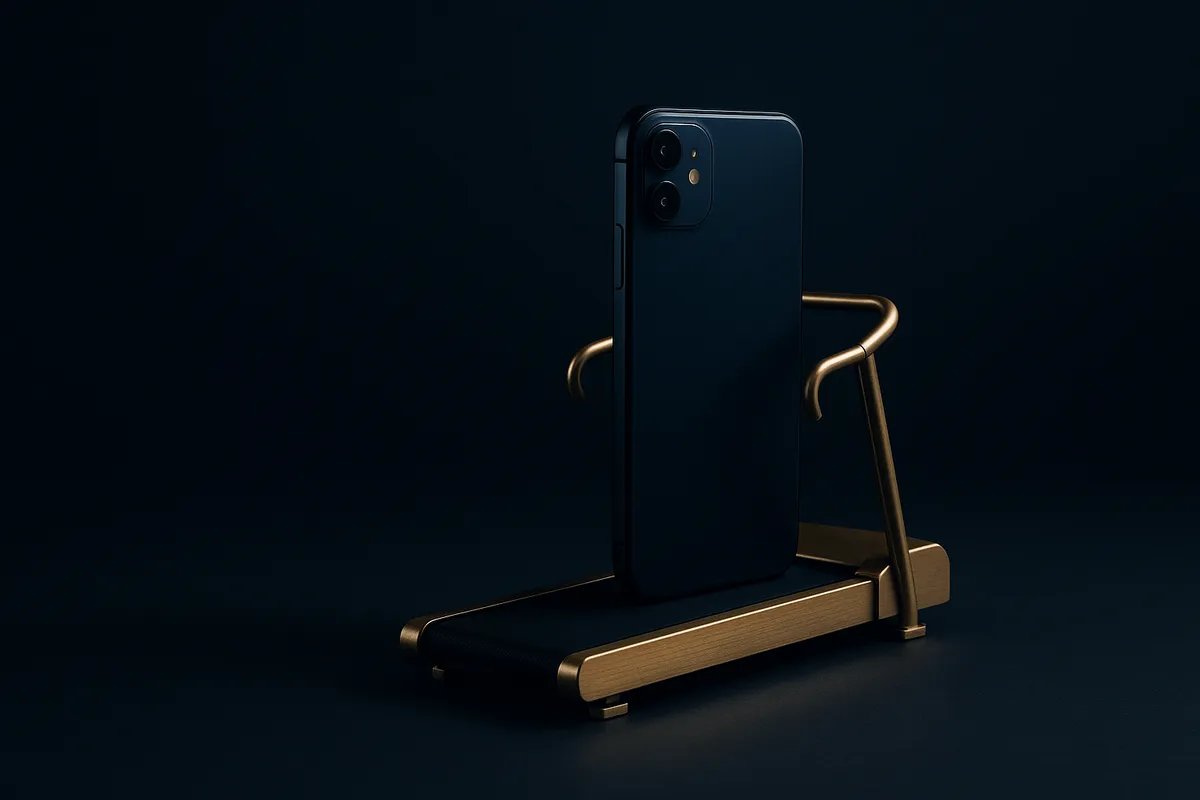
Here is the uncomfortable truth the launch events won’t tell you: the device you already own is, for almost everything you do with it, still excellent. The new one is newer. That is not the same thing.
The upgrade treadmill is the quiet assumption that a new phone, laptop, GPU, watch, or headset belongs on some annual or biennial schedule, the way a lease renews. Marketing leans on it hard, because a company that sells one great product to a happy owner who keeps it for six years has a growth problem. So every cycle, the incremental becomes the essential. A modestly faster chip is ‘a generational leap.’ A slightly brighter panel is ‘the best display we’ve ever made.’ A rounded corner becomes a reason to feel that what’s in your pocket is suddenly old.
Most of it isn’t a lie, exactly. It’s true and irrelevant at the same time. The new chip really is faster on a benchmark. You will simply never feel it opening the same apps you opened yesterday.
Incremental, dressed up as urgent
Watch how a typical release gets sold. The genuinely new capabilities, if there are any, get one line. The bulk of the pitch is comparative: faster than last year, thinner than before, a bigger number than the model you own. The frame is always relative to your current thing, because the goal is to make your current thing feel like a deficit.
Independent testing tells a calmer story. When reviewers put this year’s flagship next to last year’s, the honest ones keep reaching for the same words: marginal, incremental, hard to tell apart in normal use. Owners echo it in the wild, where the most common verdict on a year-old device is not ‘showing its age’ but ‘still does everything I need.’ The real leaps, the ones you actually feel, tend to arrive every several cycles, not on a yearly drumbeat. Buy every year and you pay full freight for the small steps. Skip a few and you capture the big jump for a single price.
This is the same pattern we keep running into across categories on our most-overrated list: the products doing the heaviest marketing are rarely the ones delivering the biggest real-world gain. Hype and value are not correlated. Often they point in opposite directions.
The real signals it’s time
Strip away the manufactured urgency and there are only a few honest reasons to replace a working device:
Something broke, and repair costs more than it’s worth. A dying battery, a cracked screen on a phone that’s otherwise fine, a failed drive. Sometimes the fix is cheap and obvious and buys you years, which is the boring answer nobody advertises. Sometimes it genuinely isn’t worth it. Either way, this is a real trigger.
You’ve hit a capability wall you actually stand at. Not a spec you’d like to have, a task you truly do and your device can’t. A camera that can’t capture the work you’re now paid for. A laptop that can’t run the software your job just adopted. A GPU that can’t drive the resolution you actually own a monitor for. The test is specific and personal: can you name the exact thing it fails to do? If you can’t, you don’t have this reason yet, you have an itch.
Support ran out. When a device stops getting security updates, the calculus changes, especially for anything holding your accounts and payments. This is the one time ‘old’ is a genuine liability rather than a feeling.
Notice what’s not on the list: a new model exists. A friend upgraded. A slightly better number appeared in a keynote. Those are FOMO, and FOMO is precisely the thing being manufactured and sold to you.
What the treadmill actually costs
Run it forward and the math is unkind. Replacing perfectly good gear on a schedule is one of the larger discretionary drains most people never audit, because each single upgrade feels reasonable in isolation. It’s the cadence that empties the account, not any one purchase.
Then there’s the cost that doesn’t show up on your statement. A large share of a gadget’s total environmental footprint is spent in manufacturing, before it’s ever switched on. Every skipped upgrade is a device that didn’t need to be built. On the other end, discarded electronics are among the fastest-growing waste streams on the planet, and a lot of it is neither recycled nor safely handled. The greenest device, overwhelmingly, is the working one you already own.
So what should you do
Get off the calendar. Upgrade on triggers, not dates. Before you buy the new one, make yourself finish this sentence out loud: my current device can no longer ___. If you can fill the blank with something concrete and true, buy with confidence. If the honest answer is ‘nothing, it’s just not the newest,’ you have your answer, and it’s the cheaper, quieter one.
When a real trigger does arrive, that’s the moment to do the homework, and to lean on independent reviews that compare against what you already own rather than against a wish. Buy the thing that clears the specific wall you’ve hit, keep it until the next real trigger, and let the treadmill spin without you. Your wallet, and the pile of e-waste that isn’t growing on your behalf, will both be better for it.
Real Buyer Experiences is reader-supported and independent. We synthesize independent testing and owner reports into one honest verdict - we never trade a recommendation for payment. How we review →